

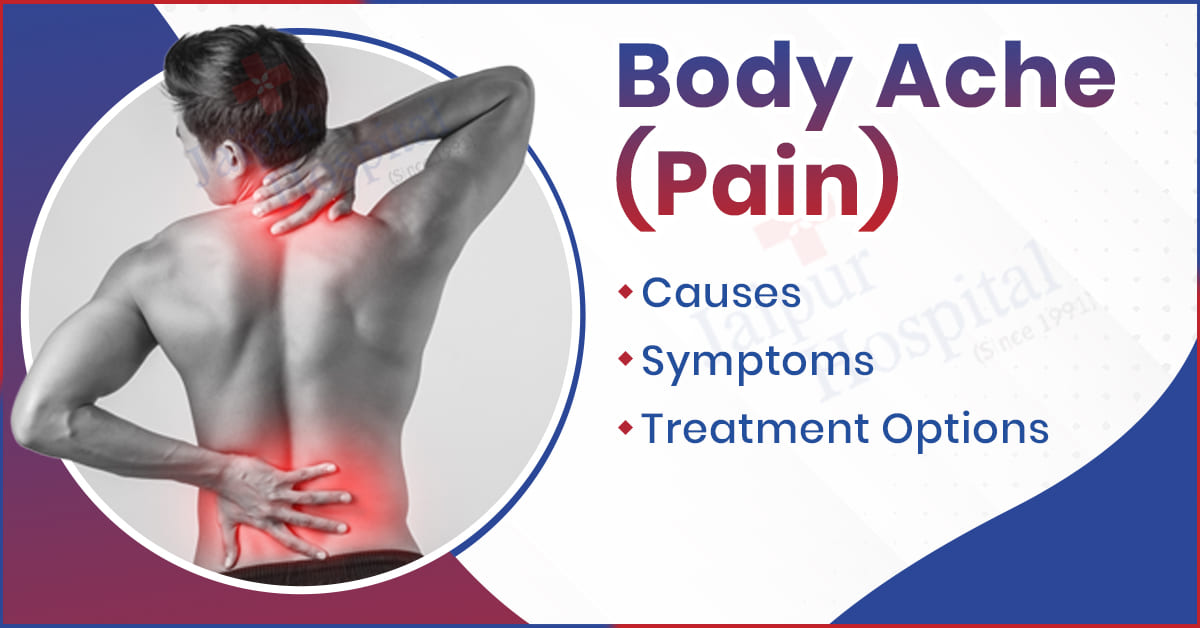
Body Aches are one of the most common health problems people experience. Body Aches can vary greatly in Severity, and how long they last. A Body Ache can be minor and last a short time, or be severe and last a long time. Body Aches can be defined as any discomfort caused to the Muscles, Joints, Bones, or the whole Body. People may experience Body Aches for any number of reasons: through Lifestyle Choices, Infections, Injuries, or from an Underlying Medical Condition.
What Is Body Ache (Pain)?
A body ache (pain) refers to discomfort, soreness, and/or pain in many parts of the body. Although body ache generally occurs in muscle and joint areas, it can also include pain in bone, ligament, and connective tissue areas. Body aches do not necessarily have a visible cause; there are instances when body aches can occur for no reason and can start suddenly.
Common causes of body aches include everyday stress-related types of injuries, poor posture, dehydration, and various viral infections including influenza, and more recently COVID-19. Depending on their severity, body aches can be described as either acute – that is, they last for a short time period, usually days to weeks – or chronic – that is, they continue for an extended period of time, weeks to months, possibly longer.
What Are the Common Causes of Body Ache?
It is vital to understand the cause of our body aches, as knowing this helps us make the best decisions regarding treatment for them. Some of the most common causes of body ache include:
1. Infections
Body ache is commonly associated with viral infections such as the flu or dengue. The flu may cause flu-like body aches combined with fever, fatigue and general feelings of weakness. The body releases chemical substances during an active infection. These chemicals are responsible for causing muscle soreness.
2. Muscle Overuse/Strain
Muscle over-exercising, heavy lifting, or engaging in physical exertion abruptly after a period of inactivity may cause strains to the various muscle groups and also lead to body aches and stiffness.
3. Sedentary Lifestyle and Poor Posture
Long periods of poor posture while sitting, whether it be in front of a desk or the television, can lead to body aches in the neck, shoulders and back area.
4. Nutritional Deficiencies and Dehydration
Not drinking enough fluids or not getting sufficient quantities of essential vitamins and minerals (for example, vit D, Calcium, and Magnesium) can lead to muscle cramps or soreness that feels like body pain.
5. Stress and Anxiety
Emotional or mental stress can cause muscles to become tense, resulting in headaches, neck aches and generalized body aches.
What Are the Common Symptoms of Body Pain?
Depending on the underlying cause of body pain, the symptoms may differ greatly from one person to the next. Common symptoms include:
- Dull or sharp pains in the joints and or muscles,
- Stiffness after sleeping,
- Fatigue and Lack of strength;
- Difficulty with daily living tasks;
- Tenderness from slight pressure;
- Pain with Fever and chills;
You Can Read Also: Dark Circles Under The Eyes: Causes, Home Remedies & Best Treatments
What Types of Body Ache Can Occur?
There are two ways to classify body aches; One is through its location, and the other is through the way the pain feels:
1. Myalgia (Muscle): Most frequently occurring type of body ache. It is typically due to overuse or excessive exertion of the muscles (physically), an infection (caused by bacteria/virus), or stress.
2. Joint: It is a common pain associated with arthritis, injury, or age.
3. Bone: Bone pain is less frequent, but is considered more serious than joint or muscle pain. Symptoms of bone pain can include fractures due to the weakening of bones, diseases caused by a lack of calcium and vitamin D, or tumors that develop on bones.
4. General (Systemic): If the body is experiencing pain throughout, there are usually medical reasons for this. The most typical examples are: A viral infection; Chronic outcomes of chronic exhaustion e.g., chronic fatigue syndrome/fibromyalgia)
How Does Body Ache Affect Daily Life?
Body aches may appear to be insignificant yet can greatly impact your daily activities. Persistent body pains can:
- – Decrease concentration and work efficiency
- – Disrupt your sleep cycle
- – Restrict you from getting adequate physical activity or exercise
- – Impair your mood and mental well-being
- – Affect your quality of life overall
You Can Read Also: Top 10 Winter Health Tips to Stay Fit and Healthy
What Are the Best Treatment Options for Body Ache (Pain)?
Depending on the severity and origin of body aches, various remedies may be effective. Common remedies are as follows:
1. Adequate Rest
Taking time to allow your body to rest will help your muscles recover from overexertion and reduce any inflammation in your body.
2. Proper Hydration and A Healthy Diet
Drinking large quantities of water, along with eating a diet rich in nutrients, is imperative to supporting the health of your muscles and joints.
3. Use of Pain Medication
There are over-the-counter medications that may provide temporary relief from bodily discomforts, but they should be taken only if prescribed by a physician, particularly for long-term use.
4. Activities to Decrease Physical Discomfort
Activities to improve circulation, increase flexibility, and decrease joint and muscle tension are gentle stretching, yoga, and low-impact exercise.
5. Thermal Therapy
Heat will help relieve a muscle that is “tight” and increase blood flow to the area. Cold packs will reduce swelling and inflammation.
6. Professional Treatment
In cases of lower back pain related to another condition, proper medical treatment must be initiated as soon as possible. The sooner you diagnose, the less chance there will be of developing complications.
When Should You See a Doctor for Body Ache?
Even though mild aches and pains generally improve on their own as time goes by, you should contact your physician if:
- Your body ache continues after two days
- Your body ache has become more severe or is extremely painful
- You have developed fever, swelling, redness or other symptoms related to the ache in your body
You have had weight loss, fatigue, weakness or difficulty completing daily tasks for an unknown reason.
Conclusion
We, at Jaipur Hospital, have a strong belief that any sort of body pain should not be neglected especially when it interrupts your regular routine and activity. A little bit of body pain every now and again could stem from an overworking body and or a very mild infection, however, if you are experiencing a persistent or a great deal of discomfort, it is a sign of something else that may need to be investigated by a doctor. If you see a doctor at the beginning, this will provide the right type of opportunity to diagnose the problem and provide proper care through treatment, and lifestyle modification/guidance. Most cases of body aches can be treated successfully, which allows individuals to return to their previous level of mobility, comfort and overall wellbeing. Living a life without ache, is an essential element to living a healthy and active life.
Frequently Asked Questions (FAQs)
1. What causes me to have body aches when I have the flu?
Ans. When you have the flu, your immune system is activated by chemicals that help to fight off the virus and cause inflammation and soreness in the muscles. This is reflected in the body aches that people tend to have when they have the flu.
2. What are some good exercises for relieving body discomfort?
Ans. The best forms of exercise for relieving stiffness and improving mobility are gentle stretching, walking, doing yoga, and light resistance training.
3. Could it be true that stress can cause body discomfort?
Ans. Absolutely; when someone is under stress, their muscles will often become tense and their blood supply to the tissues in that area will decrease, leading to discomfort in the neck, shoulder and back areas.