
Jaipur Hospital
Sports Injury in Jaipur
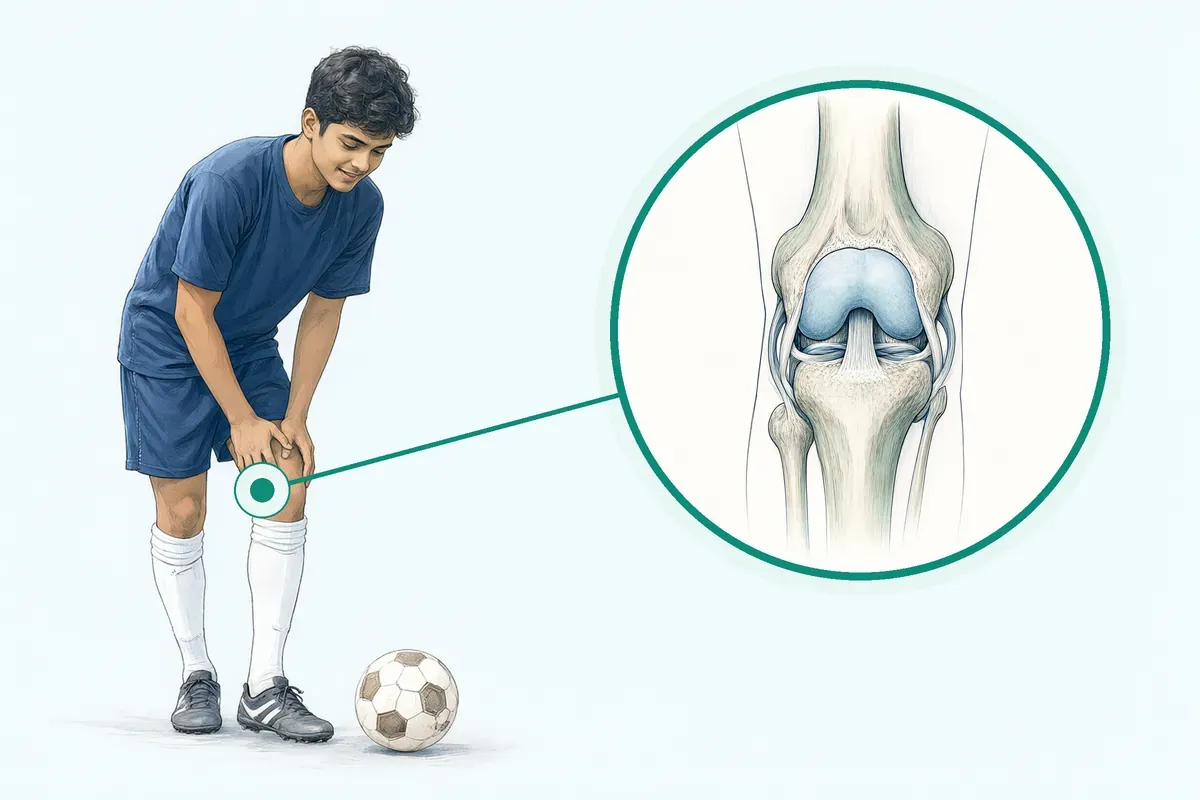
Sports injury care helps active people of every age get back to their game, gym or daily routine. That covers knee ligament and meniscus tears, shoulder dislocations and rotator cuff problems, ankle sprains, muscle and tendon injuries and overuse pain, with keyhole (arthroscopic) surgery when it is needed and a planned return to sport.
 Our specialist in sports injury
Treatments
What we treat
- Knee Ligament Injuries ACL, PCL, MCL tears — diagnosis, arthroscopic repair or reconstruction
- Recovery
- Return to sports in 6 to 9 months
- Operation time
- 1 to 2 hours
- Knee Cartilage and Meniscus Meniscus tears, cartilage defects — arthroscopic repair, debridement, microfracture
- Recovery
- Full weight bearing in 4 to 6 weeks
- Operation time
- 45 to 90 minutes
- Shoulder Instability and Labral Injuries Recurrent dislocation, Bankart, SLAP tears — arthroscopic stabilisation and repair
- Recovery
- Return to contact sports in 6 months
- Operation time
- 1 to 2 hours
- Patellofemoral Disorders Patella instability, maltracking, chondromalacia — realignment, MPFL reconstruction
- Rotator Cuff and Shoulder Pain Rotator cuff tears, impingement, tendinopathy — arthroscopic repair, decompression
- Elbow and Wrist Sports Injuries Diagnosis and treatment for tennis elbow, golfer's elbow, wrist sprains, TFCC tears
- Hip and Groin Sports Injuries Assessment and care for FAI, labral tears, sports hernia, adductor tendinopathy
- Ankle and Foot Sports Injuries Treatment for ankle sprains, instability, Achilles tendinopathy, plantar fasciitis, stress fractures
- Muscle and Tendon Injuries Acute and chronic management of hamstring, quadriceps, calf, rotator cuff tears and tendinopathy
- Bone Stress and Overuse Injuries Diagnosis and graded return for stress fractures, shin splints, bone stress reactions
- Sports Concussion Care Multidisciplinary assessment, neurocognitive testing and graded return-to-play protocol
- Athlete Assessment and Return to Play Comprehensive biomechanical, strength and functional testing for clearance decisions
- Sport Specific Injury Clinics Dedicated pathways for cricket, football, tennis, running and gym injuries
- Youth and Recreational Athlete Care Growth-plate injuries, overuse syndromes and safe participation guidance for young athletes
- Field Side and Emergency Sports Care On-field assessment, acute injury management and emergency referral for sports events
About the department
Sports injury care at Jaipur Hospital
Jaipur Hospital, on Main Tonk Road near Gopalpura Flyover, has been treating patients since 1991 and is NABH accredited. Its sports injury department looks after anyone hurt while being active: cricketers and footballers, runners and gym-goers, school athletes, and people injured playing with their children or climbing stairs.
The commonest injuries we see are in the knee: ACL and other ligament tears, meniscus and cartilage tears and kneecap problems. The shoulder comes next, with rotator cuff tears and shoulder pain and dislocations and labral tears, followed by ankle sprains and foot injuries, elbow and wrist injuries such as tennis elbow, and hip and groin pain.
Most sports injuries do not need an operation. Strains, sprains and many partial tears heal with rest, bracing and a planned physiotherapy programme. When a torn ligament leaves the joint unstable, or a tear blocks the joint, the surgeon usually repairs or rebuilds it by arthroscopy, a keyhole operation through small cuts. You get a cost estimate before you decide.
Getting back to sport safely matters as much as the treatment. Rehabilitation is planned with our physiotherapy department in stages, and return-to-play testing checks strength, balance and movement before you go back to full training, which lowers the chance of the same injury happening again.
The team also treats muscle and tendon injuries, stress fractures and overuse injuries, concussion and injuries in young athletes, whose growing bones need a different approach.
X-rays are available 24 hours a day, and the 24×7 emergency department sees dislocations, fractures and head injuries from the field at any hour. Operations take place in modular operation theatres.
Treatment is cashless under MAA Yojana, and with 32 insurers and TPAs.
Know when to come in
When to see a sports injury doctor
Book a consultation if you have
- A knee that gives way, locks or swells after a twist
- A pop in the knee or shoulder at the time of injury
- A shoulder that has slipped out of place before, or hurts when you lift your arm overhead
- An ankle sprain that is still painful or unstable after three weeks
- Pain on the outside or inside of the elbow that stops you gripping
- Pain in the shin or foot that gets worse with running and does not settle with rest
- An old injury that keeps you from returning to your sport
Come to the emergency department now for
- A joint that looks out of shape, or a bone that may be broken
- Being unable to put any weight on the leg after an injury
- A knee that swells up within an hour or two of injury
- A blow to the head with confusion, vomiting, drowsiness or memory loss
- Numbness, coldness or a pale colour below an injury
Call 7414 001 001 or come straight to our 24×7 emergency department.
Plan ahead
Costs and recovery at a glance
Typical figures for our main sports injury treatments. The costs are typical ranges in India, not a quote: your estimate depends on the injury, whether surgery is needed, any implant and your health, and you receive one after the consultation.
| Treatment | Time needed | Recovery | Typical cost |
|---|---|---|---|
| Knee Ligament Injuries | 1 to 2 hours | Return to sports in 6 to 9 months | ₹1,50,000 to ₹3,50,000 |
| Knee Cartilage and Meniscus | 45 to 90 minutes | Full weight bearing in 4 to 6 weeks | ₹80,000 to ₹2,50,000 |
| Patellofemoral Disorders | 1 to 2 hours | Return to activity in 4 to 6 months | ₹1,20,000 to ₹3,00,000 |
| Rotator Cuff and Shoulder Pain | 1 to 2 hours | Full recovery in 4 to 6 months | ₹1,20,000 to ₹3,00,000 |
| Shoulder Instability and Labral Injuries | 1 to 2 hours | Return to contact sports in 6 months | ₹1,50,000 to ₹3,00,000 |
| Ankle and Foot Sports Injuries | Varies by condition | 2 weeks to 6 months depending on injury | ₹5,000 to ₹2,50,000 |
| Elbow and Wrist Sports Injuries | Varies by condition | 2 to 12 weeks depending on severity | ₹5,000 to ₹1,50,000 |
| Muscle and Tendon Injuries | Varies by grade and location | 3 weeks to 6 months based on severity | ₹10,000 to ₹2,50,000 |
Know who you will meet
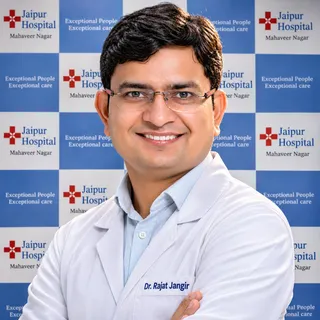
Meet the Sports Injury team
Before you decide
Choosing a sports injury hospital in Jaipur
Questions worth asking any hospital before sports injury treatment, and how we answer them.
- Is the hospital accredited?
- Yes. Jaipur Hospital is NABH accredited, which means its patient safety, infection control and care processes are checked against national standards.
- Who will treat me?
- A sports injury surgeon sees you at the consultation. Their qualifications are listed in the team section on this page and on our doctors page.
- Will I be pushed into surgery?
- No. Many sports injuries heal with rest, bracing and physiotherapy. Surgery is suggested when the joint stays unstable or a tear blocks movement, and the reasons are explained.
- Is rehabilitation included in the plan?
- Yes. Physiotherapy is planned from the start with our physiotherapy department, and return-to-play testing helps decide when it is safe to go back.
- Can young athletes be treated here?
- Yes. Children and teenagers have growing bones, so the team adjusts treatment and training advice to protect growth. See youth and recreational athlete care.
- Is treatment cashless?
- Yes, under MAA Yojana, and with 32 insurers and TPAs. Bring your card or policy details to the consultation. See insurance and cashless treatment.
- Where is the hospital?
- S16A-17, Mahaveer Nagar, near Gopalpura Flyover on Main Tonk Road, Jaipur. See contact and directions.
Step by step
Your visit
- 1 Consultation
The sports injury surgeon examines the injured joint and asks how it happened and what sport you play.
- 2 Tests
X-rays at the hospital; an MRI, done at an imaging centre outside the hospital, when a ligament, cartilage or tendon tear needs to be seen
- 3 Your plan
Rest, bracing and physiotherapy, or keyhole repair, with a cost estimate before you decide.
- 4 Back to sport
Staged physiotherapy and simple tests to decide when it is safe to play again.
Questions answered
Sports injury questions answered
Does a torn ACL always need surgery?
No. People who do not play pivoting sports such as football, cricket, badminton or kabaddi can often manage well with physiotherapy alone. Surgery to rebuild the ligament is advised when the knee keeps giving way or you want to return to those sports. See knee ligament injuries.
How much does ACL surgery cost in Jaipur?
The typical range in India is ₹1,50,000 to ₹3,50,000. The figure depends on whether other damage, such as a meniscus tear, is repaired at the same time and on your health. You receive an estimate after the consultation and MRI.
How long until I can play after ACL reconstruction?
Most people return to sport six to nine months after surgery, once strength, balance and hopping tests show the knee is ready. Going back too early raises the risk of tearing the ligament again.
What should I do straight after a sports injury?
Stop playing. Rest the area, put ice wrapped in a cloth on it for 15 to 20 minutes every few hours, use a compression bandage and keep it raised. Do not massage a fresh injury or apply heat for the first two days.
Do I need an MRI?
Not always. An X-ray rules out a fracture, and many injuries can be diagnosed by examination. An MRI is used when a ligament, cartilage or tendon tear is suspected and the result will change the treatment.
Can a meniscus tear heal on its own?
Small tears in the outer part of the meniscus, which has a good blood supply, can heal. Tears that make the knee lock or catch usually need keyhole repair or trimming. See knee cartilage and meniscus.
Why does my shoulder keep dislocating?
After a first dislocation, the soft rim of the socket (the labrum) often tears, especially in young people, which leaves the shoulder loose. Repeated dislocations are usually treated with a keyhole repair. See shoulder instability and labral injuries.
Is sports injury treatment covered under MAA Yojana or insurance?
Yes. Jaipur Hospital accepts MAA Yojana for cashless treatment, as well as 32 insurers and TPAs. What your scheme pays depends on its package rates and your eligibility, so bring your card to the consultation.
What should I bring to my first appointment?
Bring X-rays or MRI scans with their reports, notes from any earlier treatment, a list of your medicines and your scheme or insurance card. Wear shorts or loose clothing so the joint can be examined.
Cashless treatment
Covered by your scheme or insurer
-
 MAA Yojana
And 32 insurers and TPAs on panel.
Check your coverCommon questions