

Jaipur Hospital
General Medicine in Jaipur
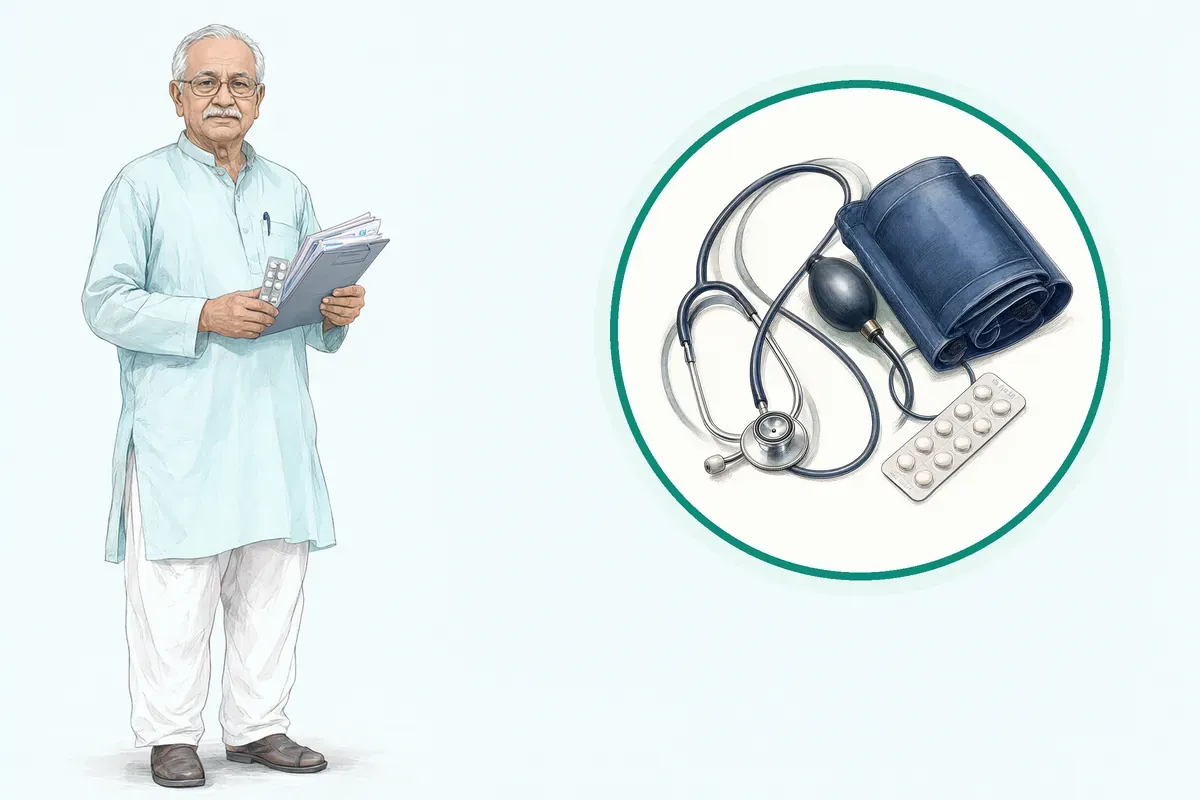
Our physicians look after illnesses of the whole body without an operation: diabetes and blood pressure, thyroid problems, fevers such as dengue, malaria and typhoid, liver and stomach problems, anaemia, joint inflammation and the long-term care of older adults. Seriously ill patients are treated in the ICU.
Treatments
What we treat
- Diabetes and Metabolic Care Comprehensive diabetes management including insulin, diet, and complication screening
- Recovery
- Ongoing lifestyle management
- Hypertension and Cardiovascular Risk Blood pressure control and cardiac risk assessment with lipid management
- Recovery
- Lifelong monitoring and adherence
- Fever and Tropical Infections Systematic workup and protocol-based treatment for dengue, malaria, typhoid, scrub typhus, leptospirosis
- Recovery
- 7 to 14 days for acute phase; fatigue may persist weeks
- Thyroid and Endocrine Disorders Diagnosis and management of thyroid, pituitary, adrenal, and metabolic bone disorders
- Liver and Digestive Medicine Evaluation and management of hepatitis, fatty liver, cirrhosis, and functional GI disorders
- Anaemia and Blood Disorders Diagnosis and treatment of anaemia, thalassemia, and clotting disorders
- General Neurology Medical Care Non-surgical management of stroke, epilepsy, headache, and neuropathy
- Rheumatology and Autoimmune Care Diagnosis and DMARD therapy for arthritis, lupus, and vasculitis
- Chronic Infections and Immunity Management of TB, HIV, fungal infections, and immunodeficiency states
- Acute Medical Emergencies and Poisoning 24x7 ICU care for sepsis, poisoning, DKA, and organ failure
- Obesity Nutrition and Lifestyle Medical weight management with diet, exercise, and behaviour counselling
- Tobacco Alcohol and Addiction Medicine De-addiction counselling, pharmacotherapy, and relapse prevention for substance use
- Preventive Health and Screening Comprehensive health check-ups, cancer screening, and vaccination for adults
- Travel and Occupational Medicine Pre-travel vaccination, fitness certificates, and workplace health assessments
- Geriatric Medicine Comprehensive assessment, polypharmacy review, and chronic care for elderly
- Outpatient and Continuity Services OPD consultations, follow-ups, and chronic disease management plans
- Kidney and Nephrology Medical Care Medical management of kidney diseases, dialysis, and transplant follow-up
- Pesticide Poisoning Treatment Emergency decontamination, antidotes, ICU monitoring for organophosphate poisoning
- Heat Stroke Treatment Rapid cooling, IV fluids, organ support for severe hyperthermia
- Drug Overdose Treatment Stabilisation, specific antidotes, toxicology screening, ICU observation
- Fainting (Syncope) Evaluation ECG, tilt table, Holter, echo to rule out cardiac and neurological causes
- Iron Deficiency Anaemia Treatment Oral or IV iron therapy for low haemoglobin
- Vitamin B12 Deficiency Treatment B12 injections or high-dose oral therapy for deficiency
- Low Platelet Count Treatment Evaluation and management of thrombocytopenia causes
- Sickle Cell Disease Care Comprehensive management: hydroxyurea, pain crisis, vaccinations
- Thalassaemia Screening Carrier detection by HPLC and genetic counselling
- HIV Treatment and Care Comprehensive HIV management including ART initiation, monitoring, and opportunistic infection care
- Type 2 Diabetes Treatment Lifestyle modification, oral medications, and injectable therapy for glycaemic control
- Type 1 Diabetes Care Intensive insulin therapy, carbohydrate counting, and complication screening for insulin deficiency
- Insulin Treatment Starting and adjusting insulin doses for type 1, type 2, or gestational diabetes
- Continuous Glucose Monitoring (CGM) Real-time interstitial glucose tracking using sensor for pattern analysis and alerts
- Diabetic Neuropathy Treatment Nerve pain and numbness management for diabetes patients
- Prediabetes Care Lifestyle and medical programme to prevent type 2 diabetes
- Low Blood Sugar (Hypoglycaemia) Emergency treatment and prevention of recurrent hypoglycaemia
- Metabolic Syndrome Care Comprehensive management of obesity, hypertension, dyslipidaemia, and insulin resistance
- Dengue and Chikungunya Treatment Fever management, fluid therapy, and complication monitoring
- Malaria Treatment Diagnosis and treatment of falciparum and vivax malaria with antimalarials
- Typhoid Treatment Antibiotic therapy for Salmonella Typhi and Paratyphi with complication monitoring
- Scrub Typhus Treatment Doxycycline or azithromycin therapy for Orientia tsutsugamushi with ICU support if severe
- Dog Bite and Rabies Vaccine WHO category-based wound care, rabies immunoglobulin, and intradermal vaccine schedule
- Swine Flu and Influenza Treatment Antiviral therapy, isolation care, and complication monitoring for H1N1 and seasonal flu.
- Long-lasting Fever (PUO) Systematic inpatient workup for fever >2 weeks with no clear diagnosis after initial tests.
- Viral Fever Treatment Symptomatic management, hydration, and monitoring for dengue, chikungunya, and seasonal viruses.
- Migraine Treatment Acute abortive therapy, preventive medication, and trigger management for chronic migraine.
- Epilepsy (Seizure) Treatment AED selection, dose titration, and monitoring for seizure control; refractory case evaluation.
- Bell's Palsy Treatment Corticosteroids, antivirals, eye care, physiotherapy for facial nerve palsy
- Parkinson's Disease Treatment Levodopa, dopamine agonists, MAO-B inhibitors, DBS evaluation
- Dementia Care Cognitive assessment, cholinesterase inhibitors, memantine, caregiver support
- Peripheral Neuropathy Treatment Gabapentinoids, duloxetine, B12, TENS, cause-specific therapy
- Stroke Recovery Medical Care Secondary prevention, spasticity management, cognition, swallowing, rehab coordination
- High Cholesterol Treatment Lipid profile assessment, diet, and medication management for dyslipidaemia
- Heart Failure Treatment Guideline-directed medical therapy optimisation and volume status management
- Palpitations Evaluation ECG, Holter, and echo workup for arrhythmia diagnosis and risk stratification
- Uncontrolled Blood Pressure Secondary cause workup, ambulatory BP monitoring, and resistant hypertension regimen
- Care after a Heart Attack Post-MI GDMT, cardiac rehab enrolment, risk factor modification, and device assessment
- ECG and Heart Risk Check 12-lead ECG with cardiac risk scoring for preventive screening
- Chronic Kidney Disease Treatment Stage-based CKD management with BP control, anaemia correction, and dialysis planning
- Acute Kidney Injury Treatment Rapid AKI staging, fluid resuscitation, nephrotoxin avoidance, and renal replacement therapy if indicated
- Nephrotic Syndrome Treatment Immunosuppression for primary causes, ACEi/ARB for proteinuria, oedema and thrombosis prophylaxis
- Fatty Liver Treatment Lifestyle intervention, metabolic risk factor control, fibrosis assessment (FibroScan), pharmacotherapy for NASH
- Liver Cirrhosis Treatment Complication management for cirrhosis including ascites, varices, and encephalopathy
- Vitamin D Deficiency Treatment High-dose cholecalciferol loading then maintenance with calcium
- Pre-employment Medical Check-up Comprehensive health screening for job fitness certification
- Lupus (SLE) Treatment Immunosuppressive therapy for systemic lupus erythematosus
- Ankylosing Spondylitis Treatment NSAID, biologic and physiotherapy for axial spondyloarthritis
- Psoriatic Arthritis Treatment DMARD and biologic therapy for joint and skin disease
- Fibromyalgia Treatment Multidisciplinary pain and fatigue management with medication and therapy
- Hypothyroidism Treatment Levothyroxine dose titration with regular TSH monitoring
- Hyperthyroidism and Goitre Treatment Antithyroid drugs, radioiodine or surgery for thyrotoxicosis and goitre
- Thyroid Problems in Pregnancy Trimester-specific TSH targets with levothyroxine or antithyroid drugs
- Alcohol De-addiction Treatment Medically supervised detox, relapse prevention medication and counselling
- Alcohol Withdrawal Treatment Medically supervised detox with CIWA monitoring and benzodiazepine protocol
Find your problem
Conditions we treat
About the department
General medicine at Jaipur Hospital
Jaipur Hospital, on Main Tonk Road near Gopalpura Flyover, has been treating patients since 1991 and is NABH accredited. Its general medicine (internal medicine) department is often the first place to come when you feel unwell and are not sure which specialist you need. Our physicians look at the whole person, not one organ.
Long-term conditions make up much of the work: diabetes, high blood pressure and heart risk, thyroid and hormone problems, anaemia and blood disorders, kidney problems, liver and digestive conditions, and joint and autoimmune conditions such as rheumatoid arthritis. Regular reviews keep them under control and catch complications early.
Fevers are common in Jaipur, especially after the monsoon. The team treats dengue, malaria, typhoid and other fevers, long-standing infections, and medical emergencies and poisoning, with admission to the ward or intensive care unit when needed.
Physicians also care for older adults with several conditions and many medicines, look after headaches, fits and other nerve problems treated with medicines, and help with weight, diet and lifestyle and stopping tobacco and alcohol.
Prevention is part of the job. Health check-ups and screening find diabetes, blood pressure and cholesterol problems before they cause harm, and travel and occupational medicine covers vaccines and work fitness checks. Regular outpatient care means you can see the same team over time, and when a specialist is needed, they refer you within the hospital.
Blood tests, X-rays and ECG are available 24 hours a day, imaging and the pharmacy are in-house, and the 24×7 emergency department and intensive care unit look after patients who are seriously ill.
Treatment is cashless under MAA Yojana, and with 32 insurers and TPAs.
Know when to come in
When to see a physician
Book a consultation if you have
- Fever lasting more than three days
- Feeling tired all the time, or unexplained weight loss or gain
- Increased thirst and passing urine often
- A blood pressure reading above 140/90 more than once
- Diabetes, blood pressure or thyroid disease that needs a review
- Swelling of the feet, or frothy urine
- Joint pain and stiffness in the mornings lasting more than half an hour
- Not had a health check-up in the past year and are over 40
Come to the emergency department now for
- Chest pain, or breathlessness at rest
- High fever with drowsiness, confusion, a rash or bleeding gums
- Fainting, a fit, or sudden weakness or slurred speech
- Very high or very low blood sugar with confusion
- Swallowing poison, pesticide or too many tablets
- Vomiting or diarrhoea with very little urine, especially in an older person
Call 7414 001 001 or come straight to our 24×7 emergency department.
Plan ahead
Costs at a glance
Typical figures for our main general medicine services. The costs are typical ranges in India, not a quote: your bill depends on the tests and treatment you need, and the physician explains them at the consultation.
| Treatment | Time needed | Recovery | Typical cost |
|---|---|---|---|
| Diabetes and Metabolic Care | 20 to 30 minutes | Ongoing lifestyle management | ₹800 to ₹2,500 per consultation; ₹5,000 to ₹15,000 for annual package |
| Hypertension and Cardiovascular Risk | 20 to 30 minutes | Lifelong monitoring and adherence | ₹800 to ₹2,500 per consultation; ₹3,000 to ₹10,000 for cardiac risk package |
| Thyroid and Endocrine Disorders | 20 to 30 minutes | Long-term hormone replacement or suppression | ₹800 to ₹2,500 per consultation; ₹2,000 to ₹8,000 for thyroid profile packages |
| Fever and Tropical Infections | 20 to 40 minutes | 7 to 14 days for acute phase; fatigue may persist weeks | ₹800 to ₹2,500 consultation; ₹25,000 to ₹80,000 for ward admission; ₹1,00,000+ for ICU |
| Preventive Health and Screening | 2 to 4 hours for full package | Immediate; reports in 24 to 48 hours | ₹3,000 to ₹10,000 basic; ₹15,000 to ₹50,000 executive/cardiac packages |
| Geriatric Medicine | 45 to 60 minutes | Ongoing chronic disease management | ₹1,500 to ₹3,500 per consultation; ₹10,000 to ₹25,000 for comprehensive assessment package |
| Liver and Digestive Medicine | 20 to 30 minutes | Chronic disease monitoring; acute hepatitis resolves in weeks | ₹800 to ₹2,500 consultation; ₹3,000 to ₹10,000 for liver panel; ₹50,000 to ₹2,00,000 for admission |
| Obesity Nutrition and Lifestyle | 30 to 45 minutes per visit | Gradual lifestyle change over 3 to 6 months | ₹1,500 to ₹5,000 per consultation; ₹15,000 to ₹50,000 for 3-month programme |
| Outpatient and Continuity Services | 15 to 30 minutes | Immediate | ₹800 to ₹2,500 |
Health tools
Check, track and prepare before your visit
- BMI CalculatorCalculate your body mass index using height and weight in the units you prefer.
- HbA1c–eAG ConverterConvert your HbA1c result to an estimated average glucose in mg/dL and mmol/L.
- Smoking Pack-YearsCalculate your cigarette pack-years from daily average and years smoked.
- Waist-to-Height RatioCalculate your waist-to-height ratio using centimetres to check central adiposity.
- BMR CalculatorEstimate your resting energy needs in kilocalories per day using height, weight, age and sex.
- Daily Calorie NeedsEstimate the calories an Indian adult needs each day using the ICMR-NIN method and your usual activity level.
Before you decide
Choosing a general physician in Jaipur
Questions worth asking before you choose where to be treated, and how we answer them.
- Is the hospital accredited?
- Yes. Jaipur Hospital is NABH accredited, which means its patient safety, infection control and care processes are checked against national standards.
- Who will see me?
- A physician sees you, goes through all your symptoms and medicines, and explains the plan. Their qualifications are listed in the team section on this page and on our doctors page.
- Are tests done in the hospital?
- Yes. Blood tests, X-rays and ECG are available 24 hours a day, and imaging and the pharmacy are in-house, so most tests are done the same day.
- What if I need a specialist?
- The physician refers you to the right department within the hospital, and your reports go with you.
- Can I be admitted if I am very unwell?
- Yes. Patients who need closer care are admitted to the ward or the intensive care unit, and the 24×7 emergency department is open round the clock.
- Is treatment cashless?
- Yes, under MAA Yojana, and with 32 insurers and TPAs. See insurance and cashless treatment.
- Where is the hospital?
- S16A-17, Mahaveer Nagar, near Gopalpura Flyover on Main Tonk Road, Jaipur. See contact and directions.
Step by step
Your visit
- 1 Consultation
The physician asks about all your symptoms and medicines and examines you. Bring your old reports and prescriptions.
- 2 Tests
Blood and urine tests and X-rays at the hospital, with results explained in plain words.
- 3 Your plan
Medicines, diet and lifestyle advice, written down so the whole family understands it.
- 4 Follow-up
Regular reviews for long-term conditions such as diabetes and blood pressure.
Questions answered
General medicine questions answered
What does a general physician treat?
A general physician (internal medicine doctor) diagnoses and treats illnesses in adults without an operation: fevers and infections, diabetes, blood pressure, thyroid, kidney, liver and blood problems, and long-term conditions. They also coordinate care when you see several specialists.
When should I get tested for dengue?
If you have a high fever with body ache, headache or pain behind the eyes, especially from July to November, a blood test in the first few days confirms it. Watch for warning signs such as bleeding, severe tummy pain or drowsiness. See fever and tropical infections.
How often should my diabetes be checked?
Most people with diabetes should have an HbA1c blood test every three to six months, and an eye, kidney and foot check once a year. See diabetes and metabolic care.
Can high blood pressure be controlled without medicines?
Sometimes, in its early stages, with less salt, more activity, weight loss and less alcohol. Many people also need tablets, which are usually taken for life and are safe when monitored. See hypertension and cardiovascular risk.
What does a health check-up include?
A basic check usually covers blood sugar, cholesterol, kidney and liver tests, a blood count, urine test and ECG, with a physician's review. Packages for people over 40 or with a family history add more. See preventive health and screening.
Why do I feel tired all the time?
Common causes include anaemia, thyroid problems, diabetes, vitamin deficiency, poor sleep and low mood. A physician's assessment and a few blood tests usually find the cause.
Can an older relative's many medicines be reviewed?
Yes. Older adults often take several medicines from different doctors, and some may clash or no longer be needed. A review can reduce side effects and falls. See geriatric medicine.
Is treatment covered under MAA Yojana or insurance?
Yes. Jaipur Hospital accepts MAA Yojana for cashless treatment, as well as 32 insurers and TPAs. Cover for outpatient visits and admissions depends on your scheme or policy.
What should I bring to my first appointment?
Bring all your current medicines or their strips, old prescriptions, recent blood test reports, discharge papers and your scheme or insurance card. For blood sugar or cholesterol tests, ask whether you need to fast.
Cashless treatment
Covered by your scheme or insurer
-
 MAA Yojana
And 32 insurers and TPAs on panel.
Check your cover