

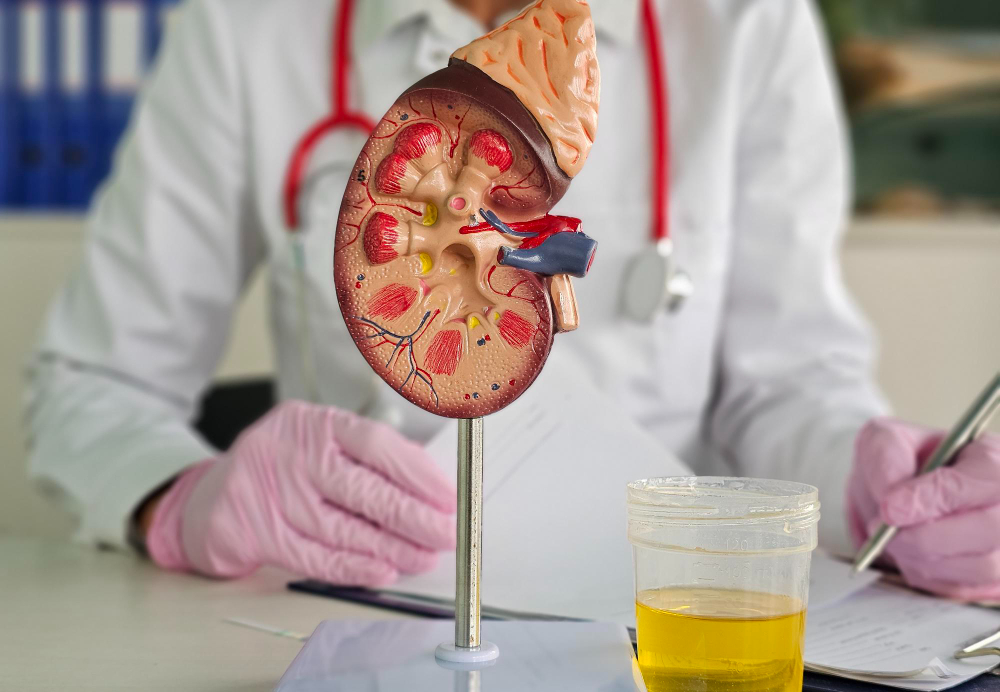
Kidney Stone Treatment in Jaipur
Kidney stones are one of the most common urological problems, causing severe pain and, if left untreated, can damage the kidneys. At Jaipur Hospital, our urology team offers complete diagnosis and treatment for kidney and ureteric stones, from medicine-based management for small stones to advanced laser and laparoscopic procedures for larger or complex stones.
What is Kidney Stone Treatment?
Kidney stone treatment covers the diagnosis and management of stones that form in the kidneys, ureters, or bladder due to a build-up of minerals and salts in the urine. Depending on the size, location, and composition of the stone, treatment can range from increased fluid intake and medication to help the stone pass naturally, to minimally invasive procedures that break down or remove larger stones.
Conditions & Procedures We Offer
- Laparoscopic stone removal
- Percutaneous Nephrolithotomy (PCNL) for large kidney stones
- Ureterorenoscopy (URS) for ureteric stones
- Endoscopic bladder stone removal
- Transurethral stone crushing (lithotripsy)
- Medical management for small stones
Our Approach to Kidney Stone Treatment
When a patient presents with symptoms such as severe flank pain, blood in urine, or recurrent urinary infections, our urologists begin with an ultrasound or CT scan to confirm the size, number, and location of the stones. Small stones that are likely to pass on their own are managed with hydration, pain relief, and medication. For larger or obstructing stones, we recommend minimally invasive procedures such as URS, PCNL, or laparoscopic removal, chosen based on stone size and location to ensure the fastest, safest recovery.
Advanced Technology for Faster Recovery
Our stone management procedures use endoscopic and laser-based techniques wherever possible, which means smaller incisions, less post-operative pain, and a quicker return to daily activities compared to traditional open surgery. Most patients undergoing minimally invasive stone removal are discharged within a day or two.
Recovery After Kidney Stone Treatment
Recovery time depends on the treatment method used. Patients who pass stones with medication typically recover within a few days. Those undergoing endoscopic or laparoscopic stone removal usually resume normal activities within a week, with full recovery in two to three weeks. Our team provides dietary and lifestyle guidance to reduce the risk of stone recurrence.
Why Choose Jaipur Hospital for Kidney Stone Treatment
Jaipur Hospital‘s urology department is equipped with advanced diagnostic imaging and endoscopic surgical facilities for safe, effective management of kidney and ureteric stones. Our experienced urologists tailor treatment to each patient’s stone size, location, and overall health, ensuring the least invasive option is used wherever possible. We are empanelled with Ayushman Bharat, CGHS, ECHS, and major insurance TPAs for cashless treatment of eligible patients.
Need Emergency Assistance?
Have Any Query Regarding our Services, Contact us at the Jaipur Hospital or fix an appointment.
Get in Touch
- Gopalpura Flyover, Mahaveer Nagar, Main Tonk Road, Jaipur – 302018
- +91-7414-001-001
- jaipur.hospital@gmail.com
Need Emergency Assistance?
Have Any Query Regarding our Services, Contact us at the Jaipur Hospital or fix an appointment.
Get in Touch
- Gopalpura Flyover, Mahaveer Nagar, Main Tonk Road, Jaipur – 302018
- +91-7414-001-001
- jaipur.hospital@gmail.com
Department FAQs — Kidney Stone Treatment
1. Can kidney stones be treated without surgery?
Yes. Small stones, typically under 5–6 mm, often pass naturally with increased fluid intake, pain relief medication, and medical therapy. Regular monitoring with ultrasound helps track their progress.
2. When is surgery required for kidney stones?
Surgery or a minimally invasive procedure is recommended when stones are too large to pass naturally, are causing severe pain or blockage, or are associated with infection or worsening kidney function.
3. Is laser stone removal painful?
Laser and endoscopic stone removal procedures are performed under anaesthesia, so patients do not feel pain during the procedure. Mild discomfort afterwards is normal and managed with medication.
4. How can I prevent kidney stones from recurring?
Drinking adequate water, reducing salt and oxalate-rich foods, and following any specific dietary advice based on your stone type can significantly lower the risk of recurrence.
5. How long does it take to recover after kidney stone surgery?
Most patients recover within one to two weeks after minimally invasive stone removal procedures, though this can vary based on the procedure performed and the patient’s overall health.