

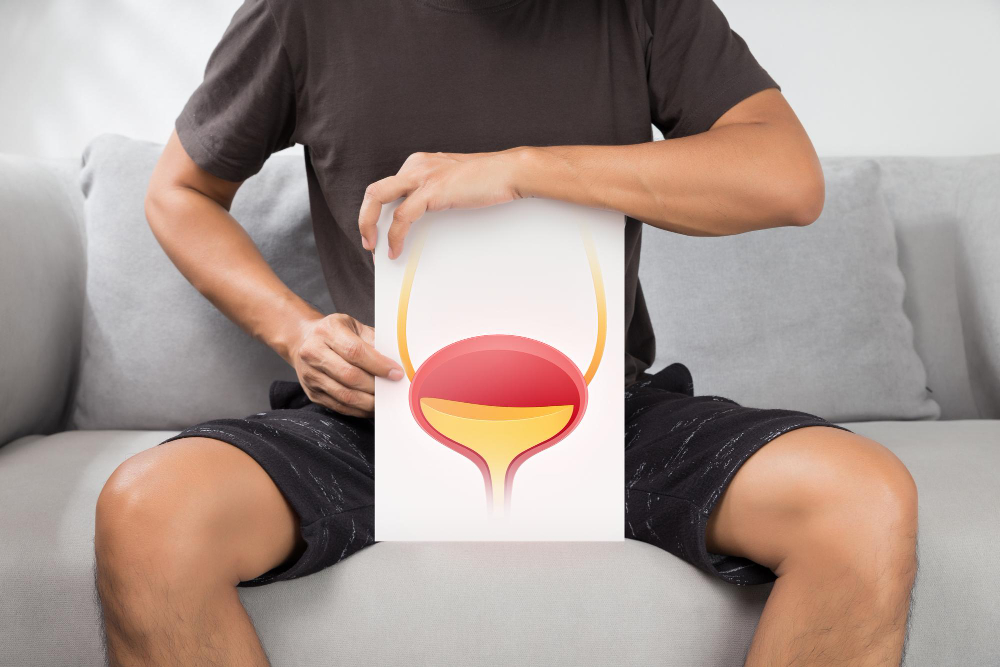
Urinary Retention & Bladder Disorder Treatment in Jaipur
Difficulty emptying the bladder, sudden urges to urinate, or loss of bladder control can significantly affect daily life and may indicate an underlying urinary condition that needs attention. At Jaipur Hospital, our urology team diagnoses and treats a full range of bladder disorders, from acute urinary retention to chronic bladder dysfunction.
What is Urinary Retention & Bladder Disorder Treatment?
This covers the diagnosis and management of conditions that affect the bladder’s ability to store or empty urine normally. This includes acute and chronic urinary retention, bladder outlet obstruction, overactive bladder, and urinary incontinence, all of which can significantly impact a patient’s quality of life if left untreated.
Conditions We Treat
- Acute and chronic urinary retention
- Bladder outlet obstruction
- Overactive bladder (OAB)
- Urinary incontinence (stress, urge, and mixed types)
- Neurogenic bladder
Our Approach to Diagnosis and Treatment
Evaluation begins with a detailed history, physical examination, and tests such as uroflowmetry, ultrasound, and urodynamic studies to understand how well the bladder is filling and emptying. Treatment is tailored to the underlying cause and may include medication to relax or strengthen bladder function, catheterisation for acute retention, or minimally invasive surgical procedures to relieve obstruction.
Managing Acute Urinary Retention
Sudden inability to pass urine is a urological emergency that requires immediate attention. Our team provides prompt catheterisation to relieve retention, followed by evaluation to identify the underlying cause — whether it is an enlarged prostate, a blocked urethra, or another condition — so that definitive treatment can be planned.
Recovery After Treatment
Recovery depends on the underlying condition. Medication-based treatment for overactive bladder or mild incontinence often shows improvement within a few weeks. Patients undergoing surgical correction for obstruction typically notice significant improvement in urinary flow within days of the procedure, with full recovery over the following weeks.
Why Choose Jaipur Hospital for Bladder Disorder Treatment
Our urologists use detailed diagnostic testing to accurately identify the cause of bladder dysfunction rather than treating symptoms alone, allowing for more effective, long-term management. With round-the-clock emergency support, patients experiencing acute urinary retention can receive prompt relief and follow-up care at Jaipur Hospital.
Need Emergency Assistance?
Have Any Query Regarding our Services, Contact us at the Jaipur Hospital or fix an appointment.
Get in Touch
- Gopalpura Flyover, Mahaveer Nagar, Main Tonk Road, Jaipur – 302018
- +91-7414-001-001
- jaipur.hospital@gmail.com
Need Emergency Assistance?
Have Any Query Regarding our Services, Contact us at the Jaipur Hospital or fix an appointment.
Get in Touch
- Gopalpura Flyover, Mahaveer Nagar, Main Tonk Road, Jaipur – 302018
- +91-7414-001-001
- jaipur.hospital@gmail.com
Department FAQs — Urinary Retention & Bladder Disorders
1. What causes sudden inability to urinate?
Acute urinary retention can be caused by an enlarged prostate, urethral blockage, certain medications, nerve-related conditions, or as a complication after surgery. It requires immediate medical attention.
2. What is an overactive bladder?
Overactive bladder is a condition marked by a sudden, frequent urge to urinate, sometimes with urine leakage, even when the bladder isn’t full. It can be managed with medication, lifestyle changes, and bladder training.
3. Is urinary incontinence a normal part of ageing?
While it becomes more common with age, urinary incontinence is not something you have to live with. Effective treatments are available depending on the type and underlying cause.
4. When is a catheter needed for urinary retention?
A catheter is used for immediate relief of acute urinary retention or for patients who are unable to empty their bladder completely due to an underlying condition, until definitive treatment is planned.
5. Can bladder disorders be treated without surgery?
Many bladder disorders, such as overactive bladder or mild incontinence, can be effectively managed with medication, lifestyle changes, and pelvic floor exercises. Surgery is considered when conservative treatment isn’t sufficient.