

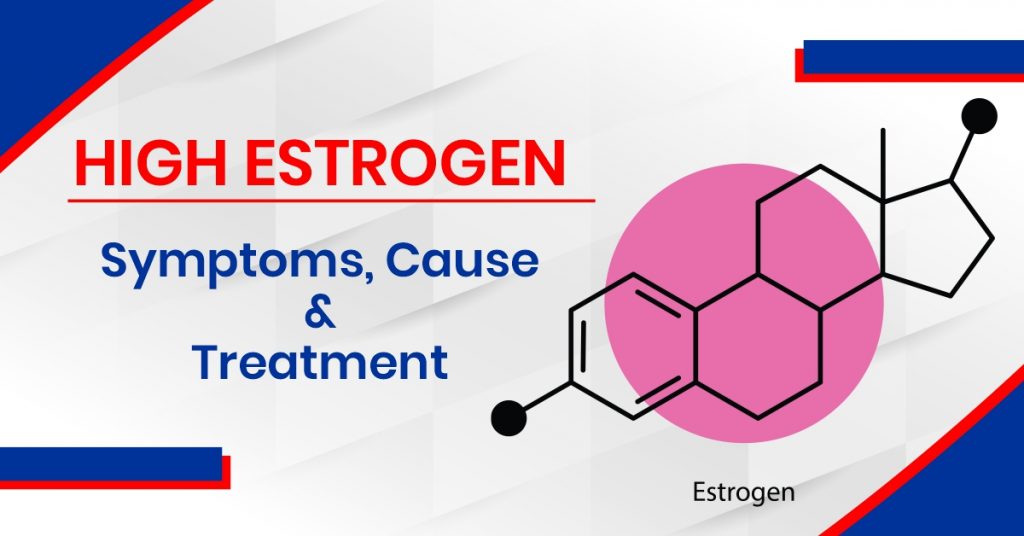
What is High Estrogen?
High estrogen is a hormonal imbalance that occurs when estrogen levels in the body rise above the normal range. Estrogen is an essential hormone responsible for regulating the menstrual cycle, reproductive health, bone strength, and mood. However, when estrogen becomes excessive, it can disrupt normal bodily functions and lead to various health issues. High estrogen levels can affect both women and men, causing symptoms such as irregular periods, weight gain, mood changes, and fatigue. Understanding the causes, symptoms, and effects of high estrogen is important for early detection and proper management of this condition.
Signs and Symptoms of High Estrogen Levels:
High estrogen levels can occur in males and females differently like:
Females: High estrogen levels in females can cause-
- weight gain, especially around the hips and waist
- fibrocystic lumps in the breasts
- heavy or light periods
- low sex drive
- worse PMS than normal
- headaches
- fatigue
- fibroids in the uterus
- low mood or anxiety
- bloating
- hair loss
- disrupted sleep
- headaches
Males: When the amount of estrogen in Males increases, this can cause:
- enlarged breasts, known as gynecomastia
- difficulty getting or maintaining an erection
- infertility
Estrogen and its Types:
Estrogen is one of the essential hormones for both female health and sexual growth, as they maintain bone health, regulates cholesterol levels, and affects mood. In females, they also promote puberty, pregnancy, menstrual cycle, and menopause.
If estrogen levels elevate, then it can affect many body areas like skin, hair, brain, bone, muscles, brain, breast tissue, and reproductive system.
The three types of estrogen include-
- Estradiol: This is a type of estrogen that focuses and is highest in females of childbearing age. Doctors recognize this form of estrogen as a marker for ovary health.
- Estrone: This is the primary type of estrogen noticed in males. It can also be found in females after menopause. The ovaries, testicles, placenta, and fat tissue releases estrogen from androstenedione or androgens.
- Estriol: The placenta releases this type of estrogen, which reaches high levels during pregnancy, due to the amount of estriol increasing as the fetus grows.
You can also read :Aspergillosis: Types, Causes, Symptoms, Diagnosis & Treatment
Causes of High Estrogen:
There are many reasons why estrogen went high, they rise as a result of:
- a high release of estrogen
- changes in how the body breaks estrogen down
- changes in how the body excretes estrogen
In females, estrogen dominance occurs when estrogen became high than the amount of progesterone (female sex hormones) in the body.
The other factors that are responsible for estrogen dominance include-
- Stress
- Obesity
- Dysbiosis
- Alcohol consumption
- Health conditions
- Medications
- Xenoestrogen exposure
Complications of High Estrogen levels:
If a person has high estrogen consistently, then the risk factor includes-
- Breast Cancer
- High Blood Pressure
- Blood Clots
- Hypocalcemia which is low in calcium
High estrogen also worsens conditions like asthma and epilepsy.
Treatment of High Estrogen levels:
High Estrogen Levels treatment depends on the underlying cause. Visiting doctors and taking their advice is necessary to control the risk of high estrogen levels. Doctors may also suggest lifestyle changes to reduce the levels of estrogen. The treatments people can include in their lifestyle include-
- Including an anti-inflammatory or vegetarian diet.
- Eating more soy, flaxseed, and vegetables, such as broccoli and kale.
- Getting more omega-3 fatty acids in the diet or taking a supplement.
- Maintaining a moderate weight.
- Reducing stress.
- Limiting alcohol consumption.
- Avoiding xenoestrogens, such as BPA in plastics.
- Avoid any natural or herbal remedies that may increase estrogen.
- Exercising regularly.
Conclusion
High estrogen is a hormonal imbalance that can impact physical health, emotional well-being, and reproductive function if not addressed in time. Recognising early symptoms and understanding the underlying causes are essential for effective treatment and long-term balance. With proper medical evaluation, lifestyle changes, and personalised treatment plans, estrogen levels can be managed successfully. Consulting experienced specialists at a trusted Jaipur hospital ensures accurate diagnosis, expert guidance, and comprehensive care to restore hormonal health and improve overall quality of life.