

Osteoporosis & Bone Health Treatment in Jaipur
Osteoporosis is often called a silent condition because bones can gradually weaken over years without obvious symptoms, until a minor fall or even routine activity leads to a fracture. At Jaipur Hospital, our orthopaedic team offers osteoporosis evaluation, treatment, and bone health counselling to help patients maintain stronger bones and reduce the risk of fractures as they age.We have a multidisciplinary team of oncologists, nephrologists, radiologists, and anaesthetists who work together to provide holistic treatment to patients. This helps in giving a safe environment to the patients where they can heal.
What is Osteoporosis?
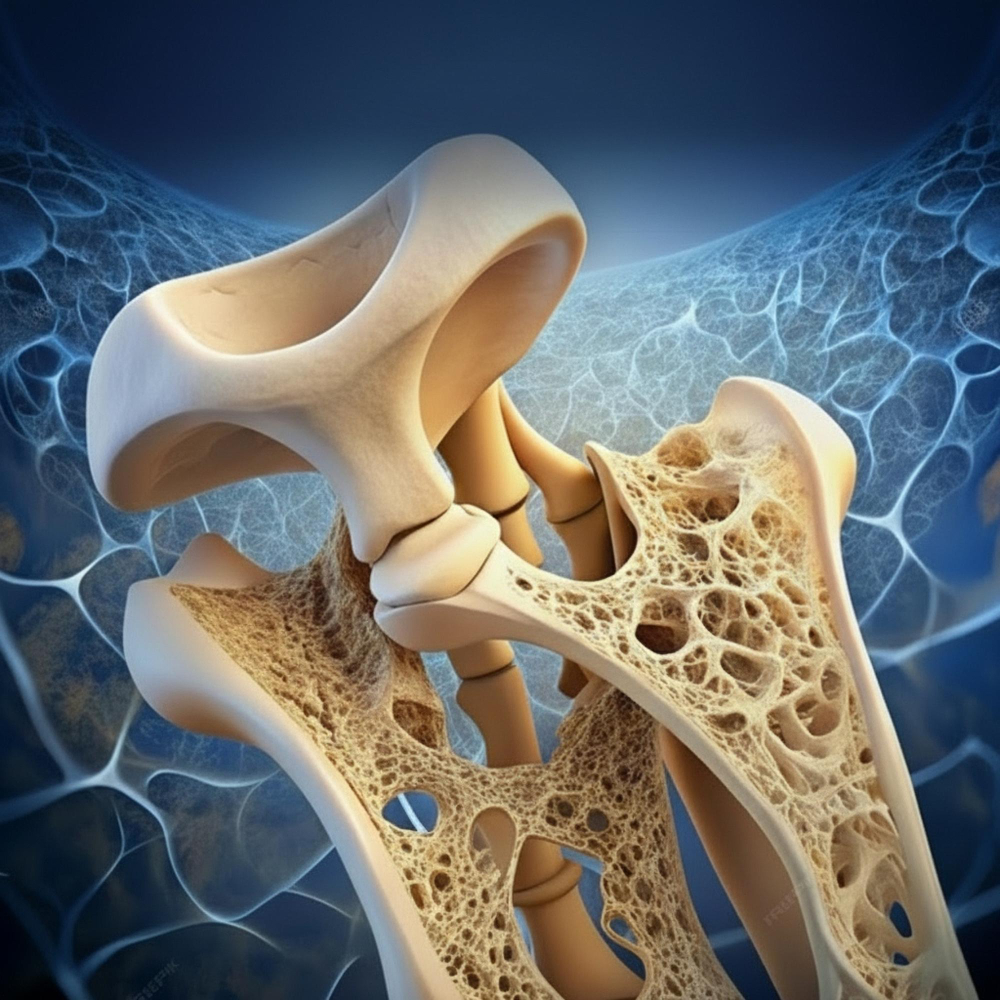
Osteoporosis is a condition in which bones lose density and become weak and brittle, making them more prone to fractures, even from minor falls or, in severe cases, from everyday activities. It is more common in postmenopausal women, but can also affect men and younger individuals with certain risk factors, such as prolonged steroid use, low calcium and vitamin D intake, or a family history of the condition.
Bone Health Conditions We Manage
- Osteoporosis in postmenopausal women and older adults
- Osteopenia (early bone density loss)
- Osteomalacia (softening of bones, often due to vitamin D deficiency)
- Fracture risk assessment in patients with weak bones
- Secondary osteoporosis related to other medical conditions or medications
Risk Factors and Symptoms
Osteoporosis often has no early symptoms, which is why it is frequently diagnosed only after a fracture occurs. Risk factors include increasing age, being postmenopausal, low body weight, smoking, sedentary lifestyle, inadequate calcium and vitamin D intake, long-term steroid use, and a family history of osteoporosis or fractures. Some patients may notice a gradual loss of height or a stooped posture as the condition progresses.
Diagnosis and Evaluation
Osteoporosis is typically diagnosed through a bone mineral density (BMD) test, along with a review of the patient’s medical history and risk factors. Blood tests may also be used to check calcium, vitamin D, and other relevant levels, and to rule out other causes of bone weakness, such as osteomalacia.
Our Approach to Treatment
Treatment for osteoporosis focuses on strengthening bone density, reducing fracture risk, and managing any existing fractures. This typically includes calcium and vitamin D supplementation, medications that help slow bone loss or support bone formation when indicated, weight-bearing exercises to strengthen bone and muscle, and fall-prevention guidance for older adults. For patients who have already suffered a fracture due to weak bones, our orthopaedic team also manages the fracture treatment alongside addressing the underlying bone health issue.
Bone Health Counselling
Alongside medical treatment, we provide practical bone health counselling covering diet, safe exercise, lifestyle modifications, and fall-prevention strategies at home, particularly important for older patients at higher risk of fractures.
Why Choose Jaipur Hospital for Osteoporosis Care
Jaipur Hospital’s orthopaedic department offers comprehensive osteoporosis evaluation and treatment, combining medical management with practical bone health guidance. Our team also manages fracture cases resulting from weak bones, providing coordinated care in one place. We are empanelled under Ayushman Bharat, CGHS, ECHS, and multiple insurance TPAs for cashless treatment.
If you are at risk of osteoporosis or have concerns about your bone health, consult our orthopaedic specialists at Jaipur Hospital for evaluation and a personalised bone health plan.
Need Emergency Assistance?
Have Any Query Regarding our Services, Contact us at the Jaipur Hospital or fix an appointment.
Get in Touch
- Gopalpura Flyover, Mahaveer Nagar, Main Tonk Road, Jaipur – 302018
- +91-7414-001-001
- jaipur.hospital@gmail.com
Need Emergency Assistance?
Have Any Query Regarding our Services, Contact us at the Jaipur Hospital or fix an appointment.
Get in Touch
- Gopalpura Flyover, Mahaveer Nagar, Main Tonk Road, Jaipur – 302018
- +91-7414-001-001
- jaipur.hospital@gmail.com
Department FAQs - Osteoporosis & Bone Health
1. Who is at higher risk of osteoporosis?
Postmenopausal women, older adults, people with a family history of osteoporosis, those with low calcium and vitamin D intake, smokers, and individuals on long-term steroid medication are generally at higher risk of developing osteoporosis.
2. How is osteoporosis diagnosed?
Osteoporosis is usually diagnosed through a bone mineral density (BMD) test, which measures bone strength, along with a review of medical history, risk factors, and sometimes blood tests to check calcium and vitamin D levels.
3. Can osteoporosis be reversed?
Osteoporosis cannot always be completely reversed, but with appropriate treatment, including medication, calcium and vitamin D supplementation, and weight-bearing exercise, bone density loss can often be slowed and fracture risk significantly reduced.
4. What foods help improve bone health?
Foods rich in calcium, such as dairy products, leafy greens, and fortified foods, along with adequate vitamin D from sunlight exposure or supplements, support bone health. Your doctor can advise on specific dietary and supplement needs.
5. Is exercise safe for people with osteoporosis?
Yes, weight-bearing and muscle-strengthening exercises are generally recommended for people with osteoporosis, as they help maintain bone density and improve balance, which reduces fall risk. However, high-impact or high-risk activities may need to be avoided, based on your doctor’s advice.