
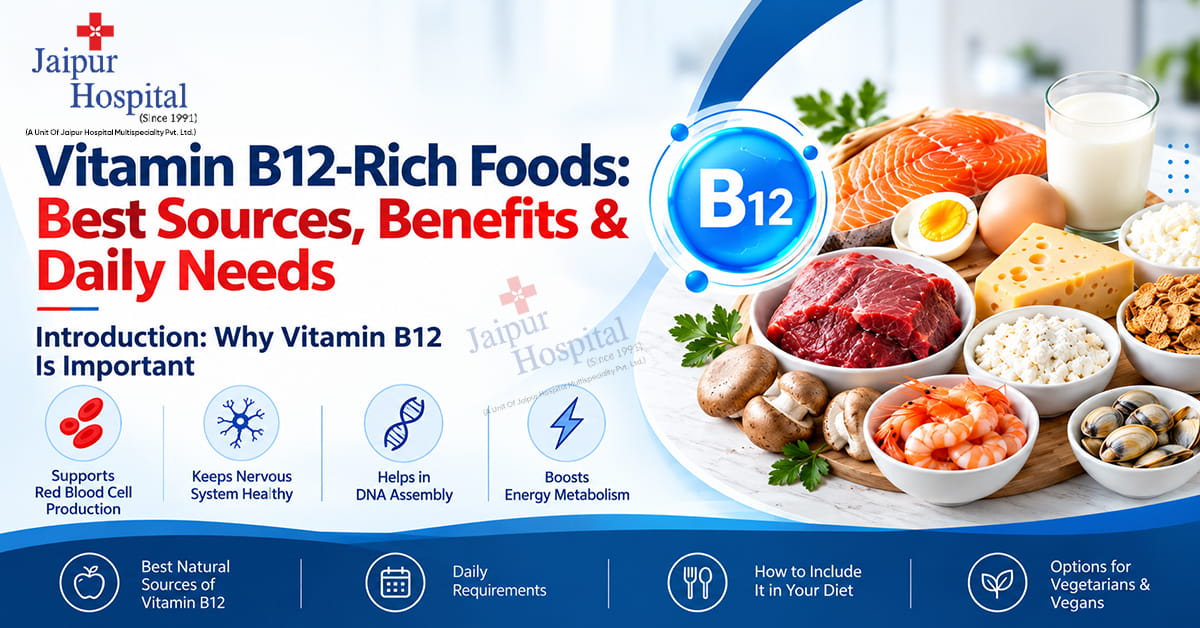
Vitamin B12 is a vital element that is needed for the proper functioning of human red blood cells, nerves, DNA assembly, and energy metabolism. Since vitamin B12 cannot be produced in the human body, it is important to get enough of it either from foods or supplements.
So what foods are considered to be the best vitamin B12 sources and how can one easily include them in their diet? Most naturally occurring sources are of animal origin but there are some fortified foods that are suitable for vegetarians and vegans.
What Is Vitamin B12?
Vitamin B12, also known as cobalamin, is a water-soluble vitamin that is crucial to the many processes occurring in the body. It works together with folate in the process of producing red blood cells and is an important component for keeping the nervous system healthy.
Daily Vitamin B12 Requirements
What is the required daily amount of vitamin B12? The amount of vitamin B12 that people need varies depending on factors such as the person’s gender and age. Each group of people has slightly different needs in terms of their vitamin B12 intake.
Pregnant and breastfeeding women need to take more of this vitamin than do others. Children’s requirements also vary according to their age.
You can also read:- Peptic Ulcer Diet: Foods to Eat, Foods to Avoid, and Recovery Tips
Best Natural Sources of Vitamin B12
- Which foods are high in vitamin B12? There are many foods rich in vitamin B12, such as:
- Clams and other seafood – the richest source of vitamin B12
- Liver – the richest source of vitamin B12, but should be consumed in moderate amounts
- Fish – sardines, tuna and salmon are the best fish
- Meat – both beef and other types of meat
- Eggs – easily available and natural, but contain less vitamin B12 than other foods.
- Milk and dairy products – milk, yogurt and cheese are all good sources of vitamin B12
Vitamin B12-Rich Foods for Vegetarians
What are the most suitable vitamin B12 sources for individuals on vegetarian diets? Due to the unavailability of meat and seafood in vegetarian diets, products like dairy and eggs can offer reliable vitamin B12 sources.
There are several dairy products like milk, yogurt, cheese, and eggs that are rich in vitamin B12 depending on the quantity consumed. Fortified cereals, nutritional yeast, and other fortified foods can also provide vitamin B12.
If you avoid eating dairy and eggs, consult your doctor about the necessity of using fortified foods or vitamin B12 supplements.
You can also read:- Black Blood During Periods: Causes, When to Worry, and When It’s Normal
Sources of vitamin B12 for people on vegan diets
People who follow vegan diets might find it very difficult to get adequate quantities of vitamin B12 naturally, as in general, unfortified plant-based foods do not contain reliable amounts of functional vitamin B12.
B12-fortified foods should be consumed in vegans’ diets such as fortified bits of plant milk, fortified breakfast cereals, and nutritional yeast etc. Depending on the particularities of the case, vitamin B12 supplements might also be prescribed.
It is worth mentioning that eating more vegetables, fruits, nuts, and beans will not guarantee that vitamin B12 is supplied in sufficient quantities.
Health Benefits of Vitamin B12
The importance of vitamin B12 to your health
Vitamin B12 plays a vital role in:
- Production of red blood cells efficiently
- Functioning of nerves properly
- Making DNA
- Normal metabolism of energy
- Neurological functioning
It is important to note that vitamin B12 does not behave like a stimulant and does not increase energy levels without necessitating its usage by the people who already have enough amount of B12. However, correcting the deficiency gets rid of symptoms like fatigue and weakness.
Pointer indications of lack of vitamin B12 in the body
What are the consequences of having deficiency of vitamin B12?
Possible symptoms may include:
- Always feeling tired
- Pale skin
- Having difficulty breathing
- Having headaches
- Feeling dizzy
- Feeling tingling or numbness in the hands and feet
- Problems with balance
- Problems with memory or concentration
- Having a sore or swollen tongue
- Some symptoms of the above conditions of the nervous system may be severe if vitamin B12 deficiency is not dealt with timely.
Who Is at Risk of Vitamin B12 Deficiency?
Some groups of people are more prone to low B12 levels than others, such as strict vegans, the elderly, people who have conditions affecting absorption of nutrients in the gut, and people who have had certain digestive operations.
Long-term use of certain medications can also affect the absorption of vitamin B12 in the gut. If you have any of these risk factors or symptoms, a doctor may perform a blood test.
How to Include Vitamin B12 in the Diet
How to naturally improve vitamin B12 levels?
To do this, you can include good sources of B12 in everyday meals. After breakfast, such as eggs and dairy, meat or fish for lunch or dinner, and fortified food if necessary.
If you are vegetarian or vegan, make sure to check food labels to see whether they are fortified with vitamin B12 instead of assuming that a plant-based food contains B12.
A varied diet is usually more beneficial than sticking to a single “superfood.”
Vitamin B12 Foods vs Supplements
Can people get enough vitamin B12 from food? The answer is yes for many. If they consume foods that are rich in vitamin B12 regularly, they can get all of the B12 that they need.
However, supplements may help people who need more vitamin B12 than their diet provides or who have problems with absorption. Supplements should be used as needed instead of replacing a healthy diet.
Can You Have Too Much Vitamin B12?
Vitamin B12 is not known to be toxic because it is water soluble and excess amounts are usually excreted by the body. No upper limit for intake has been set for vitamin B12.
Nevertheless, taking large doses of vitamin B12 supplements unnecessarily is not helpful. If you think that you need more vitamin B12, discuss testing and treatment with a healthcare provider.
When to See a Doctor
When is it advisable to consult a healthcare professional regarding vitamin B12?
Consult a doctor when experiencing symptoms such as chronic fatigue, weakness, numbness, tingling, balance issues, and other symptoms that can indicate deficiency. People with restrictive diets and those who have medical conditions that hinder the body’s ability to absorb nutrients should also talk to their doctors about how much vitamin B12 they need to take.
A healthcare expert can evaluate the symptoms, diets, history, and blood work and will be able to understand whether you need to change your diet or take supplements.
Conclusion
It is essential to consume various foods rich in vitamin B12 to be healthy and ensure that blood cells, nerves, and overall health are working correctly. Meat, fish, eggs, and dairy products are good sources of B12; if you don’t eat these foods because you are vegetarian or vegan, you can also take fortified food products and supplements to obtain vitamin B12.
At Jaipur Hospital, health practitioners can analyze the symptoms of your nutritional deficiency and suggest the required testing and treatment. The healthcare services at Jaipur Hospital can help patients with dietary habits, nutritional deficiency, and other problems in the form of the necessary medical assessment and specialized care they need.
Frequently Asked Questions
Q.1 Which dietary items are richest in vitamin B12?
Ans. Some of the richest natural sources of vitamin B12 include shellfish, liver, various types of fish, meats, eggs as well as dairy products. Fortified products are an excellent alternative to those who do not consume animal products.
Q.2 Which foods that contain high levels of vitamin B12 can vegetarians consume?
Ans. Vegetarian foods with good sources of vitamin B12 include dairy products such as milk, yogurt, cheese, and eggs. Furthermore, other fortified food like cereals are great sources.
Q.3 Is it possible to get sufficient vitamin B12 from dietary sources?
Ans. Yes, but one should be cautious. However, vegans and those having trouble absorbing vitamin B12 might have to consider consuming fortified products.
Q.4 What is the average daily requirement for vitamin B12?
Ans. Most adults require about 2.4 micrograms of B12 on a daily basis. Higher intake is recommended during pregnancy and breastfeeding.
Q.5 What does vitamin B12 deficiency look like?
Ans. Common symptoms of vitamin B12 deficiency are fatigue, weakness, pale complexion, numbness or tingling, balance problems, troubles concentrating or remembering things.