

Introduction
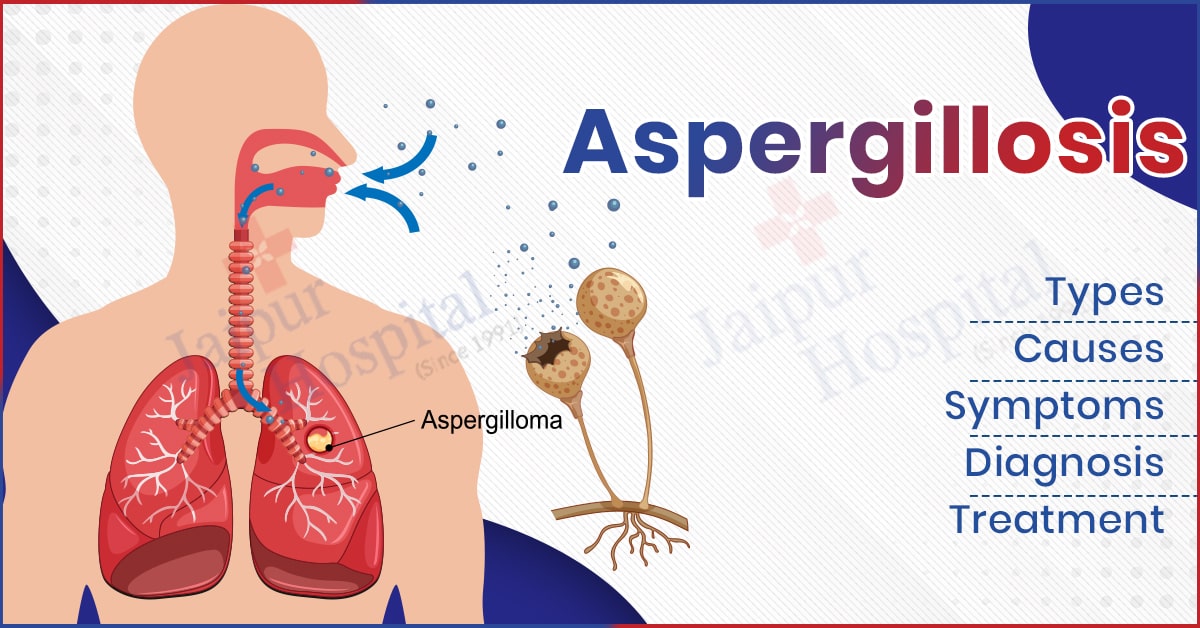
Aspergillosis, a disease resulting from a fungus, is an ailment that occurs primarily due to the Aspergillus genus and that can be found commonly in the earth, plants, dust, and indoors. Commonly, a person inhales Aspergillus spores every day without getting sick, but people suffering from an illness that lowers their immunity or from lung diseases are very likely to get it.
At first, the infection concerns the lungs, but later, in case it is really severe, the infection can attack other organs. It is really important to have knowledge of the disease’s causes, symptoms, diagnosis, and treatment, as this will lead to early detection and the prevention of complications.
What is Aspergillosis?
Aspergillosis is a general term for the different infections caused by the different Aspergillus fungi. The most common strain of the fungi is Aspergillus fumigatus. The infections can be mild, like allergic reactions or even life-threatening invasive diseases. Since the disease mainly affects the lungs, it is treated by a pulmonologist.
Fungal spores that enter the air passages normally get killed by the immune system of a healthy person. But people with poor immunity, lung diseases, on cancer treatment, or have had organ transplants, might develop infections due to uncontrolled growth of the fungi.
What Are the Types of Aspergillosis?
Aspergillosis manifests in several ways with different levels of severity and most commonly impacts the lungs:
- Allergic Bronchopulmonary Aspergillosis (ABPA): In asthmatic or cystic fibrosis patients, ABPA causes airway inflammation and hypersensitivity, and its symptoms include wheezing and coughing.
- Chronic Pulmonary Aspergillosis (CPA): It is a long-term infection primarily seen in patients with TB, COPD, or sarcoidosis, which can lead to lung destruction and the formation of fungal balls (aspergillomas).
- Invasive Aspergillosis: This is the deadliest kind of aspergillosis that affects individuals whose immunity has been severely compromised; this form of infection can quickly spread to the brain, heart, or kidneys.
- Aspergilloma (Fungal Ball): A mass that consists of fungus and mucus in the lung cavities forming the cough, discomfort in the chest, and in rare cases, bleeding.
- Cutaneous Aspergillosis: A skin infection that is usually a rare one that can happen through cuts or might occur as a result of developing the systemic fungal infection.
You Can Read Also: Stomach Cancer: Causes, Symptoms, Prevention & Effective Treatments
What Causes Aspergillosis?
Aspergillis is usually transmited via inhilation. However, a number of things can cause an increased risk for an individual.
- Fungal Source: Aspergillus fumigatus is a fungus that thrives in warm locations, such as compost piles or dying plants.
- Immunity Loss: The most severe risk factor for developing meelitis is the Loss of Immunity through having had cancer or HIV, or receiveing an organ transplant.
- Pre-existing Lung Conditions: You also have greater probability of getting meels from previous LungDisorders
- Vocational Exposure: Other things that may contribute would be physical location, such as agriculture, gardening, or construction which create greater opputunities for exposure to dust and mold.
- Hospital-Related Exposure: Finally, the indiviual patient will have little to no chance of getting the fungal infection while in the hospital due to their immunocompromised status but it is possible for them to contract it during a surgical procedure due to the introduction of contaminants during the procedure.
What Are the Common Symptoms of Aspergillosis?
Different types of diseases will have their own symptoms, but most cases will show, at least, the following signs related to respiratory tract infections:
- Respiratory Disorders: A long-term cough, difficulty breathing, and wheezing; these are the main respiratory symptoms.
- Chest Pain: It results from the inflammation of lung tissue or the presence of a fungal mass (abscess) in the lungs.
- Coughing Up Blood: A serious problem in the case of an aspergilloma where it may, at times, be very heavy.
- Fever and Fatigue: They are frequent symptoms of invasive infections, accompanied by chills and general weakness.
- Sinus Symptoms: Nasal obstruction, pain in the face, and headache if the sinuses are affected.
- Weight Loss and Night Sweats: These are more characteristic of longstanding infections.
You Can Read Also: Bladder Cyst: Causes, Symptoms, Diagnosis & Treatment
How is Aspergillosis Diagnosed?
Diagnosis is formed upon the combination of a patient’s medical history, X-ray, CT scan, and laboratory results:
- X-ray/CT Imaging: Can show the presence of lung cavities, nodules, or fungal balls.
- Blood Test: Galactomannan and beta-D-glucan tests can be taken as a support for the diagnosis of an invasive infection.
- Sputum Examination: Fungal culture or microscopy can identify Aspergillus species.
- Tissue Biopsy: This is performed when imaging or lab results cannot indicate the infection.
- Allergy Testing: Can determine a case of ABPA by proving susceptibility to Aspergillus.
How is Aspergillosis Treated?
The treatment plan for an aspergillosis case will be influenced by what type of aspergillosis caused the infection and how severe the case of aspergillosis is.
- Antifungals Voriconazole, Itraconazole, and Amphotericin B are effective antifungal medications used to control fungal growth.
- Corticosteroids can help reduce airway inflammation in cases of allergic aspergillosis.
- Surgery may be necessary when there are large aspergillomas or other fungal masses that cannot be adequately managed with medication.
- Supportive Immunotherapy – when patients with aspergillosis require an adjustment to their immunosuppressive treatments in order to expedite their recovery.
- Oxygen Therapy is recommended for patients who have advanced lung disease or significant difficulty with breathing.
Home Care Tips for Aspergillosis Recovery
Treatment Response Improvement and Prevention of Recurrence with Lifestyle Medications
- Prioritize Hygiene and Limit Your Exposure to Dirty Eyes, Wet Environments, and Mold
- Maintain Good Immune Function by Eating Healthily, Being Moderately Active, and Getting Enough Rest
- Avoid all Exposure to Moldy Areas – Compost, Stored Grains, and Inoculated Soil.
- Get an HEPA Filter Air Purifier – They Remove Mold Outdoors and Provide Clear Air Quality Indoors and Through Your Heating System.
- Make Appointments with Your Doctor as Needed for Standard follow-up, Imaging, and Blood Monitoring for Recovery Evaluation.
Can Aspergillus cause Lung Damage?
No doubt, if one suffers from aspergillosis for a long time or does not get treated, severe lung damage can occur in the form of cavities, scarring, or even irreversible respiratory impairment. Therefore, timely detection and uninterrupted antifungal treatment are the necessary measures to avoid complications.
Conclusion
Aspergillosis is a serious infection caused by a fungus that usually affects your lungs but can also spread to other organs when not treated properly. Early diagnosis, treatment with antifungal drugs, and making certain lifestyle changes will all help someone with this condition recover and avoid becoming infected again.
If an individual’s immunity is compromised or they have an existing lung disease, then he or she must pay close attention to symptoms and seek medical attention right away. At Jaipur Hospital, we have a fully equipped facility with specialists trained in pulmonology who can properly diagnose and manage cases of Aspergillosis and all other disorders of the respiratory system.
FAQs
Q1. Is aspergillosis contagious?
Ans. No, aspergillosis does not spread from person to person. It develops after inhaling spores from the environment.
Q2. Can aspergillosis return after treatment?
Ans. Yes, recurrence is possible, especially in people with chronic lung disease or impaired immunity. Regular monitoring reduces relapse risk.
Q3. Which department treats aspergillosis?
Ans. Treatment is usually managed by the Pulmonology and Infectious Diseases departments.