

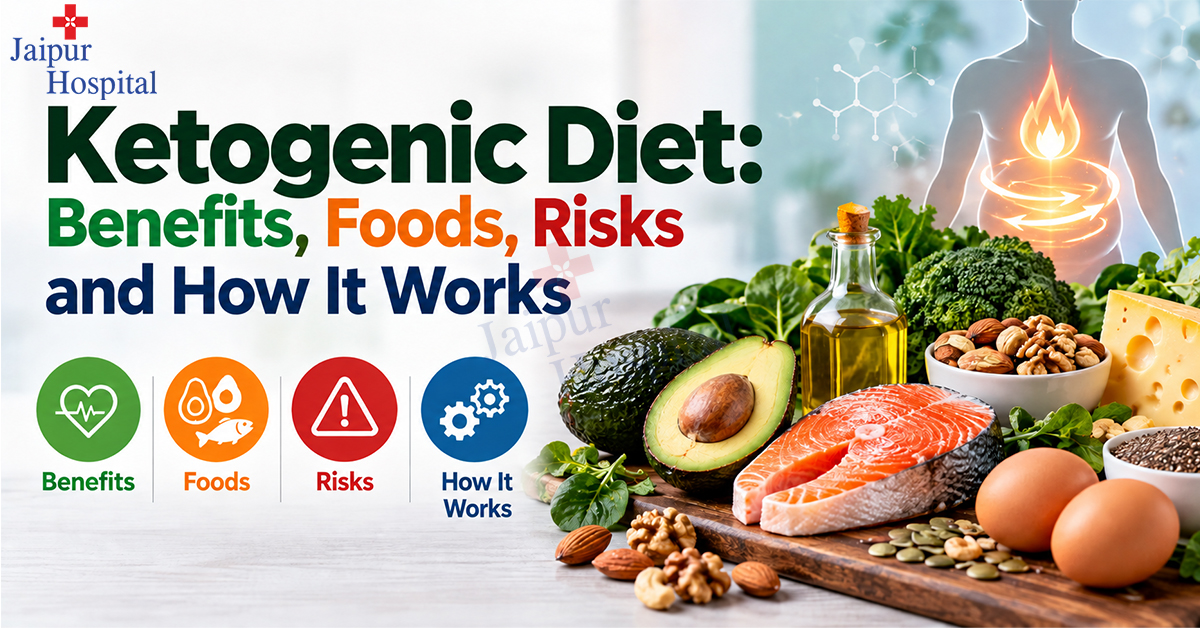
The ketogenic diet, which can be colloquially referred to as the keto diet, is characterized by low carbohydrate and high fat meal plan which alters the body’s energy production methods. The diet has been researched in relation to weight control, blood viscosity and different health conditions, especially epilepsy.
The following material will describe how ketogenic diet functions, the types of food that can be consumed, its advantages, side effects and risks, categories of individuals who should not apply keto diet and the ways to start it safely.
Ketogenic Diet Definition
Definition: The ketogenic diet is a meal plan which drastically reduces the level of carbohydrates consumed and provides most calories from fats based on moderate protein.
The keto diet works differently from traditional diets as it reduces the level of carbohydrates in the diet to the extent when the body uses the fat being accumulated and consumed for energy. A strict ketogenic diet is estimated to involve around 20 – 50 grams of carbohydrates daily but the exact number may vary from person to person and according to the type of keto diet used.
How Does the Ketogenic Diet Work?
Change in energy: When carbohydrate consumption drops significantly, the level of glucose in the organism decreases and fat starts to transform into ketones in the liver.
The brain and other organs can use ketones as substitutes for energy.
The main steps involved in this process are:
- Reduction in consumption of carbohydrates: Not enough glucose is received with food.
- Increase in utilization of fat: The organism starts using fat to produce energy.
- Production of ketones: The organism produces ketones from fatty acids in the liver.
- The state of ketosis: The organism’s blood contains enough ketones to signify that it has already switched to the use of ketones.
You can read also:- Black Blood During Periods: Causes, When to Worry, and When It’s Normal
What Is Ketosis?
Ketosis occurs when the body begins to produce and use more ketones due to low carbohydrate amounts.
Nutritional ketosis should not be confused with diabetic ketoacidosis, which is a potentially life-threatening condition that occurs when the body does not produce enough insulin especially among diabetics.
The ketogenic diet can be used as a treatment for some types of epilepsy as this medically controlled therapy can lead to fewer seizures in some individuals.
What Are the Benefits of the Ketogenic Diet?
Possible advantages: Various studies indicate that the ketogenic diet as well as other low-carb diets can have many advantages, although the results will vary according to the individual and the quality of the diet.
Managing weight: Due to various studies, it has been established that the ketogenic diet can help people who are overweight or obese lose weight. Thus, according to a recent systematic review, a little extra amount of weight is lost when compared to a higher-carb diet taken under the same energy conditions.
Control of blood glucose: The consumption of fewer carbs leads to a decrease in blood glucose levels. However, diabetes medications may need to be evaluated.
Reduced hunger: Therefore, many people prefer having a ketogenic diet high in fats and moderate in protein as it can alleviate hunger and assist in losing weight.
Epilepsy management: The therapeutic ketogenic diet has proven to be effective in managing some types of epilepsy.
Changes in body composition: The literature indicates that when using the ketogenic diets, a reduction in body weight, body mass index, and percentage of body fat can be achieved.
You can read also:- Vitamin B12-Rich Foods: Best Sources, Benefits & Daily Needs
What Foods Can You Eat on a Keto Diet?
Foods that are appropriate for ketogenic diets: You should concentrate on nutritious foods in a carefully planned ketogenic diet instead of giving priority to processed meats, butter, and prepackaged keto items.
Some popular foods on the ketogenic diet:
- Eggs
- Fish and seafood
- Poultry and unprocessed meats
- Paneer and some dairy products
- Avocado
- Nuts and seeds
- Olive oil and unsaturated fats
- Non-starchy vegetables like spinach, cucumber, cauliflower, broccoli, and zucchini
- Few selected berries
What Should You Stay Away from When Following a Keto Diet?
Foods to limit: As a rule, you should avoid foods rich in carbohydrates while on a keto diet.
- Some foods to limit:
- Sugar and sweets
- Soft drinks
- Bakery products
- Rice
- Pasta
- Potatoes and starchy vegetables
- Grains and cereals
- Sweet sauces
- Many packaged snacks
- Large amounts of high-sugar fruits
Even though some of the foods are regarded as low in carbs, they may still be harmful if they are too processed or have too much saturated fat, salt, or calories.
Can the Keto Diet Help With Weight Loss?
Weight reduction: The ketogenic plan is effective for reducing weight as far as it can help generate a long-term caloric deficit.
It’s worth mentioning that even limited carbohydrate consumption doesn’t allow free caloric consumption without influencing the weight. Now it is believed that ketogenic diets allow achieving a slightly larger weight loss than other high-carb diets and similar energy conditions may apply.
For weight loss to be maintained, calorie intake, protein consumption, physical activity, sleep, and prolonged compliance with the diet matter.
What Are the Side Effects and Risks of the Keto Diet?
Typical side effects: The quick withdrawal of carbohydrate intake can bring about side effects, specifically in the initial few days or weeks.
Possible negative effects of the ketogenic diet include:
- Headache
- Fatigue
- Dizziness
- Constipation
- Muscle cramps
- Halitosis
- Nausea
- Dehydration
- Electrolyte imbalance
More stringent low carbohydrate regimes may also result to depletion of nutrients if fruits, grains, beans and alternative food types are eliminated without the necessary substitutes.
Diabetic patients need to exercise caution because carbohydrate cutting can contribute to blood sugar drop when used in tandem with certain drugs, while lack of proper insulin can trigger the problem of diabetic ketoacidosis.
Who Should Avoid the Ketogenic Diet?
Medical caution: Keto isn’t suitable for everyone, especially without medical advice.
Women who are pregnant or breastfeeding, have serious kidney or liver disease, type 1 diabetes, some heart problems, gout or gallstones, or other complicated medical issues need to discuss the diet with the doctor prior to trying it. Certain medically supervised ketogenic programs specify that keto may not be appropriate in these cases.
The same goes for anyone using medication for diabetes, high blood pressure or other chronic diseases; they also need to see their doctor before making the change in their diet.
What Are the Best Tips for Starting a Keto Diet Safely?
Be cautious: Before you switch to the keto diet plan, don’t rely solely on what you find in an online meal-prep website.
- Choose whole foods: Whole foods mean lots of fruits and vegetables, healthy proteins, nuts and seeds, fish, and healthy fats.
- Keep track of hydration: Drink plenty of fluid. Seek the advice of a medical expert for electrolytes when necessary.
- Get enough proteins: Proteins play an important role in muscle retention even in weight loss.
- Include low-carb vegetables: This helps provide fibre, vitamins, and minerals.
- Be careful with the portions: High-fat foods have a high number of calories, so large portions can impede the process of losing weight.
- Think about getting medical help: If you suffer from chronic illness or take medications, consult your doctor about keto diet.
- Concentrate on consistency: The best diet plan should be the one you can stick to for a long time.
How Long Should You Follow a Ketogenic Diet?
Duration: There isn’t a universal ideal duration for all individuals because individuals use ketogenic diets for varying lengths of time. There are those who choose ketogenic diets for the sake of maintaining their weight, while there are those whose use of therapeutic ketogenic diets in specific conditions like epilepsy will require them to get medical supervision. In general, it is advisable that the most appropriate times of eating involve balanced diet and can be done safely.
Conclusion
The ketogenic diet might be beneficial for certain individuals, as long as it is carefully structured. The advantages include weight loss benefits and control of blood sugar levels, as well as clinically recognized therapeutic benefits for particular types of epilepsy. However, the keto diet is rather restrictive and may lead to negative side effects or complications among some individuals.
Before starting on a strict keto program, think about consulting your goals, medical background, medications, and nutritional needs with a qualified physician or registered dietitian. Jaipur Hospital located in Gopalpura Flyover Main Tonk Road, Jaipur, is well recognized for its dietetic services.
Frequently Asked Questions
1. What does the ketogenic diet mean and how is it performed?
Ans. A ketogenic diet means eating a low carbohydrate and high fat diet. It enables the body to break down fats for fuel in order to produce keto bodies.
2. What foods are allowed in the ketogenic diet?
Ans. Keto food usually consists of eggs, fish, chicken, paneer, nuts, seeds, avocados, healthy oils, and non-starchy vegetables such as spinach, cauliflower, broccoli, and cucumber.
3. Can a ketogenic diet help someone to lose weight?
Ans. Yes, it can help some individuals achieve weight loss if their calorie intake is decreased. Some studies have shown that the ketogenic diet can lead to some weight loss but it is difficult to define whether it is effective over other means of weight loss.
4. What are the usual effects of a keto diet?
Ans. The most frequent part of the symptoms can be headache, tiredness, dizziness, constipation, cramping of muscles, nausea, dehydration and changes of electrolytes, especially the moment when the intake of carbohydrates is lowered rapidly.
5. Is keto diet OK for any person?
Ans. No. It is necessary for every person suffering from particular diseases and those who is pregnant or nursing to contact the doctor in order to get the professional advice of having a keto diet.