

Anaesthesia and Critical Care · Jaipur Hospital
Emergency and Casualty Services in Jaipur
Sudden illness or injury needs fast assessment and a clear plan, not a wait.
- Serving Jaipur since 1991 (35 years)
- NABH accredited
- 24×7 emergency & ICU
- Cashless: RGHS, MAA Yojana, CGHS + 22 insurers
- Treatment length
- Variable per acuity
- Anaesthesia
- As required for procedures
- Recovery
- Discharge, admission, or transfer based on condition
- Price
- ₹1,500 to ₹50,000+ per visittypical range in India; ask us for an estimate
When minutes matter most
You do not know how serious it is or where to go
Chest pain, sudden weakness, breathing trouble or a bad injury can strike any time. The fear of delay, unclear costs and not knowing which facility has the right team adds to the panic.
-
Uncertain severity
You cannot tell if it is a heart attack, stroke or something less urgent.
-
Fear of delay
Long queues or missing specialists can waste critical time.
-
Cost confusion
No clear idea of what emergency care will cost before you commit.
-
Transfer hassles
Being moved between hospitals because the first one lacks ICU or cath lab.
Crowding in emergency departments occurs from high patient volume, delays in assessment, or slow discharge and transfer processes.
Why Jaipur Hospital
You worry that the next hour will decide the outcome and you have no control over the wait or the bill.
Your care plan
Your first steps with us
- 1 Call ambulance or arrive at emergency entrance
- 2 Rapid triage and stabilisation by trained team
- 3 Targeted tests and specialist review within minutes
- 4 Admission, observation or safe discharge with follow-up plan
How emergency care is organised
A triage nurse grades urgency. The team follows ATLS and ACLS protocols for trauma, cardiac, stroke and sepsis pathways. Your surgeon or physician decides on imaging, intervention or observation based on findings.
-
Triage and Resuscitation
ATLS and ACLS protocols guide rapid assessment, airway management and haemodynamic support.
-
Trauma Evaluation
FAST scan, CT pan-scan and damage control surgery for severe injuries.
-
Stroke and STEMI Pathways
Thrombolysis, mechanical thrombectomy or primary PCI for eligible patients.
-
Sepsis and Shock Management
Early goal-directed therapy with fluids, vasopressors and source control.
Why patients trust us
- 1991 Serving Jaipur for 35 years
- NABH Accredited hospital
- 1 Anaesthesia and Critical Care consultants
- 24×7 Emergency, ICU and ambulance
- 25 Cashless schemes and insurers
What research shows about emergency pathways
-
29.7% return of spontaneous circulation
Pooled incidence of ROSC among out-of-hospital cardiac arrest patients who received CPR.
-
10.7% one-month survival
Pooled 1-month survival rate among out-of-hospital cardiac arrest patients who received CPR.
-
7.7% one-year survival
Pooled 1-year survival rate among out-of-hospital cardiac arrest patients who received CPR.
If it is left untreated
Delay in treating heart attack, stroke, major trauma or sepsis raises the risk of death or long-term disability. Early recognition and protocol-based care improve the chance of a meaningful recovery.
Life after the emergency
Most people who receive timely emergency care stabilise and move to a ward or home with a clear follow-up plan.
-
Clear diagnosis
You leave knowing what happened and what caused it.
-
Treatment started
Medicines, procedures or surgery have begun before you leave the emergency area.
-
Follow-up arranged
OPD appointments, investigations and medication plan are set before discharge.
-
Attendant informed
Your family member gets a written summary and knows the warning signs to watch for.
Frequently asked questions
Questions patients ask about emergency and casualty services
Which problems are assessed under emergency and casualty services?
In short
Emergency and casualty services assess sudden severe trauma, chest pain, stroke symptoms, shock, and critical breathing problems. Jaipur Hospital maintains a dedicated casualty unit ready at all hours. Our medical team immediately evaluates acute injuries, suspected cardiac events, and acute infections that place bodily organs at immediate risk.
In detail
Evaluation in casualty follows structured emergency protocols such as advanced trauma life support and cardiac life support. Clinical pathways address severe medical events including STEMI heart attacks, stroke, sepsis, and physical trauma.
Sepsis and shock management protocols focus on early goal-directed resuscitation and vasopressor support to maintain circulation. Trauma assessments may incorporate rapid ultrasound scans such as FAST scans, comprehensive CT pan-scans, or emergency damage control surgery if severe internal haemorrhage occurs.
In medical studies, having dedicated clinical pathways ensures rapid clinical decisions for life-threatening conditions, helping identify urgent needs like airway compromise, severe blood loss, or acute organ dysfunction without unnecessary delay.
Your next step at Jaipur Hospital
Treatment length varies per acuity, while initial hospital stay typically involves observation for 6 to 24 hours or admission to an intensive care unit.
If you or a family member experience sudden trauma or critical illness, bring your attendant and come immediately to our casualty department. You can book a consultation at Jaipur Hospital for planned medical follow-up.
How will the doctor decide which emergency tests I need?
In short
The doctor decides which emergency tests you need based on your physical examination, clinical stability, and presenting medical symptoms. Jaipur Hospital uses recognised emergency triage pathways to select diagnostics. Our team orders focused blood investigations, electrocardiograms, or emergency radiology scans to identify urgent underlying conditions without causing necessary delays.
In detail
Emergency test selection follows standard resuscitation and trauma guidelines. If you have suffered severe physical trauma, your surgeon may use a rapid FAST ultrasound scan or a CT pan-scan to detect internal haemorrhage.
If you present with signs of severe infection or septic shock, doctors test blood markers such as lactate to evaluate tissue perfusion. In clinical trials, monitoring parameters like capillary refill time and lactate clearance helps assess whether intensive fluid resuscitation is working.
Tests are chosen strictly to answer immediate clinical questions: whether an artery is blocked, whether internal organs are damaged, or whether immediate surgical theatre transfer is required.
Your next step at Jaipur Hospital
Test results typically return within minutes to hours, allowing our surgical team to decide on discharge, ongoing observation, or ward admission. Routine observation typically spans 6 to 24 hours. If you need health screening or medical review, you can book a consultation at Jaipur Hospital.
How soon should I expect improvement after emergency and casualty treatment?
In short
Improvement after emergency and casualty treatment depends on your presenting illness, clinical stability, and the interventions performed. At Jaipur Hospital, our medical team continuously monitors your vital signs, laboratory markers, and organ function to ensure that resuscitation measures achieve steady, measurable clinical progress as quickly as possible.
In detail
Recovery timelines vary according to individual physiological response and emergency protocols. For patients presenting in septic shock, resuscitation protocols targeting peripheral perfusion have been studied.
In clinical trials, peripheral perfusion-targeted resuscitation was associated with less organ dysfunction at 72 hours, showing a mean SOFA score of 5.6 compared to 6.6 with lactate-targeted therapy.
However, all-cause mortality at 28 days was 34.9% in the peripheral group versus 43.4% in the lactate group.
In cardiac emergencies, studies note cardiac recovery within 30 days in 43.5% of invasive strategy patients and 34.1% of standard patients, showing that recovery unfolds over days and weeks.
Your next step at Jaipur Hospital
The typical hospital stay involves observation for 6 to 24 hours, followed by discharge, ward admission, or transfer based on your condition. Your chemist will supply any prescribed medications to continue your recuperation smoothly at home. To review your recovery milestones or schedule an in-person clinical follow-up, book a consultation at Jaipur Hospital.
How can I decide whether to seek advice about 24x7 emergency department care?
In short
You should seek emergency advice immediately if you experience sudden chest pain, severe breathlessness, weakness, high fever with confusion, or serious physical trauma. At Jaipur Hospital, our 24x7 emergency department is always open to evaluate urgent symptoms and deliver prompt, life-saving medical care around the clock.
In detail
Deciding to attend an emergency department relies on recognising red-flag symptoms early. Emergency teams handle critical conditions using structured pathways such as ATLS/ACLS protocols, stroke thrombolysis, FAST scans, and sepsis management. Studies show that delays in receiving emergency care can affect survival.
For out-of-hospital cardiac arrests, the pooled incidence of return of spontaneous circulation is 29.7%, and survival to hospital admission is 22.0% in patients receiving CPR.
Furthermore, studies on emergency department crowding highlight that input volume and throughput delays can impact outcomes, showing the vital importance of seeking prompt evaluation before conditions deteriorate.
Your next step at Jaipur Hospital
Emergency visits typically range from ₹1,500 to ₹50,000+ in India, depending on required scans, blood tests, and interventions. Routine observation usually lasts 6 to 24 hours before deciding on discharge or hospital admission.
If you or your family member feels unwell or faces sudden health distress, consult our emergency team at Jaipur Hospital.
Who can come to Casualty?
In short
Anyone experiencing a sudden medical crisis, acute trauma, or severe illness can come to Casualty. At Jaipur Hospital, our 24x7 emergency department receives adults, children, and elderly patients facing urgent health concerns. No prior appointment or OPD registration is required when you need immediate, round-the-clock medical assessment.
In detail
Casualty departments are designed to manage anyone with acute medical or surgical needs. Patients presenting with road accidents, chest pain, stroke symptoms, high fevers, or severe abdominal pain receive structured triage.
Clinical protocols such as ATLS for injuries and ACLS for cardiac emergencies guide initial resuscitation. Studies on emergency department utilisation show that patients with varied acuity levels seek care, and efficient patient flow helps manage timely assessments.
Whether an individual arrives independently, with an attendant, or via an ambulance service, the casualty team evaluates vital signs, orders urgent blood investigations or X-rays, and mobilises emergency specialists based entirely on clinical urgency.
Your next step at Jaipur Hospital
You or your attendant can arrive at our casualty doors at any hour of the day or night. Observation typically ranges from 6 to 24 hours before discharge or hospital admission. Anaesthesia is given as required for urgent bedside interventions. For any urgent health crisis, walk into Jaipur Hospital for an emergency consultation.
How will my medical history and current medicines affect the care plan for emergency and casualty services?
In short
Your medical history and current medicines show our doctors how your body might react to urgent treatments. At Jaipur Hospital, the casualty team reviews past conditions and prescriptions immediately. Sharing this information helps prevent adverse drug interactions, guides proper diagnostic choices, and protects your kidney, liver, and heart function.
In detail
Emergency treatments often require powerful drugs, intravenous fluids, or urgent surgical interventions that interact with chronic medications. For example, clinical studies demonstrate that blood-thinning medicines increase bleeding risks during invasive strategies.
Knowing if you have pre-existing kidney disease, diabetes, or heart failure guides resuscitation fluid choices; studies show synthetic colloids can increase renal injury compared with normal saline. Similarly, past substance dependency or opioid treatment, such as buprenorphine, alters pain management and sedation protocols.
Giving a clear drug history allows our team to tailor vasopressor support, avoid harmful drug combinations, and choose safer anaesthesia techniques for emergency procedures.
Your next step at Jaipur Hospital
Carry your recent prescription slips, discharge summaries, and medicine strips, or have your attendant present them to our team upon arrival. Observation typically takes 6 to 24 hours, followed by discharge, ward admission, or transfer. Anaesthesia is tailored as required for interventions. To discuss your regular treatments, visit Jaipur Hospital for a consultation.
Which symptoms should prompt me to see an emergency specialist?
In short
Symptoms such as crushing chest pressure, sudden weakness, severe breathlessness, profuse bleeding, or acute confusion should prompt you to see an emergency specialist. Jaipur Hospital provides round-the-clock casualty coverage where our team assesses whether urgent specialist evaluation, intensive monitoring, or urgent surgical intervention is necessary for your survival.
In detail
Severe symptoms often indicate compromised blood supply, severe trauma, or acute neurological injury. For example, sudden limb weakness or facial drooping may trigger stroke pathways involving thrombolysis or mechanical thrombectomy. Unrelieved chest pain may indicate an acute coronary event requiring primary percutaneous coronary intervention.
When serious infection causes low blood pressure or poor tissue perfusion, sepsis pathways provide early intravenous fluids and vasopressor support. In medical trials, prompt peripheral perfusion assessment and timely resuscitation help stabilise organ function. Immediate specialist assessment determines whether these emergency interventions or damage control surgery are needed to protect your vital organs.
Your next step at Jaipur Hospital
Typical recovery involves discharge, hospital admission, or transfer based on your condition after observation for 6 to 24 hours. Costs typically range from ₹1,500 to ₹50,000+ per visit in India.
If you develop worrisome or sudden symptoms, come directly with your attendant, or book a consultation at Jaipur Hospital for non-emergency concerns.
How will the emergency test results change my care plan?
In short
Emergency test results change your care plan by showing whether you require immediate surgery, intensive care monitoring, specific medicines, or safe discharge. Jaipur Hospital evaluates your results immediately. Our medical team uses these objective findings to confirm whether your condition is stabilising or needs advanced hospital treatment.
In detail
Emergency diagnostic findings guide targeted medical actions. For example, an imaging scan showing internal trauma may lead to immediate damage control surgery in the theatre, whereas normal scans might allow continued monitoring.
If blood tests reveal severe infection with metabolic strain, doctors initiate early goal-directed therapy, intravenous fluids, or vasopressor support. Evidence from clinical trials shows that monitoring physiological markers helps clinicians adjust treatment intensity, such as modifying fluid volumes or administering vasoactive infusions.
Your surgeon will advise at the consultation if further specialist procedures, anaesthesia, or ward transfer are needed based on your specific lab and radiology reports.
Your next step at Jaipur Hospital
Depending on the test outcomes, your stay may involve observation for 6 to 24 hours, discharge home, or formal inpatient admission. Typical emergency care costs in India range from ₹1,500 to ₹50,000+. To discuss your health reports and ongoing medical treatment, book a consultation at Jaipur Hospital.
What should I do if symptoms persist or worsen after emergency treatment?
In short
You should seek urgent medical re-evaluation immediately if your symptoms persist, return, or worsen after leaving casualty. At Jaipur Hospital, our 24x7 emergency department is fully prepared to reassess your condition, repeat diagnostic investigations, and adjust ongoing supportive treatment without unnecessary delay.
In detail
Worsening symptoms often indicate evolving internal pathology, infection, or incomplete physiological response. Techniques like rapid sequence intubation, repeat CT pan-scan, or vasopressor support may be utilised if acute deterioration occurs. In emergency medicine studies, timely identification of clinical failure is critical.
When studying resuscitation methods for shock, research demonstrated that hemodynamic management under rigid protocols did not alter 90-day mortality, which remained near 29.5%. Because subtle clinical changes can signal severe organ dysfunction, medical guidelines emphasise early reassessment.
Your attending doctors evaluate whether secondary intervention, intensive care monitoring, or change in medical strategy is required to protect your health.
- When studying resuscitation methods for shock, research demonstrated that hemodynamic management under rigid protocols did not alter 90-day mortality, which remained near 29.5%.
Your next step at Jaipur Hospital
Never wait if chest pain, shortness of breath, altered consciousness, or severe pain intensifies. Bring your previous discharge papers and diagnostic reports so our doctors can review your case history rapidly. Typical observation lasts 6 to 24 hours before deciding on ward admission. For immediate re-evaluation and expert medical care, visit casualty at Jaipur Hospital.
How can I decide whether to seek advice about ambulance services and how to call?
In short
You should request an ambulance when a person cannot travel safely by private transport due to severe injury, unconsciousness, or acute breathlessness. At Jaipur Hospital, our 24x7 ambulance service provides rapid transport with supportive equipment to assist critically ill patients on the way to our emergency casualty.
In detail
Ambulance care allows medical management to start before reaching hospital doors. Pre-hospital care provides critical airway support, monitoring, and initial resuscitation protocols. Evidence shows that early field interventions significantly impact patient survival during acute emergencies.
In studies of out-of-hospital cardiac arrest, the incidence of return of spontaneous circulation was highest among patients receiving CPR from emergency medical services at 36.3%, compared to the overall pooled average of 29.7%.
Trained emergency personnel can perform chest compressions, administer oxygen, and alert the hospital casualty team in advance, facilitating immediate transfer into trauma, stroke, or cardiac resuscitation pathways.
Your next step at Jaipur Hospital
When calling for an ambulance, state your exact location, describe the patient's current symptoms, and keep your phone line available for instructions. Prepare recent medical records for your family attendant to carry. Typical emergency care costs range from ₹1,500 to ₹50,000+ per visit. For urgent medical transport and casualty support, contact Jaipur Hospital.
FAQ library
Questions and answers about emergency and casualty services
When you contact us
Get emergency guidance now
Call our 24x7 emergency line or visit the casualty entrance for immediate triage and a transparent plan.
- A consultation with an anaesthesia and critical care specialist in the OPD
- Your scans and reports reviewed, with tests done in-house if you need them (laboratory, X-ray and imaging)
- Your options explained in plain words, including whether you need surgery at all
- A cost estimate before you decide
- Help with cashless treatment under RGHS, MAA Yojana, CGHS and empanelled insurers and TPAs
- Follow-up visits after your treatment
Overview
Emergency and Casualty Services: what to know
What emergency and casualty services are
- Arrival You reach the emergency department
- Triage Nurse checks vital signs and sets priority
- Treatment Doctor examines and starts care
- Admission or discharge You are admitted or sent home with follow-up
Emergency and casualty services at Jaipur Hospital provide 24-hour medical care for sudden illness or injury. The department is staffed round the clock by doctors trained in emergency medicine, supported by specialists in trauma, cardiac care, stroke, and critical care. When you arrive, a triage nurse checks your vital signs and decides how quickly you need to be seen. This process follows standard ATLS and ACLS protocols so that the most serious cases get attention first.
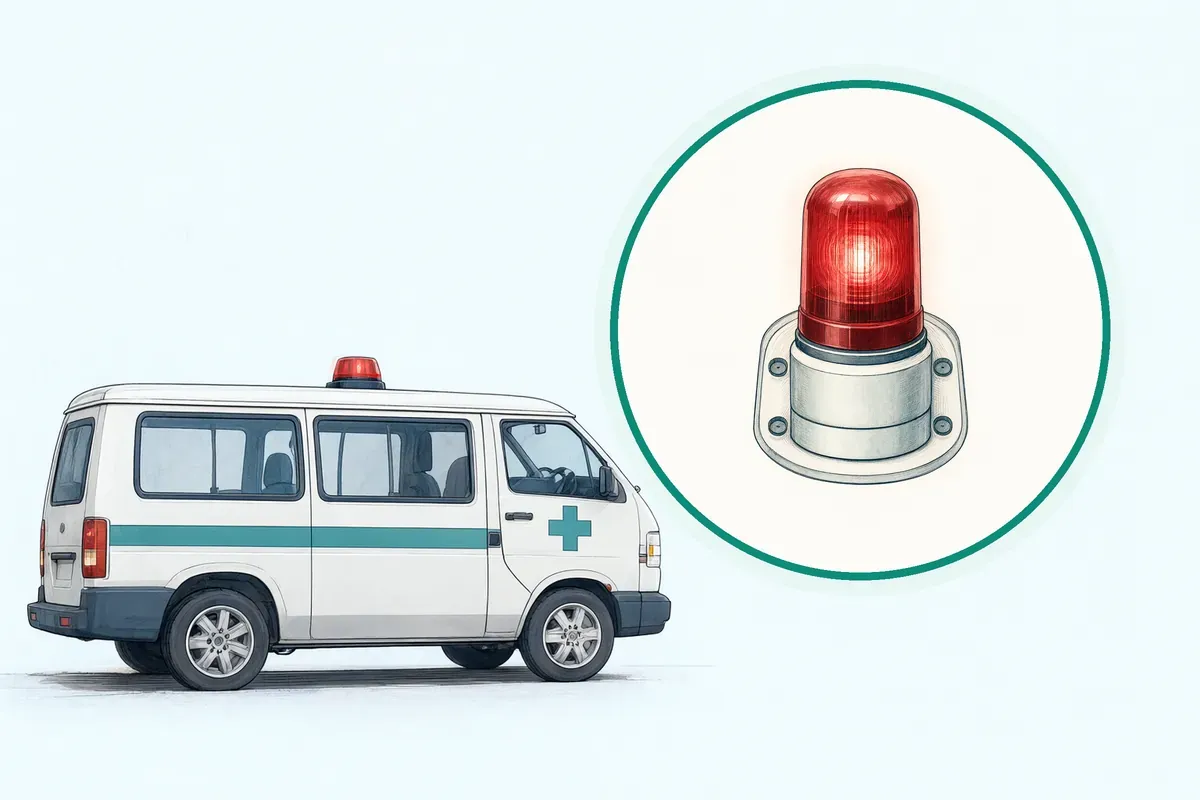
The emergency department handles conditions ranging from minor injuries to life-threatening emergencies such as heart attack, stroke, severe bleeding, and septic shock. It has direct access to the in-house laboratory, X-ray, CT scan, and operating theatres. If you need admission, the intensive care unit and wards are on the same campus. The hospital also runs a 24-hour ambulance service to bring patients from home or other facilities.
Symptoms and warning signs that need urgent care the same day
- Difficulty breathing or choking
- Severe bleeding not stopping with pressure
- Sudden severe abdominal pain
- Signs of severe infection
- Suspected poisoning or overdose
Go to the emergency department at once if you or someone with you has any of the following:
- Chest pain, pressure, or discomfort that may spread to the arm, neck, or jaw
- Sudden weakness or numbness on one side of the face, arm, or leg; trouble speaking or understanding speech
- Difficulty breathing or choking
- Severe bleeding that does not stop with pressure
- Head injury with loss of consciousness, vomiting, or confusion
- Sudden severe abdominal pain
- Signs of severe infection: high fever, rapid breathing, cold hands and feet, confusion, or low blood pressure
- Burns covering a large area or affecting the face, hands, or genitals
- Suspected poisoning or overdose
- Seizure lasting more than five minutes or repeated seizures
These symptoms can indicate a heart attack, stroke, sepsis, major trauma, or other time-critical conditions. Early treatment improves outcomes. For out-of-hospital cardiac arrest, studies report a pooled return of spontaneous circulation of about 30 percent and survival to hospital discharge around 10 percent. Bystander CPR is associated with higher survival.
Causes and who is at higher risk
- Trauma
- Road accidents, falls, burns, violence
- Heart attack and stroke
- Blockage or rupture of blood vessels
- Sepsis
- Infection triggers body-wide response
- Crowding factors
- High volume, delays in assessment or discharge
Emergencies arise from many causes. Trauma results from road accidents, falls, burns, and violence. Heart attacks and strokes are caused by blockage or rupture of blood vessels supplying the heart or brain. Sepsis develops when an infection triggers a body-wide response that can lead to shock and organ failure.
Crowding in the emergency department can occur due to high patient volume, delays in assessment, or delays in moving patients to wards after treatment. Studies show that the majority of identified causes relate to the number and type of people attending and timely discharge from the emergency department. Reported solutions focus on efficient patient flow and whole-of-system initiatives.
People at higher risk include:
- Older adults
- Those with existing heart disease
- Diabetes
- High blood pressure
- Chronic kidney disease
- Patients on blood thinners or immune-suppressing medicines
- Anyone with a recent surgery or infection
Opioid-dependent patients often use the emergency department for medical care. In one trial of opioid-dependent patients, emergency-department-initiated buprenorphine treatment increased engagement in addiction treatment at 30 days to 78 percent compared with 37 percent for referral alone.
How it is diagnosed: examination and tests in the emergency department
When you arrive, the triage nurse records blood pressure, pulse, oxygen level, temperature, and a brief history. The emergency doctor then examines you and orders tests based on the suspected problem.
Common tests include:
- Blood counts
- Kidney and liver function
- Blood sugar
- Cardiac enzymes (troponin)
- Coagulation profile
- Arterial blood gas
Imaging may include X-ray, ultrasound (FAST scan for trauma), CT scan of the head, chest, or abdomen, and ECG. For stroke and heart attack, specific pathways trigger immediate CT or cath-lab activation.
In sepsis, early goal-directed therapy protocols use central venous pressure, oxygen saturation, and lactate levels to guide fluid and vasopressor therapy. In trials, patients receiving early goal-directed therapy received more intravenous fluids, vasopressors, red-cell transfusions, and dobutamine than those receiving usual care. However, large trials found no reduction in 90-day mortality with protocol-based early goal-directed therapy compared with usual care. Peripheral perfusion-targeted resuscitation was associated with less organ dysfunction at 72 hours in one study.
Treatment options without surgery, and when surgery is advised
Non-surgical treatment in the emergency department includes:
- Oxygen
- Intravenous fluids
- Medicines for pain
- Nausea
- Infection
- Heart rhythm
- Blood pressure
- Seizures
For heart attack, thrombolysis (clot-dissolving medicine) or primary percutaneous coronary intervention (PCI) may be given. For stroke, intravenous thrombolysis or mechanical thrombectomy is used when eligible. For septic shock, early antibiotics, fluid resuscitation, and vasopressors are started.
In cardiac arrest, advanced cardiac life support is provided; extracorporeal CPR and invasive assessment are options for refractory cases but did not significantly improve neurologically favourable survival at 180 days in a randomised trial.
Surgery is advised when there is life-threatening bleeding, perforated viscus, compartment syndrome, severe traumatic injury needing damage control surgery, or when a surgical condition such as appendicitis, strangulated hernia, or ectopic pregnancy is diagnosed. The trauma team uses FAST scan and CT pan-scan to decide on damage control surgery.
In studies comparing invasive and standard strategies for cardiac conditions, bleeding occurred more frequently with an invasive strategy (31 percent vs 15 percent). Hydroxyethyl starch (HES) fluids were associated with more adverse events and higher rates of renal-replacement therapy compared with saline. Your surgeon will advise which approach suits you based on your condition.
Preparing for Emergency and Casualty Services
You cannot plan for an emergency, but you can keep a few things ready. Carry a list of your current medicines, any allergies, and past surgeries. If you have a chronic condition such as diabetes, hypertension, or heart disease, bring your most recent prescription and investigation reports.
An attendant should bring your identity proof, insurance card or scheme documents, and a change of clothes. If you are conscious and able to speak, tell the triage nurse about any blood thinners, insulin, or regular medication you took today.
Fasting is not required before you arrive; the team will decide if you need to stay empty stomach for a procedure or surgery. The ambulance crew or the receiving nurse will ask for your consent for examination, investigations, and any urgent intervention.
How Emergency and Casualty Services Are Delivered
- Airway or breathing support if needed Rapid sequence intubation may be performed
- Stroke pathway activation for stroke symptoms Thrombolysis or mechanical thrombectomy if eligible
When you arrive, a triage nurse assesses your vital signs and assigns a priority level. This follows standard ATLS and ACLS protocols so that the sickest patients are seen first. If your airway or breathing is compromised, rapid sequence intubation may be performed to protect your lungs.
For trauma, the team may use a FAST ultrasound scan at the bedside and a CT pan-scan to find internal injuries quickly. Damage control surgery is done when bleeding or contamination must be stopped before a full repair. If you have symptoms of a stroke, the stroke pathway is activated.
Eligible patients may receive thrombolysis to dissolve the clot or be taken for mechanical thrombectomy to remove it. For a heart attack diagnosed as STEMI, the primary PCI pathway aims to open the blocked artery in the catheterisation laboratory. In sepsis or shock, early goal-directed therapy guides fluid resuscitation, vasopressor support, and monitoring of perfusion targets. Your surgeon or emergency physician will advise which technique suits your condition.
Risks and Possible Complications of Emergency Care
- 31% versus 15% Bleeding with invasive strategy
- 5.3% versus 2.8% Adverse events with hydroxyethyl starch
- 7.0% versus 5.8% Renal-replacement therapy with hydroxyethyl starch
Every emergency intervention carries risks. In studies of fluid resuscitation for septic shock, patients who received a protocol-based early goal-directed strategy were given more intravenous fluids, vasopressors, and red-cell transfusions than those receiving usual care. In one large trial, bleeding occurred more often with an invasive strategy compared with a standard strategy (31% versus 15%).
Hydroxyethyl starch solutions used for volume replacement were associated with more adverse events (5.3% versus 2.8%) and a higher need for renal-replacement therapy (7.0% versus 5.8%) compared with saline.
In a trial of refractory out-of-hospital cardiac arrest, a bundle of intra-arrest transport, extracorporeal CPR, and immediate invasive treatment did not significantly improve neurologically favourable survival at 180 days compared with standard resuscitation. The trial was stopped early for futility.
These figures come from groups of patients in research settings; your own risk depends on your condition, age, and response to treatment. The team monitors you closely for any complication and acts promptly.
Recovery and Aftercare After an Emergency Visit
Avoid
- Worsening chest pain
- Sudden breathlessness
- Heavy bleeding
- Confusion
- High fever
- Inability to pass urine
After the initial emergency is managed, you may be kept under observation for six to twenty-four hours. During this time, nurses check your vital signs, pain level, and response to medicines. If you are stable, you may be discharged with a prescription and a follow-up date in the OPD.
If you need further care, you are admitted to a general ward or the intensive care unit. Before discharge, the doctor explains danger signs to watch for: worsening chest pain, sudden breathlessness, heavy bleeding, confusion, high fever, or inability to pass urine.
Your attendant should know how to call the ambulance or return to the emergency department if any of these appear. Medicines started in the emergency department may be continued, adjusted, or stopped at the follow-up visit. Keep all discharge papers and investigation reports for your next consultation. Physiotherapy or dietary advice may be given if your condition requires it.
Results and Outcomes of Emergency Treatment
- 29.7% Out-of-hospital cardiac arrest ROSC
- 10.7% One-month survival after cardiac arrest
Outcomes vary widely with the type and severity of the emergency. In studies of out-of-hospital cardiac arrest patients who received CPR, the pooled incidence of return of spontaneous circulation was about 29.7%, survival to hospital admission was 22.0%, one-month survival was 10.7%, and one-year survival was 7.7%. Survival was higher when bystander CPR was given (11.3% at one month).
In a trial of early goal-directed therapy for septic shock, there was no significant difference in ninety-day mortality between the protocol group and usual care (29.5% versus 29.2%). In refractory cardiac arrest, an invasive strategy with ECPR did not significantly improve neurologically favourable survival at 180 days compared with standard care (31.5% versus 22.0%).
Neurologic recovery at thirty days occurred in 30.6% versus 18.2% and cardiac recovery in 43.5% versus 34.1%. These numbers describe groups in clinical trials; your individual outcome depends on many factors including how quickly you reached the hospital, your underlying health, and the specific emergency. The emergency team follows evidence-based pathways to give you the most suitable chance of a good recovery.
Cost and Insurance for Emergency and Casualty Services in Jaipur
A typical emergency visit at Jaipur Hospital costs between ₹1,500 and ₹50,000 or more. The final amount depends on the acuity of your condition, the investigations needed (blood tests, ECG, X-ray, CT scan), whether you require procedures such as intubation, central line insertion, or surgery, and the length of observation or admission.
Medicines, consumables, and specialist consultations add to the bill. An observation stay of six to twenty-four hours costs less than an ICU admission.
The hospital accepts:
- RGHS
- MAA Yojana
- CGHS
- A panel of private insurers and TPAs
If you are covered under any of these schemes, bring your card or policy documents at the time of registration. The admissions team will verify eligibility and explain what is covered. For patients without insurance, a deposit may be requested at admission and the balance settled at discharge. You can ask the admissions office for an estimate based on the expected treatment plan.