

Recovery & aftercare · Gallbladder Stone Surgery
Eating after gallbladder removal: Indian meals that work
Most people can eat a normal, healthy diet after their gallbladder is removed. For the first few weeks you may find small, simple meals easier to digest, especially if fatty or spicy foods cause loose motions or bloating.
Treatment at the hospital: Gallbladder Stone Surgery in Jaipur
- first month or so Typical adjustment period for fat digestion
- 2 to 4 weeks Diarrhoea usually settles in
What to eat in the first few days at home
Do
- Eat small meals often
- Choose bland foods
- Stop when comfortable
After you go home, your digestive system needs time to adjust. You can usually start eating a few hours after the operation, although you will probably prefer small meals to begin with. Most people find it easier to eat small meals more often in the first few days after surgery.
Start with simple, bland foods similar to what you would eat if you had the flu. Eat when you feel hungry and stop when you are comfortable. There is no need to follow a special diet after the gallbladder is removed, as the gallbladder is not essential for digestion. You can live without a gallbladder and continue to eat a normal, healthy diet after it has been removed.
Roti, sabzi and dal: can you eat them from day one
Most people can resume a normal, healthy eating plan after their recovery. You do not need to follow a specific diet after your gallbladder has been removed. If you experience side effects such as indigestion, bloating, flatulence or diarrhoea, it may help to make some small adjustments to your diet.
For example, avoid foods that make the problems worse, such as spicy or fatty foods. Your doctor will guide you as you return to a normal, healthy eating pattern.
How much ghee or oil is safe in the first month
- First month More trouble digesting fats and heavier meals
- Over time Digestive difficulty should gradually improve
For the first month or so, you might have more trouble digesting fats and heavier meals. This digestive difficulty should gradually improve over time. Most people experience a temporary adjustment period in their digestive systems after gallbladder removal. If you have trouble digesting high-fat foods at first, reduce the amount and try again later.
Side effects of gallbladder surgery usually only last a few weeks, although diarrhoea can be a more persistent problem for a small number of people. A small number of people develop longer-term digestive difficulties after gallbladder removal for unclear reasons.
Why fried or rich foods cause loose motions now
- Normal bile storage
- Gallbladder stores and releases bile for fat
- After surgery
- Liver sends bile straight to intestine
- Fat digestion
- High-fat foods may be harder to digest at first
The gallbladder stores bile, which your body uses to digest fats in the small intestine. The presence of fatty foods triggers the gallbladder to squeeze its bile concentrate into the small intestine. After gallbladder removal, the liver sends bile straight to the small intestine instead of storing it.
After gallbladder removal, the liver sends bile straight to the small intestine instead of storing it. You may have trouble digesting high-fat foods at first. If you experience side effects from surgery, including diarrhoea, it may help to make some small adjustments to your diet. Avoid foods that make the problems worse, such as fatty foods.
A few people get diarrhoea after laparoscopic gallbladder surgery, and the diarrhoea usually goes away in 2 to 4 weeks.
Dals and vegetables you may need to limit
You do not need to avoid any specific dal or vegetable for the long term unless it causes you gas, bloating or loose motions.
Very spicy preparations, heavy cream-based gravies or dishes cooked with a lot of oil or ghee are more likely to trigger symptoms.:
- Very spicy preparations
- Heavy cream-based gravies
- Dishes cooked with a lot of oil or ghee
Listen to your own body and avoid only the items that consistently cause trouble.
Eating at weddings, festivals and family gatherings
Do
- Choose steamed or grilled items
- Eat light meal before leaving
- Sip water slowly
Avoid
- Skip known trigger dishes
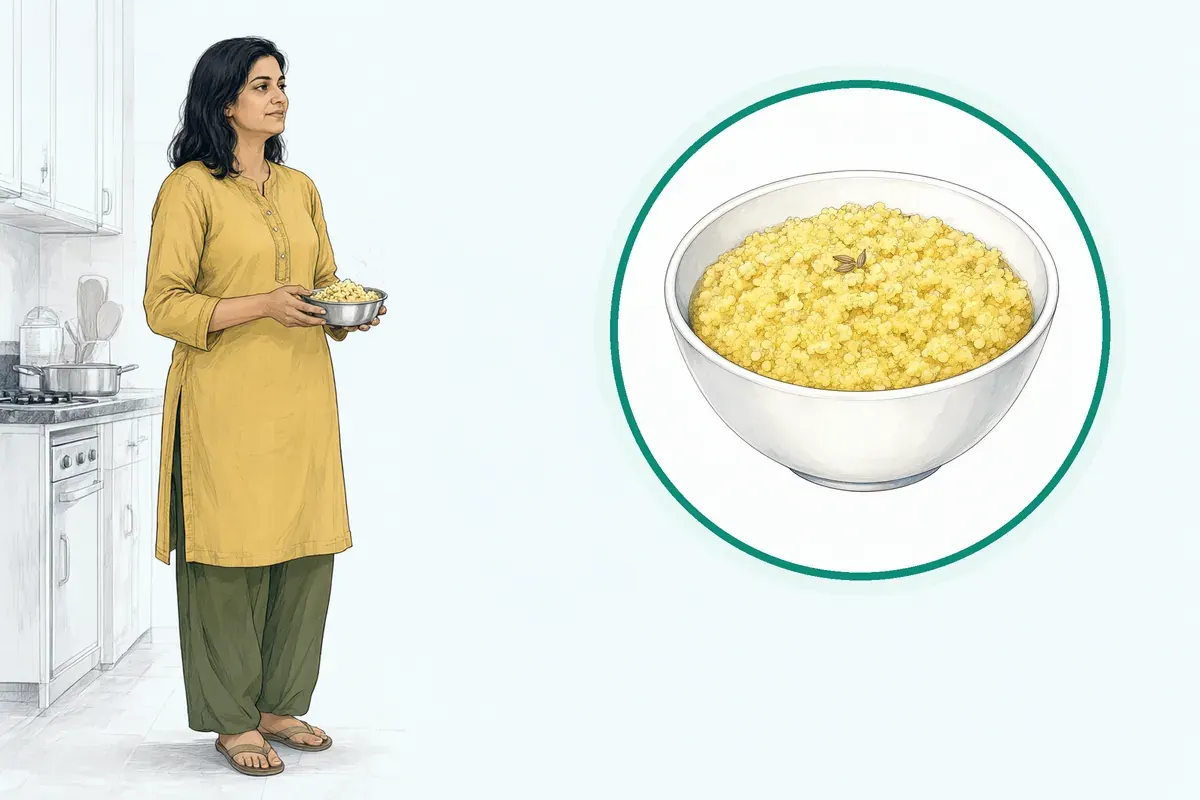
You can enjoy celebrations without getting sick by planning your plate. Choose steamed, grilled or lightly sautéed items such as idli, dhokla, grilled paneer or tandoori vegetables instead of deep-fried starters. Eat a light, home-cooked meal such as khichdi or curd rice before you leave home so you are not overly hungry.
Carry a small bottle of water and sip slowly. If you know a particular dish has caused trouble before, politely skip it.
When to see your doctor about ongoing digestive trouble
- Symptoms beyond a month Indigestion, bloating, flatulence or diarrhoea continue
- Keeps you from normal routine Symptoms stop you from daily activities
Side effects such as indigestion, bloating, flatulence or diarrhoea usually last only a few weeks after surgery. If these symptoms continue beyond a month or keep you from your normal routine, contact your doctor. A small number of people develop longer-term digestive difficulties for unclear reasons.
Your doctor can check for other causes such as bile acid diarrhoea or irritable bowel syndrome and may suggest dietary changes, a short course of medicine or a referral to a specialist. Do not start or stop any medicine on your own.
Keep a simple food and symptom diary for a few days before your appointment; it helps your doctor give better advice.
This article was drafted with the assistance of AI tools and thoroughly reviewed, fact-checked, and edited by our editorial team.
