

General & Laparoscopic Surgery · Jaipur Hospital
Breast Conserving Surgery (Lumpectomy) in Jaipur
You want the tumour removed but keep your breast. We assess, explain options and give a clear plan.
- Serving Jaipur since 1991 (35 years)
- NABH accredited
- 24×7 emergency & ICU
- Cashless: MAA Yojana + 32 insurers
- Operation time
- 1 to 2 hours
- Anaesthesia
- General anaesthesia
- Recovery
- Back to desk work in 1 to 2 weeks
- Price
- ₹80,000 to ₹1,80,000typical range in India; ask us for an estimate
Cancer found, breast at risk
You have a breast lump confirmed as cancer and you fear losing your breast
A cancer diagnosis brings fear of mastectomy, changes in appearance and long treatment. You need clear facts on whether the breast can be saved.
-
Fear of losing the breast
Many women think mastectomy is the only way to be safe.
-
Worry about recurrence
You wonder if keeping the breast means the cancer might come back.
-
Unclear next steps
You have reports but no simple plan for surgery, radiation and recovery.
-
Cost and time off work
You need to know the expense and how long you will be away from your job.
Lumpectomy with radiation has same survival outcomes as mastectomy for many types of breast cancer.
Why Jaipur Hospital
You are scared the cancer will take your breast and change how you feel about yourself.
Your care plan
Your first steps with us
- 1 Call or visit OPD for a surgical consultation
- 2 Review scans and reports; do any needed tests in-house
- 3 Have the operation with margin clearance and node check
- 4 Go home in 1 to 2 days; follow up for radiation planning
Insurance and schemes
How cashless works
Cashless treatment under MAA Yojana and with 32 insurers.
-
Tell us when you book
Say you are insured or have a scheme card, and send a photo of the card on WhatsApp so our insurance desk can check it in advance.
-
We get the approval
Once your doctor advises admission, the insurance desk sends the pre-authorisation request to your insurer or TPA; for planned surgery, approval can come before you are admitted.
-
Settled at discharge
The approved amount is settled between the insurer and the hospital; you pay only what the policy does not cover.
How the operation is done
Under general anaesthesia, the surgeon removes the tumour with a margin of healthy tissue and may check lymph nodes. The procedure takes 1 to 2 hours.
-
Wide Local Excision
Tumour removal with a 1 cm macroscopic margin of healthy tissue around it.
-
Oncoplastic Lumpectomy
Volume displacement or replacement techniques used to preserve breast shape and cosmesis.
-
Wire-guided Localisation
A wire placed by radiology guides the surgeon to a non-palpable lesion seen on imaging.
Why patients trust us
- 1991 Serving Jaipur for 35 years
- NABH Accredited hospital
- 3 General & Laparoscopic Surgery consultants
- 24×7 Emergency, ICU and ambulance
- 32 Cashless insurers, plus MAA Yojana
What research shows about this treatment
-
1 to 2 weeks
Most people feel fully recovered two weeks after lumpectomy surgery.
-
4 to 6 percent
At 5 years, local recurrence was 1.3% with radiation versus 4.1% without in early breast cancer.
-
28 to 45 percent
Acute radiation toxicity grade 2 or higher occurred in 28% with partial breast irradiation versus 45% with whole breast irradiation.
If it is left untreated
Without surgery the tumour grows and can spread to lymph nodes or other organs, making treatment harder and survival lower.
Life after treatment
Most people return to normal activities within two weeks and keep the natural look and feel of the breast.
-
Breast preserved
The breast remains intact with a scar that usually fades over time.
-
Back to routine
Desk work and light activity typically resume in 1 to 2 weeks.
-
Radiation follows
Daily radiation for 3 to 6 weeks usually starts after the wound heals.
-
Ongoing surveillance
Regular clinical exams and mammograms monitor for any recurrence.
Meet the team
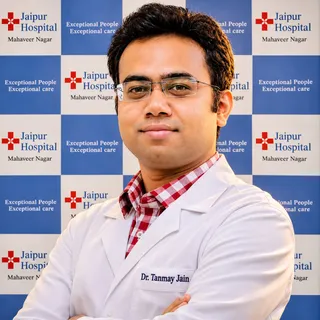
Your general & laparoscopic surgery doctors
Explore our general and laparoscopic surgery department in Jaipur: every treatment, the doctors and what to expect at your visit.


Frequently asked questions
Questions patients ask about breast conserving surgery (lumpectomy)
What does breast conserving surgery involve?
In short
Breast conserving surgery at Jaipur Hospital removes the tumour with a margin of healthy tissue while keeping the breast. The operation takes one to two hours under general anaesthesia. You usually stay one to two nights and can return to desk work in one to two weeks.
In detail
The surgeon removes the cancer and a small rim of normal tissue, aiming for clear margins. Techniques include wide local excision with a one-centimetre macroscopic margin, oncoplastic lumpectomy using volume displacement or replacement for shape, and wire-guided localisation for non-palpable lesions seen on imaging.
Lymph nodes under the arm may also be removed to check for spread. Radiation therapy is often given after surgery. Studies show that lumpectomy with radiation gives similar long-term survival and recurrence rates as mastectomy for many breast cancers.
A common belief
Some people think the whole breast is removed, but this operation keeps the breast.
What actually happens
Radiation is usually added afterwards, and studies show survival is the same as with mastectomy for many cancers.
Your next step at Jaipur Hospital
Your surgeon will explain the steps, the type of anaesthesia, and the expected hospital stay. You will sign a consent form after discussing risks such as seroma, infection, bleeding, changes in breast shape, and numbness.
If lymph nodes are removed, you will receive lifelong arm-care guidance. To learn if this surgery fits your case, book a consultation at Jaipur Hospital.
Which tests and scans do I need before breast conserving surgery?
In short
Before breast conserving surgery at Jaipur Hospital, you typically need a mammogram and ultrasound of both breasts, a core needle biopsy to confirm the diagnosis, and blood tests including a complete blood count, liver and kidney function, and coagulation profile. The surgeon may also ask for a chest X-ray and ECG to check fitness for general anaesthesia.
In detail
Imaging defines tumour size, location, and whether there are other suspicious areas. Mammography and ultrasound are standard; MRI may be used in selected cases to assess extent.
The biopsy confirms cancer type, grade, and hormone receptor status, which guide surgical planning and the need for radiation. Blood tests ensure you are fit for anaesthesia and surgery.
If the tumour is not palpable, wire-guided localisation is arranged on the day of surgery using imaging. The surgeon reviews all results to plan the excision margin and decide if oncoplastic techniques are needed. Lymph node assessment with sentinel node biopsy is usually done during the same operation.
A common belief
Some patients expect a CT or MRI scan at the hospital, but Jaipur Hospital does not have a CT or MRI scanner.
What actually happens
Those scans, if needed, are done at an outside imaging centre and the surgical team reviews the reports. The surgeon decides which imaging is necessary based on your case.
Your next step at Jaipur Hospital
Your surgeon will give you a specific list of tests at the consultation. Most tests are done at our in-house laboratory and imaging centre; CT, MRI, or PET-CT scans are done at an outside imaging centre and the team reviews the reports. The typical cost range for the surgery in India is ₹80,000 to ₹1,80,000.
How painful is breast conserving surgery and the early recovery?
In short
Breast conserving surgery is done under general anaesthesia, so you feel no pain during the operation at Jaipur Hospital. After surgery, most people have mild to moderate pain at the incision and sometimes in the armpit if lymph nodes were removed. The surgical team gives you pain medicine to take at home. Pain usually improves each day and is much less by the end of the first week.
In detail
During the operation you are asleep and feel nothing. After you wake, the breast and armpit area may feel sore, bruised, or tight. Nerve irritation can cause tingling or shooting pains in the armpit, upper arm, or chest wall.
This is common and usually settles over weeks to months as nerves heal. A clear fluid collection called a seroma may form and cause a heavy or stretched feeling; it can be drained in the clinic if needed.
Regular paracetamol or a prescribed stronger tablet controls pain for most people. Ice packs inside a soft bra help reduce swelling and discomfort in the first few days.
A common belief
Some expect severe pain like a mastectomy.
What actually happens
Lumpectomy is smaller, so pain is usually less. Others think they should tough it out without tablets. Taking medicine on time actually helps you move, breathe deeply, and heal faster.
Your next step at Jaipur Hospital
Take pain medicine on schedule for the first 48 hours, then as needed. Wear a supportive soft bra day and night for the first week. Avoid heavy lifting or stretching the arm above shoulder height for two weeks.
If pain suddenly worsens, the wound becomes red or hot, or you develop a fever above 37.5°C, call the hospital.
How long does recovery usually take after breast conserving surgery?
In short
Most people return to desk work in one to two weeks after breast conserving surgery at Jaipur Hospital. The operation takes one to two hours under general anaesthesia. Hospital stay is usually one to two nights. You will feel tired and have some pain, swelling, and bruising for the first few days. Symptoms gradually improve each day. Full recovery, including return to heavy lifting and strenuous exercise, takes about four to six weeks.
In detail
On the day of surgery you go to the recovery room, then to a ward. Nurses get you up and walking within hours to prevent blood clots. You wear anti-embolism stockings and may have blood-thinning injections.
Drains, if placed, are usually removed before discharge or at the first clinic visit. At home, rest for the first 48 hours. Use an ice pack in your bra to reduce swelling. Take pain medicine on schedule.
Avoid lifting anything heavier than a kettle, and do not vacuum, clean windows, or stretch the arm above shoulder height for two weeks. Showering is usually allowed after 48 hours if the dressing is waterproof or after the drain is out.
The surgeon sees you at one to two weeks to check the wound, remove any remaining sutures, and drain a seroma if needed. Most people feel fully recovered by two weeks for light activities. Heavy exercise and sports wait until four to six weeks when the scar is strong.
A common belief
Some people think they will bounce back in two days.
What actually happens
Others fear they will be bedridden for a month. The truth is in between: you walk the same day, but your arm and chest need protection for weeks. Pushing too early causes seroma, wound breakdown, or lymphoedema.
Your next step at Jaipur Hospital
Plan for one to two weeks off desk work. Arrange help at home for the first few days. Follow the physiotherapist's arm exercises to prevent stiffness.
Do not drive until you can turn the steering wheel and brake hard without pain, usually after one to two weeks. Call the hospital if you develop fever above 37.5°C, increasing redness, or sudden swelling.
How do breast conserving surgery and mastectomy compare for my diagnosis?
In short
For many early-stage breast cancers, breast conserving surgery at Jaipur Hospital followed by radiation gives the same long-term survival as mastectomy. The choice depends on tumour size, location, breast size, genetic factors and your preference. Your surgeon will explain which option suits your diagnosis.
In detail
Studies show that lumpectomy with radiation has the same survival outcomes as mastectomy for many types of breast cancer. Breast conserving surgery removes the tumour with a margin of healthy tissue and preserves the breast. Mastectomy removes the whole breast.
Both may need lymph node assessment. Radiation is usually given after lumpectomy to lower local recurrence risk. Some patients need radiation after mastectomy too. Factors like multiple tumours, widespread calcifications, previous radiation, or inability to have radiation may make mastectomy the preferred option.
Oncoplastic techniques can improve cosmetic results after lumpectomy. The decision is made jointly with your surgeon after imaging and biopsy results.
A common belief
Some believe mastectomy is safer or more thorough.
What actually happens
Evidence shows survival is the same when lumpectomy is appropriate. Mastectomy may still be needed for large or multiple tumours, or if radiation cannot be given.
Your next step at Jaipur Hospital
Bring your imaging reports and biopsy results to the consultation. The surgeon will review the tumour features and discuss both options with you. You can ask about cosmetic outcomes, radiation schedule and recovery differences.
How will the surgeon decide whether an operation is necessary for breast conserving surgery?
In short
The surgeon at Jaipur Hospital decides on surgery after reviewing your imaging, biopsy, tumour size, stage, grade, receptor status and overall health. Breast conserving surgery is offered when the tumour can be removed with clear margins while keeping an acceptable breast shape. Your preference is also essential.
In detail
Eligibility for breast conserving surgery depends on several factors. The tumour should be small enough relative to the breast to allow a 1 cm macroscopic margin with a good cosmetic result. Single tumours are preferred; multiple separate tumours may need mastectomy.
Widespread suspicious calcifications or diffuse malignant microcalcifications may make lumpectomy unsuitable. Previous radiation to the same breast usually rules out further breast conservation. The surgeon also checks if you can have radiation therapy afterwards, as it is standard after lumpectomy.
If radiation poses high risks, mastectomy may be advised. The multidisciplinary team discusses each case. You will have a physical examination, mammogram, ultrasound and sometimes MRI. The biopsy confirms cancer type and receptors. All this information guides the recommendation.
A common belief
Some think any small lump qualifies.
What actually happens
Multiple tumours, widespread calcifications, or previous radiation may make lumpectomy unsafe. The surgeon must be confident of clear margins and a cosmetically acceptable result.
Your next step at Jaipur Hospital
Bring all your reports to the OPD consultation. The surgeon will explain the findings and whether breast conserving surgery is an option. You can ask about alternatives and the reasons for the recommendation.
Why might my doctor recommend breast conserving surgery?
In short
Your doctor may recommend breast conserving surgery at Jaipur Hospital when the cancer can be removed with clear margins while preserving the breast appearance. This approach is suitable for early-stage tumours up to three centimetres and for ductal carcinoma in situ. Studies show lumpectomy with radiation gives the same long-term survival as mastectomy for many breast cancers.
In detail
The decision depends on cancer type, stage, grade, and tumour size relative to breast volume. Your surgeon checks whether a wide local excision can achieve negative margins without deforming the breast.
Oncoplastic techniques such as volume displacement or replacement help maintain shape when more tissue must be removed. If you have multiple tumours, widespread calcifications, or prior radiation to the same breast, mastectomy may be advised instead.
The surgeon also considers whether you can receive radiation therapy afterwards, as it is usually part of the treatment plan.
A common belief
Some believe mastectomy is safer, but research confirms equivalent outcomes for eligible patients.
What actually happens
The surgeon also checks if oncoplastic techniques can preserve appearance when more tissue is needed. If radiation is not possible or margins cannot be cleared, mastectomy may be recommended.
Your next step at Jaipur Hospital
At the consultation, your surgeon reviews imaging, biopsy results, and your medical history to confirm eligibility. You will discuss the typical cost range in India of ₹80,000 to ₹1,80,000 and the expected hospital stay of one to two nights.
How should I prepare in the days before breast conserving surgery?
In short
In the days before breast conserving surgery at Jaipur Hospital, follow your surgeon's instructions on eating, drinking, and medicines. You will have a pre-anaesthesia check-up. Stop smoking if you can, as it helps wound healing. Arrange for an attendant to stay with you during your one to two night hospital stay and to help at home afterwards.
In detail
Your surgeon will review all medicines, supplements, and herbal products you take. Blood-thinning medicines such as aspirin, ibuprofen, or other anticoagulants may need to be stopped several days before surgery to reduce bleeding risk.
You may be asked to shower with an antiseptic soap the night before or morning of surgery. Do not apply lotion, deodorant, or powder to the breast or underarm area on the day of surgery. Wear loose, comfortable clothing that opens at the front.
The nursing team will give you anti-embolism stockings to wear during and after the operation to lower the risk of blood clots. You may also receive blood-thinning injections before, during, or after surgery as advised.
A common belief
Some people think they can take all their usual medicines up to the day of surgery, but blood thinners and certain supplements must be stopped days before to prevent bleeding.
What actually happens
The team also gives you compression stockings and may prescribe blood-thinning injections to prevent clots, which is a standard safety step.
Your next step at Jaipur Hospital
The surgeon and anaesthesia team will give you a written list of do's and don'ts at the pre-operative visit. Fasting instructions are specific to your surgery time. The typical cost range for the surgery in India is ₹80,000 to ₹1,80,000.
What are the common side effects and the less common serious complications of breast conserving surgery?
In short
Common side effects after breast conserving surgery at Jaipur Hospital include swelling, bruising, seroma (fluid collection), numbness or tingling in the armpit or upper arm, and a change in breast shape or size. Serious but less common complications are wound infection, bleeding or haematoma, lymphoedema (arm swelling) if lymph nodes are removed, and blood clots in the legs or lungs.
In detail
A seroma is a clear fluid that often collects in the wound; it usually settles on its own or can be drained with a needle. Numbness or shooting pain comes from nerve injury during surgery and often improves over months.
If lymph nodes are removed, there is a lifelong risk of lymphoedema; you must protect that arm from cuts, burns, tight clothing and blood pressure cuffs. Infection signs include fever above 37.5°C, redness, warmth and discharge. Blood clots are prevented with early movement, stockings and sometimes blood-thinning injections.
A common belief
People often think any fluid or numbness means something went wrong.
What actually happens
A seroma and nerve symptoms are common and usually settle. The real warnings are fever, spreading redness, sudden arm swelling or breathlessness — these need urgent care.
Your next step at Jaipur Hospital
Keep the wound clean and dry. Report fever, increasing redness, sudden swelling or shortness of breath immediately. Follow arm care instructions if nodes were removed. Attend all follow-up appointments.
Which symptoms are expected after breast conserving surgery, and which need urgent medical attention?
In short
Expected symptoms after breast conserving surgery at Jaipur Hospital include mild to moderate pain, bruising, swelling, a firm ridge along the scar, numbness or tingling in the armpit or upper arm, and a feeling of heaviness from a seroma. These improve week by week. Urgent symptoms are fever above 37.5°C, increasing redness or heat around the wound, pus or foul-smelling discharge, sudden severe pain, rapid swelling of the breast or arm, shortness of breath, or chest pain. Call the hospital or go to the emergency department immediately for these.
In detail
Normal healing brings soreness that gets better each day. Bruising spreads and fades over two weeks. The scar feels hard and may itch as it matures. Nerve tingling or shooting pains in the armpit, arm, shoulder, or chest wall can last months but gradually lessen.
A seroma (clear fluid collection) may make the breast feel full or heavy; it can be drained in the clinic if uncomfortable. A small haematoma (blood collection) causes hardness and bruising and resolves over months.
Warning signs of infection: temperature above 37.5°C, redness spreading from the incision, warmth, discharge that is yellow or green, or feeling cold and shivery. Warning signs of bleeding: sudden swelling, tense hardness, and severe pain within the first 24 to 48 hours.
Warning signs of a blood clot: calf pain, swelling, redness, or sudden shortness of breath and chest pain. Warning signs of lymphoedema: persistent arm or hand swelling, heaviness, tightness, or rings feeling tight. Report any of these promptly.
A common belief
People often wait two days with a fever, hoping it is nothing.
What actually happens
Or they ignore a tight ring on the operated side, not realising it is early lymphoedema. Early action on infection saves a readmission. Early action on lymphoedema saves months of therapy.
Your next step at Jaipur Hospital
Keep the 24-hour hospital number with you at all times. Check the wound daily in good light. Take your temperature if you feel hot or cold. Do not wait to see if a fever goes away.
If you notice any urgent symptom, call the hospital immediately or go to the nearest emergency department. Early treatment of infection or seroma prevents a longer hospital stay.
FAQ library
Questions and answers about breast conserving surgery (lumpectomy)
When you contact us
A clear surgical plan and cost estimate
Contact Jaipur Hospital for a consultation where your reports are reviewed, options explained and a cost estimate given before you decide.
- A consultation with a general and laparoscopic surgeon in the OPD
- Your scans and reports reviewed, with tests done in-house if you need them (laboratory, X-ray and imaging)
- Your options explained in plain words, including whether you need surgery at all
- A cost estimate before you decide
- Help with cashless treatment under MAA Yojana and empanelled insurers and TPAs
- Follow-up visits after your treatment
Overview
Breast Conserving Surgery (Lumpectomy): what to know
What breast conserving surgery (lumpectomy) is and how it works
- Removes cancer, keeps breast
- Tumour plus small healthy margin taken out
- Also called partial mastectomy
- Names vary by amount of tissue removed
- Radiation usually follows
- Lowers chance of cancer returning in same breast
- Survival similar to mastectomy
- Long-term outcomes are comparable
Breast conserving surgery, also called a lumpectomy, removes the part of the breast that contains cancer while keeping the rest of the breast intact. The surgeon takes out the tumour together with a small margin of healthy tissue around it. This operation is sometimes called a partial mastectomy or segmentectomy depending on how much tissue is removed. The aim is to get rid of the cancer and preserve the look and feel of the breast.
The procedure is done under general anaesthesia and usually takes one to two hours. Your surgeon may also remove a few lymph nodes from the armpit on the same side to check whether the cancer has spread there. A sentinel node biopsy is the common way to test those nodes for cancer cells.
Radiation therapy is often given after the surgery to lower the chance of the cancer coming back in the same breast. Studies show that women who have breast conserving surgery followed by radiation have similar long-term survival rates as women who have a mastectomy.
Symptoms of breast cancer and warning signs that need urgent care
- Fever above 37.5°C With cold and shivery feeling
- Increasing wound redness or warmth Sign of possible infection
- Fluid or pus from incision Needs same-day review
- Heavy bleeding soaking dressing Needs immediate attention
- Sudden shortness of breath Possible clot in lungs
- Severe calf pain Possible deep vein thrombosis
A lump in the breast or armpit is the most common symptom that leads to investigation.
Other changes include:
- Change in the size or shape of the breast
- Dimpling or puckering of the skin
- The nipple turning inward
- Discharge from the nipple that is not breast milk
The skin may become red, scaly or thickened like an orange peel.
After surgery, contact your healthcare team the same day if you develop a temperature above 37.5°C, feel cold and shivery, notice increasing redness or warmth around the wound, see fluid or pus seeping from the incision, or have sudden swelling and pain in the arm or chest. Heavy bleeding that soaks through the dressing, sudden shortness of breath, or severe calf pain also need immediate attention.
Causes of breast cancer and who is at higher risk
- Female and older age
- Main risk factors
- Personal or family history
- Breast, ovarian cancer or benign conditions
- Inherited gene changes
- BRCA1 or BRCA2 mutations
- Hormonal and reproductive factors
- Early periods, late menopause, late first child
- Lifestyle factors
- Alcohol, weight after menopause, low activity
- Previous chest radiation
- Raises risk later in life
Breast cancer starts when cells in the breast ducts or lobules grow out of control. The exact cause is not always known, but several factors raise the risk. Being female and getting older are the main ones.
A personal history of breast cancer or certain benign breast conditions, a family history of breast or ovarian cancer, and inherited gene changes such as BRCA1 or BRCA2 increase risk. Early periods, late menopause, having no children or a first child after age 30, and using hormone replacement therapy for several years also contribute.
Lifestyle factors include:
- Regular alcohol intake
- Being overweight after menopause
- Low physical activity
Previous chest radiation for another cancer raises risk later in life.
Your surgeon will advise whether breast conserving surgery is suitable based on the type and stage of the cancer, the size of the tumour relative to the breast, whether the edges of the removed tissue are clear of cancer cells, and your ability to have radiation therapy afterwards.
Multiple tumours in different parts of the breast, widespread suspicious calcifications, or a tumour that is large compared with the breast may make this surgery less appropriate:
- Multiple tumours in different parts of the breast
- Widespread suspicious calcifications
- A tumour that is large compared with the breast
If radiation therapy poses significant risks for you, other options will be discussed.
How breast cancer is diagnosed: examination and tests
- Clinical breast examination Doctor checks breasts and armpits
- Mammogram and ultrasound Standard imaging of breast and armpit
- Core needle biopsy Tissue sample confirms cancer type and grade
- Wire or marker placement Guides surgeon to non-palpable lesion
- Staging tests if needed Blood tests, chest X-ray, bone scan or CT abdomen
The process usually starts with a clinical breast examination by a doctor. Imaging tests such as a mammogram and an ultrasound of the breast and armpit are standard. If an area looks suspicious, a core needle biopsy is done to take a small sample of tissue for the pathologist to examine under a microscope. This confirms whether the cells are cancerous and gives details about the type, grade and hormone receptors.
If the cancer cannot be felt, a wire or a tiny marker may be placed in the breast under imaging guidance before surgery to help the surgeon locate the exact spot.
Blood tests, a chest X-ray, and sometimes a bone scan or CT of the abdomen may be arranged to check whether the cancer has spread beyond the breast and nearby lymph nodes. Your healthcare team will explain each test and what the results mean for your treatment plan.
Treatment options without surgery and when breast conserving surgery is advised
Surgery is the main treatment for early breast cancer. In some situations, such as very small low-grade tumours in older women, the multidisciplinary team may discuss whether radiation alone or hormone therapy alone could be considered, but this is not standard for most patients. Neoadjuvant chemotherapy or hormone therapy given before surgery can shrink a larger tumour and make breast conserving surgery possible.
Breast conserving surgery is usually recommended when the tumour can be removed with clear margins and the breast will keep a reasonable shape, and when you are able and willing to have radiation therapy afterwards. The procedure may also be done to diagnose a lump when imaging and needle biopsy have not given a clear answer.
Your surgeon will discuss the options with you, including mastectomy, and help you decide what fits your situation. Reconstruction to improve the breast shape can be done at the same time or later if needed.
Preparing for breast conserving surgery
Do
- Tell doctor about pregnancy Or if you think you may be pregnant
- List all medicines and supplements Include over-the-counter, vitamins, herbs
- Follow fasting instructions Given for night before surgery
- Plan for an attendant To stay with you and take you home
- Bring front-opening loose clothing Comfortable for after surgery
Your surgeon will explain the operation and the possible complications before you sign the consent form. You will have a health history review and a physical examination. Blood tests or other tests may be arranged. Tell your doctor if you are pregnant or think you may be pregnant.
Tell your doctor about any allergies to:
- Medicines
- Latex
- Tape
- Anaesthesia medicines
Bring a list of all medicines you take, including over-the-counter medicines, vitamins, herbs and supplements. If you have a bleeding disorder or take blood-thinning medicines, aspirin, ibuprofen or other medicines that affect clotting, let your doctor know. You will be given fasting instructions for the night before surgery. A sedative may be given to help you relax before the procedure.
Plan for an attendant to stay with you and to take you home after discharge. Bring comfortable loose clothing that opens at the front.
How breast conserving surgery is done
The operation removes the tumour with a margin of healthy tissue while keeping the breast intact. The surgeon may also remove some lymph nodes under the arm to check whether the cancer has spread. A sentinel node biopsy is a common way to test the first few nodes. The procedure usually takes one to two hours.
Your surgeon will advise which technique suits you:
- Wide local excision: the tumour is removed with a macroscopic margin of about 1 cm.
- Oncoplastic lumpectomy: volume displacement or replacement techniques are used to preserve the breast shape.
- Wire-guided localisation: a thin wire is placed before surgery to guide the removal of a non-palpable lesion seen on imaging.
The operation is done under general anaesthesia. You may go home the same day or stay one to two nights depending on your situation. A reconstructive surgeon may shape and repair the breast immediately after the lumpectomy, or reconstruction can be done at a later time.
Risks and possible complications of breast conserving surgery
- Seroma and haematoma
- Fluid or blood collection, often resolves
- Wound infection
- May need antibiotics and longer stay
- Nerve injury symptoms
- Numbness, tingling, shooting pain in arm or chest
- Lymphoedema
- Arm swelling, lifelong precautions needed
- Blood clot risk
- Stockings, injections and early movement used
- Radiation skin toxicity
- Grade 2+ in 28% (partial) or 45% (whole breast)
Most problems after surgery are minor but some can be serious. A small amount of blood on the dressing is normal; tell your healthcare team straight away if there is more bleeding. A clear fluid (seroma) often collects in the wound and can be drained in the surgeon's office with compression if needed.
Blood may collect around the wound (haematoma), causing pain, swelling and hardness; this normally goes away on its own but can take a few months. Wound infection may need antibiotics, sometimes given through a drip, which can mean a longer stay. Short-term breast swelling can occur. The size and shape of the breast may change as tissue heals.
Hardness due to scar tissue can form at the incision site. Numbness, tingling or shooting pain in the armpit, upper arm, shoulder or chest wall is due to nerve injury during surgery; nerves usually repair themselves but it can take many weeks or months. Shoulder stiffness and pain can develop.
If lymph nodes are removed, swelling of the arm (lymphoedema) can occur; once it develops it cannot be healed but early treatment helps control it.
You will need to follow lifelong precautions for the affected arm:
- No needle sticks or IVs
- No blood pressure measurements
- Careful arm exercises
- Avoid injuries
- Wear gloves for gardening and harsh chemicals
- Avoid sunburn
- Use a clean razor
- Avoid tight items
- Carry heavy loads with the other arm
- Avoid insect bites
There is a higher risk of blood clots in the armpit veins and a small risk of clots in the legs or lungs; you will wear anti-embolism stockings and may have blood-thinning injections, and nurses will get you moving as soon as possible.
Radiation therapy after surgery can cause acute skin toxicity; in studies, grade 2 or higher acute toxicity occurred in about 28% with accelerated partial breast irradiation and 45% with whole-breast irradiation. Late side-effects such as moderate to severe fibrosis are more common with a radiation boost.
In one large trial, the highest late toxicity grades were grade 1 in 40%, grade 2 in 44% and grade 3 in 10% with accelerated partial breast irradiation, and grade 1 in 31%, grade 2 in 59% and grade 3 in 7% with whole-breast irradiation.
Recovery and aftercare after breast conserving surgery
- First two weeks No strenuous activity or heavy lifting
- About two weeks Most people feel fully recovered
- Ongoing Showering advised instead of bathing
You will likely go home the same day once your vital signs are stable, or after one to two nights in hospital. Most people feel fully recovered in about two weeks. You may feel extra tired at first and have pain, swelling and bruising; symptoms usually improve gradually each day.
An ice pack placed in the bra can help keep swelling down. Do not do anything strenuous for the first two weeks.
Avoid:
- Heavy lifting
- Cleaning windows
- Vacuuming
- Repeated arm movements
Your doctor will tell you when you can drive and return to work. Showering is usually advised instead of bathing. Follow your doctor's instructions on do's and don'ts closely. Everyone heals at their own pace.
Call your healthcare provider if you have fever or chills, redness, swelling, bleeding or other drainage from the incision, or if arm swelling does not settle or you have pain or tenderness. Know the number to call after office hours, on weekends and holidays.
Results of breast conserving surgery: how well it works and recurrence
Studies show that women who have breast conserving surgery followed by radiation therapy have similar long-term survival rates as women who have a mastectomy. Research has shown that lumpectomy with radiation has the same survival outcomes as mastectomy for many types of breast cancer. Lumpectomy with radiation has the same recurrence rate as mastectomy.
Radiation reduces the likelihood that the cancer will return. In a large trial with median follow-up of 17.2 years, 20-year overall survival was about 60% in both the boost and no-boost groups. The hazard ratio for overall survival was 1.05. Local recurrence was the first treatment failure for 13% in the no-boost group versus 9% in the boost group.
A radiation boost can improve local control. The largest absolute benefit of a boost is in younger patients; the extra dose can be avoided in most patients older than 60 years. In another trial comparing accelerated partial breast irradiation with whole-breast irradiation, the 10-year cumulative incidence of ipsilateral breast tumour recurrence was 4.6% versus 3.9%.
The hazard ratio was 1.27 (90% CI 0.84-1.91), meeting the non-inferiority margin. Positive margins (ink on tumour) are associated with a two-fold increase in recurrence risk compared with negative margins. More widely clear margins than no ink on tumour do not significantly decrease recurrence. The standard of no ink on tumour is associated with low recurrence rates.
Most people need three to six weeks of daily radiation therapy after lumpectomy. In some cases, radiation therapy may not be needed after lumpectomy. The procedure that provides the most suitable benefit depends on cancer type, stage and grade.
Cost and insurance for breast conserving surgery in Jaipur
The typical price range for breast conserving surgery in India is ₹80,000 to ₹1,80,000.
The final cost depends on:
- The technique used
- Whether lymph node surgery is needed
- Whether oncoplastic reconstruction is done at the same time
- The length of hospital stay
- Any additional tests or medicines
Jaipur Hospital is empanelled for MAA Yojana and works with a panel of private insurers and TPAs for cashless treatment. Ask us for an estimate based on your treatment plan.
