

General Medicine · Jaipur Hospital
Diabetes and Metabolic Care in Jaipur
Blood sugar feels out of control; Jaipur Hospital gives you a clear plan and regular checks.
- Serving Jaipur since 1991 (35 years)
- NABH accredited
- 24×7 emergency & ICU
- Cashless: RGHS, MAA Yojana, CGHS + 22 insurers
- Consultation length
- 20 to 30 minutes
- Anaesthesia
- Not needed
- Recovery
- Ongoing lifestyle management
- Price
- ₹800 to ₹2,500 per consultation₹5,000 to ₹15,000 for annual packagetypical range in India; ask us for an estimate
Daily sugar swings wear you down
You watch your plate and pills, but your sugar still jumps without warning
Fatigue, thirst, and frequent toilet trips disrupt work and sleep. You worry about silent damage to eyes, kidneys, nerves, and heart while juggling medicines and diet alone.
-
Unpredictable glucose
Levels swing high or low despite tablets, leaving you tired and anxious.
-
Diet confusion
Conflicting advice on carbs, portions, and timing makes meals stressful.
-
Hidden complications
Eye, kidney, nerve, and heart risks grow quietly without regular screening.
-
Medicine burden
Multiple tablets or insulin doses are hard to time with daily routine.
-
Weight struggle
Excess weight worsens insulin resistance and makes control harder.
Most patients with type 2 diabetes have at least one complication, and cardiovascular disease is the leading cause of death.
Why Jaipur Hospital
You are tired of guessing meals, fearing the next sugar crash, and wondering if silent damage is already happening.
Your care plan
Your first steps with us
- 1 Book an OPD consultation with our physician
- 2 Get blood tests and complication screening done in-house
- 3 Receive a personalised diet, medicine, and monitoring plan
- 4 Return for regular reviews and plan adjustments
How diabetes care works at Jaipur Hospital
A 20 to 30 minute OPD visit includes history, examination, lab review, and a written plan. No admission is needed. Follow-ups track HbA1c, complications, and medicine changes.
-
Lifestyle Modification & Oral Hypoglycaemics
First-line Metformin, SGLT2 inhibitors, or GLP-1 agonists chosen per guidelines and your profile.
-
Insulin Therapy Initiation & Titration
Basal-bolus or premixed regimens started with self-monitoring education and dose adjustment support.
-
Continuous Glucose Monitoring (CGM)
Sensor worn for 7 to 14 days gives detailed glucose patterns to fine-tune therapy.
-
Diabetic Foot & Complication Screening
Annual retinal, renal, neuropathy, and vascular checks to catch problems early.
Why patients trust us
- 1991 Serving Jaipur for 35 years
- NABH Accredited hospital
- 1 General Medicine consultants
- 24×7 Emergency, ICU and ambulance
- 25 Cashless schemes and insurers
What research shows about structured diabetes care
-
HbA1c reduction of 0.3 to 2.0%
Medical nutrition therapy lowered HbA1c by this range in type 2 diabetes patients.
-
HbA1c reduction of 0.66% average
Exercise interventions of at least 8 weeks reduced HbA1c by this average in studies.
-
Early glycaemic control prevents complications
UKPDS and Steno-2 trials showed early intervention markedly decreased cardiovascular endpoints.
If it is left untreated
Untreated high blood sugar damages eyes, kidneys, nerves, and heart over years. Cardiovascular disease is the main cause of death in diabetes. Acute crises like hyperosmolar hyperglycaemic state are life-threatening.
Life with a steady diabetes plan
Most people reach steadier sugars, fewer crises, and confidence in daily choices with regular team support.
-
Steadier daily sugars
Most people see fewer high and low swings with a personalised medicine and meal plan.
-
Complications caught early
Regular eye, kidney, nerve, and foot checks mean problems are found when treatable.
-
Confidence at meals
Clear portion guides and carb timing remove guesswork from every plate.
-
Support when plans change
Your team adjusts medicines and goals as your body, routine, or life shifts.

Frequently asked questions
Questions patients ask about diabetes and metabolic care
Which problems are assessed under diabetes and metabolic care?
In short
At Jaipur Hospital, diabetes and metabolic care covers blood glucose control, medication review, and screening for complications. The team checks HbA1c, kidney function, lipid profile, blood pressure, and weight. They also assess nerve sensation, foot health, and retinal status. Each visit lasts 20 to 30 minutes and focuses on your current glucose patterns and risk factors.
In detail
The assessment follows a structured approach. Your doctor reviews fasting and post-meal glucose readings, HbA1c trends, and any symptoms such as frequent urination, thirst, or fatigue. Blood tests evaluate renal function, electrolytes, and cholesterol. A foot examination checks pulses, sensation, and skin integrity.
Retinal screening is arranged annually. Evidence shows that regular complication screening reduces long-term morbidity. The team also reviews your medication list for dose adjustments and side effects. Lifestyle factors including diet, activity, sleep, and stress are discussed to build an individualised plan.
A common belief
Many people think a diabetes visit is only about adjusting tablets.
What actually happens
In reality, complication screening for kidneys, eyes, nerves, and heart is equally important and happens at set intervals.
Your next step at Jaipur Hospital
Bring your recent blood reports, glucose log, and current medicines to the first visit. The doctor will order any missing tests and set target ranges for HbA1c, blood pressure, and lipids. Follow-up is usually every three months. Annual complication screening is scheduled once a year.
How will the doctor decide which tests I need?
In short
At Jaipur Hospital, the doctor selects tests based on your diabetes type, duration, current treatment, and complication history. Standard tests include HbA1c every three months, fasting and post-prandial glucose, renal function, lipid profile, liver enzymes, and urine microalbumin annually. Additional tests such as thyroid function, vitamin B12, or cardiac markers are ordered if clinically indicated.
In detail
Test selection follows a risk-stratified approach. Newly diagnosed patients receive a broader baseline panel including autoantibodies if type 1 diabetes is suspected. Patients on metformin long-term need vitamin B12 monitoring. Those on SGLT2 inhibitors require renal function and ketone checks during illness.
Insulin users need more frequent glucose profiling, sometimes via continuous glucose monitoring for 7 to 14 days. Evidence supports individualised testing intervals rather than fixed schedules for all. The doctor also considers your age, comorbidities, and previous results.
For example, if microalbuminuria was normal last year, it may be repeated annually; if abnormal, it is checked more often. The in-house laboratory provides same-day results for most routine tests.
A common belief
A common belief is that every patient needs the same panel every visit.
What actually happens
Guidelines recommend tailoring frequency and type of tests to your individual risk, which avoids unnecessary pricks and cost.
Your next step at Jaipur Hospital
Before your visit, note any symptoms, medication changes, or illness episodes. The doctor will review your log and order tests during the 20 to 30 minute consultation. Results are typically available the same day. A follow-up call or visit is scheduled within one week to discuss adjustments.
How soon should I expect improvement after starting diabetes management?
In short
Improvement in blood glucose levels can appear within days to weeks after starting treatment at Jaipur Hospital. The speed depends on the therapy chosen, your baseline glucose, and how closely you follow the plan. Your doctor will review progress at each follow-up visit.
In detail
Lifestyle changes and oral medicines such as Metformin, SGLT2 inhibitors, or GLP-1 agonists usually lower fasting and post-meal glucose within one to two weeks. Insulin titration may show daily changes as doses are adjusted.
Continuous glucose monitoring helps the team see patterns and modify therapy quickly. Evidence shows medical nutrition therapy can reduce HbA1c by 0.3 to 2.0 percent and regular exercise can lower HbA1c by about 0.66 percent over eight weeks or more. Individual response varies based on weight, age, other illnesses, and medication adherence.
A common belief
Many people expect HbA1c to drop immediately, but it reflects three months of glucose control.
What actually happens
Early changes show in daily readings first.
Your next step at Jaipur Hospital
Expect a review after two to four weeks to assess glucose trends and adjust doses. HbA1c reflects three-month control, so it is usually rechecked at three to six months. Keep a log of home readings, meals, and activity. Bring it to each visit. If glucose stays above target or you have side effects, contact the clinic sooner.
What do my fasting glucose, post-meal glucose, and HbA1c results mean?
In short
Fasting glucose shows your overnight baseline, post-meal glucose reflects how your body handles food, and HbA1c gives your average glucose over the past three months. At Jaipur Hospital, the team explains each number and how it guides your treatment.
In detail
A fasting glucose of 70 to 99 mg/dL is considered healthy; 100 to 125 mg/dL suggests prediabetes; 126 mg/dL or higher on two occasions indicates diabetes.
Post-meal glucose is usually checked two hours after eating; values below 140 mg/dL are normal, 140 to 199 mg/dL suggest impaired glucose tolerance, and 200 mg/dL or higher supports a diabetes diagnosis.
HbA1c below 5.7 percent is normal, 5.7 to 6.4 percent is prediabetes, and 6.5 percent or above confirms diabetes. These three tests together show daily variability and long-term control. The team uses them to decide on lifestyle steps, oral medicines, or insulin, and to set personalised targets.
A common belief
Looking at only one number can miss hidden highs or lows.
What actually happens
A normal fasting sugar with high post-meal readings still means diabetes. HbA1c alone does not show daily swings.
Your next step at Jaipur Hospital
Bring your latest reports to every visit. If any value is above target, the doctor may adjust diet, activity, or medication. HbA1c is typically repeated every three to six months until stable, then at least yearly.
How can I decide whether to seek advice about type 2 diabetes management?
In short
Seek advice if you have risk factors such as family history, overweight, age over 45, or symptoms like increased thirst, frequent urination, fatigue, or blurred vision. At Jaipur Hospital, a consultation clarifies your status and starts a plan if needed.
In detail
Evidence shows many people live with undiagnosed diabetes for years; one study found nearly 24 percent of adults with diabetes were unaware. Having one parent with type 2 diabetes gives a 40 percent lifetime risk; both parents raises it to 70 percent.
South Asians develop diabetes at lower body weight and younger age. Early detection allows lifestyle intervention that can prevent or delay onset — studies show weight loss, healthy diet, and regular activity reduce risk significantly.
If you already have a diagnosis but feel your control is slipping, or if you are unsure about medication, diet, or monitoring, a review helps reset targets and prevent complications. The team uses fasting glucose, post-meal glucose, and HbA1c to confirm diagnosis and stage the condition.
- Evidence shows many people live with undiagnosed diabetes for years; one study found nearly 24 percent of adults with diabetes were unaware.
A common belief
Waiting for symptoms means damage may already be starting.
What actually happens
Feeling fine does not rule out high sugar. Early action prevents heart, kidney, eye, and nerve problems later.
Your next step at Jaipur Hospital
Do not wait for complications to appear. Book a consultation if you tick any risk box or notice symptoms. The first visit takes 20 to 30 minutes and includes examination, review of reports, and a personalised plan. Annual packages are available for ongoing care.
Could several medical conditions or medicines be contributing to my symptoms?
In short
Yes, multiple medical conditions and medicines can affect your glucose levels and diabetes symptoms. Conditions such as thyroid disorders, Cushing's syndrome, polycystic ovary syndrome, and chronic kidney disease alter glucose metabolism. Medicines including steroids, certain antipsychotics, beta-blockers, and diuretics can raise blood glucose or mask hypoglycaemia. Jaipur Hospital reviews your full medical and drug history during every diabetes consultation.
In detail
Evidence shows that insulin resistance is influenced by hormonal disorders, inflammation, and medication side effects. For example, glucocorticoids increase hepatic glucose output and reduce peripheral uptake. Antipsychotics like olanzapine and clozapine are linked to weight gain and metabolic syndrome.
Beta-blockers may blunt the sympathetic warning signs of hypoglycaemia. Thiazide diuretics can impair insulin secretion. Our team cross-checks your prescription list, orders relevant hormonal or renal tests if indicated, and coordinates with the prescribing specialists to adjust doses or switch agents where possible. This comprehensive review ensures your diabetes plan accounts for all contributing factors.
A common belief
Patients often treat each condition separately.
What actually happens
But a steroid for asthma or an antipsychotic for mental health can directly worsen diabetes control. A combined review catches these interactions early.
Your next step at Jaipur Hospital
Bring a complete list of all medicines, supplements, and past diagnoses to your next visit at Jaipur Hospital. The doctor will review each item, order targeted tests if needed, and may refer you to endocrinology, nephrology, or psychiatry for joint management.
Medication changes are made only after discussion with the relevant specialist. Follow-up is scheduled based on the complexity of interactions. Call us to book a comprehensive medication and comorbidity review.
Which symptoms should prompt me to see a specialist?
In short
You should see a specialist at Jaipur Hospital if you notice increased thirst, frequent urination, unexplained weight loss, fatigue, blurred vision, slow-healing wounds, or frequent infections. Numbness or tingling in the feet, recurrent yeast infections, and urinary tract infections also warrant evaluation. These symptoms often develop slowly in type 2 diabetes.
In detail
Type 2 diabetes symptoms tend to appear gradually. High blood glucose causes osmotic diuresis leading to thirst and frequent urination. Inadequate glucose utilisation causes fatigue and weight loss despite normal or increased appetite.
Chronic hyperglycaemia damages small vessels, resulting in blurred vision, poor wound healing, and nerve symptoms like numbness or tingling. Females may experience frequent vaginal yeast infections and urinary tract infections. Evidence shows that early developmental factors, genetics, and lifestyle all contribute to risk.
If you have a family history, obesity, sedentary habits, or belong to a high-risk ethnic group, you should be screened even without symptoms. The lifetime risk is 40 percent with one affected parent and 70 percent with both.
A common belief
People often wait for severe symptoms, but type 2 diabetes develops quietly.
What actually happens
By the time you notice problems, damage may have started. If you have a family history, are overweight, or are over 45, guidelines recommend screening even if you feel fine. Early action prevents complications.
Your next step at Jaipur Hospital
Visit the OPD for a 20 to 30 minute consultation. The doctor will take a focused history, examine you, and order blood tests such as fasting glucose, post-prandial glucose, and HbA1c. Results guide the next steps. Consultation fees typically range from ₹800 to ₹2,500.
How will the results change my care plan?
In short
At Jaipur Hospital, test results directly guide medication doses, lifestyle targets, and screening frequency. Rising HbA1c may prompt intensification from oral agents to injectable therapy or insulin. Declining kidney function alters drug choices and dose limits. New microalbuminuria triggers blood pressure optimisation and renal protective medication. Each result shifts the plan toward tighter control or complication prevention.
In detail
The care plan is dynamic. If HbA1c remains above target despite maximal oral therapy, guidelines support adding a GLP-1 agonist or basal insulin. If renal function falls below 45 mL/min, metformin dose is reduced and SGLT2 inhibitors may be stopped.
Lipid results above goal initiate or intensify statin therapy. Blood pressure above 130/80 mmHg prompts antihypertensive adjustment, often with ACE inhibitors or ARBs for renal protection. Evidence shows that early intervention on each abnormal parameter reduces cardiovascular events.
Continuous glucose monitoring data can reveal nocturnal hypoglycaemia or post-meal spikes, leading to insulin timing changes. The doctor explains each change and sets new targets at the follow-up visit.
A common belief
Many patients assume the same prescription continues for years.
What actually happens
In reality, diabetes care evolves with every lab report. Ignoring a rising creatinine or new protein in urine misses the window to protect your kidneys.
Your next step at Jaipur Hospital
After tests, expect a review within one week. The doctor will discuss each abnormal value, adjust prescriptions, and update your monitoring schedule. Bring your glucose log to the next visit.
Targets are usually HbA1c below 7 percent, blood pressure below 130/80, LDL below 100 mg/dL, but individualised for age and comorbidities.
What should I do if my diabetes symptoms persist or worsen?
In short
If symptoms such as excessive thirst, frequent urination, fatigue, blurred vision, or slow-healing wounds persist or worsen, contact Jaipur Hospital promptly. These signs suggest glucose is not well controlled or a complication may be developing. Do not wait for the next scheduled appointment.
In detail
Persistently high glucose can lead to acute problems like hyperosmolar hyperglycaemic state, which is life-threatening, or long-term damage to eyes, kidneys, nerves, and heart. Evidence shows cardiovascular complications are the leading cause of morbidity and mortality in type 2 diabetes.
Worsening symptoms may mean medication doses need adjustment, a new medicine is required, or an infection or other illness is raising glucose. The care team will review your home readings, check for ketones if needed, and modify the plan. Early action prevents hospitalisation.
A common belief
Some people wait weeks hoping symptoms will settle.
What actually happens
Delaying care raises the risk of dehydration, infection, or a hospital stay.
Your next step at Jaipur Hospital
Check your glucose immediately if you feel unwell. If readings stay above your target range for more than 24 hours, or if you have vomiting, abdominal pain, confusion, or signs of infection, call the hospital or visit the emergency department. Keep a record of recent readings, meals, and medication times to share with the doctor.
What blood sugar targets are appropriate for me?
In short
Blood sugar targets are personalised based on your age, how long you have had diabetes, other health conditions, and risk of hypoglycaemia. At Jaipur Hospital, your doctor sets fasting, post-meal, and HbA1c goals that balance safety with long-term complication prevention.
In detail
General guidance often suggests fasting glucose of 80 to 130 mg/dL, post-meal glucose below 180 mg/dL, and HbA1c under 7 percent for many adults.
However, older adults, those with frequent hypoglycaemia, advanced complications, or limited life expectancy may have higher targets such as HbA1c below 8 percent to avoid dangerous lows. Younger, newly diagnosed patients without heart disease may aim for HbA1c closer to 6.5 percent if achievable safely.
The team considers your daily routine, medication type, and monitoring method when agreeing on targets. Evidence shows early intensive control reduces long-term cardiovascular and microvascular complications, but the benefit must outweigh the risk of hypoglycaemia for each person.
A common belief
Copying a friend's target or aiming for very tight control can cause frequent lows, especially on insulin or sulphonylureas.
What actually happens
One size does not fit all.
Your next step at Jaipur Hospital
Your targets will be written in your care plan and reviewed at each visit. Bring your home glucose logs or sensor data so the team can see if you are consistently in range. Adjustments are made as your health or lifestyle changes.
FAQ library
Questions and answers about diabetes and metabolic care
When you contact us
Start your diabetes care plan today
Contact Jaipur Hospital to book an OPD consultation and get a clear, written plan with in-house tests and cashless help.
- A consultation with a physician (internal medicine) in the OPD
- Your scans and reports reviewed, with tests done in-house if you need them (laboratory, X-ray and imaging)
- Your options explained in plain words, including whether you need surgery at all
- A cost estimate before you decide
- Help with cashless treatment under RGHS, MAA Yojana, CGHS and empanelled insurers and TPAs
- Follow-up visits after your treatment
Overview
Diabetes and Metabolic Care: what to know
What Diabetes and Metabolic Care means for you
- About one in eleven Adults with diabetes worldwide
- Over ninety percent Type 2 share of diabetes
- One of two main epicentres India's position
Diabetes and Metabolic Care at Jaipur Hospital is the ongoing management of high blood sugar and the health problems it can cause. Type 2 diabetes is a chronic condition that happens when your body cannot use insulin properly and does not make enough of it. Insulin is the hormone that lets your cells use blood glucose for energy.
When this process fails, glucose stays in the blood and over time can damage the heart, kidneys, eyes, nerves and blood vessels.
Most cases are type 2 diabetes mellitus, which is marked by deficient insulin secretion, tissue insulin resistance and an inadequate compensatory insulin response. The condition develops slowly and many people do not know they have it. About one in eleven adults worldwide has diabetes and over ninety percent of those have type 2.
In India the numbers are rising quickly and the country is one of the two main epicentres of the global epidemic.
Metabolic syndrome often goes along with diabetes. It is a group of risk factors — abdominal obesity, high blood pressure, high triglycerides, low HDL cholesterol and high blood glucose — that together raise the chance of heart disease and stroke. Having metabolic syndrome means you are more likely to develop diabetes and its complications.
Our Diabetes and Metabolic Care service brings together doctors, dietitians and educators to help you keep blood glucose in a healthy range, screen for complications early and adjust treatment as your life changes. The goal is long-term control, not a quick fix, because diabetes stays with you for life.
Symptoms of diabetes and warning signs that need urgent care the same day
- Confusion or drowsiness May be hyperosmolar hyperglycaemic state
- Severe abdominal pain with vomiting May be diabetic ketoacidosis
- Blood glucose below 70 mg/dL Hypoglycaemia needs fast sugar and medical review
- Sudden vision loss or flashing lights May mean bleeding in the retina
- Infected foot wound with fever Infection can spread quickly in diabetes
Type 2 diabetes symptoms tend to develop slowly and can be mild at first.
Common signs include:
- Feeling very thirsty
- Passing urine more often — especially at night
- Feeling tired
- Blurred vision
- Cuts or sores that heal slowly
- Tingling or numbness in the hands or feet
Women may notice frequent vaginal yeast infections or urinary tract infections.
Some symptoms mean blood glucose is dangerously high or low and you should seek medical help the same day:
- Confusion, drowsiness or difficulty waking up — this can be hyperosmolar hyperglycaemic state, a life-threatening emergency caused by very high glucose for days to weeks leading to severe dehydration.
- Sudden severe abdominal pain with vomiting and rapid breathing — this can be diabetic ketoacidosis, more common in type 1 but possible in type 2 under stress.
- Blood glucose below 70 mg/dL with sweating, shaking, fast heartbeat, confusion or fainting — this is hypoglycaemia and needs fast sugar intake and medical review.
- Sudden loss of vision or flashing lights in one eye — this can mean bleeding in the retina.
- A foot wound that becomes red, hot, swollen or smells bad, especially with fever — infection can spread quickly in diabetes.
If you notice any of these, go to the emergency department or call an ambulance. Jaipur Hospital runs a 24×7 emergency department and ambulance service for urgent diabetes problems.
Causes of diabetes and who is at higher risk
- About forty percent lifetime risk One parent with diabetes
- About seventy percent lifetime risk Both parents with diabetes
- At least 150 identified DNA variations linked to risk
The main cause of type 2 diabetes is insulin resistance — your cells do not respond to insulin as they should, so your pancreas makes more insulin to compensate. Over time the pancreas cannot keep up and blood glucose rises. The cause is complex but genetics plays a strong role.
Researchers have identified at least 150 DNA variations linked to type 2 diabetes risk. If one biological parent has it, your lifetime risk is about forty percent; if both parents have it, the risk rises to about seventy percent.
Lifestyle and environment are powerful drivers. An unhealthy diet high in calories and low in fibre, and a sedentary lifestyle are the two basic forces spreading the disease. Obesity — especially fat stored around the abdomen — is the strongest risk factor. Reduced physical activity and increased sedentary behaviour link obesity to diabetes through chronic low-grade inflammation.
Other factors that raise risk:
- Age over forty-five, though younger people and children can also develop it.
- Ethnicity — South Asians have a very high prevalence of metabolic syndrome and abdominal obesity.
- History of gestational diabetes or giving birth to a baby over four kilograms.
- Polycystic ovary syndrome.
- High blood pressure or abnormal cholesterol levels.
- Smoking and heavy alcohol use.
Early life factors such as nutrition in the womb can also affect susceptibility later in life. You cannot change your genes or age, but weight, activity, diet and smoking are within your control.
How diabetes is diagnosed: examination and tests
Diagnosis starts with a conversation about your symptoms, family history, diet, activity and any medicines you take. The doctor will check your weight, waist size and blood pressure. Blood tests confirm the diagnosis. Common tests include:
- Fasting plasma glucose — a blood sample after at least eight hours without food.
- HbA1c — shows your average blood glucose over the past two to three months. You do not need to fast for this test. An HbA1c of 6.5 percent (48 mmol/mol) or higher on two separate tests usually confirms diabetes.
- Oral glucose tolerance test — you drink a glucose solution and blood is tested before and two hours after.
- Random blood glucose — if you have classic symptoms, a single reading of 200 mg/dL (11.1 mmol/L) or higher can confirm diabetes.
Your doctor may also order an autoantibody test to rule out type 1 diabetes. After diagnosis, you will have baseline checks for kidney function, cholesterol, liver function, urine albumin and a full eye examination. Jaipur Hospital has an in-house diagnostic laboratory and imaging so most tests are done on the same visit.
Guidelines suggest repeating HbA1c at least twice a year if you are stable, and more often if treatment changes or targets are not met.
Non-surgical treatment for diabetes and when surgery is considered
- Healthy eating Half plate non-starchy vegetables, quarter lean protein, quarter whole-grain or high-fibre starches
- Medication when needed Usually starts with metformin; newer classes added based on heart and kidney health
Managing type 2 diabetes is a daily effort built on four pillars: healthy eating, regular physical activity, medication when needed, and glucose monitoring. There is no single ideal diet for everyone, but general principles help.
Fill half your plate with non-starchy vegetables, one quarter with lean protein and one quarter with whole-grain or high-fibre starches such as:
- Brown rice
- Whole-wheat roti
- Lentils
- Sweet potato
Choose whole fruits over juice, watch portion sizes, limit added sugars, saturated fats and salt, and use healthy fats like nuts, seeds and olive oil. Pair a starch with protein or fat to blunt glucose spikes. Keep meal timing and carbohydrate amounts consistent day to day, especially if you take insulin or tablets that can cause low glucose.
Physical activity improves glucose uptake, insulin sensitivity, weight, blood pressure and heart health. Aim for at least one hundred fifty minutes of moderate-intensity aerobic activity spread over at least three days a week, with no more than two consecutive days without exercise. Add resistance training two to three times a week.
If you take insulin or certain tablets, check glucose before exercise and have a snack if it is below 90–100 mg/dL. Talk to your doctor before starting a new programme, especially if you have heart, kidney, eye or foot complications.
Medication usually starts with metformin. Newer classes such as SGLT2 inhibitors and GLP-1 agonists are added based on your heart and kidney health, weight and glucose targets. Insulin therapy — basal, bolus or premixed — is started when tablets are not enough, and you will be taught self-monitoring and dose adjustment. Continuous glucose monitoring sensors worn for seven to fourteen days help your doctor see patterns and fine-tune treatment.
Weight loss of five to ten percent of body weight can improve insulin sensitivity and sometimes put diabetes into remission. Bariatric (metabolic) surgery is considered for adults with a body mass index of 32.5 kg/m² or higher with uncontrolled diabetes, or 37.5 kg/m² or higher regardless of control, after assessment by a multidisciplinary team. Your surgeon will discuss whether this option suits you.
Complication screening is done at least once a year:
- Retinal photography
- Urine albumin and kidney function
- Nerve and vascular checks for feet
- Blood pressure
- Lipid profile
Jaipur Hospital coordinates these under one roof. Regular follow-up — typically every three to six months — lets your care team adjust your plan as your body and life change.
Preparing for your diabetes and metabolic care appointment
Do
- Recent blood reports HbA1c, fasting and post-meal glucose, lipid profile, kidney function, urine microalbumin
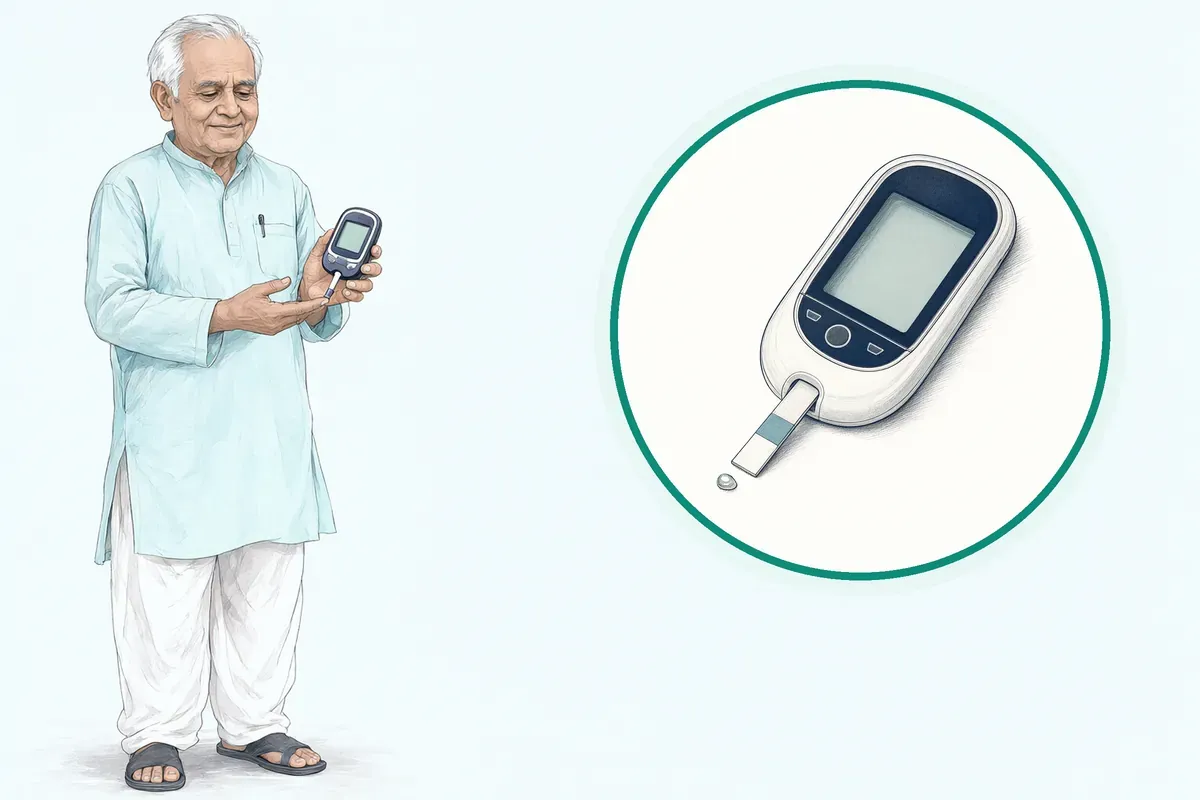
- Glucometer or CGM reader Carry it with you if you have one
- Mention pregnancy or planning pregnancy Tell your doctor at the start
- Wear comfortable shoes So your feet can be examined easily
Your first consultation at Jaipur Hospital usually lasts 20 to 30 minutes. Bring any recent blood reports, especially HbA1c, fasting and post-meal glucose, lipid profile, kidney function tests, and urine microalbumin results. If you have a glucometer or continuous glucose monitor (CGM) reader, carry it with you.
Write down the names and doses of all medicines you take, including insulin, oral tablets, blood pressure drugs, cholesterol medicines, and any supplements. Note the times you usually take them. Tell your doctor about any low glucose episodes, infections, foot wounds, vision changes, or planned surgeries. If you are pregnant or planning pregnancy, mention it at the start.
No fasting is needed for the visit itself, but your doctor may ask you to come fasting on a later day for specific blood tests. Wear comfortable shoes so your feet can be examined easily. An attendant can stay with you during the consultation.
How diabetes and metabolic care is delivered at Jaipur Hospital
- Outpatient review and examination History, feet, blood pressure, weight checked
- Start lifestyle and oral medicines Metformin, SGLT2 inhibitors, or GLP-1 agonists
- Add insulin if targets not met Basal-bolus or premixed regimens, self-injection taught
- Use CGM for detailed patterns Sensor worn 7 to 14 days to fine-tune treatment
- Annual complication screening Retinal photo, urine albumin, kidney, nerve, vascular checks
- Follow-up every 1 to 3 months Schedule depends on glucose control
Care is provided as an outpatient service. Your doctor reviews your history, examines you, and checks your feet, blood pressure, and weight. Based on current guidelines, treatment usually starts with lifestyle modification and oral hypoglycaemics such as Metformin, SGLT2 inhibitors, or GLP-1 agonists. If glucose targets are not met, insulin therapy may be initiated using basal-bolus or premixed regimens.
You will be taught how to inject insulin, rotate sites, and adjust doses with self-monitoring. For detailed glucose patterns, a sensor-based continuous glucose monitor (CGM) may be applied for 7 to 14 days. The data helps your doctor fine-tune medication and meal timing.
Every year, or more often if needed, you will have a complication screening that includes retinal photography, urine albumin-to-creatinine ratio, serum creatinine, nerve conduction or monofilament testing, and vascular assessment of the legs. Your surgeon or physician will advise which combination of these techniques suits you. Follow-up visits are scheduled every 1 to 3 months depending on control.
Risks and possible complications of diabetes treatment
- Hypoglycaemia
- Main risk with insulin and sulfonylureas
- Long-term complications
- Cardiovascular disease, kidney damage, nerve damage, eye disease, foot ulcers
The main risk with glucose-lowering medicines, especially insulin and sulfonylureas, is hypoglycaemia. In studies, physical activity can also lead to low glucose if you take insulin or certain diabetes medications. If you have diabetic eye problems, strength training that increases blood pressure in the eyes may be avoided.
If you have nerve problems in your feet, walking or other activities that might create blisters may need to be limited. Patients with proliferative diabetic retinopathy should avoid vigorous exercise due to the risk of vitreous haemorrhage. Those with autonomous neuropathy or using insulin or insulin secretagogues are at higher risk of hypoglycaemia after exercise.
Initial poor HbA1c and high body mass index are associated with a poorer glucose response to exercise. Your doctor will review these risks before changing your treatment or exercise plan.
Long-term complications of undermanaged diabetes include:
- Cardiovascular disease
- Kidney damage
- Nerve damage
- Eye disease
- Foot ulcers
Cardiovascular complications are the leading cause of morbidity and mortality in patients with type 2 diabetes. Hyperosmolar hyperglycaemic state (HHS) is a life-threatening acute complication that happens when glucose levels stay very high for days to weeks, leading to severe dehydration and confusion.
Recovery and aftercare for diabetes and metabolic care
Diabetes management is lifelong. After each visit, you continue your meal plan, activity schedule, and medication at home. Check your glucose as advised — usually before meals and at bedtime if on insulin, or as per your CGM alerts. Keep a record or use the device app to share data at the next review.
If you notice glucose below 70 mg/dL, take 15 grams of fast-acting carbohydrate such as glucose powder or fruit juice, recheck in 15 minutes, and repeat if needed. Tell your doctor if low glucose happens more than once a week.
If you develop fever, persistent vomiting, inability to eat, foot redness or swelling, sudden vision change, or confusion, call the hospital or visit the 24×7 emergency department. Attend all scheduled reviews for HbA1c, usually every 3 to 6 months, and annual complication screening. Your doctor may adjust medicines, add new ones, or change insulin doses based on trends.
Weight, blood pressure, and lipid targets are reviewed at each visit. Support from family and friends helps you stay on track. Mental health matters — discuss stress, anxiety, or low mood with your care team.
Results of diabetes and metabolic care in studies
In studies, medical nutrition therapy reduced HbA1c by 0.3 to 2.0 percent in patients with type 2 diabetes. Exercise interventions of at least 8 weeks led to an average HbA1c reduction of 0.66 percent. Regular physical activity improves blood glucose, reduces cardiovascular risk factors, and contributes to weight loss.
Early glycaemic interventions, as shown in the UKPDS post-trial study and Steno-2 trial, prevent diabetic complications and markedly decrease cardiovascular endpoints. Frequent nutrition education or interventions can reduce the risk for diabetic kidney disease. Dietary interventions with dietician support improve dietary habits and reduce calorie intake. Physical activity benefits diabetic neuropathy and prevents corneal nerve fibre loss.
Saxagliptin improved glycaemic control without increasing or decreasing ischaemic event rates. Patients with type 2 diabetes have a 15 percent increased risk of all-cause mortality compared with people without diabetes, with cardiovascular disease as the greatest cause. Diabetes is associated with a twofold higher risk of coronary heart disease and ischaemic stroke.
These results come from groups of patients in clinical studies; your individual outcome depends on many factors including genetics, adherence, and presence of complications.
Cost and insurance for diabetes and metabolic care in Jaipur
A single consultation typically costs ₹800 to ₹2,500. An annual care package, which includes scheduled reviews, basic investigations, and dietician input, typically ranges from ₹5,000 to ₹15,000.
The final amount depends on the number of visits, whether CGM is used, the complexity of your medication regimen, and any additional tests such as retinal photography, nerve conduction studies, or advanced lipid panels. Insulin, oral medicines, sensors, and consumables are billed separately at the in-house pharmacy.
Jaipur Hospital accepts:
- RGHS
- MAA Yojana
- CGHS
- A panel of private insurers and TPAs
Coverage for outpatient diabetes consultations, investigations, and devices varies by scheme and policy; check with your insurer or the hospital's insurance help desk before your visit. The hospital has an in-house diagnostic laboratory and imaging, so most tests are done on the same campus. Preventive health check packages are also available and may include diabetes screening.