

General Medicine · Jaipur Hospital
Rheumatology and Autoimmune Care in Jaipur
Joint pain, fatigue and flares disrupting life; we offer clear assessment and a long-term plan.
- Serving Jaipur since 1991 (35 years)
- NABH accredited
- 24×7 emergency & ICU
- Cashless: RGHS, MAA Yojana, CGHS + 22 insurers
- Treatment length
- Long-term management
- Anaesthesia
- Not needed
- Recovery
- Disease remission target
- Price
- ₹5,000 to ₹2,00,000typical range in India; ask us for an estimate
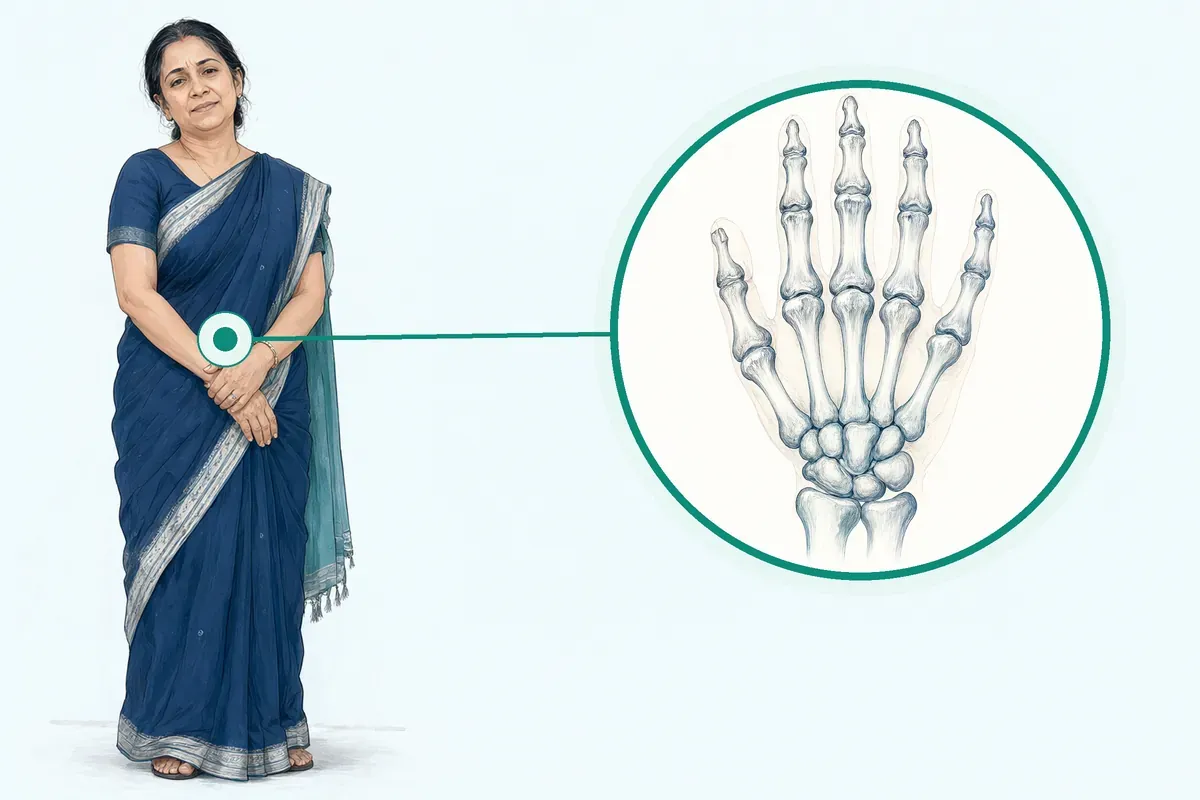
When your immune system attacks you
Pain, stiffness and unpredictable flares that stop you from working or caring for family
Autoimmune conditions cause joint swelling, fatigue and organ involvement. Without a clear diagnosis and consistent therapy, damage builds up quietly.
-
Morning stiffness lasts hours
You wake up unable to move freely, and the stiffness stays long after you start your day.
-
Flares arrive without warning
Sudden swelling, fever or rash force you to cancel plans and miss work.
-
Multiple specialists, no single plan
You see different doctors for joints, skin and kidneys, but no one coordinates the full picture.
-
Medicines stop working or cause side effects
Painkillers lose effect, and you worry about long-term steroid use.
In autoimmune disease, the immune system attacks the body instead of protecting it.
Why Jaipur Hospital
You worry that the next flare will keep you from earning or looking after the people who depend on you.
Your care plan
Your first steps with us
- 1 Book an OPD consultation with a rheumatologist
- 2 Complete blood tests and autoantibody panel in-house
- 3 Start a treat-to-target DMARD plan with regular monitoring
- 4 Attend scheduled follow-ups to adjust therapy and maintain remission
How diagnosis and long-term therapy work
We confirm the condition with clinical examination and autoantibody testing, then begin disease-modifying treatment aimed at remission. Medicines are taken at home with periodic OPD reviews and blood monitoring.
-
Conventional DMARDs
Oral medicines such as methotrexate, sulfasalazine or hydroxychloroquine that broadly calm the immune system; usually tried first.
-
Biologic Therapy
Targeted injections or infusions (anti-TNF, rituximab, tocilizumab) for disease not controlled by conventional DMARDs; given in the hospital day-care area.
-
Joint Aspiration or Injection
Fluid removed for testing or steroid injected into a swollen joint for rapid symptom relief; done in the OPD.
-
Autoantibody Panel
Blood tests including ANA, RF, anti-CCP and ANCA to confirm diagnosis and guide drug choice; processed in our own laboratory.
Why patients trust us
- 1991 Serving Jaipur for 35 years
- NABH Accredited hospital
- 1 General Medicine consultants
- 24×7 Emergency, ICU and ambulance
- 25 Cashless schemes and insurers
What studies show about DMARD treatment
-
up to 90% of patients
Early treatment can prevent joint damage progression in up to 90% of rheumatoid arthritis patients.
-
up to 75% of patients
Sequential targeted therapies after methotrexate failure allow up to 75% to reach treatment targets over time.
-
40% to 50% of patients
With methotrexate plus glucocorticoids, 40% to 50% reach remission or low disease activity.
If it is left untreated
Untreated rheumatoid arthritis can cause cartilage and bone damage and lead to disability. Lupus involves flares that affect multiple organs over time.
Life with controlled disease
Most people reach low disease activity or remission, return to daily routines and need fewer steroids.
-
Mornings become manageable
Stiffness eases within an hour, so you can start work or chores on time.
-
Fewer surprise hospital visits
Scheduled OPD reviews replace emergency trips for uncontrolled flares.
-
Lower steroid dependence
DMARDs allow doctors to taper steroids, reducing long-term side-effect risks.
-
Regular monitoring, not guesswork
Blood tests every few months track safety and keep treatment on target.

Frequently asked questions
Questions patients ask about rheumatology and autoimmune care
Which problems are assessed under rheumatology and autoimmune care?
In short
Jaipur Hospital assesses a wide range of rheumatology and autoimmune conditions. These include inflammatory arthritis such as rheumatoid arthritis, systemic lupus erythematosus, and vasculitis. The service also covers other connective tissue diseases and autoimmune disorders that affect joints, muscles, and internal organs. Long-term management is the standard approach for these chronic conditions.
In detail
Rheumatology focuses on diseases where the immune system attacks the body's own tissues, leading to inflammation and damage.
Evidence shows rheumatoid arthritis is a chronic inflammatory joint disease associated with autoantibodies, while systemic lupus erythematosus involves genetic, environmental, and hormonal factors with abnormal B-cell function and cytokine dysregulation. Vasculitis involves blood vessel inflammation. Conventional DMARDs like methotrexate, sulfasalazine, and hydroxychloroquine are first-line options.
Biologic therapies such as anti-TNF, rituximab, and tocilizumab are available for refractory cases. Autoantibody panels including ANA, RF, anti-CCP, and ANCA support diagnosis. Joint aspiration and injection serve both diagnostic and therapeutic purposes.
A common belief
Many people think rheumatology is only for joint pain, but these are systemic immune disorders that can affect organs, skin, and blood vessels.
What actually happens
Early specialist assessment changes long-term outcomes.
Your next step at Jaipur Hospital
If you have persistent joint pain, swelling, stiffness, or unexplained systemic symptoms, book a consultation at Jaipur Hospital. The rheumatology team will take a detailed history, perform a clinical examination, and order relevant autoantibody tests. Early assessment helps prevent irreversible damage.
Treatment plans are tailored to your specific diagnosis and disease activity. Call 0141-2551500 or email [email protected] to schedule your appointment.
How will the doctor decide which tests I need?
In short
The rheumatologist at Jaipur Hospital selects tests based on your symptom pattern, clinical examination findings, and suspected diagnosis. Common tests include autoantibody panels such as ANA, RF, anti-CCP, and ANCA, inflammatory markers like ESR and CRP, complete blood count, liver and kidney function, and urinalysis. Imaging such as X-ray or ultrasound may be ordered for joint assessment.
In detail
Evidence shows identification of novel autoantibodies has improved diagnostic accuracy. Newly developed classification criteria facilitate early disease recognition. Clinical assessment tools better characterise disease activity states. For rheumatoid arthritis, anti-CCP and RF support diagnosis and prognosis.
In lupus, ANA screening followed by specific antibodies guides classification. ANCA testing helps diagnose vasculitis. The 2023 EULAR recommendations for SLE management guide test selection. Baseline tests before starting DMARDs or biologics include blood counts, liver function, hepatitis B and C serology, and tuberculosis screening.
Biologic therapy requires vaccination status review and latent TB exclusion. Test choice follows a targeted approach rather than routine panels, minimising unnecessary investigations while capturing treatable features.
A common belief
Patients often expect a full-body scan or every antibody test.
What actually happens
Evidence supports targeted testing guided by clinical suspicion. Unnecessary tests add cost and anxiety without changing management. The rheumatologist follows guideline-based algorithms.
Your next step at Jaipur Hospital
The doctor will explain why each test is needed and what the results may indicate. Most blood tests are available at the in-house laboratory with same-day or next-day results. Imaging can be scheduled at the radiology department.
Fasting may be required for certain tests; the team will advise. After results return, a follow-up visit is arranged to interpret findings and finalise treatment.
How soon should I expect improvement after the chosen treatment for an autoimmune condition?
In short
At Jaipur Hospital, improvement timelines vary by medicine. Traditional DMARDs such as methotrexate, sulfasalazine and hydroxychloroquine usually take a month or more to start working. Biologic therapies including anti-TNF, rituximab and tocilizumab often begin to show effect after several weeks. You will not get immediate pain or inflammation relief when you first start these medicines.
In detail
Evidence indicates that DMARDs need time to regulate the immune system. Traditional DMARDs are taken orally and work broadly on immune pathways, so a response typically appears after four to eight weeks.
Biologics are given as injections or infusions and target specific immune components; they may act slightly faster but still require several weeks.
The treat-to-target approach aims for at least a 50 percent improvement in disease activity within three months and remission or low disease activity within six months. Regular blood tests monitor safety and response during this period.
- The treat-to-target approach aims for at least a 50 percent improvement in disease activity within three months and remission or low disease activity within six months.
A common belief
Patients often expect quick pain relief like with painkillers.
What actually happens
DMARDs are different: they modify the disease process rather than just masking symptoms. Guidelines show that the treatment target is at least 50 percent improvement by three months and remission or low disease activity by six months. Stopping early because you do not feel better right away can allow the disease to progress.
Your next step at Jaipur Hospital
Your rheumatologist will schedule follow-up visits to assess response and adjust doses. If there is insufficient improvement by three months, the treatment plan may be changed or a biologic added. Keep taking medicines as prescribed even if you do not feel better immediately.
How is an autoimmune condition confirmed?
In short
At Jaipur Hospital, an autoimmune condition is confirmed through a combination of clinical assessment, blood tests and imaging. Your rheumatologist will take a detailed history, examine your joints and other systems, and order an autoantibody panel including ANA, RF, anti-CCP and ANCA. Inflammatory markers such as ESR and CRP support the diagnosis. Early diagnosis is key to optimal therapeutic success.
In detail
Guidelines emphasise that early diagnosis and treatment can avert or substantially slow joint damage in up to 90 percent of patients.
The autoantibody panel helps classify the disease: rheumatoid factor and anti-CCP point to rheumatoid arthritis, ANA suggests lupus or other connective tissue diseases, and ANCA is associated with vasculitis. New classification criteria and clinical assessment tools improve early recognition.
Joint aspiration may be performed to analyse fluid and rule out infection or crystal arthritis. Imaging such as X-ray, ultrasound or MRI can detect early erosions or inflammation not yet visible on examination.
A common belief
Some patients think a single blood test gives the answer.
What actually happens
In reality, autoantibodies can be present in healthy people or absent in early disease. The diagnosis relies on the whole picture: symptoms, examination findings, test patterns and imaging. Relying on one test can delay or mislead treatment.
Your next step at Jaipur Hospital
If you have persistent joint pain, swelling, fatigue or other symptoms, book a consultation at Jaipur Hospital. Our rheumatology team will conduct a thorough evaluation and order the appropriate tests. Early confirmation allows timely treatment to prevent damage.
How can I decide whether to seek advice about rheumatoid arthritis DMARD therapy?
In short
Consider seeking advice if you have persistent joint pain, swelling or morning stiffness lasting more than six weeks, especially in the small joints of the hands and feet. Early diagnosis and treatment can prevent joint damage in up to 90 percent of patients. At Jaipur Hospital, our rheumatology team uses autoantibody tests such as rheumatoid factor and anti-CCP along with clinical assessment to confirm the diagnosis and start disease-modifying therapy promptly.
In detail
Rheumatoid arthritis is a chronic inflammatory autoimmune disease that primarily affects joints. Guidelines recommend early referral and a treat-to-target strategy aiming for remission or low disease activity within six months. Methotrexate is usually the first-line conventional DMARD, escalated to 25 mg weekly with short-term glucocorticoids.
If the target is not met, biologic or targeted synthetic DMARDs are added. In studies, 40 to 50 percent of patients reach remission with methotrexate plus glucocorticoids, and up to 75 percent reach target with sequential targeted therapies. Regular blood monitoring is required for liver function and blood counts.
A common belief
Waiting until joints are visibly damaged reduces the chance of full remission.
What actually happens
Blood tests like RF and anti-CCP help confirm the diagnosis early.
Your next step at Jaipur Hospital
If you notice joint swelling, prolonged morning stiffness or a family history of autoimmune disease, book an OPD appointment for evaluation. The rheumatologist will order autoantibody panels and imaging if needed, then discuss a treatment plan. Follow-up visits are typically every four to eight weeks initially to adjust doses and monitor response.
Could several medical conditions or medicines be contributing to my symptoms?
In short
Yes, multiple medical conditions and medicines can mimic or worsen autoimmune symptoms. Infections, thyroid disorders, vitamin deficiencies, fibromyalgia and certain drugs can cause joint pain, fatigue or rashes that overlap with rheumatic diseases. At Jaipur Hospital, our rheumatology team takes a detailed history of all your conditions and current medications to identify contributing factors before confirming an autoimmune diagnosis.
In detail
Autoimmune diseases share symptoms with many other conditions. For example, hypothyroidism can cause joint stiffness and fatigue; viral infections like parvovirus or chikungunya can cause acute polyarthritis; statins or certain antibiotics may trigger muscle or joint pain.
Drug-induced lupus is a known reaction to medications such as hydralazine, procainamide or TNF inhibitors. The autoantibody panel (ANA, RF, anti-CCP, ANCA) helps differentiate true autoimmune disease from mimics.
A thorough medication review is essential because some drugs can flare existing autoimmune disease or cause new autoimmunity. Comorbidities like diabetes, hypertension or liver disease also influence DMARD choice and monitoring.
A common belief
Patients often assume all joint pain is arthritis.
What actually happens
Medication side effects and metabolic disorders are common mimics that need different treatment.
Your next step at Jaipur Hospital
Bring a complete list of all medicines, supplements and past illnesses to your rheumatology appointment. The doctor will review each one, order targeted blood tests to rule out mimics, and may pause or adjust non-essential medications to clarify the picture. This evaluation typically takes one to two visits.
Which symptoms should prompt me to see a specialist?
In short
You should see a rheumatology specialist at Jaipur Hospital if you have persistent joint pain, swelling, or morning stiffness lasting more than six weeks. Other symptoms include unexplained fatigue, recurring fever, skin rashes, Raynaud's phenomenon, dry eyes or mouth, and muscle weakness. Early referral is recommended for better long-term outcomes.
In detail
Evidence highlights that early diagnosis is key to optimal therapeutic success, particularly in patients with risk factors for poor outcomes. Rheumatoid arthritis can cause cartilage and bone damage leading to disability if untreated.
Systemic lupus erythematosus follows a disease course with flares and remission involving various organs. Autoimmune diseases occur when the immune system attacks the body instead of protecting it. Conventional DMARDs have been studied extensively for efficacy and safety.
The treat-to-target strategy aims for remission or low disease activity within six months. Early treatment with methotrexate plus glucocorticoids and subsequent DMARDs improves outcomes and prevents disability. Identifying novel autoantibodies has improved diagnostic accuracy, making specialist evaluation important when these symptoms persist.
A common belief
People often wait until joints are damaged, but evidence shows early treatment within the first months prevents irreversible damage in up to 90 percent of rheumatoid arthritis patients.
What actually happens
Delaying reduces remission chances.
Your next step at Jaipur Hospital
Do not ignore persistent joint swelling, morning stiffness over 30 minutes, or systemic symptoms like unexplained rashes or prolonged fatigue. Book an appointment at Jaipur Hospital for a thorough evaluation. The rheumatologist will assess your symptom pattern, examine affected joints, and order appropriate autoantibody panels. Early intervention can prevent joint damage and organ involvement. Contact 0141-2551500 to arrange your visit.
How will the results change my care plan?
In short
Test results at Jaipur Hospital directly shape your treatment strategy by confirming the diagnosis, defining disease activity, identifying poor prognostic factors, and screening for safety before starting therapy. Positive autoantibodies with clinical features confirm diagnoses like rheumatoid arthritis or lupus. High inflammatory markers or erosions indicate need for aggressive treat-to-target therapy.
In detail
Results determine whether you start with conventional DMARDs like methotrexate, sulfasalazine, or hydroxychloroquine, or need early biologic therapy. The 2023 EULAR recommendations for SLE management guide choices: hydroxychloroquine at 5 mg/kg body weight is first-line, with glucocorticoids limited to 5 mg/day.
Poor prognostic factors such as autoantibody positivity, high disease activity, or early erosions prompt addition of biologics or JAK inhibitors. Pre-treatment screening for infections, liver function, blood counts, and latent tuberculosis is mandatory before biologics. Vaccination status is also reviewed.
Your next step at Jaipur Hospital
Your rheumatologist will explain how each result influences medication choice, dosing, and monitoring frequency. A treat-to-target approach aims for over 50 percent improvement within three months and remission or low disease activity within six months. Regular blood tests monitor safety and response.
What should I do if my autoimmune symptoms persist or worsen during treatment?
In short
If your autoimmune symptoms persist or worsen during treatment, contact your rheumatology team promptly rather than waiting for the next scheduled visit. At Jaipur Hospital, the doctors assess whether the current medication dose needs adjustment, if an additional drug is required, or if a flare needs a short course of steroids. Do not stop or change your medicines on your own.
In detail
Evidence shows that a treat-to-target strategy requires rapid adaptation of treatment if the target of remission or low disease activity is not reached within the expected timeframe. If methotrexate or another conventional DMARD fails, guidelines recommend adding a biologic or targeted synthetic DMARD.
Persistent symptoms may also signal an infection, medication side effect, or a new complication such as uveitis. Regular blood tests help distinguish a true disease flare from other causes.
The 2023 EULAR recommendations for lupus management also emphasise early escalation to biologics like rituximab or belimumab in refractory cases.
A common belief
A common mistake is stopping DMARDs because they seem not to work fast enough or because of mild side effects.
What actually happens
This can lead to a serious flare. Another mistake is assuming every new pain is the autoimmune disease; it could be an infection from the medicine itself, which needs a different approach.
Your next step at Jaipur Hospital
Call the OPD or use the hospital helpline to request an earlier appointment. Bring your recent blood reports and a list of current medicines. The rheumatologist may order repeat inflammatory markers, autoantibodies, or imaging.
What do antibody tests and inflammation markers mean for my autoimmune condition?
In short
Antibody tests and inflammation markers help confirm the diagnosis, predict disease course, and guide treatment choices. At Jaipur Hospital, the rheumatology panel includes ANA, rheumatoid factor, anti-CCP, and ANCA, while ESR and CRP measure active inflammation. These results are interpreted alongside your symptoms and examination findings.
In detail
Evidence shows that the identification of novel autoantibodies has improved diagnostic accuracy. Anti-CCP is highly specific for rheumatoid arthritis and its presence indicates a higher risk of erosive disease. Rheumatoid factor supports the diagnosis but can occur in other conditions.
ANA is a screening test for lupus and other connective tissue diseases; a positive result leads to more specific antibody testing. ANCA helps diagnose vasculitis. ESR and CRP reflect current inflammatory burden and are used to monitor treatment response.
The treat-to-target strategy uses composite indices that include these markers to decide if therapy needs escalation. In lupus, the 2023 EULAR recommendations use clinical and serological activity to guide hydroxychloroquine dosing and the addition of biologics.
A common belief
A common mistake is focusing on one number.
What actually happens
A positive ANA alone does not mean lupus. A normal CRP does not rule out all disease activity. The rheumatologist reads the pattern of antibodies, clinical signs, and trends over time to make decisions.
Your next step at Jaipur Hospital
Your rheumatologist will explain each result at your follow-up visit. Trends over time matter more than a single value. Keep a file of all reports for comparison.
FAQ library
Questions and answers about rheumatology and autoimmune care
When you contact us
Get your assessment and plan
Contact Jaipur Hospital to book a rheumatology OPD visit, review your reports and receive a clear treatment outline with a cost estimate.
- A consultation with a physician (internal medicine) in the OPD
- Your scans and reports reviewed, with tests done in-house if you need them (laboratory, X-ray and imaging)
- Your options explained in plain words, including whether you need surgery at all
- A cost estimate before you decide
- Help with cashless treatment under RGHS, MAA Yojana, CGHS and empanelled insurers and TPAs
- Follow-up visits after your treatment
Overview
Rheumatology and Autoimmune Care: what to know
What Rheumatology and Autoimmune Care Is
Rheumatology and Autoimmune Care at Jaipur Hospital focuses on conditions where the immune system attacks the body instead of protecting it. In diseases such as rheumatoid arthritis, the immune system causes chronic inflammation in the joints. Lupus, also called systemic lupus erythematosus, follows a course of flares and remission and can involve various organs.
The inflammation is driven by overactive immune cells and proteins called cytokines, including interferon, TNF-alpha, IL-6, IL-17 and others. B cells produce autoantibodies and immune complexes that deposit in tissues, while T cells and other signals keep the process going.
The result can be cartilage and bone damage in the joints and, over time, disability if the disease is not controlled.
Symptoms and Warning Signs That Need Urgent Care
- Severe headache with vision changes Needs urgent evaluation
- Rash spreading quickly with high fever May signal infection or organ involvement
Common symptoms include joint pain, swelling and stiffness that is often worse in the morning or after rest.
You may feel tired, have a low-grade fever, or notice a rash, especially with lupus.:
- Tired
- Low-grade fever
- Rash
Some people develop dry eyes and mouth, Raynaud's phenomenon where fingers turn white or blue in the cold, or mouth ulcers.
Warning signs that need the same-day attention include sudden severe joint pain with redness and heat that could mean an infected joint, sudden shortness of breath or chest pain, severe headache with vision changes, sudden weakness or numbness in a limb, or a rash that spreads quickly with high fever.
These can signal serious complications such as infection, blood clots, or organ involvement and should be evaluated in the emergency department without delay.
Causes and Who Is at Higher Risk
- Autoantibodies present
- Rheumatoid factor and anti-CCP
- Early joint damage on imaging
- Seen on X-ray or other scans
- Female sex
- Women affected more often than men
- Family history of autoimmune disease
- Increases risk
Autoimmune diseases arise from a mix of:
- Genetic
- Environmental
- Hormonal factors
In lupus, abnormal development and function of B cells lead to autoreactive cells that are not properly eliminated. Overactive T-cell-dependent B cell proliferation expands the population of memory B cells and plasma cells. Once immune tolerance is lost, autoreactive B cells propagate disease through autoantibody production, immune complex deposition, cytokine production and antigen presentation.
Elevated levels of BAFF support B cell survival and autoantibody production. A type I interferon signature is a hallmark of lupus.
Risk factors for poorer outcomes in rheumatoid arthritis include:
- High disease activity
- The presence of autoantibodies such as rheumatoid factor and anti-CCP
- Early joint damage seen on imaging
Women are affected more often than men, and a family history of autoimmune disease increases risk.
How It Is Diagnosed: Examination and Tests
Early diagnosis is key to optimal therapeutic success. Your doctor will take a detailed history and examine your joints for swelling, tenderness and range of motion.
Blood tests include an autoantibody panel such as:
- ANA
- Rheumatoid factor
- Anti-CCP
- ANCA
Inflammatory markers like ESR and CRP help assess disease activity. New clinical assessment tools and classification criteria allow earlier recognition of disease. Imaging such as X-ray, ultrasound or MRI may be used to detect early erosions or inflammation not felt on examination. The goal is to identify the disease early, before irreversible damage occurs, so that effective therapy can start promptly.
Treatment Options Without Surgery and When Surgery Is Advised
- Start conventional DMARDs Methotrexate often first-line anchor drug
- Add biologic or targeted synthetic DMARDs Anti-TNF, rituximab, tocilizumab or others
- Consider surgery if medical therapy fails Joint replacement for structural damage
Treatment aims for remission or low disease activity using a treat-to-target strategy. Disease-modifying antirheumatic drugs (DMARDs) calm the overactive immune system and slow or prevent damage you might not see or feel. Conventional synthetic DMARDs such as methotrexate, sulfasalazine and hydroxychloroquine are usually taken by mouth and have been studied the most.
Methotrexate is often the first-line anchor drug, escalated to an optimal dose with short-term glucocorticoids. In studies, 40% to 50% of patients reach remission or low disease activity with this combination. If targets are not met within 3 to 6 months, biologic DMARDs or targeted synthetic DMARDs are added.
Biologics such as anti-TNF, rituximab, tocilizumab and others target specific immune pathways and are given by injection or infusion. They usually begin to work after several weeks. Conventional DMARDs can take a month or more to start working. Regular blood tests monitor for side effects on the liver and blood cells.
Before starting biologics, you need screening for infections including tuberculosis, up-to-date vaccinations, and checks of liver function and blood counts. Hydroxychloroquine remains the first-line choice for lupus, with a target dose of 5 mg/kg body weight. Glucocorticoids are limited to 5 mg per day or less and tapered as remission is sustained.
For refractory lupus, rituximab is the biologic most often used off-label, and belimumab or anifrolumab may be added for specific manifestations. Surgery such as joint replacement is considered when medical therapy has controlled inflammation but structural damage causes persistent pain or loss of function that limits daily activities. Your surgeon will advise if and when surgery is appropriate.
Preparing for Rheumatology and Autoimmune Care treatment
Do
- Complete latent tuberculosis test before biologics
- Update vaccinations before treatment starts
Before you start DMARD therapy, your doctor will review your medical history and current medicines. You should tell the team about every tablet, supplement, or injection you use, including painkillers and herbal products. Some medicines may need to be paused or changed before treatment begins.
You will usually need blood tests to check your blood counts, liver function, and kidney function. A test for latent tuberculosis is required before starting biologic therapy. Your vaccination status will be reviewed; live vaccines are generally not recommended during treatment, so any needed vaccines should be given beforehand. If you have an active infection, treatment may be delayed until it clears.
No fasting is needed for oral DMARDs. For biologic infusions, you can eat and drink normally unless your doctor advises otherwise. Wear loose clothing with sleeves that can be rolled up for intravenous access. Bring a list of your medicines, your insurance or scheme cards, and any previous test reports. An attendant can stay with you during day-care infusions.
How Rheumatology and Autoimmune Care treatment is done
- Intravenous infusions
- Given in hospital, takes a few hours
- Subcutaneous injections
- You may learn to give yourself at home
- Monitored during and after infusion
- For immediate reactions
Treatment is long-term management given mainly in the OPD or as a day-care admission. Your surgeon will advise which option suits you based on your disease, severity, and response to earlier therapy.
Conventional DMARDs such as methotrexate, sulfasalazine, and hydroxychloroquine are usually taken as tablets at home. Methotrexate is often started at a low dose and increased gradually. Hydroxychloroquine is typically dosed by body weight. You will need regular blood tests to monitor for side effects on the liver and blood cells.
Biologic therapy includes:
- Anti-TNF agents
- Rituximab
- Tocilizumab
These are given as intravenous infusions in the hospital or as subcutaneous injections you may learn to give yourself. Infusions take a few hours; you will be seated comfortably and monitored for any immediate reaction during and after the infusion. Injections are given after cleaning the skin with antiseptic.
Joint aspiration or steroid injection may be done in the clinic for diagnostic relief or to reduce swelling in a specific joint. The skin is cleaned, local anaesthetic may be used, and a thin needle is inserted into the joint space.
Autoantibody panels such as ANA, RF, anti-CCP, and ANCA are drawn from a blood sample in the in-house laboratory to help confirm the diagnosis and guide therapy choice.
Risks and possible complications of Rheumatology and Autoimmune Care treatment
All DMARDs calm the immune system, so infections are the most common risk. Biologics carry a higher risk of serious infections, including tuberculosis, because they target specific immune pathways. Your doctor screens for latent tuberculosis before starting biologics to reduce this risk.
Some patients develop antibodies against a biologic drug, which can make it less effective over time. Injection site reactions such as redness or swelling can occur with subcutaneous biologics. Infusion reactions like fever, chills, or rash may happen during or shortly after an intravenous dose; you are monitored for these in the hospital.
Conventional DMARDs can affect the liver and blood counts. Methotrexate may cause nausea or mouth ulcers in some people. Regular blood tests are scheduled to detect these changes early so the dose can be adjusted or the medicine changed.
Long-term glucocorticoid use, when needed, can lead to bone thinning, weight gain, and raised blood sugar. The team aims to keep the dose at or below 5 mg per day and taper it as disease control improves. Joint damage and disability can still occur if disease activity is not controlled, even with treatment.
Recovery and aftercare for Rheumatology and Autoimmune Care treatment
- Traditional DMARDs start working A month or more
- Biologics begin to work Several weeks
- Blood tests repeated Every four to twelve weeks
- Follow-up appointments Regular visits to check response and adjust plan
DMARDs do not give immediate pain relief. Traditional DMARDs can take a month or more to start working. Biologics usually begin to work after several weeks. You should continue any pain medicines your doctor has prescribed until the DMARD takes effect.
You will have regular follow-up appointments to check your response and adjust the treatment plan. Blood tests are repeated at intervals your doctor sets, usually every four to twelve weeks depending on the drug. If you are on biologics, infusion or injection appointments are scheduled in advance.
Keep your vaccinations up to date, but avoid live vaccines while on treatment. Practice good hygiene and report any fever, cough, or signs of infection promptly. If you develop a new rash, shortness of breath, or swelling after an infusion or injection, contact the hospital or visit the emergency department.
Do not stop or change the dose of any DMARD without speaking to your doctor. If you need surgery or dental work, inform the treating doctor so they can coordinate with your rheumatology team about holding medicines temporarily.
The goal of long-term management is disease remission or low disease activity, which is assessed at each visit using standard disease activity scores.
Results of Rheumatology and Autoimmune Care treatment
In studies, early diagnosis and a treat-to-target strategy aimed at remission or low disease activity within six months can prevent joint damage and disability in rheumatoid arthritis. One large trial showed that methotrexate plus glucocorticoids helped 40% to 50% of patients reach this target.
When methotrexate alone is not enough, adding a biologic or targeted synthetic DMARD allowed up to 75% of those patients to reach the target over time.
Scientific advances have improved therapies that prevent progression of irreversible joint damage in up to 90% of patients with rheumatoid arthritis when treatment starts early. Disease activity states are correlated with progression of damage; keeping disease activity low preserves physical function, work, and social participation.
In systemic lupus erythematosus, hydroxychloroquine remains the first-line choice and is continued long-term. Biologics such as belimumab, anifrolumab, and rituximab are used for refractory disease or specific organ involvement like lupus nephritis. Recent therapeutic progress, including biologics, has improved management and prognosis in lupus.
Many patients still do not respond fully to current therapies, and new treatments are being studied. Your doctor will monitor your disease activity scores and adjust therapy if the target is not met within the expected time.
Cost and insurance for Rheumatology and Autoimmune Care in Jaipur
- ₹5,000 to ₹2,00,000 Typical cost range in India
- OPD visits to up to three nights Hospital stay range
The typical cost range for long-term management in India is ₹5,000 to ₹2,00,000. The exact amount depends on the type of medicine, dose, frequency, and duration. Conventional DMARDs are generally more affordable than biologics. Biologic therapy in India typically ranges from ₹30,000 to ₹1,50,000 per month; biosimilar versions have reduced costs compared to originator biologics.
Hospital stay may range from OPD visits only to up to three nights for complex infusions or flares. Day-care infusion charges, nursing care, and investigation costs add to the total. Ask the hospital for an estimate based on your prescribed regimen.
Jaipur Hospital is empaneled under:
- RGHS
- MAA Yojana
- CGHS
- A panel of private insurers and TPAs
Coverage for DMARDs and biologics varies by scheme and policy; some require pre-authorisation. Bring your scheme or insurance card and a photo ID at each visit. The hospital can help you understand what your plan covers and what documents are needed for claims.