

Physiotherapy · Jaipur Hospital
Cardiopulmonary Physiotherapy in Jaipur
Breathlessness limits your daily life. We assess you and give a clear, supervised plan.
- Serving Jaipur since 1991 (35 years)
- NABH accredited
- 24×7 emergency & ICU
- Cashless: RGHS, MAA Yojana, CGHS + 22 insurers
- Session length
- 30 to 45 minutes per session
- Anaesthesia
- Not needed
- Recovery
- Cardiac rehab: 12 to 36 supervised sessionsChronic lung: maintenance
- Price
- ₹800 to ₹2,200 per sessiontypical range in India; ask us for an estimate
Breathlessness steals your independence
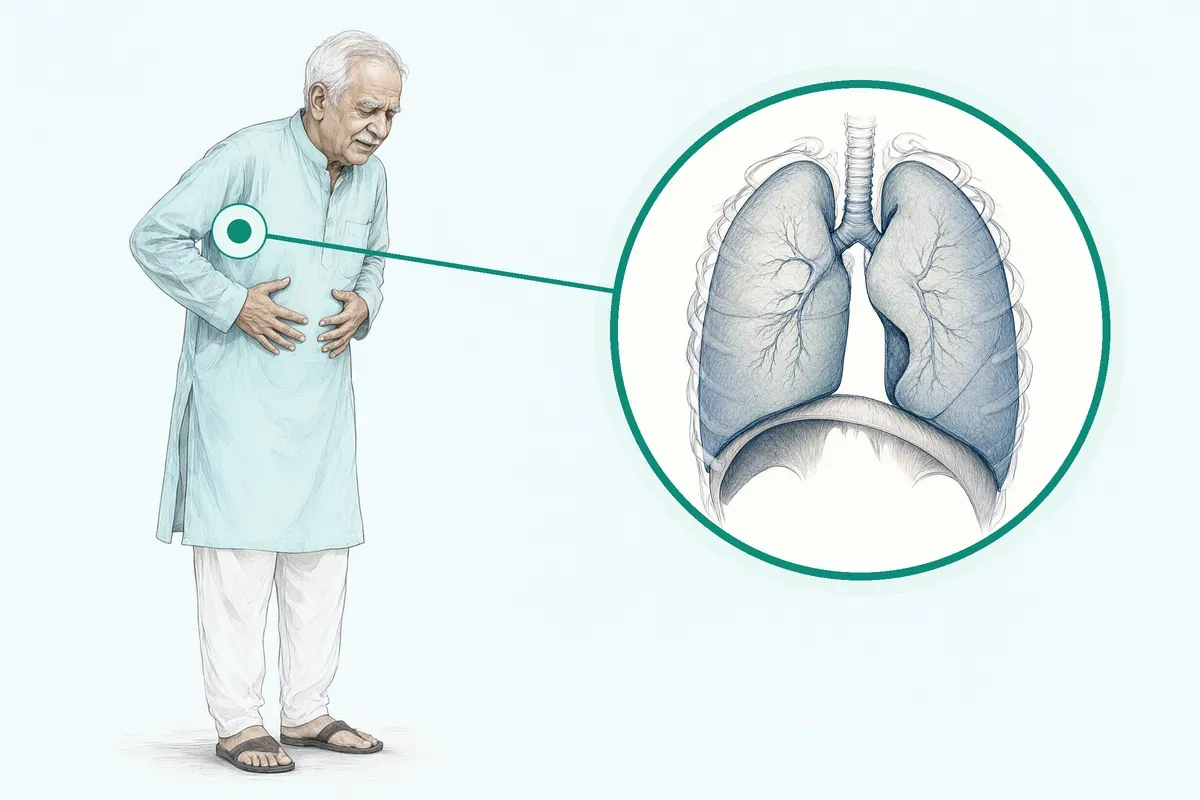
Shortness of breath and fatigue stop you from doing simple tasks
Walking across a room, climbing stairs, or carrying groceries leaves you gasping. You avoid activity, muscles weaken, and the cycle worsens. Many patients feel anxious about exertion and unsure what is safe.
-
Daily tasks feel impossible
Short walks or household chores cause severe breathlessness and leg discomfort.
-
Fear of exertion
You worry that exercise might trigger chest pain or worsening symptoms.
-
Muscle weakness grows
Inactivity leads to muscle loss, making movement even harder over time.
-
Repeated hospital visits
Frequent exacerbations or heart failure episodes disrupt life and increase costs.
-
No clear guidance
You do not know which exercises are safe or how to progress without risk.
Shortness of breath and peripheral muscle discomfort are the major factors that limit exercise capacity in COPD and heart failure.
Why Jaipur Hospital
You worry that every breathless episode means another hospital stay and time away from work or family.
Your care plan
Your first steps with us
- 1 Call or visit OPD for initial assessment
- 2 Get a personalised exercise plan with monitoring
- 3 Attend supervised sessions 30 to 45 minutes each
- 4 Continue maintenance exercises at home or in groups
How the sessions work
A physiotherapist assesses your breathing, heart rate and oxygen levels, then guides you through graded exercises with continuous monitoring. Sessions last 30 to 45 minutes.
-
Breathing Retraining
Diaphragmatic, pursed-lip and segmental breathing techniques to reduce breathlessness and improve ventilation.
-
Airway Clearance
ACBT, percussion, vibration and suctioning assistance to clear secretions and ease breathing.
-
Graded Exercise Training
Cycle or treadmill work with heart rate and SpO2 monitoring, progressed safely over weeks.
-
Incentive Spirometry
Lung expansion exercises used after surgery or pneumonia to prevent collapse and improve volume.
Why patients trust us
- 1991 Serving Jaipur for 35 years
- NABH Accredited hospital
- 1 Physiotherapy consultants
- 24×7 Emergency, ICU and ambulance
- 25 Cashless schemes and insurers
What research shows about cardiopulmonary rehabilitation
-
Significant reductions in cardiovascular mortality and re-hospitalisation
Participation in cardiac rehab is linked to lower death rates and fewer repeat admissions in studied groups.
-
Improved functional capacity and muscle function
Programmes partly reverse muscle weakness and increase exercise tolerance in both COPD and heart failure patients.
-
Reduced breathlessness and leg discomfort during activity
Training induces peripheral muscle adaptations that lessen dyspnoea and muscle fatigue during exertion.
If it is left untreated
Without structured rehabilitation, breathlessness and muscle weakness typically worsen, leading to lower daily activity, more frequent exacerbations, higher risk of hospital admission, and reduced life expectancy.
Life after completing the programme
Most people regain confidence in movement, manage daily tasks with less breathlessness, and continue safe exercise habits at home.
-
Walk further with less effort
Graded training helps you cover longer distances before feeling breathless or tired.
-
Fewer urgent hospital visits
Regular supervised exercise is linked to lower rates of readmission for heart or lung flare-ups.
-
Return to work or family roles
Improved endurance lets you resume responsibilities you had to pause because of fatigue.
-
Know your safe limits
You learn to monitor your own heart rate and oxygen, so you can exercise independently.
Frequently asked questions
Questions patients ask about cardiopulmonary physiotherapy
What does cardiopulmonary physiotherapy involve?
In short
Cardiopulmonary physiotherapy at Jaipur Hospital involves breathing retraining, airway clearance techniques, and graded exercise training tailored to your heart or lung condition. Sessions last 30 to 45 minutes and may include diaphragmatic breathing, pursed-lip breathing, active cycle of breathing techniques, percussion, vibration, incentive spirometry, and supervised cycling or treadmill work with continuous heart rate and oxygen saturation monitoring.
In detail
The programme uses evidence-based techniques to improve lung expansion, clear secretions, and build exercise tolerance. Breathing retraining helps you use the diaphragm more efficiently and reduces the work of breathing.
Airway clearance methods such as active cycle of breathing techniques and percussion mobilise sputum so it can be expectorated.
Graded exercise training on a cycle ergometer or treadmill is progressed using interval or continuous protocols while staff monitor heart rate, blood pressure, and SpO2 to keep you within a safe training zone. Incentive spirometry is added after surgery or pneumonia to prevent atelectasis.
Studies show these components partially reverse peripheral muscle weakness, improve functional capacity, and reduce breathlessness and leg discomfort during activity.
Your next step at Jaipur Hospital
Your first step is an assessment by the physiotherapy team, who will review your medical history, current medications, and any recent test results such as spirometry or an exercise stress test. A personalised plan is then created using the FITT principle (frequency, intensity, time, type).
Most cardiac rehabilitation programmes run for 12 to 36 supervised sessions, while chronic lung conditions often need a maintenance schedule. Wear loose, comfortable clothing and supportive shoes. To begin, book a consultation at Jaipur Hospital.
What happens during the first session of cardiopulmonary physiotherapy?
In short
During your first session at Jaipur Hospital, the physiotherapy team will take a detailed history, review your referral and investigation reports, and perform a physical assessment that may include a six-minute walk test and baseline measurements of heart rate, blood pressure, and oxygen saturation at rest and with exertion. They will explain the programme structure, safety monitoring, and teach you basic breathing techniques such as diaphragmatic and pursed-lip breathing.
In detail
The initial assessment follows the FITT principle to create a personalised exercise prescription. For cardiac patients, a graded exercise stress test on a treadmill may be arranged to define safe training heart rate zones.
Continuous ECG telemetry monitoring is set up so the clinical team can watch your heart rhythm in real time throughout every session.
The team will also assess your ability to perform airway clearance techniques such as the active cycle of breathing techniques, percussion, or vibration if sputum clearance is a goal.
Education on warning symptoms, such as chest pain or excessive breathlessness, is provided so you know when to alert staff immediately. Studies show that a thorough baseline evaluation allows safe progression and reduces the risk of adverse events during supervised training.
Your next step at Jaipur Hospital
Wear loose, comfortable clothing such as track pants and a t-shirt, and supportive athletic shoes. Bring your referral letter, recent test reports, medication list, and any insurance or scheme cards. The first session typically lasts 30 to 45 minutes.
After assessment, a schedule is agreed, usually three times per week for cardiac rehabilitation or a maintenance plan for chronic lung disease. To start, book a consultation at Jaipur Hospital.
How soon should I notice an improvement from cardiopulmonary physiotherapy?
In short
At Jaipur Hospital, many patients begin to feel less breathless and more confident within the first few weeks of supervised cardiopulmonary physiotherapy. Functional gains such as walking farther or climbing stairs with less effort typically appear after 6 to 12 sessions. The exact timeline depends on your diagnosis, baseline fitness, and how consistently you attend.
In detail
Studies show that participation in cardiopulmonary rehabilitation programmes induces significant peripheral muscle adaptations that reduce locomotor muscle discomfort and dyspnoea during exercise. In structured programmes, patients attend three sessions per week for 12 weeks, totalling 36 supervised sessions.
Research demonstrates that both short (3 weeks) and longer-term (18 weeks) supervised training programmes significantly increase daily physical activity levels. Benefits include improved aerobic capacity, better endothelial function, and reduced ventilatory requirement, which lessens perceived breathlessness.
However, evidence also indicates that benefits regress soon after programme completion if maintenance exercise is not continued. Your physiotherapist will track progress using measures like the six-minute walk test, heart rate response, and symptom scores to ensure you are moving in the right direction.
A common belief
A common belief is that one or two sessions should show dramatic change.
What actually happens
In reality, muscle and cardiovascular adaptations need repeated stimulus. Gains also fade quickly if you stop, so a maintenance plan matters as much as the start.
Your next step at Jaipur Hospital
Expect an initial review after 6 to 12 sessions to assess functional improvement. Your surgeon or physician will guide the next steps, which may include continuing supervised sessions, transitioning to a maintenance programme, or adding home-based exercises. Regular attendance is key.
How can I decide whether to seek advice about chest physiotherapy?
In short
Seek advice about chest physiotherapy at Jaipur Hospital if you have a diagnosed heart or lung condition such as COPD, chronic heart failure, recent cardiac surgery, pneumonia, or bronchiectasis, and you experience persistent breathlessness, difficulty clearing sputum, reduced exercise tolerance, or frequent chest infections. A referral from your treating doctor is the usual first step.
In detail
Evidence shows that cardiopulmonary rehabilitation programmes partially reverse muscle weakness and increase functional capacity in both COPD and congestive heart failure. They also reduce hospital readmissions for cardiovascular events and COPD exacerbations.
Guidelines recommend structured exercise training and airway clearance techniques like ACBT, percussion, and vibration for these conditions. Tele-rehabilitation studies show improved daily activity and quality of life when patients start early.
A common belief
Many people wait until they are very unwell.
What actually happens
Starting earlier, when symptoms first limit daily life, leads to better functional gains and fewer hospital admissions.
Your next step at Jaipur Hospital
Discuss your symptoms with your GP, cardiologist, or pulmonologist. Ask whether a supervised programme with graded exercise, breathing retraining, and airway clearance suits you. The initial assessment includes a six-minute walk test and medical history review.
What is Cardiopulmonary Physiotherapy?
In short
Cardiopulmonary physiotherapy is a specialised branch of physiotherapy that uses breathing retraining, airway clearance techniques, and graded exercise training to improve heart and lung function. Jaipur Hospital provides this service for conditions such as chronic obstructive pulmonary disease, chronic heart failure, post‑operative recovery, and pneumonia. Sessions last 30 to 45 minutes and are usually outpatient.
In detail
The therapy includes diaphragmatic breathing, pursed‑lip breathing, and segmental expansion to improve ventilation. Airway clearance uses the active cycle of breathing technique, percussion, vibration, and suction assistance to remove secretions.
Graded exercise training on a cycle or treadmill is performed with continuous heart‑rate and oxygen‑saturation monitoring. Incentive spirometry helps lung expansion after surgery or pneumonia. Evidence shows these programmes partially reverse muscle weakness, increase functional capacity, and reduce breathlessness and leg discomfort during activity.
In studies, participation is linked to fewer hospital readmissions for COPD exacerbations or cardiovascular events. The physiotherapist tailors intensity using interval or constant‑load methods depending on symptom limitation.
A common belief
People often confuse it with general physiotherapy for joints or muscles.
What actually happens
Cardiopulmonary physiotherapy specifically targets breathlessness, secretion clearance, and cardiovascular endurance using protocols like ACBT and incentive spirometry.
Your next step at Jaipur Hospital
Your doctor or pulmonologist can refer you to the cardiopulmonary physiotherapy team. The first visit includes an assessment of breathlessness, exercise tolerance, and sputum production. A typical cardiac rehab course involves 12 to 36 supervised sessions; chronic lung conditions often need maintenance sessions.
How will the therapist adapt treatment to my home, work, and activity goals?
In short
The therapist designs your programme around your daily routine, job demands, and personal activity goals. Jaipur Hospital uses the FITT principle — frequency, intensity, time, and type — to create a plan that fits your schedule and progresses safely. The therapist discusses your home environment, work tasks, and leisure activities during the first assessment.
In detail
For cardiac patients, Phase II sessions are usually three times a week at the hospital, but the therapist also prescribes home‑based walking or cycling on non‑session days.
For chronic lung conditions, the therapist teaches breathing techniques and airway clearance you can do at home or at work.
If travel is difficult, the team may suggest tele‑rehabilitation options using a smartphone app, step counter, and remote check‑ins, which studies show can improve daily activity levels and adherence.
The exercise intensity is set using heart‑rate reserve or dyspnoea scales so you can replicate it safely outside the hospital. Education covers pacing strategies for work shifts, stair climbing, and household chores. The goal is to transfer skills from the supervised setting to independent, lifelong activity.
A common belief
Many programmes give a generic sheet of exercises.
What actually happens
Here, the therapist asks about your shift times, stairs at home, and commute, then builds a plan you can actually follow, with remote support if needed.
Your next step at Jaipur Hospital
Bring a description of your typical day, work hours, and any stairs or walking you do to the first visit. The therapist will set short‑term goals (e.g., walk 200 metres without stopping) and long‑term goals (return to full work duties). Progress is reviewed every two to four weeks.
Who is likely to benefit from cardiopulmonary physiotherapy?
In short
Cardiopulmonary physiotherapy at Jaipur Hospital benefits adults with heart or lung conditions such as recent heart attack, coronary angioplasty or stenting, coronary artery bypass graft surgery, heart valve repair or replacement, heart transplant, stable angina, certain types of heart failure, chronic obstructive pulmonary disease, bronchiectasis, post-surgical lung atelectasis, or pneumonia. People with diabetes, arthritis, or other comorbidities can also take part because the programme is adapted to individual limitations.
In detail
Clinical guidelines recommend cardiac rehabilitation for a wide range of cardiac indications as secondary prevention. For lung conditions, the Global Initiative for Chronic Obstructive Lung Disease emphasises assessment of symptoms, airflow limitation, exacerbation history, and comorbidities before prescribing non-pharmacologic management including exercise training.
Evidence shows participation in cardiopulmonary rehabilitation programmes is associated with significant reductions in cardiovascular mortality and re-hospitalisation, improved quality of life, increased functional capacity, and reduced breathlessness and leg discomfort during daily activities.
Interval training protocols allow even patients with severe symptoms to tolerate higher work rates with lower metabolic demand. The multidisciplinary team at Jaipur Hospital includes physiotherapists, nurses, dietitians, and mental health professionals who tailor each programme.
Your next step at Jaipur Hospital
If you have been diagnosed with any of the conditions listed, ask your treating doctor whether a referral to cardiopulmonary physiotherapy is appropriate.
The team at Jaipur Hospital will perform an initial assessment that may include a six-minute walk test and a graded exercise stress test to set safe training targets. Sessions are usually offered three times per week for cardiac rehabilitation, with a maintenance phase thereafter. For chronic lung disease, a maintenance schedule is planned.
How long does a cardiopulmonary physiotherapy session last?
In short
Each cardiopulmonary physiotherapy session at Jaipur Hospital typically lasts 30 to 45 minutes. The exact duration depends on your condition, the phase of rehabilitation, and the specific components included such as warm-up, supervised exercise training, breathing retraining, airway clearance, and cool-down with monitoring.
In detail
Session length is designed to provide an effective training stimulus while keeping you within safe physiological limits. For cardiac rehabilitation, guidelines recommend structured exercise training that includes aerobic and resistance components, with continuous ECG telemetry monitoring throughout.
Interval training protocols, which alternate higher-intensity work periods with rest or lower-intensity periods, allow patients with symptom limitations to accumulate more total work in a session without excessive breathlessness or leg discomfort.
For chronic lung conditions, time is also allocated for airway clearance techniques such as active cycle of breathing techniques, percussion, or vibration, and for incentive spirometry when indicated.
The multidisciplinary team adjusts the duration and intensity at each visit based on your response, heart rate, blood pressure, and oxygen saturation trends.
Your next step at Jaipur Hospital
Plan to arrive a few minutes early so you are ready to start on time. Wear comfortable clothing and supportive shoes. The team will record your vital signs before, during, and after the session.
Most cardiac rehabilitation programmes involve three sessions per week for 12 to 36 sessions, while chronic lung programmes may follow a maintenance schedule. To arrange your first session, book a consultation at Jaipur Hospital.
How will progress be measured during cardiopulmonary physiotherapy?
In short
At Jaipur Hospital, progress in cardiopulmonary physiotherapy is measured using objective tests and continuous monitoring. The initial assessment often includes a six-minute walk test to set a baseline. During each session, staff track heart rate, blood pressure, oxygen saturation, and perceived exertion. Functional capacity, symptom scores, and quality-of-life questionnaires are repeated at set intervals.
In detail
Evidence supports a multidisciplinary approach where physiotherapists, nurses, and physicians use standardised tools. The six-minute walk test is a validated measure of functional capacity in both cardiac and pulmonary conditions. Continuous ECG telemetry during exercise provides real-time data on heart rhythm and rate response.
The Borg scale or modified Medical Research Council dyspnoea scale quantifies breathlessness. Graded exercise stress tests on a treadmill may be used before and after the programme to define safe training zones.
Studies show that participation in rehabilitation induces significant improvements in functional capacity and muscle adaptations, which these tools capture. Regular reassessment allows the team to adjust the FITT-based exercise prescription — frequency, intensity, time, and type — so training remains effective and safe.
A common belief
Some people rely only on how they feel day to day.
What actually happens
Feelings can mislead — you may feel tired while your heart is actually getting stronger. Objective tests cut through that noise and let us adjust your programme precisely.
Your next step at Jaipur Hospital
You will receive feedback after each session and a formal progress review typically every 2 to 4 weeks. Your surgeon or physician will discuss the results and update the plan. Consistent attendance ensures reliable data.
How can I decide whether to seek advice about breathing exercises?
In short
At Jaipur Hospital, you should seek advice about breathing exercises if you experience shortness of breath during routine activities, have a diagnosed respiratory or cardiac condition, are preparing for or recovering from surgery, or feel your breathing pattern is shallow, rapid, or effortful. A physiotherapy assessment can identify whether diaphragmatic breathing, pursed-lip breathing, or segmental breathing will help.
In detail
Evidence indicates that breathing retraining — including diaphragmatic, pursed-lip, and segmental techniques — reduces dyspnoea, improves ventilation efficiency, and lowers respiratory rate in patients with COPD and heart failure.
Studies show that exercise-induced metabolic acidosis increases respiratory drive and intensifies breathlessness; controlled breathing patterns counteract this response. Incentive spirometry is standard after thoracic or upper abdominal surgery to prevent atelectasis and pneumonia.
The GOLD guidelines recommend non-pharmacologic management matched to symptom severity and exacerbation risk. If you avoid stairs, walk slower than peers, or wake breathless at night, these are practical signs that breathing retraining may improve your daily function. Your physician or surgeon can refer you for a formal evaluation.
A common belief
People often try deep breathing on their own from videos.
What actually happens
Without guidance, they may use accessory muscles, hyperventilate, or reinforce bad patterns. A therapist ensures you activate the diaphragm correctly and match the technique to your specific condition.
Your next step at Jaipur Hospital
Visit the physiotherapy OPD at Jaipur Hospital for a brief assessment of your breathing pattern, oxygen saturation on exertion, and exercise tolerance. The therapist will teach you the appropriate technique and prescribe a home practice schedule. Regular supervised sessions reinforce correct form.
FAQ library
Questions and answers about cardiopulmonary physiotherapy
When you contact us
Start your supervised rehab plan
Contact Jaipur Hospital for an OPD assessment with a physiotherapist who will review your reports and explain your options.
- A consultation with a physiotherapist in the OPD
- Your scans and reports reviewed, with tests done in-house if you need them (laboratory, X-ray and imaging)
- Your options explained in plain words, including whether you need surgery at all
- A cost estimate before you decide
- Help with cashless treatment under RGHS, MAA Yojana, CGHS and empanelled insurers and TPAs
- Follow-up visits after your treatment
Overview
Cardiopulmonary Physiotherapy: what to know
What is Cardiopulmonary Physiotherapy and the Conditions It Helps
- Muscle fibre shift
- Endurance fibres change to fast, easily tired fibres
- Less blood supply
- Reduced blood flow to muscles limits oxygen delivery
- Fewer energy structures
- Mitochondria decrease, making muscles tire quickly
- Heavy legs
- Legs feel heavy and uncomfortable when walking or climbing stairs
Cardiopulmonary physiotherapy is a specialised area of physical therapy that helps people with heart and lung conditions breathe better, clear their airways, and move more easily. It uses breathing exercises, airway clearance methods, and graded exercise training to improve how your heart and lungs work together.
When you have a heart problem such as a heart attack, heart surgery, or heart failure, the heart muscle may not pump blood as well as it should. This means your muscles get less oxygen during activity, which leads to early tiredness and shortness of breath.
In lung conditions like chronic obstructive pulmonary disease (COPD), the airways become narrow and the air sacs lose their stretch. Air gets trapped in the lungs, making it hard to breathe out fully. This also causes shortness of breath and limits what you can do each day.
Both heart and lung problems cause changes in your muscles. Muscle fibres shift from slow, endurance types to fast, easily tired types. There is less blood supply and fewer energy-producing structures in the muscles. These changes make your legs feel heavy and uncomfortable when you walk or climb stairs.
Cardiopulmonary physiotherapy aims to reverse some of these muscle changes, improve your breathing pattern, and build your exercise capacity step by step.
Symptoms and Warning Signs That Need Urgent Care
- Chest pain or pressure
- Sudden severe breathlessness at rest
- Fainting, dizziness, or confusion
- Coughing up blood
- Rapid or irregular heartbeat
- Bluish lips or fingers
The most common symptoms that bring people to cardiopulmonary physiotherapy are shortness of breath during activity and discomfort or heaviness in the legs when walking. These happen because the heart and lungs cannot meet the body's need for oxygen, and the muscles tire quickly.
You may also notice a cough that does not go away, wheezing, or a feeling of tightness in the chest. In heart conditions, swelling in the ankles or sudden weight gain from fluid build-up can appear. Fatigue that limits your usual routine is another frequent complaint.
Some warning signs need medical attention the same day. Call your doctor or go to the emergency department if you have:
- Chest pain or pressure that is new or getting worse
- Sudden severe shortness of breath at rest
- Fainting, dizziness, or confusion
- Coughing up blood
- Rapid or irregular heartbeat that does not settle with rest
- Bluish lips or fingers
These symptoms can mean a heart attack, a dangerous heart rhythm, a blood clot in the lung, or a severe flare-up of a lung condition. Do not wait for a physiotherapy session if any of these occur.
Causes and Who Is at Higher Risk
- Heart conditions
- Heart attack, valve surgery, bypass, transplant, angina, heart failure
- Lung conditions
- COPD, bronchitis, emphysema, bronchiectasis, fibrosis, post-pneumonia
- Key risk factors
- High BP, cholesterol, diabetes, smoking, overweight, family history, age, inactivity
- Barriers to joining
- No referral, cost, transport, family support, depression, not seeing early benefit
Heart conditions that lead to cardiopulmonary physiotherapy include:
- Heart attack
- Coronary artery disease
- Heart valve surgery
- Coronary artery bypass surgery
- Heart transplant
- Stable angina
- Certain types of heart failure
Lung conditions include:
- COPD
- Chronic bronchitis
- Emphysema
- Bronchiectasis
- Pulmonary fibrosis
- Recovery after pneumonia or chest surgery
India carries a high burden of cardiovascular disease, and the development of cardiac rehabilitation programmes has been slow compared to the need.
Risk factors that make these conditions more likely include:
- High blood pressure
- High cholesterol
- Diabetes
- Smoking or past smoking
- Being overweight
- Family history of heart or lung disease
- Age over 45 for men and over 55 for women
- Physical inactivity
People with other health problems such as diabetes or arthritis can still benefit from cardiopulmonary physiotherapy. The exercise plan is adjusted for joint pain or other limitations, and education covers managing these conditions together.
Barriers that stop many eligible patients from joining a programme include lack of referral from a doctor, cost concerns, transport difficulties, lack of family support, depression, and not seeing the benefit early on.
How Heart and Lung Conditions Are Diagnosed
Diagnosis starts with your doctor asking about your symptoms, medical history, and daily activity level. A physical examination checks your heart rate, blood pressure, oxygen level, and breathing sounds.
For lung conditions like COPD, spirometry is required. This simple breathing test measures how much air you can blow out and how fast. It confirms the diagnosis and shows how severe the airflow limitation is.
The doctor also assesses your symptom score, how often you have flare-ups, and any other illnesses you have. These factors place you into a category that guides treatment.
For heart conditions, common tests include an electrocardiogram (ECG) to check the heart rhythm, an echocardiogram to see how well the heart pumps, and sometimes a treadmill stress test to measure exercise capacity. Blood tests check cholesterol, blood sugar, and markers of heart strain.
Before starting cardiopulmonary physiotherapy at Jaipur Hospital, the team does a brief physical exam, reviews your medical history, and may ask for basic tests such as a six-minute walk test or a graded exercise stress test to set a safe starting level.
Spirometry, ECG, echocardiogram, and exercise tests are available in the hospital's in-house diagnostic laboratory and imaging department.
Non-Surgical Treatment Options and When Surgery Is Considered
- Phase I In-hospital early mobilisation
- Phase II Supervised outpatient, 36 sessions
- Phase III Lifelong maintenance at home or community
Cardiopulmonary physiotherapy is a core non-surgical treatment.
It includes breathing retraining such as:
- Diaphragmatic breathing
- Pursed-lip breathing
- Segmental breathing
Airway clearance techniques like the active cycle of breathing technique (ACBT), percussion, vibration, and suctioning assistance help clear mucus. Graded exercise training on a cycle or treadmill is done with continuous heart rate and oxygen monitoring. Incentive spirometry is used after surgery or pneumonia to expand the lungs.
Cardiac rehabilitation is recommended in clinical guidelines for comprehensive secondary prevention. It is a multidisciplinary programme that combines structured exercise, risk factor management, education, nutrition counselling, medication review, stress management, and emotional support.
Programmes usually run in phases. Phase I starts in the hospital once you are stable, with early mobilisation such as sitting up and short corridor walks. Phase II is the supervised outpatient phase, typically three sessions per week for 12 weeks (36 sessions). Phase III is lifelong maintenance, where you continue exercise at home or in a community programme.
Medications for heart and lung conditions are continued and optimised by your doctor. Smoking cessation support is offered to everyone who smokes.
Tele-rehabilitation and home-based programmes with remote monitoring are emerging options for people who cannot attend hospital sessions regularly. Studies show they can improve physical activity, functional capacity, and quality of life, and may reduce hospital readmissions.
Surgery is not a decision made in physiotherapy. Your cardiologist or pulmonologist will advise if a procedure such as angioplasty, bypass surgery, valve repair or replacement, or lung surgery is needed based on your test results and symptoms. Physiotherapy before surgery (pre-habilitation) and after surgery helps you recover faster and safer.
Preparing for Cardiopulmonary Physiotherapy
Before your first session, your surgeon or physiotherapist will review your recent medical reports.
These usually include:
- ECG
- Echocardiogram
- Chest X-ray
- Blood tests
If you have had a heart procedure, the team will check your surgical wound and any drain sites. For lung conditions, a recent spirometry report helps set the exercise intensity.
Bring a list of all medicines you take, including:
- Blood thinners
- Beta-blockers
- Inhalers
- Diabetes drugs
Your doctor may adjust the dose of beta-blockers or diuretics on exercise days. Do not stop any medicine unless your doctor tells you to.
Wear loose, comfortable clothing such as a tracksuit or kurta-pyjama and supportive sports shoes. Avoid heavy meals two hours before the session. A light snack is fine if you feel hungry. Carry a water bottle, a small towel, and your inhaler if you use one. If you have diabetes, bring a glucometer and a quick sugar source.
An attendant may stay with you during the first visit to help with registration and to learn the home exercise plan. The team will explain the session structure, monitoring equipment, and what symptoms to report immediately.
How a Cardiopulmonary Physiotherapy Session Is Done
- Check vitals Heart rate, blood pressure, oxygen saturation measured
- Breathing retraining Diaphragmatic, pursed-lip, and segmental breathing
- Airway clearance ACBT, percussion, vibration, suctioning to clear sputum
- Graded exercise Cycling or treadmill walking with heart rate and SpO2 monitoring
- Incentive spirometry Used after surgery or pneumonia to expand lungs
Each session lasts 30 to 45 minutes and does not need anaesthesia. In the outpatient setting, you report to the physiotherapy department at your scheduled time. For acute cases in the ICU or ward, the physiotherapist comes to your bedside.
The session starts with a check of your heart rate, blood pressure, and oxygen saturation. The physiotherapist then chooses techniques suited to your condition:
- Breathing retraining: diaphragmatic breathing, pursed-lip breathing, and segmental breathing to improve ventilation and reduce breathlessness.
- Airway clearance: active cycle of breathing technique (ACBT), percussion, vibration, and suctioning assistance to clear sputum.
- Graded exercise training: cycling or treadmill walking with continuous heart rate and SpO2 monitoring. Intensity is increased gradually over weeks.
- Incentive spirometry: used after surgery or pneumonia to expand the lungs and prevent collapse.
Your surgeon will advise which combination suits you. The physiotherapist progresses the load based on your symptoms and vital signs. You exercise in a group or individually, always under supervision.
Risks and Possible Complications of Cardiopulmonary Physiotherapy
Cardiopulmonary physiotherapy is generally safe because every session is supervised and vital signs are monitored continuously. The most common issue is temporary breathlessness or leg discomfort during exercise. These symptoms are expected and usually settle with rest.
In studies, some patients report muscle soreness after the first few sessions. This is similar to starting any new exercise programme and improves as muscles adapt.
Serious events such as abnormal heart rhythms, a drop in blood pressure, or chest pain are rare during supervised sessions. The clinical team is trained to recognise and treat them immediately. If you feel new or worsening chest pain, dizziness, or severe breathlessness, alert the staff at once.
No anaesthesia or invasive procedure is involved, so there are no surgical risks such as infection or bleeding.
Recovery and Aftercare After Cardiopulmonary Physiotherapy
- Phase I In-hospital early mobilisation
- Phase II Supervised outpatient with education
- Phase III Lifelong maintenance at home or gym
After each session, you rest for a few minutes while the team rechecks your vitals. Most people go home the same day. For cardiac rehabilitation, the typical programme is 12 to 36 supervised sessions, often three times a week over 12 weeks. Chronic lung conditions usually need a maintenance plan with regular sessions over a longer period.
Phase I starts in the hospital with early mobilisation such as sitting up and short corridor walks. Phase II is the supervised outpatient phase with monitored exercise, education, and counselling. Phase III is lifelong maintenance at home or a gym, with optional group sessions at the hospital.
At home, continue the breathing exercises and walking plan given by your physiotherapist. Use a step counter or diary to track daily activity. Family members are encouraged to join education sessions on nutrition, stress management, and medication routines.
Call the hospital or your doctor if you notice new chest pain, irregular heartbeat, sudden swelling in the legs, fever, or a sharp increase in breathlessness at rest. Keep your follow-up appointments so the team can adjust your programme.
Results of Cardiopulmonary Physiotherapy
- up to five years Life expectancy gain
- 10 to 30 percent Non-completion rate
In studies, participation in cardiopulmonary rehabilitation is associated with significant reductions in cardiovascular mortality and re-hospitalisation, and with improvements in quality of life. One large trial showed that completing a cardiac rehab programme can add up to five years to life expectancy.
Programmes partially reverse muscle weakness and dysfunction and increase functional capacity in both COPD and heart failure. They induce peripheral muscle adaptations that lessen leg discomfort and breathlessness during exercise. Interval training allows patients to tolerate higher work rates with lower symptoms compared with constant-load training.
Home-based tele-monitoring programmes have shown significant increases in clinical status, functional capacity, and quality of life, and are associated with fewer hospital readmissions for heart failure or COPD exacerbations.
Benefits tend to regress after the programme ends if exercise is not continued. Long-term maintenance is therefore essential. About 10 to 30 percent of enrolled participants do not complete the full programme due to barriers such as transport, family support, or mood. Your team will help you plan a sustainable routine.
Cost and Insurance for Cardiopulmonary Physiotherapy in Jaipur
A typical session costs between ₹800 and ₹2,200. The exact amount depends on whether the session is in the outpatient department or at the bedside in the ICU or ward, the duration, and the techniques used. A full cardiac rehabilitation programme of 36 sessions would fall within the per-session range multiplied by the number of sessions.
Most patients pay out of pocket for these services.
Jaipur Hospital is empanelled under:
- RGHS
- MAA Yojana
- CGHS
- A panel of private insurers and TPAs
Coverage for physiotherapy varies by scheme and policy. Check with your insurer or the hospital's insurance desk to confirm what is covered and whether pre-authorisation is needed.
The hospital has an in-house pharmacy and diagnostic laboratory, so any medicines or tests prescribed during the programme can be obtained on site. Preventive health check packages are also available if your doctor advises a repeat assessment.