

Pulmonology · Jaipur Hospital
COPD Management in Jaipur
When constant breathlessness limits daily activity, Jaipur Hospital offers clinical assessment, in-house testing, and a long-term medical plan.
- Serving Jaipur since 1991 (35 years)
- NABH accredited
- 24×7 emergency & ICU
- Cashless: RGHS, MAA Yojana, CGHS + 22 insurers
- Session length
- 30 to 45 minutes
- Anaesthesia
- Not needed
- Recovery
- Long-term disease management, pulmonary rehab advised
- Price
- ₹1,500 to ₹5,000 per consultation₹15,000 to ₹40,000 for exacerbation admission packagetypical range in India; ask us for an estimate
Living with daily breathing difficulty
You feel short of breath during simple tasks
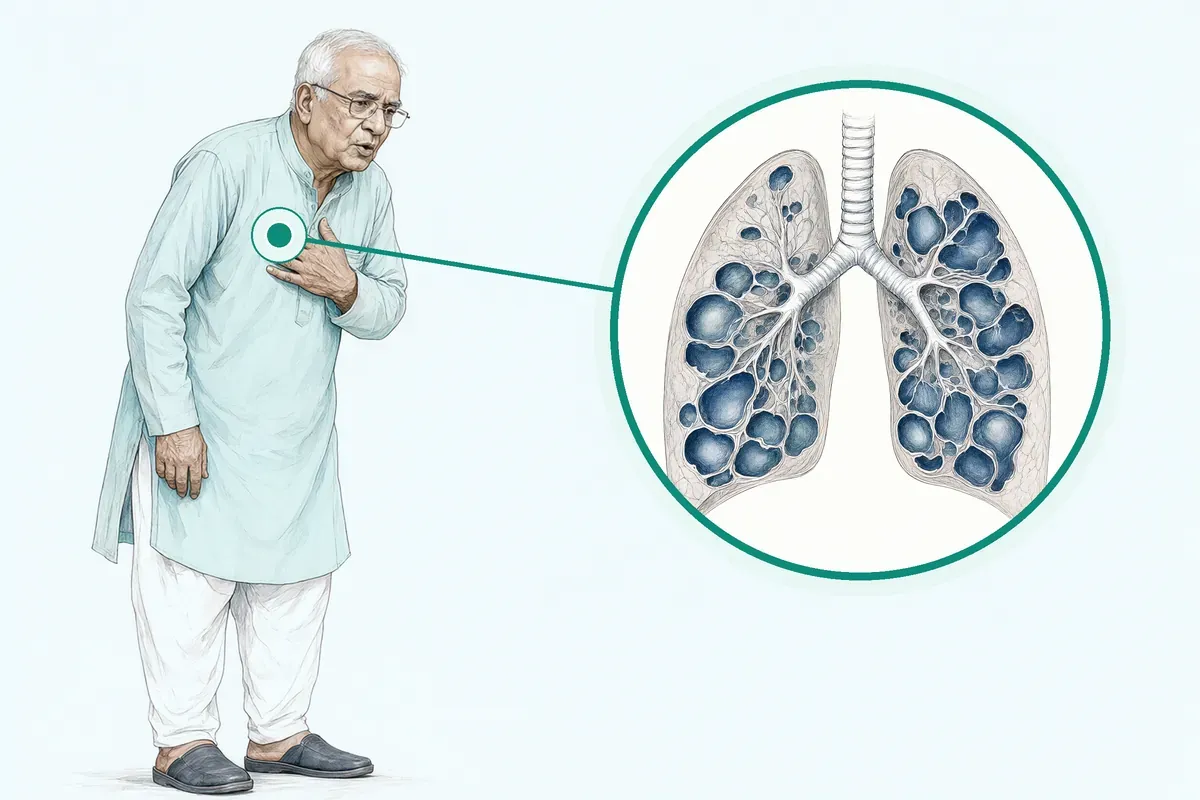
Daily walking or climbing stairs feels difficult. Frequent chest congestion, persistent cough, and tiredness can disrupt your routine and leave you worried about sudden flare-ups.
-
Persistent cough and sputum
Long-standing mucus buildup and morning coughing fits make everyday mornings exhausting and uncomfortable.
-
Increasing shortness of breath
Walking even short distances can leave you breathless, limiting your normal work and family activities.
-
Frequent chest flare-ups
Sudden worsening of symptoms can lead to urgent hospital visits and disruption to your daily life.
Non-fully reversible airflow limitation in COPD is confirmed when the post-bronchodilator FEV1/FVC ratio is under 0.7.
Why Jaipur Hospital
You may worry about the ongoing cost of medicines, emergency visits, and missing time from work.
Your care plan
Your first steps with us
- 1 Attend your OPD consultation with our chest physician.
- 2 Complete in-house spirometry, imaging, or laboratory tests if recommended.
- 3 Review your personalised medical plan and home exercise guidance.
- 4 Continue scheduled follow-up visits to monitor your lung health.
How COPD management is planned
Your pulmonologist evaluates your lung capacity, discusses medication options, and designs a supervised routine to help manage symptoms over time.
-
Post-Bronchodilator Spirometry
A breathing test your doctor will discuss to measure airflow limitation and stage the condition according to established criteria.
-
Long-Acting Bronchodilator Therapy (LAMA/LABA)
Maintenance inhalers your doctor will discuss to help relax airway muscles and reduce the frequency of flare-ups.
-
Pulmonary Rehabilitation Programme
Supervised exercise training and breathing education your doctor will discuss to build physical stamina and daily exercise tolerance.
-
Non-Invasive Ventilation (NIV)
A breathing support mask your doctor will discuss for acute respiratory difficulty during severe hospital flare-ups.
Why patients trust us
- 1991 Serving Jaipur for 35 years
- NABH Accredited hospital
- 1 Pulmonology consultants
- 24×7 Emergency, ICU and ambulance
- 25 Cashless schemes and insurers
Clinical findings on COPD care
-
43.93 meters
Mean improvement in six-minute walk distance reported in clinical trials evaluating pulmonary rehabilitation programmes.
-
1.3 times per year
Average frequency of acute symptom flare-ups reported in patients with known chronic obstructive pulmonary disease.
-
3 to 4 percent
Reported inpatient mortality rate among individuals admitted to the hospital for acute COPD exacerbations.
If it is left untreated
Leaving airway inflammation unaddressed can cause repeated flare-ups, which contribute to disease-related mortality. It may also lead to acute respiratory failure.
Living with a structured management plan
Consistent medical care and exercise guidance can help you maintain your daily routine.
-
Better daily walking stamina
Most patients usually notice improved physical exercise tolerance after completing guided pulmonary rehabilitation sessions.
-
Clearer understanding of inhalers
You and your attendant learn proper inhaler technique to manage morning breathlessness effectively at home.
-
Fewer unexpected hospital stays
Regular maintenance therapy typically helps reduce the frequency and severity of sudden chest exacerbations.
Frequently asked questions
Questions patients ask about copd management
Which problems are assessed under COPD and chronic airway disease?
In short
At Jaipur Hospital, COPD assessment covers symptoms, airflow limitation, exacerbation history and comorbidities. Your doctor evaluates breathlessness, cough, sputum, exercise limitation and the impact on daily life using standard questionnaires. Spirometry confirms the diagnosis and grades severity. Past flare-ups and other illnesses such as heart disease, diabetes or osteoporosis are also reviewed because they affect treatment choices.
In detail
Guidelines recommend a structured assessment that includes symptom burden, degree of airflow obstruction, risk of future exacerbations and the presence of comorbidities. Spirometry with post-bronchodilator FEV1/FVC below 0.7 confirms persistent airflow limitation.
Patients are grouped into categories A to D based on symptoms and exacerbation history, which guides initial therapy. Comorbidities such as cardiovascular disease, diabetes and osteoporosis are common in COPD and worsen outcomes, so they are identified early to allow integrated care.
A common belief
Many people think COPD is only about a cough or breathlessness.
What actually happens
In reality, the disease affects the whole body, and missing comorbidities can lead to poorer outcomes and more hospital visits.
Your next step at Jaipur Hospital
Your first consultation lasts 30 to 45 minutes and includes spirometry, a symptom questionnaire and a review of past records. Bring any previous chest X-rays, blood reports or inhaler lists. The pulmonologist will explain your category and outline a management plan.
How will the doctor decide which tests I need?
In short
At Jaipur Hospital, the pulmonologist selects tests based on your symptoms, examination findings, exacerbation history and suspected severity. Spirometry with post-bronchodilator measurement is the essential test to confirm COPD. Pulse oximetry, chest X-ray, arterial blood gas, blood counts, BNP and cardiac enzymes may be added if an exacerbation, infection, heart failure or other comorbidity is suspected.
In detail
Guidelines state spirometry is required for clinical diagnosis to avoid misdiagnosis and grade severity using the FEV1/FVC ratio after bronchodilation. Pulse oximetry is performed in all patients.
Chest radiography is appropriate in hospitalised patients to reveal comorbid conditions such as congestive heart failure, pneumonia or pleural effusion. Arterial blood gas on room air at admission quantifies hypercapnia and hypoxaemia.
BNP and cardiac enzymes are considered when cardiac ischaemia or heart failure are possible, as these are common comorbidities. The choice of each test follows the clinical question raised by your history and examination.
A common belief
Patients sometimes expect a full panel of tests at every visit.
What actually happens
Unnecessary tests add cost and discomfort without changing management. The doctor follows guideline-based criteria to order only what will alter your treatment.
Your next step at Jaipur Hospital
Your first visit includes spirometry and oximetry. Additional tests are ordered the same day if needed; blood results are available within hours from the in-house lab. The doctor will explain why each test is chosen and how the result changes your plan.
How soon should I expect improvement after the chosen COPD treatment?
In short
At Jaipur Hospital, the timeline for improvement depends on the specific treatment started. Bronchodilator inhalers often ease breathlessness within minutes to hours. Pulmonary rehabilitation programmes typically show measurable gains in exercise capacity and quality of life after six to twelve weeks of regular sessions. Your surgeon will set realistic expectations based on your disease stage and the plan agreed during consultation.
In detail
Evidence shows that long-acting bronchodilators (LAMA/LABA) reduce exacerbation rates and improve lung function over weeks of daily use.
Pulmonary rehabilitation, defined as exercise training for at least four weeks, produces statistically significant improvements in dyspnoea, fatigue, emotional function and mastery, with effect sizes exceeding the minimal clinically important difference.
In studies, the mean treatment effect for six-minute walk distance was 43.93 metres, and maximal exercise capacity increased by a mean of 6.77 watts. These benefits accumulate with consistent attendance and adherence to the prescribed regimen.
A common belief
Many people expect a quick heal, but COPD is a long-term condition.
What actually happens
Improvement comes from daily inhaler use and consistent exercise, not a single intervention. Stopping treatment early often leads to flare-ups.
Your next step at Jaipur Hospital
You will usually attend a 30 to 45 minute OPD consultation where spirometry confirms the diagnosis and staging. If rehabilitation is advised, sessions run two or more times a week for at least six weeks. Inhaler technique is reviewed at each visit. Bring a list of current medicines and any recent test reports.
How does the term "chronic obstructive pulmonary disease" relate to COPD and chronic airway disease?
In short
At Jaipur Hospital, "chronic obstructive pulmonary disease" is the full medical name abbreviated as COPD. It describes a persistent, advancing condition with largely irreversible airflow limitation caused by chronic inflammation of the lung parenchyma and peripheral airways. Chronic airway disease is a broader term that includes COPD, asthma and bronchiectasis; COPD is the specific diagnosis when post-bronchodilator spirometry shows an FEV1/FVC ratio below 0.7.
In detail
The Global Initiative for Chronic Obstructive Lung Disease (GOLD) defines COPD by persistent respiratory symptoms and airflow limitation due to airway and alveolar abnormalities usually caused by significant exposure to noxious particles or gases.
Chronic bronchitis (productive cough for three months in two successive years) and emphysema (destruction of alveolar walls) are clinical phenotypes within COPD. Asthma also causes airflow obstruction but is typically fully reversible and eosinophilic, whereas COPD obstruction is largely fixed and neutrophilic. Accurate diagnosis matters because treatment pathways differ.
A common belief
People often confuse COPD with asthma because both cause wheezing.
What actually happens
Asthma obstruction usually reverses completely with bronchodilators; COPD obstruction does not. Treating them the same can lead to overuse of steroids or missed long-acting bronchodilator therapy.
Your next step at Jaipur Hospital
Your surgeon will order post-bronchodilator spirometry to confirm COPD and stage severity using GOLD criteria. Bring any old spirometry reports or chest X-rays. The consultation lasts 30 to 45 minutes.
How do breathing tests help confirm and assess my COPD?
In short
At Jaipur Hospital, post-bronchodilator spirometry is the reference standard to confirm COPD and assess its severity. The test measures how much air you can force out in one second (FEV1) and the total forced vital capacity (FVC). A ratio below 0.7 after a bronchodilator confirms persistent airflow limitation. The FEV1 percentage of predicted value then stages the disease from mild to very severe, guiding treatment choices.
In detail
Spirometry avoids misdiagnosis and ensures proper evaluation of severity. Pulse oximetry checks oxygen saturation at rest and on exertion. Chest radiography in hospitalised patients reveals comorbidities such as heart failure or pneumonia. Arterial blood gas analysis quantifies hypercapnia and hypoxemia during exacerbations.
Brain natriuretic peptide and cardiac enzymes may be measured because cardiovascular disease is a frequent comorbidity. These tests together build a complete picture for your surgeon.
A common belief
Some patients think a peak flow meter or symptom checklist is enough.
What actually happens
Only formal post-bronchodilator spirometry meets the diagnostic standard. Without it, COPD can be missed or confused with asthma, leading to wrong treatment.
Your next step at Jaipur Hospital
The spirometry appointment takes about 30 minutes. Wear loose clothing and avoid heavy meals or bronchodilator inhalers for four hours beforehand if instructed. Bring a list of current medicines. Results are discussed in the same OPD visit.
How can I decide whether to seek advice about COPD staging and management?
In short
You should seek advice about COPD staging and management if you have persistent breathlessness on exertion, a chronic cough with sputum, or a history of smoking or biomass exposure. Jaipur Hospital offers spirometry-based staging and a structured management plan.
In detail
COPD staging relies on post-bronchodilator spirometry, which measures the FEV1/FVC ratio after a bronchodilator. A ratio below 0.7 confirms airflow limitation. The GOLD classification then uses symptom scores and exacerbation history to place you in group A, B, C, or D, which guides first-line therapy.
Long-acting bronchodilators (LAMA or LABA) are the usual first maintenance treatment to reduce exacerbations. Inhaled corticosteroids are added for patients with frequent exacerbations or an eosinophilic phenotype. Pulmonary rehabilitation, vaccination, and smoking cessation are recommended at every stage. Comorbidities such as heart disease, diabetes, and osteoporosis are common and should be screened for.
A common belief
Some people think breathlessness is just ageing or being unfit.
What actually happens
Without spirometry you cannot know the stage, and you may miss the right inhalers or rehab that keep you out of hospital.
Your next step at Jaipur Hospital
If you are over 40 and have ongoing respiratory symptoms or risk factors, book a spirometry appointment at Jaipur Hospital. The test takes 30 to 45 minutes and does not need anaesthesia.
Your pulmonologist will explain the stage, start or adjust inhalers, and refer you to pulmonary rehabilitation if needed. Follow-up visits are usually every three to six months.
Which changes in breathing, chest symptoms, or oxygen levels need urgent help?
In short
Seek urgent help if you cannot complete sentences due to breathlessness, feel drowsy or confused, your lips or fingers look blue, your home oxygen saturation drops below 90 percent, or your reliever inhaler gives no relief after 10 to 15 minutes. At Jaipur Hospital, our 24×7 emergency department provides immediate oxygen, nebulised bronchodilators, steroids, and non-invasive ventilation if needed.
In detail
Increasing confusion is a hallmark of respiratory compromise requiring immediate evaluation. Oxygen saturation should be maintained at least 90 percent. If adequate oxygenation cannot be achieved with high-flow masks, non-invasive positive pressure ventilation is indicated.
A pH below 7.36 with PaCO2 above 45 mmHg signals need for mechanical ventilation. Invasive ventilation is required if non-invasive ventilation fails or the patient has worsening hypoxemia, acidosis, confusion, or hypercapnia despite non-invasive ventilation, or severe comorbidities like myocardial infarction or sepsis.
Complications such as pulmonary embolism or oedema should be considered if oxygenation fails to improve. Inpatient mortality for exacerbations is 3 to 4 percent, rising to 43 to 46 percent at one year after ICU admission.
- Oxygen saturation should be maintained at least 90 percent.
A common belief
People often wait for the inhaler to work or hope the feeling passes.
What actually happens
But confusion and low oxygen mean your body is not clearing carbon dioxide. That can become life-threatening very quickly. Acting fast with non-invasive ventilation can avoid a tube in the windpipe and an ICU stay.
Your next step at Jaipur Hospital
Keep a pulse oximeter at home if you have moderate or severe COPD. Check saturation at rest and after minimal exertion.
If it falls below 90 percent, or you develop new confusion or inability to speak in short sentences, call our 24×7 ambulance (+91-7414-001-001) or go straight to the emergency department. Do not drive yourself.
Which symptoms should prompt me to see a specialist?
In short
See a pulmonologist at Jaipur Hospital if you have persistent breathlessness on exertion, a chronic cough with sputum, frequent chest infections, wheezing or a drop in your usual activity level. A history of smoking or long-term exposure to biomass smoke, dust or fumes increases the likelihood of COPD. Early referral allows spirometry confirmation and timely treatment to slow progression.
In detail
COPD develops slowly, so patients often adjust their activity without realising how much lung function they have lost. Persistent dyspnoea, chronic cough and sputum production are the classic triad. Recurrent lower respiratory infections, wheezing and reduced exercise tolerance are additional flags.
Risk factors such as cigarette smoking, biomass fuel exposure, occupational dust and a family history of alpha-1 antitrypsin deficiency raise pre-test probability. Spirometry is required to confirm the diagnosis and avoid misdiagnosis.
A common belief
People often dismiss these changes as ageing or a smoker's cough.
What actually happens
Waiting lets the disease advance and makes treatment less effective. Early spirometry can confirm COPD before severe damage occurs.
Your next step at Jaipur Hospital
If you notice breathlessness walking on level ground, a cough lasting more than eight weeks, or two or more courses of antibiotics for chest infections in a year, schedule a visit. The OPD consultation takes 30 to 45 minutes and includes spirometry. Bring a list of current inhalers and any old reports.
How will the results change my care plan?
In short
At Jaipur Hospital, test results directly shape your treatment. Spirometry grade and symptom category decide whether you start with a long-acting bronchodilator, dual bronchodilator or triple therapy. Low oxygen on blood gas may lead to long-term oxygen therapy for at least 15 hours a day. High carbon dioxide during a flare-up triggers non-invasive ventilation. Comorbidity findings prompt referrals to cardiology, endocrinology or orthopaedics.
In detail
GOLD classification uses post-bronchodilator FEV1, symptom scores and exacerbation history to place patients in groups A to D, which determines first-line inhaler therapy.
Arterial blood gas showing persistent hypoxaemia (PaO2 ≤ 55 mmHg or SpO2 ≤ 88 percent) qualifies you for long-term oxygen therapy, which reduces mortality. An exacerbation with pH below 7.35 and hypercapnia indicates non-invasive ventilation to avoid intubation.
Identification of heart failure, ischaemia, diabetes or osteoporosis leads to specific co-management because these conditions worsen COPD outcomes. Pulmonary rehabilitation is recommended for all symptomatic patients regardless of severity.
- Arterial blood gas showing persistent hypoxaemia (PaO2 ≤ 55 mmHg or SpO2 ≤ 88 percent) qualifies you for long-term oxygen therapy, which reduces mortality.
A common belief
Some patients think test results just go into a file.
What actually happens
In COPD, each key result — FEV1, oxygen, carbon dioxide, heart markers — triggers a specific guideline-recommended action that affects survival and quality of life.
Your next step at Jaipur Hospital
After tests, the doctor reviews results with you the same day or at a follow-up within a week. Inhaler prescriptions, oxygen orders, rehabilitation referral and specialist referrals are made immediately. Bring an attendant to help remember the plan.
What should I do if COPD symptoms persist or worsen?
In short
At Jaipur Hospital, you should follow the written self-management plan your surgeon provides. This usually means increasing short-acting bronchodilator use up to four times a day, starting a five-day course of steroid tablets if you have them at home, and taking antibiotics if sputum becomes purulent. If breathlessness does not improve within a few hours, or if you develop confusion, drowsiness, or blue lips, call the 24×7 emergency line or attend the emergency department immediately.
In detail
Guidelines recommend that the first step in outpatient management is increasing inhaled short-acting bronchodilators. Combining ipratropium and albuterol relieves dyspnoea effectively. Oral corticosteroids are likely beneficial, especially with purulent sputum. Antibiotics reduce treatment failure and mortality in moderate or severe exacerbations.
Non-invasive ventilation (NIV) is indicated if adequate oxygenation cannot be achieved with high-flow oxygen; a pH below 7.35 with hypercapnia is a key threshold.
In-hospital mortality for exacerbations is 3 to 4 percent, rising to 43 to 46 percent at one year after ICU admission, so early action matters.
A common belief
Some patients wait days hoping it will pass, but early treatment with bronchodilators, steroids and antibiotics cuts hospital admission risk.
What actually happens
Ignoring a flare-up raises the chance of needing intensive care, where one-year mortality is high.
Your next step at Jaipur Hospital
Keep your rescue pack (steroid tablets and antibiotics) accessible if your surgeon has prescribed one. Monitor symptoms daily: increased cough, sputum volume or colour change, and worsening breathlessness are warning signs. Attend scheduled follow-ups so medication can be adjusted.
FAQ library
Questions and answers about copd management
When you contact us
Plan your OPD visit today
Contact Jaipur Hospital to consult our pulmonology team and receive a comprehensive assessment for your breathing difficulties.
- A consultation with a pulmonologist (chest physician) in the OPD
- Your scans and reports reviewed, with tests done in-house if you need them (laboratory, X-ray and imaging)
- Your options explained in plain words, including whether you need surgery at all
- A cost estimate before you decide
- Help with cashless treatment under RGHS, MAA Yojana, CGHS and empanelled insurers and TPAs
- Follow-up visits after your treatment
Overview
COPD Management: what to know
What is COPD and how does it develop
- Long-term lung condition
- Includes chronic bronchitis
- Airflow limitation
- Persistent and progressive
- Ongoing inflammation
- Affects lung tissue and airways
- No final medical resolution
- Management slows progression
Chronic obstructive pulmonary disease, or COPD, is a long-term lung condition that includes chronic bronchitis. It causes persistent and progressive airflow limitation that is largely irreversible. The illness involves long-term inflammation mainly affecting your lung tissue and peripheral airways.
While the condition has no final medical resolution, proper disease management can slow its progression, ease your symptoms, and help keep you out of the hospital.
Inside your lungs, ongoing inflammation leads to structural irritation and narrowing. Structural cells such as epithelial cells and fibroblasts release inflammatory chemicals. Inflammatory cells from your blood, including macrophages and neutrophils, also gather in your lungs. This ongoing swelling, excess mucus production, and tightening of the airway muscles make it harder for air to flow out smoothly.
Many people who live with chronic obstructive pulmonary disease can maintain a good quality of life. At Jaipur Hospital, our pulmonology team focuses on medical care that preserves your lung function, relieves day-to-day breathlessness, and lowers your risk of sudden chest flare-ups. A standard outpatient consultation session typically lasts 30 to 45 minutes without any need for anaesthesia.
COPD symptoms and warning signs that need urgent hospital care
- Thick or purulent sputum
- Confusion or drowsiness
- Blue-tinged lips or fingers
- Unable to breathe comfortably at rest
Common daily symptoms of COPD include:
- Chronic cough
- Bringing up sputum
- Breathlessness that worsens with regular activities
Over time, you may find your regular daily routine harder to manage. In studies, patients often report ongoing fatigue and reduced stamina.
A sudden worsening of symptoms beyond your normal daily variation is known as an exacerbation or flare-up. In studies of patients with known COPD, exacerbations occur an average of 1.3 times per year. Flare-ups can be mild, moderate, or severe depending on the treatment needed. Severe flare-ups contribute to overall illness and carry significant health risks. Inpatient mortality for COPD flare-ups is 3 to 4 percent in medical studies.
You or your family attendant must seek emergency medical care the same day if you notice these serious warning signs:
- Rapid worsening of breathlessness or chest tightness that does not settle
- Sputum that turns thick or purulent
- Confusion or drowsiness, which is a key sign of severe respiratory trouble
- Blue-tinged lips or fingers from low oxygen levels
- An inability to breathe comfortably while resting
Jaipur Hospital operates a 24×7 emergency department, an Intensive Care Unit, and a 24×7 ambulance service for urgent chest emergencies.
Causes of COPD and who is at higher risk
- Cigarette smoking
- 85% to 90% of cases
- Secondhand smoke
- Damages alveolar walls
- Air pollution and biomass smoke
- Common causes of flare-ups
- Occupational dust and fumes
- Higher risk for exposed workers
- Low body weight (BMI under 18.5)
- Linked to lower exercise capacity
- Genetic alpha-1 antitrypsin deficiency
- Family history increases risk
Cigarette smoking is the most significant cause of COPD. In medical reports, about 85% to 90% of all COPD cases are caused by smoking. Breathing in secondhand smoke also causes lung inflammation through reactive oxygen species that damage alveolar walls. Stopping smoking is the single most effective action to protect your lungs and change the course of the disease.
Air quality and daily exposures also play a significant role. Tracheobronchial infections and air pollution, such as biomass smoke and workplace dust, are common causes of COPD flare-ups and long-term damage. Even in people who have quit smoking, oxidative stress continues to drive lung inflammation. However, about one third of flare-ups have no identifiable cause.
Certain individuals face a higher risk of developing the illness or suffering acute complications:
- People exposed to occupational dust, factory fumes, or biomass fuels used for cooking
- Individuals with a body-mass index under 18.5 kg/m2, as low body weight is linked to lower exercise capacity and impaired breathing muscles
- People with a family history of genetic alpha-1 antitrypsin deficiency
- Those who experienced impaired lung growth during childhood
- Patients with other ongoing health conditions, such as congestive heart failure, diabetes, or cardiovascular disease
- People who do not adhere to prescribed inhalers, oxygen therapy, or rehabilitation programmes
How COPD is diagnosed: examination and tests
- Spirometry
- FEV1/FVC ratio under 0.7 confirms COPD
- Pulse oximetry
- Checks blood oxygen saturation
- Chest radiography
- Detects lung issues and heart failure
- Arterial blood gas
- Measures oxygen and carbon dioxide
To reach an accurate diagnosis and prevent misdiagnosis, your doctor must carry out specific breathing tests. Your doctor will evaluate your symptom history, past flare-ups, and other medical conditions. Your doctor will also examine your breathing and heart sounds.
The primary test used to identify and stage COPD is spirometry. You will blow into a machine before and after taking an inhaled bronchodilator medicine. An FEV1/FVC ratio of less than 0.7 after bronchodilator use confirms non-fully reversible airflow limitation under established guidelines.
Your evaluation may also include these standard diagnostic tests:
- Pulse oximetry: A small finger probe checks your blood oxygen saturation.
- Chest radiography: An X-ray helps doctors detect lung issues or related problems like congestive heart failure and pneumonia.
- Arterial blood gas (ABG) measurement: For hospitalised patients, this blood test measures oxygen and carbon dioxide levels to identify hypoxemia and hypercarbia.
- Blood tests and cardiac markers: Tests such as brain natriuretic peptide and cardiac enzymes are checked if heart strain or ischaemia is suspected.
Jaipur Hospital has an in-house diagnostic laboratory, imaging and radiology services, ECG, and a 24-hour laboratory for quick medical evaluations.
COPD treatment options and when surgery is advised
- Bronchodilator inhalers Short-acting for quick relief, long-acting for maintenance
- Anti-inflammatory medicines Inhaled corticosteroids and short oral steroid courses
- Mucolytics and oral therapies Carbocisteine, acetylcysteine, theophylline
- Oxygen therapy Long-term at least 15 hours a day or ambulatory
- Pulmonary rehabilitation Exercise and education over 4 to 6 weeks
- Non-invasive ventilation For severe flare-ups with respiratory acidosis
Non-surgical care is the mainstay of long-term disease management. The goals of medical treatment are to ease symptoms, lower the chance of future flare-ups, and prevent further lung damage. Doctors classify patients into categories A, B, C, and D to select the most suitable medical therapies.
Medication options focus on opening your airways and reducing swelling:
- Bronchodilator inhalers: Short-acting inhalers relax airway muscles to provide quick relief when you feel breathless, up to 4 times a day. Long-acting bronchodilator therapy (LAMA or LABA) serves as first-line maintenance to reduce flare-ups, breathlessness, and hospital admissions. Combination therapy often provides greater bronchodilator relief than single medicines in research studies. Possible side effects include tremors or a rapid heartbeat. Inhaled anticholinergics can occasionally cause dry mouth or urinary retention in older men.
- Anti-inflammatory medicines: Inhaled corticosteroids like fluticasone or budesonide reduce airway swelling. Short courses of oral steroid tablets, like prednisolone, are typically advised for 5 days during acute flare-ups. Long-term tablet use carries risks of weakened bones and weight gain.
- Mucolytics and oral therapies: Medicines such as carbocisteine or acetylcysteine powder mixed with water help clear stubborn phlegm. Theophylline tablets, usually taken twice daily, may require regular blood tests to monitor drug levels.
- Oxygen therapy: If your blood oxygen level remains low, supplemental oxygen through a mask or nasal prongs helps you breathe. Long-term oxygen therapy should be used for at least 15 hours a day. If your oxygen levels are normal at rest but drop during activity, ambulatory oxygen may be suggested. Oxygen is highly flammable, so smoking near oxygen equipment is dangerous.
- Pulmonary rehabilitation: This structured programme combines exercise training, walking, cycling, and disease education over at least 4 to 6 weeks. In clinical trials, it significantly reduced breathlessness and fatigue while improving exercise capacity and daily physical stamina.
- Non-invasive ventilation (NIV): During severe hospital flare-ups with respiratory acidosis (blood pH 7.35 or lower), a machine connected to a tight mask supports your breathing without inserting a tube.
Surgery is only suitable for a small number of patients with severe disease when medicines no longer control symptoms. Surgical options include bullectomy to remove large damaged air spaces, lung volume reduction surgery to take away non-working tissue, endobronchial valves, or lung transplantation. These procedures are major operations performed under general anaesthetic with significant risks. Your surgeon will discuss the potential benefits and risks to help determine if surgery suits your medical condition.
For regular care, an outpatient consultation typically costs ₹1,500 to ₹5,000. If a severe chest flare-up requires hospital admission, a typical 3 to 5 day stay package ranges from ₹15,000 to ₹40,000 in India depending on room category, oxygen support, and medication requirements; ask us for an estimate. Jaipur Hospital accepts RGHS, MAA Yojana, CGHS, and major private insurance panels.
Preparing for COPD Management and Procedures
Do
- Bring an attendant for admission support
Avoid
- Do not fast for outpatient consultation
When you prepare for clinical evaluation or admission for COPD management at Jaipur Hospital, our team reviews your health history and current treatment. Anaesthesia is typically not needed for standard COPD care and rehabilitation. If advanced surgical options are ever evaluated, your doctors will speak with you about what the procedure involves, its benefits, and its risks. Major lung operations are done under general anaesthetic where you are asleep, and they involve significant risks.
Before starting management or during admission for an exacerbation, certain diagnostic tests are organised. Pulse oximetry should be performed in all patients to check blood oxygen saturation. For hospitalised patients, chest radiography is appropriate and helps reveal comorbid conditions like congestive heart failure, pneumonia, or pleural effusion.
A room air arterial blood gas measurement should be obtained at the time of hospital admission to assess carbon dioxide and oxygen levels. Doctors may also measure brain natriuretic peptide and serial cardiac enzyme levels because heart conditions are frequent comorbidities in people with COPD. Spirometry is required to evaluate the severity of airflow limitation.
If you have past chest radiographs, arterial blood gas reports, or spirometry results, bring them with you to help establish your baseline lung function.
Bring a complete list of your current medicines, inhalers, and prescriptions. You should discuss all your treatments with your doctor. Regular treatments may include short-acting bronchodilator inhalers, long-acting inhalers, or oral medicines. If you use steroid tablets or antibiotics at home for flare-ups, inform your doctor. Also mention if you take medicines like theophylline, carbocisteine, acetylcysteine, or roflumilast.
If you are coming for an outpatient consultation, you do not usually need to fast. For hospital admission during a flare-up, follow the specific dietary instructions given by your care team. When coming to the hospital, bring your government identity card, past medical records, health insurance or scheme papers, and comfortable clothing for exercise sessions. An attendant should accompany you to assist with admission paperwork and support you during your hospital stay.
How COPD Management and Procedures Are Carried Out
COPD management combines several medical approaches to improve breathing and prevent flare-ups. A consultation session typically lasts 30 to 45 minutes. Your pulmonologist will discuss the available techniques and advise which suits you.
Post-bronchodilator spirometry is an essential diagnostic technique. In this test, non-fully reversible airflow limitation is identified when your FEV1/FVC ratio after taking a bronchodilator is under 0.7. This test measures how much air you can breathe out and how fast, which allows your clinical team to stage the condition properly.
Long-acting bronchodilator therapy is a standard maintenance option. These medicines relax and widen the airways to make breathing easier and reduce flare-ups. They are delivered through inhalers so the medicine acts directly on your airways while minimising effects on the rest of your body. Your doctor or nurse will guide you on how to use your inhaler device correctly.
Pulmonary rehabilitation is a structured programme of exercise and education designed to help people with chronic lung disease. Programmes typically involve two or more group sessions a week for at least six weeks.
Sessions include tailored physical exercises such as:
- Walking
- Cycling
- Strength training
If a severe flare-up leaves you unable to exercise, electrical stimulation using small impulses through skin electrodes may be used to strengthen arm or leg muscles.
Non-invasive ventilation provides breathing support without an invasive tube in the windpipe. A portable machine connects to a mask over your nose or face to assist your lungs. It is used during severe flare-ups when breathing problems lead to worsening acid levels or low oxygen.
In severe cases where a mask is insufficient or cannot be tolerated, mechanical ventilation using an endotracheal tube may be required in an intensive care setting.
Risks and Complications Observed in Studies
COPD treatments and procedures can have side effects and complications, which vary depending on the therapy used. Understanding these risks helps you and your attendant monitor your health closely.
Bronchodilator inhalers can cause predictable adverse effects. Beta-2 agonists may cause tremors and a fast heart rate. Although rare, they may also precipitate an irregular heartbeat. Anticholinergic inhalers can cause dry mouth, dry eyes, a metallic taste, or difficulty passing urine.
In a study of older men with COPD, acute urinary retention was significantly more frequent among users of inhaled anticholinergics, particularly in those taking both short-acting and long-acting forms or those with an enlarged prostate.
Oral medications have known side effects. Theophylline can cause feeling sick, vomiting, headaches, sleep problems, or noticeable fluttering heartbeats. Long-term use of steroid tablets can lead to weight gain, mood changes, and weakened bones. Roflumilast may cause nausea, diarrhoea, reduced appetite, weight loss, and headache.
Ventilation therapies carry specific risks. High pressures in stiff lungs during mechanical breathing support can lead to barotrauma. In hospitalised patients receiving oxygen, carbon dioxide levels can sometimes rise, which requires monitoring with arterial blood gas tests. In studies, inpatient mortality for hospital admissions due to COPD exacerbations is reported at 3 to 4 percent.
For patients admitted to an intensive care unit, studies report a 43 to 46 percent risk of death within one year after hospitalisation.
Recovery and Aftercare Following COPD Treatment
Recovery in COPD focuses on long-term disease management, as there is no heal for the condition. Hospital stay for an acute flare-up is typically 3 to 5 days, whereas routine consultations and rehabilitation sessions are outpatient visits. Pulmonary rehabilitation is advised as an ongoing step in recovery.
During your first days at home after hospital discharge or an outpatient review, rest and follow your daily schedule of medicines. Take your regular maintenance inhalers as directed by your doctor. If your doctor has provided a short 5-day course of steroid tablets or antibiotics for a flare-up, use them strictly as prescribed.
If ambulatory or home oxygen therapy has been advised, use your equipment according to your medical plan. Never smoke around oxygen equipment because oxygen is highly flammable and can cause fires or explosions.
In the following weeks, staying physically active through your pulmonary rehabilitation programme helps rebuild strength. Stopping smoking is the most effective action you can take to prevent lung damage from getting worse. Maintaining adequate nutrition is also important, as low body weight is linked to reduced muscle mass and lower exercise capacity in COPD. Your chemist can supply your prescribed inhalers and regular medicines.
Contact the hospital or visit our emergency department immediately if you notice severe warning signs.
These include:
- A sudden worsening in your shortness of breath
- Increased coughing
- Changes in sputum colour
- New chest discomfort
- Severe drowsiness
- Confusion
If your blood oxygen level drops despite resting, seek immediate medical attention.
Treatment Results and Long-Term Outcomes in Studies
- 0.79 Breathlessness improvement
- 0.68 Fatigue improvement
- 43.93 meters Six-minute walk distance improvement
- 6.89 units St. George's Respiratory Questionnaire improvement
Clinical studies show that structured COPD management improves symptoms, daily function, and quality of life, even though the underlying airflow limitation is largely fixed.
Pulmonary rehabilitation has been evaluated in multiple clinical trials. In a systematic review of trials, participants had a mean age of approximately 62 years and an average starting FEV1 between 36% and 39% of predicted values. Rehabilitation programmes produced statistically significant improvements across all measured outcomes.
For chronic respiratory questionnaire domains, average improvements were 0.79 for breathlessness, 0.68 for fatigue, 0.56 for emotional function, and 0.71 for mastery, all exceeding the minimal important difference of 0.5 units. On the St. George's Respiratory Questionnaire, total score improved by an average of 6.89 units.
Maximal exercise capacity improved by an average of 6.77 watts, and six-minute walk distance improved by a mean of 43.93 meters. Hospital-based programmes achieved higher mean improvements on certain scores than community-based programmes.
Long-acting bronchodilators have also been shown in studies to reduce the severity of breathlessness, decrease flare-up frequency, and reduce hospital admissions. Combining different types of bronchodilators provides greater airway opening and symptom relief.
In a randomised controlled trial, a comprehensive disease management plan that included patient education, a flare-up action plan, and monthly monitoring was associated with lower hospital admission rates and fewer emergency visits. In medical research, smoking cessation is the only intervention proved to alter the course of the disease and increase survival rates.
Flare-ups can recur over time. In patients with known COPD, clinical studies report that exacerbations occur at an average rate of 1.3 times per year.
COPD Treatment Costs and Insurance in Jaipur
The cost of COPD care in Jaipur depends on whether you require an outpatient consultation, a rehabilitation course, or hospital admission for a flare-up. At Jaipur Hospital, an outpatient consultation typically ranges from ₹1,500 to ₹5,000. For an acute flare-up requiring inpatient hospital care, the admission package typically ranges from ₹15,000 to ₹40,000.
These are typical price ranges in India; you can ask us for a specific estimate based on your clinical needs.
Several factors can influence the total cost of your treatment:
- The duration of your hospital stay, which typically ranges from 3 to 5 days for exacerbations
- The need for intensive care monitoring or non-invasive mechanical ventilation support
- Diagnostic investigations, including arterial blood gas tests, chest radiographs, electrocardiograms, and sputum analysis
- The specific medications required, such as intravenous corticosteroids, nebulised bronchodilators, and antibiotics
- Enrolment in an ongoing multi-week pulmonary rehabilitation programme
Jaipur Hospital is an empaneled provider under major government healthcare schemes, including the Rajasthan Government Health Scheme (RGHS), MAA Yojana, and the Central Government Health Scheme (CGHS). We also work with a panel of private insurance companies and third-party administrators (TPAs) for cashless claims and reimbursements.
If you plan to use government schemes or private insurance, bring your scheme card, policy documents, and attendant's identification to our reception during admission.