

Anaesthesia and Critical Care · Jaipur Hospital
Perioperative and Preanaesthesia Care in Jaipur
You worry about surgery risks and recovery time. We give you a clear assessment and a step-by-step plan.
- Serving Jaipur since 1991 (35 years)
- NABH accredited
- 24×7 emergency & ICU
- Cashless: RGHS, MAA Yojana, CGHS + 22 insurers
- Session length
- 30 to 60 minutes assessment
- Anaesthesia
- Planned per surgery type
- Recovery
- Post-anaesthesia care unit 1 to 4 hours
- Price
- ₹1,000 to ₹5,000 per assessmenttypical range in India; ask us for an estimate
Surgery feels uncertain and risky
You do not know how your body will handle anaesthesia and the operation
Unknown health risks, fear of complications, long hospital stays and unexpected costs make surgery stressful for you and your family.
-
Hidden health risks
Existing heart, lung or kidney issues may increase anaesthesia complications if not found early.
-
Medication confusion
You are unsure which regular medicines to stop or continue before surgery.
-
Long recovery fear
Worry about pain, nausea, immobility and extended time away from work and home.
-
Cost uncertainty
No clear estimate for preoperative tests, anaesthesia care or postoperative stay.
Optimising preoperative risk factors such as smoking, anaemia and low physical activity can benefit a large proportion of surgical patients.
Why Jaipur Hospital
You worry about waking up in pain, staying in hospital longer than planned, and the bill your attendant will face.
Your care plan
Your first steps with us
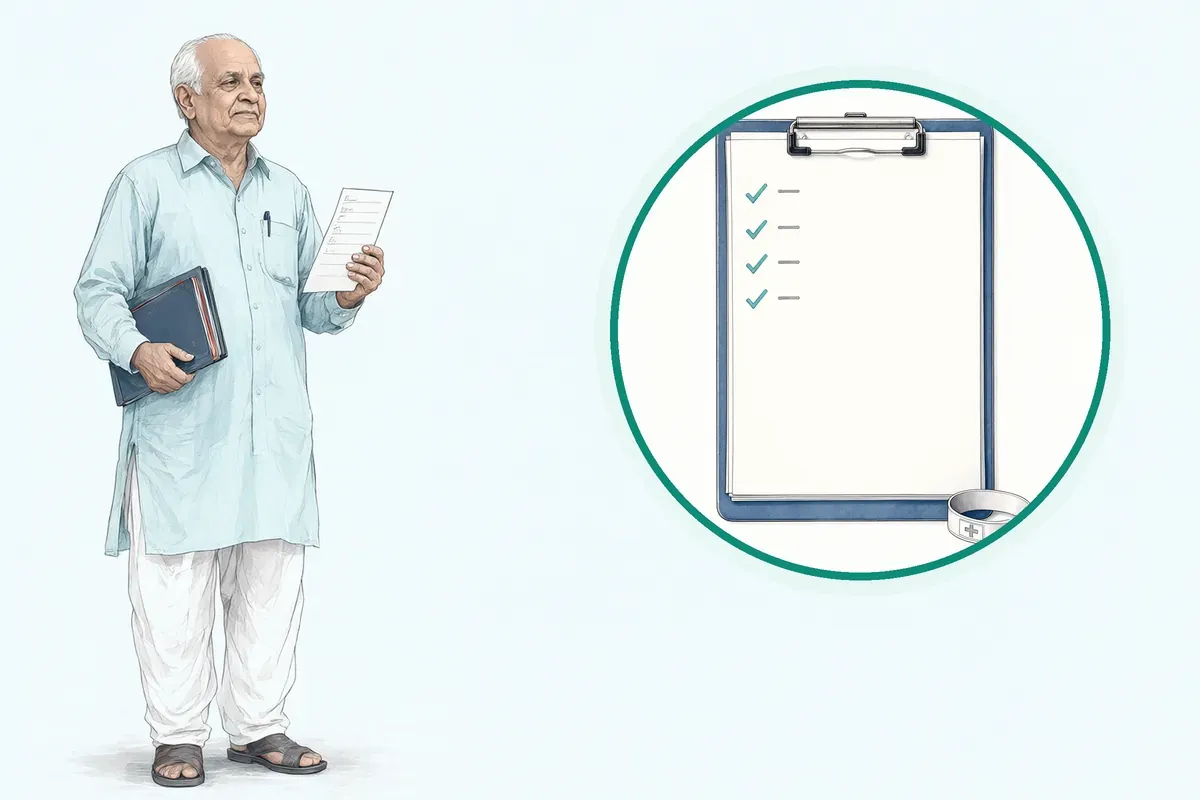
- 1 Book your preanaesthesia clinic appointment
- 2 Complete assessment, investigations and risk grading
- 3 Receive your personalised anaesthesia and recovery plan
- 4 Follow enhanced recovery steps after surgery
how the operation is done
A structured pathway covers preoperative assessment, intraoperative monitoring and postoperative enhanced recovery to reduce stress on your body.
-
Preanaesthesia Clinic (PAC)
History, examination, investigations and ASA grading in a 30 to 60 minute session to plan your anaesthesia safely.
-
Risk Stratification and Optimisation
Cardiac, pulmonary and renal workup with medication adjustment to lower surgical risk before the operation.
-
Intraoperative Monitoring
Options include invasive lines, transoesophageal echocardiography, neuromonitoring and goal-directed fluid therapy as your surgeon decides.
-
Enhanced Recovery (ERAS)
Multimodal analgesia, early mobilisation, nausea prophylaxis and early feeding to speed recovery after surgery.
Why patients trust us
- 1991 Serving Jaipur for 35 years
- NABH Accredited hospital
- 1 Anaesthesia and Critical Care consultants
- 24×7 Emergency, ICU and ambulance
- 25 Cashless schemes and insurers
what research shows about this treatment
-
30% to 50% shorter hospital stay
ERAS protocols reduced length of stay by 30 to 50 percent across multiple surgical specialties in published studies.
-
Reduced overall morbidity
ERAS pathways were associated with lower overall complication rates without increasing readmissions in colorectal and other surgeries.
-
Fewer blood transfusions
Algorithm-led preoperative anaemia screening in ERAS centres was linked to reduced red cell transfusion and critical care admissions.
If it is left untreated
Without structured perioperative care, you face higher chances of avoidable complications, longer hospital stays, increased transfusion needs and greater overall cost.
life after treatment
Most people go home sooner, with less pain and fewer tubes, and return to daily activities faster.
-
Shorter hospital stay
Enhanced recovery pathways typically reduce the number of nights you spend in hospital.
-
Less postoperative pain
Multimodal analgesia usually means lower opioid use and better comfort while you heal.
-
Earlier return to routine
Early mobilisation and feeding help most patients resume walking and eating normally within days.
-
Fewer complications
Systematic perioperative protocols are linked to lower rates of wound, lung and urinary problems.
Frequently asked questions
Questions patients ask about perioperative and preanaesthesia care
Which problems are assessed under perioperative and preanaesthesia care?
In short
At Jaipur Hospital, the preanaesthesia clinic assesses your overall health before surgery. The team reviews your medical history, performs a physical examination, and assigns an ASA grade to understand your surgical risk. This assessment covers heart, lung, kidney, and metabolic conditions that could affect anaesthesia and recovery.
In detail
The assessment follows a structured process. The anaesthetist takes a detailed history of past illnesses, surgeries, allergies, and current medicines. A focused examination checks your airway, heart, and lungs.
Basic investigations such as blood counts, kidney and liver function, ECG, and chest X-ray are ordered based on your age and comorbidities. Risk stratification identifies patients who need cardiac, pulmonary, or renal optimisation before surgery.
Medication adjustments, such as stopping blood thinners or adjusting diabetes drugs, are planned. The goal is to reduce perioperative complications by addressing modifiable risk factors like anaemia, uncontrolled blood pressure, or poor nutritional status before the operation.
A common belief
Many people think it is just a formality.
What actually happens
In fact, it finds hidden risks like anaemia or uncontrolled blood pressure that can be fixed before surgery to make anaesthesia safer.
Your next step at Jaipur Hospital
You will usually attend the preanaesthesia clinic a few days before your planned surgery. The session lasts 30 to 60 minutes. Bring all your medical records and a list of current medicines. The anaesthetist will explain the anaesthesia plan, fasting instructions, and what to expect on the day of surgery.
How will the doctor decide which tests I need?
In short
The anaesthetist at Jaipur Hospital decides tests based on your age, medical history, type of surgery, and physical examination findings. There is no fixed panel for everyone. Tests are ordered only when they change the anaesthesia plan or reveal a risk that needs optimisation before surgery.
In detail
The decision follows clinical guidelines and the ASA grading system. A healthy young person having minor surgery may need no tests.
An older adult with diabetes and hypertension having major surgery will need blood counts, kidney and liver function, blood sugar, ECG, and possibly a chest X-ray. If you have heart disease, an echocardiogram or stress test may be needed.
Lung disease may require pulmonary function tests or arterial blood gas. The anaesthetist also considers the surgical stress level — high-risk surgeries like major abdominal, thoracic, or vascular procedures need more extensive workup.
The goal is targeted testing: each test must answer a specific question about your fitness for anaesthesia. Unnecessary tests increase cost and delay without improving safety. The evidence supports selective preoperative testing based on clinical indication rather than routine panels.
A common belief
Some people expect a standard set of tests for everyone.
What actually happens
That is not done. A healthy 25-year-old having a small operation may need no tests, while a 65-year-old with diabetes having major surgery needs several. The anaesthetist tailors the list to you.
Your next step at Jaipur Hospital
At your consultation, the anaesthetist will explain which tests you need and why. Most basic tests are done in the in-house laboratory at Jaipur Hospital and results are available the same day. Specialised tests like echo or pulmonary function tests may need a separate appointment. Complete the advised tests promptly so your surgery is not delayed.
How soon should I expect improvement after the chosen treatment?
In short
Improvement timing depends on the type of surgery and your baseline health. At Jaipur Hospital, Enhanced Recovery After Surgery (ERAS) pathways aim to accelerate recovery. Many patients start mobilising and eating on the day of surgery. You will stay in the post-anaesthesia care unit for 1 to 4 hours before moving to the ward.
In detail
Evidence shows ERAS protocols shorten hospital stay and reduce overall morbidity. Key elements include multimodal analgesia, early mobilisation, nausea prophylaxis, and goal-directed fluid management. Minimally invasive approaches and early removal of tubes and drains also speed recovery.
Prehabilitation before surgery can improve functional capacity, as seen in studies where prehabilitation groups walked further at 8 weeks. Your surgeon will give a realistic timeline for your specific operation.
A common belief
People often expect a long bed rest after surgery.
What actually happens
Modern ERAS pathways encourage early mobilisation, eating, and minimal tubes. Studies show this reduces complications and shortens hospital stay without increasing readmissions.
Your next step at Jaipur Hospital
Full recovery at home may take days to weeks depending on the surgery. You will receive discharge instructions for wound care, activity, and follow-up. The preanaesthesia assessment costs ₹1,000 to ₹5,000 and takes 30 to 60 minutes.
How can I decide whether to seek advice about high risk anaesthesia evaluation?
In short
You should seek a high risk anaesthesia evaluation at Jaipur Hospital if you have serious heart, lung, kidney or liver disease, or if you are over 70 years old with an ASA grade III or IV. The preanaesthesia clinic screens every surgical patient for these risk factors during a 30 to 60 minute assessment.
In detail
The anaesthesia team reviews your full medical history, current medicines and recent investigations. They use risk stratification tools and may order cardiac, pulmonary or renal workups before surgery. Evidence shows that optimising these conditions preoperatively reduces complications and can shorten hospital stay.
Medication adjustments, such as holding blood thinners or adjusting diabetes drugs, are planned at this visit. The goal is to lower the stress of surgery on your body and keep you stable during and after the operation.
A common belief
Many patients think a routine check is enough, but complex conditions need focused workup and medication changes to lower surgical risk.
What actually happens
Skipping this step can lead to avoidable complications.
Your next step at Jaipur Hospital
Ask your surgeon or the preanaesthesia clinic for an appointment at least one to two weeks before your planned surgery. Bring all medicine strips, recent test reports and any specialist letters. The assessment costs typically ₹1,000 to ₹5,000.
How will my medical history and current medicines affect the care plan?
In short
Your medical history and current medicines directly shape the anaesthesia and perioperative plan at Jaipur Hospital. The preanaesthesia clinic reviews every condition and drug during the 30 to 60 minute assessment to adjust the plan for your safety.
In detail
Conditions such as heart disease, lung disease, diabetes, kidney disease, stroke, reflux, allergies and previous anaesthesia problems change drug choices, monitoring needs and fluid management.
Medicines like blood thinners, insulin, steroids, beta blockers, ACE inhibitors and herbal supplements may need to be stopped, continued or dose adjusted before surgery. Evidence supports algorithm led preoperative anaemia screening and optimisation to reduce transfusion.
The team uses ASA grading and risk stratification to decide on additional investigations and intraoperative monitoring such as invasive lines or echocardiography.
A common belief
Patients often think they should stop all medicines before surgery.
What actually happens
Some must continue, some must stop, and some need dose changes. Guessing can cause bleeding, sugar swings or heart instability. The anaesthesia team gives exact instructions based on evidence.
Your next step at Jaipur Hospital
Bring a complete list of all medicines with doses, recent test reports and specialist letters to the preanaesthesia clinic. Do not stop any medicine unless told by the anaesthesia team. The assessment typically costs ₹1,000 to ₹5,000.
Which symptoms should prompt me to see a specialist?
In short
You should see a specialist at Jaipur Hospital if you have unexplained shortness of breath, chest pain, palpitations, or fainting spells. Persistent cough, wheezing, or coughing up blood also need evaluation. Swelling in the legs, sudden weight gain, or reduced urine output may signal heart or kidney problems that affect surgical safety.
In detail
These symptoms suggest underlying cardiopulmonary or renal disease that increases perioperative risk. The preanaesthesia assessment aims to detect and optimise such conditions before surgery. For example, new or worsening breathlessness may indicate heart failure or lung disease needing treatment.
Chest pain could mean coronary artery disease requiring cardiology review. Palpitations may reveal arrhythmias needing rate control or anticoagulation. Leg swelling and low urine output can reflect kidney dysfunction that changes fluid management and drug dosing.
Identifying these issues early allows the team to start treatment, adjust medicines, or plan invasive monitoring and goal-directed fluid therapy during surgery. The evidence shows that optimising preoperative risk factors reduces complications and supports enhanced recovery pathways.
A common belief
Patients often ignore mild breathlessness or swelling, thinking it is normal ageing.
What actually happens
These can be signs of heart or kidney disease that make anaesthesia riskier if not treated first.
Your next step at Jaipur Hospital
If you notice any of these symptoms, contact the hospital for a preanaesthesia review before your scheduled surgery date. The anaesthetist may refer you to a cardiologist, pulmonologist, or nephrologist for further workup. This process can take a few days to weeks depending on the problem.
How will the results change my care plan?
In short
Test results at Jaipur Hospital directly shape your anaesthesia and surgical plan. Abnormal findings may lead to medication changes, specialist referrals, additional monitoring, or even postponing surgery until a condition is optimised. The aim is to reduce your risk of complications during and after the operation.
In detail
Each result is interpreted in the context of your surgery. Low haemoglobin may trigger iron therapy or transfusion planning. High blood sugar leads to tighter glucose control and insulin regimen adjustment. Abnormal kidney function changes fluid management and drug dosing.
An abnormal ECG or echo may need cardiology clearance and invasive monitoring like arterial line or central venous pressure during surgery. Lung function abnormalities may favour regional over general anaesthesia or require preoperative bronchodilators.
The evidence shows that algorithm-led preoperative anaemia screening and optimisation reduce transfusion, critical care admission, and length of stay. Smoking cessation 4 weeks before surgery lowers wound complications.
The care plan is dynamic: as results come in, the anaesthetist updates the risk assessment, chooses the anaesthesia technique, plans intraoperative monitoring, and designs postoperative pain management and recovery milestones. You are informed of every change.
A common belief
Patients often think abnormal tests just mean more medicines.
What actually happens
In reality, they can shift the whole plan — from general to regional anaesthesia, adding invasive monitoring, or postponing surgery for weeks to treat anaemia or heart issues. The goal is your safety.
Your next step at Jaipur Hospital
After your tests, the anaesthetist reviews results and discusses any changes with you and your surgeon. This may happen at a follow-up visit or by phone.
If optimisation is needed, you get a clear timeline — for example, 2 to 4 weeks for anaemia correction or smoking cessation. Surgery proceeds once you are optimised.
What should I do if symptoms persist or worsen after treatment?
In short
If symptoms persist or worsen after treatment, contact Jaipur Hospital immediately. The 24×7 emergency department and ambulance service are available. Do not wait if you have fever, severe pain, wound redness, bleeding, breathing difficulty, or any new concerning symptom. Your discharge summary includes emergency contact numbers.
In detail
ERAS pathways include clear criteria for discharge and instructions for warning signs. Studies show readmission rates do not increase with ERAS protocols. Early detection of complications like infection, bleeding, or deep vein thrombosis improves outcomes.
The hospital's in-house laboratory, imaging, and intensive care unit support rapid evaluation. Your surgeon will advise specific symptoms to watch for based on your surgery.
A common belief
Some patients hesitate to call, hoping symptoms will settle.
What actually happens
Early reporting of warning signs like fever, wound changes, or breathing trouble allows quick treatment and prevents serious complications. ERAS pathways give clear guidance on when to seek help.
Your next step at Jaipur Hospital
Keep your follow-up appointments as scheduled. If you cannot reach your surgeon, visit the emergency department. The preanaesthesia assessment costs ₹1,000 to ₹5,000 and takes 30 to 60 minutes.
How can I decide whether to seek advice about anaesthesia for obese patients?
In short
You should seek specific anaesthesia advice at Jaipur Hospital if your body mass index is above 35, or if you have obesity related conditions such as sleep apnoea, difficult airway history, diabetes or hypertension. The preanaesthesia clinic evaluates these factors during the standard 30 to 60 minute assessment.
In detail
Obesity changes how anaesthetic drugs work and increases the risk of airway difficulty, breathing problems and wound complications.
The anaesthesia team will assess your airway, review sleep study results if you have sleep apnoea, and plan for appropriate monitoring such as invasive lines or ultrasound guided blocks. Evidence supports goal directed fluid management and multimodal analgesia to reduce opioid use and improve recovery. Positioning and equipment needs are also planned in advance.
A common belief
Standard anaesthesia doses and airway plans may not be safe.
What actually happens
Obesity affects drug distribution, breathing and wound healing, so a customised approach with specific monitoring and pain control is essential.
Your next step at Jaipur Hospital
Inform your surgeon about any breathing problems, snoring or CPAP use. Bring your CPAP machine on the day of surgery if you use one. The preanaesthesia assessment typically costs ₹1,000 to ₹5,000.
How can my family discuss concerns and receive clear updates?
In short
Your family can discuss concerns and receive updates through the preanaesthesia clinic and the surgical team at Jaipur Hospital. A designated attendant is encouraged to attend the preoperative assessment, sign consent forms, and stay informed during the hospital stay.
In detail
The preanaesthesia assessment includes counselling about the anaesthesia plan, risks, fasting instructions, and recovery expectations. Evidence supports preoperative counselling to reduce anxiety and improve satisfaction. During surgery, the operating team provides periodic updates to the waiting attendant.
After surgery, the patient stays in the post-anaesthesia care unit for one to four hours before transfer to the ward or ICU. The attending anaesthetist and surgeon brief the family on intraoperative events and the postoperative plan. Daily rounds include the attendant for progress updates.
A common belief
Families often rely on hearsay.
What actually happens
Structured counselling and designated updates reduce anxiety and ensure everyone hears the same plan from the care team.
Your next step at Jaipur Hospital
Identify one family member as the primary contact and ensure they attend the preanaesthesia visit. Provide their phone number for intraoperative updates. The assessment takes 30 to 60 minutes and typically costs ₹1,000 to ₹5,000.
FAQ library
Questions and answers about perioperative and preanaesthesia care
When you contact us
Get your perioperative plan today
Contact Jaipur Hospital to schedule your preanaesthesia assessment and receive a clear, cost-estimated plan for surgery and recovery.
- A consultation with an anaesthesia and critical care specialist in the OPD
- Your scans and reports reviewed, with tests done in-house if you need them (laboratory, X-ray and imaging)
- Your options explained in plain words, including whether you need surgery at all
- A cost estimate before you decide
- Help with cashless treatment under RGHS, MAA Yojana, CGHS and empanelled insurers and TPAs
- Follow-up visits after your treatment
Overview
Perioperative and Preanaesthesia Care: what to know
What Perioperative and Preanaesthesia Care Is
Perioperative and preanaesthesia care is the complete medical support you receive before, during and after an operation.
It starts with a detailed check-up in the preanaesthesia clinic where:
- Your health history is reviewed
- A physical examination is done
- Basic investigations are ordered
The anaesthetist assigns an ASA grade that describes your overall fitness for surgery and discusses the anaesthesia plan with you. During the operation the anaesthesia team gives the planned anaesthetic, monitors your heart, blood pressure, breathing and depth of anaesthesia continuously, and manages fluids and medications to keep your body stable.
After surgery you are cared for in the post-anaesthesia care unit for one to four hours until you are awake, comfortable and your vital signs are steady. This organised approach is designed to reduce the stress of surgery on your body and help you recover faster.
Symptoms and Warning Signs That Need Urgent Care
- Before surgery Tell your anaesthetist about these
- After surgery in recovery Nurses watch for these signs
- After you go home Contact hospital or go to emergency same day
Before surgery you should tell your anaesthetist about any new or worsening symptoms such as:
- Chest pain
- Shortness of breath
- Palpitations
- Fainting spells
- A recent infection with fever
These may mean your heart or lungs need extra assessment before anaesthesia.
After surgery, while you are in the recovery unit, the nurses watch for:
- Excessive drowsiness
- Difficulty breathing
- Severe nausea or vomiting that does not settle with medicine
- Uncontrolled pain
- Heavy bleeding from the wound
- Sudden swelling in a limb
If any of these develop after you go home — especially chest pain, sudden breathlessness, calf pain with swelling, high fever, or wound discharge — you should contact the hospital or go to the nearest emergency department the same day.
Causes and Who Is at Higher Risk
- Smoking
- Linked to higher wound and lung complication risk
- Age over 70 years
- Places you in a higher-risk group
The need for perioperative care comes from having a planned operation. Certain factors increase the chance of complications during or after anaesthesia and surgery.
These include:
- Smoking
- Heavy alcohol use
- Anaemia
- Poor nutritional status
- Low physical activity
- Existing heart, lung, kidney or metabolic conditions
Age over 70 years and an ASA grade of III or IV also place you in a higher-risk group. Stopping smoking at least four weeks before surgery lowers the risk of wound and lung complications. Treating anaemia before surgery can reduce the need for blood transfusion and lower the chance of infection and longer hospital stay.
Your surgical and anaesthesia teams will assess these risks during the preanaesthesia visit and plan steps to optimise your condition before the operation.
How It Is Diagnosed: Examination and Tests
The preanaesthesia assessment usually takes 30 to 60 minutes. The anaesthetist takes a full medical history, asks about previous anaesthetics, allergies and current medicines, and performs a focused physical examination including airway assessment, heart and lung auscultation.
Routine investigations may include:
- Blood counts
- Kidney and liver function tests
- Blood sugar
- Coagulation profile
- ECG
- Chest X-ray
Additional tests such as echocardiography, lung function tests or cardiology opinion are ordered only if your history or examination suggests they are needed. The results are used to assign an ASA grade, plan the anaesthetic technique, and decide whether any medication changes or further treatment are required before surgery.
Treatment Options Without Surgery and When Surgery Is Advised
Perioperative care itself is not a treatment for a disease; it is the safety framework that makes surgery possible. If you have a condition that can be managed without an operation — such as controlled blood pressure, stable angina on medicines, or early joint arthritis — your treating doctor will discuss non-surgical options first.
These may include:
- Medicines
- Physiotherapy
- Lifestyle changes
- Watchful waiting
Surgery is advised when the expected benefit of the operation outweighs the risk of anaesthesia and the procedure, and when non-surgical measures have been tried or are not suitable. The final decision is made jointly by you, your surgeon and your anaesthetist after the preanaesthesia assessment.
The hospital follows evidence-based perioperative protocols that include multimodal pain relief, early mobilisation, nausea prevention, goal-directed fluid management and avoidance of unnecessary tubes and drains to support a smoother recovery.
Preparing for Perioperative and Preanaesthesia Care at Jaipur Hospital
- Bring medicine list and reports Include chemist-bought medicines and recent tests
- Tell anaesthetist about allergies and habits Previous anaesthesia problems, smoking, alcohol
- Arrange an attendant For admission and discharge on surgery day
Your preparation starts with a visit to the Preanaesthesia Clinic (PAC) where the anaesthesia team reviews your health before surgery. The assessment usually takes 30 to 60 minutes and includes a detailed history, physical examination, and ASA grading to understand your surgical risk.
You may need blood tests, an ECG, a chest X-ray, or other investigations depending on your age, medical conditions, and the type of operation planned. If you have heart, lung, or kidney problems, the team will arrange a cardiac, pulmonary, or renal workup and adjust your regular medicines as needed.
Bring a list of all medicines you take, including those bought from a chemist without a prescription, and any recent test reports. Tell your anaesthetist about allergies, previous anaesthesia problems, and if you smoke or drink alcohol.
Smoking cessation at least four weeks before surgery is strongly advised because current and former smoking are linked to substantially higher risks of postoperative complications and mortality. Alcohol misuse is associated with longer hospital stay and more medical and surgical complications, so alcohol cessation interventions are recommended for high intake.
If you have anaemia, the cause will be investigated and managed because preoperative anaemia increases the risk of transfusion, infection, and longer stay.
Fasting guidelines follow current evidence: you may drink clear fluids up to two hours before anaesthesia induction, and you should stop solid food six hours before. Routine sedatives to reduce anxiety are not given because evidence does not support their routine use, though short-acting drugs may be used if needed for a specific procedure such as spinal anaesthesia.
Your surgeon and anaesthetist will discuss the plan for pain relief, nausea prevention, and any prehabilitation exercises that may help you recover faster. On the day of surgery, wear loose, comfortable clothing and leave valuables at home. An attendant should accompany you for admission and discharge.
How Perioperative and Preanaesthesia Care Is Delivered at Jaipur Hospital
On the day of your operation, you will be taken to a modular operation theatre where the anaesthesia team delivers care tailored to your surgery type.
The anaesthetic technique is planned during your PAC visit and may include:
- General anaesthesia
- Regional anaesthesia such as spinal or epidural blocks
- A combination
Short-acting anaesthetic agents are often chosen to help you wake up quickly after surgery. For major procedures, invasive monitoring lines, transoesophageal echocardiography (TEE), or neuromonitoring may be used to track heart and nerve function closely.
Fluids are given using goal-directed therapy, often guided by Doppler or other monitors, to keep your body in balance rather than giving large volumes of intravenous fluids.
The surgical team aims for minimally invasive approaches where appropriate, which means smaller incisions and less trauma. During surgery, the anaesthetist manages pain with a multimodal plan that reduces the need for strong opioids. Tubes and drains are avoided or removed as early as safely possible.
After the operation, you are moved to the post-anaesthesia care unit (PACU) for 1 to 4 hours of close monitoring until you are fully awake, comfortable, and stable. The ERAS (Enhanced Recovery After Surgery) pathway coordinates surgeons, anaesthetists, nurses, physiotherapists, and a coordinator to follow evidence-based steps from admission through discharge. This multidisciplinary approach is designed to reduce the stress of surgery and keep your body in an anabolic state.
Risks and Possible Complications of Anaesthesia and Surgery
- General anaesthesia
- Nausea, sore throat, shivering, confusion
- Regional anaesthesia
- Temporary numbness, headache, rare nerve injury
All surgery and anaesthesia carry some risk. The PAC assessment is designed to identify and reduce these risks before you enter the operation theatre.
Common side effects of general anaesthesia include:
- Nausea and vomiting
- Sore throat
- Shivering
- Temporary confusion
The team uses multimodal prophylaxis to reduce nausea and vomiting.
Regional anaesthesia may cause:
- Temporary numbness
- Headache
- Rarely nerve injury
Serious complications such as allergic reactions, breathing difficulties, heart attack, or stroke are uncommon but possible, especially in patients with existing heart or lung disease.
In studies of ERAS pathways, overall morbidity (complications) was significantly reduced compared with standard care, though the reduction in surgical complications specifically was not always statistically significant. Complication rates and length of stay were similar in some trials comparing ERAS to standard care. Preoperative sedatives are avoided routinely because they can cause postoperative sedation without clear benefit for anxiety.
Bowel preparation before surgery did not improve outcomes in the evidence reviewed. The quality of evidence varies across different ERAS elements, and some recommendations are based on consensus where high-quality data are lacking. Your anaesthetist will discuss the specific risks that apply to you based on your health and the planned operation.
Recovery and Aftercare After Surgery at Jaipur Hospital
- In PACU (1 to 4 hours) Monitoring breathing, blood pressure, pain, nausea
- Same day Sit up, deep breaths, start moving, drinks and light food
- Before discharge Pain controlled, eating, drinking, passing urine, walking safely
- First weeks at home Increase activity gradually, avoid heavy lifting
- Follow-up OPD Usually within one to two weeks
Recovery begins in the PACU where nurses monitor your breathing, blood pressure, pain, and nausea for 1 to 4 hours. Pain is managed with opioid-sparing multimodal analgesia, which may include regular paracetamol, anti-inflammatory medicines, and regional blocks.
You will be encouraged to sit up, take deep breaths, and start moving as soon as you are able, often on the same day as surgery. Drinks and light food are offered on the day of the operation to help your gut recover. Nasogastric tubes are removed early when used, which reduces morbidity and shortens hospital stay. Chewing gum, preventing nausea, and minimally invasive surgery all help bowel function return faster.
Before you go home, the team ensures your pain is controlled with oral medicines, you can eat and drink, pass urine, and walk safely. You will receive written instructions on wound care, medicines, activity limits, and follow-up dates. In the first weeks at home, increase activity gradually. Avoid heavy lifting and strenuous exercise until your surgeon clears you.
Contact the hospital or visit the emergency department if you develop:
- Fever
- Increasing pain
- Redness or discharge from the wound
- Shortness of breath
- Chest pain
- Calf swelling
- Persistent vomiting
The 24×7 emergency department and ambulance service are available if you need urgent care. Follow-up in OPD is usually scheduled within one to two weeks.
Results and Outcomes of Perioperative and Preanaesthesia Care
- 30% to 50% shorter Hospital stay reduction
- about 45 metres more Prehabilitation walk test gain
- higher proportion at eight weeks Baseline exercise recovery
Evidence from many studies shows that structured perioperative care pathways improve outcomes across almost all major surgical specialties. ERAS protocols have been associated with a 30% to 50% shorter hospital stay in meta-analyses. Overall morbidity is reduced without increasing readmission rates. In colorectal surgery, ERAS pathways significantly reduced complications and length of stay. Implementation of ERAS programmes results in major improvements in clinical outcomes and cost.
Prehabilitation — exercise, nutrition, and psychological preparation before surgery — has been shown to improve aerobic capacity and functional walking distance in randomised trials. In one trial, the prehabilitation group increased their 6-minute walk test by about 45 metres more than the rehabilitation group.
A higher proportion of prehabilitation patients recovered to or above their baseline exercise capacity at eight weeks. However, preoperative physiotherapy alone has shown little clinical benefit in some reviews and does not consistently shorten hospital stay. Carbohydrate loading may improve wellbeing but is not required for short-stay or outpatient surgery.
Preoperative education reduces anxiety but has not been shown to independently change postoperative outcomes such as discharge timing. Algorithm-led anaemia screening in ERAS centres is linked to fewer transfusions, readmissions, and critical care admissions. Blood conservation strategies including preoperative iron or erythropoietin and cell salvage reduce the need for donor blood transfusion. The evidence base continues to evolve, and further research is needed for many perioperative questions.
Cost and Insurance for Perioperative and Preanaesthesia Care in Jaipur
The typical price range for a preanaesthesia assessment in India is ₹1,000 to ₹5,000. The final cost depends on the number and type of investigations required, whether you need specialist opinions (for example, cardiology or pulmonology), and the complexity of your case. Ask the hospital for an estimate before your PAC appointment. Hospital stay is either same-day or as per your surgical admission plan.
Jaipur Hospital is a NABH-accredited multispeciality hospital established in February 1991.:
- NABH-accredited
- Multispeciality hospital
- Established in February 1991
It accepts patients under:
- RGHS
- MAA Yojana
- CGHS
- A panel of private insurers and TPAs
The hospital has a 24×7 emergency department, ambulance service, intensive care unit, in-house pharmacy, diagnostic laboratory and imaging, modular operation theatres, and a canteen with dietary meals. If you are covered under any of these schemes, bring your card and identification. The billing team can help you understand what is covered and any out-of-pocket expenses. For patients without insurance, payment can be made at the hospital counters.