

General & Laparoscopic Surgery · Jaipur Hospital
Pilonidal Sinus Surgery in Jaipur
Painful tailbone sinus? We assess, explain options, and plan your surgery.
- Serving Jaipur since 1991 (35 years)
- NABH accredited
- 24×7 emergency & ICU
- Cashless: RGHS, MAA Yojana, CGHS + 22 insurers
- Procedure time
- 30 to 60 minutes
- Anaesthesia
- Spinal or general anaesthesia
- Recovery
- Desk work in 1 to 2 weeksopen wounds take 6 to 12 weeks to heal
- Price
- ₹30,000 to ₹90,000typical range in India; ask us for an estimate
Tailbone pain and discharge
A sinus near the tailbone that keeps coming back
Pilonidal disease is a common chronic inflammation of the natal cleft that presents as an abscess or a chronically discharging, painful sinus tract. It results in considerable pain, embarrassment and loss of work days.
-
Recurrent abscess or discharge
The sinus fills with pus, bursts, and refills, causing repeated pain and soiling of clothes.
-
Pain when sitting or moving
Pressure on the lower back makes desk work, driving, or cycling difficult for weeks.
-
Embarrassment and hygiene worry
Ongoing drainage leads to odour, staining, and anxiety in social or intimate situations.
-
Time off work or studies
Flare-ups and dressing changes force young working people and students to miss days regularly.
Pilonidal disease occurs twice as often in men as in women and usually starts between ages 15 and 30.
Why Jaipur Hospital
You are tired of the pain, the smell, and the days you cannot sit at your desk or attend class.
Your care plan
Your first steps with us
- 1 Call or visit OPD for surgeon consultation
- 2 Get examined and review scans in-house
- 3 Agree on technique and receive cost estimate
- 4 Have surgery and attend follow-up visits
How the operation is done
Under spinal or general anaesthesia, the surgeon removes the sinus tract and infected tissue, then closes the wound with a flap, leaves it open, or uses a minimally invasive method. The procedure takes 30 to 60 minutes.
-
Excision with off-midline flap closure
Limberg or Karydakis flap moves healthy tissue over the wound; studies show lower recurrence than midline closure.
-
Excision left open to heal
Wound heals from the bottom up with daily dressings; needs 6 to 12 weeks but has low recurrence.
-
Minimally invasive (laser, EPSiT)
Small openings to destroy the tract; faster return to work for suitable cases.
Why patients trust us
- 1991 Serving Jaipur for 35 years
- NABH Accredited hospital
- 3 General & Laparoscopic Surgery consultants
- 24×7 Emergency, ICU and ambulance
- 25 Cashless schemes and insurers
What research shows about this treatment
-
1 to 2 weeks to desk work
Most people return to desk work within 1 to 2 weeks after surgery; open wounds take 6 to 12 weeks to heal fully.
-
Recurrence under 2% at 12 months with flaps
Karydakis and Limberg flap techniques showed recurrence around 0.6% to 1.5% at 12 months in large studies.
-
Higher infection with midline closure
Midline primary closure had significantly more wound infection and dehiscence than off-midline flap methods.
If it is left untreated
Without surgery, the sinus can form repeated abscesses, extend into deeper tissue, and cause chronic pain that limits sitting and work. Long-standing disease rarely resolves on its own.
Life after treatment
Most people return to normal routine within a few weeks and the sinus does not come back.
-
Sit and work comfortably
Desk work, driving, and cycling usually resume within 1 to 2 weeks after healing.
-
No daily dressings
Once healed, you stop the routine of bandage changes and wound care.
-
Confidence in hygiene
Discharge and odour stop, removing the embarrassment in social settings.
-
Low chance of return
Flap and open techniques show low recurrence rates at long-term follow-up.
Frequently asked questions
Questions patients ask about pilonidal sinus surgery
What does pilonidal sinus surgery involve?
In short
Pilonidal sinus surgery at Jaipur Hospital removes the sinus tract and infected tissue near the tailbone. The operation takes 30 to 60 minutes under spinal or general anaesthesia. Your surgeon may close the wound with stitches using an off-midline flap, leave it open to heal from inside, or use a minimally invasive technique. Hospital stay is usually same day or one night.
In detail
The surgeon makes an incision over the sinus, drains any abscess, and excises the diseased tract. Evidence shows off-midline flap closures such as Limberg or Karydakis have lower wound infection and dehiscence rates than midline closure.
Open healing avoids closure problems but needs weeks of daily dressings. Minimally invasive options like laser or EPSiT suit selected cases and allow faster return to work. The choice depends on sinus size, previous surgery, and your general health.
A common belief
Many people think the wound is always stitched shut.
What actually happens
In fact, midline stitches have higher infection and breakdown rates. Off-midline flaps or leaving the wound open are often safer, though open healing needs longer dressing care.
Your next step at Jaipur Hospital
You will meet your surgeon in OPD to discuss the technique suited to you. Pre-operative tests may include blood work and imaging. Plan for one to two weeks off desk work; open wounds need six to twelve weeks of dressing changes. Bring an attendant for the first 24 hours after discharge.
Which tests and scans do I need before pilonidal sinus surgery?
In short
Before pilonidal sinus surgery at Jaipur Hospital, you may need blood tests and sometimes imaging to assess your overall health and the extent of the sinus. The surgeon orders these during the pre-operative consultation. Routine tests often include haemoglobin, blood sugar, and infection markers. Imaging such as ultrasound or MRI is used only if the surgeon needs to map complex tracts or rule out other conditions.
In detail
Evidence states pre-operative preparation includes consultation, medical history review, and may include blood tests or imaging studies to assess overall health and the extent of the pilonidal sinus. Diagnosis is clinical and usually straightforward, so scans are not routine.
They are reserved for complex, recurrent, or atypical cases where the surgeon needs to see the full anatomy. You will also discuss current medications, allergies, and any need to adjust blood thinners. Fasting for six to eight hours before surgery is standard.
A common belief
Many patients expect a mandatory MRI or CT scan.
What actually happens
In fact, imaging is not routine because the diagnosis is made by examination. Scans add cost and delay without benefit in simple cases.
Your next step at Jaipur Hospital
At your OPD visit, the surgeon will list the exact tests required. Most are done in our in-house laboratory and radiology department. Results are typically available the same day. You will also receive instructions on showering with antibacterial soap, wearing loose clothing, and arranging an attendant for discharge.
How painful is pilonidal sinus surgery and the early recovery?
In short
You will feel some discomfort after pilonidal sinus surgery at Jaipur Hospital. Pain is usually moderate and managed with prescribed painkillers. The affected area can be quite painful for the first couple of days, then eases with time. Bandage changes may hurt at first.
In detail
Pain after surgery is common and expected. Studies confirm discomfort in the early days. Your surgical team will give you painkillers; always follow the packet instructions and never take more than the recommended dose.
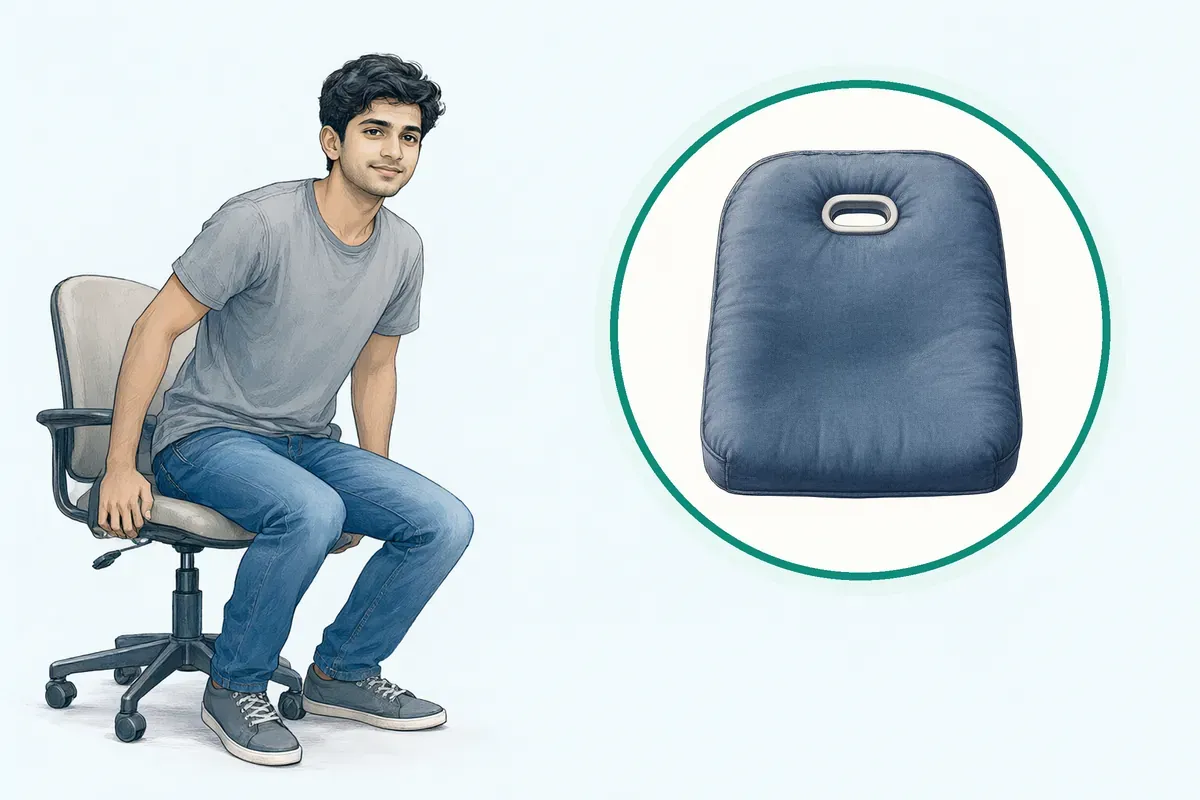
If the wound is closed with stitches, you wash the area daily with warm soapy water. If left open, dressings are changed daily, which can be sore initially. Using a coccyx cushion helps when sitting.
A common belief
Many people expect severe pain, but studies show it is usually manageable.
What actually happens
The main discomfort comes from dressing changes if the wound is left open, not the surgery itself.
Your next step at Jaipur Hospital
Take painkillers exactly as prescribed. Keep the wound clean as instructed. Avoid heavy lifting, exercise, or running for the first week. Do not ride a bicycle for six to eight weeks. Most people return to desk work in one to two weeks.
How long does recovery usually take after pilonidal sinus surgery?
In short
Recovery after pilonidal sinus surgery at Jaipur Hospital depends on the wound closure method. Desk work is usually possible in one to two weeks. If the wound is left open to heal it can take six to twelve weeks to heal completely. If closed with a flap such as Limberg or Karydakis the skin heals faster but you still need to avoid heavy lifting, exercise, swimming and cycling for several weeks.
In detail
Evidence shows mean time off work was 1.6 days for minimally invasive treatment and 8.2 days for conventional treatment. Most people take seven to ten days off work after surgery. You need to stay in hospital for about two nights after a Limberg flap reconstruction.
For other techniques you might leave the same day or after one night. You need an attendant to take you home and stay with you for at least 24 hours. Do not lift anything heavy, exercise or run for the first week.
Do not go swimming until your wound has healed. Do not ride a bicycle for six to eight weeks after surgery. Use a coccyx cushion if sitting is uncomfortable.
A common belief
Many expect a quick return to all activities.
What actually happens
Studies show conventional surgery averages eight days off work while minimally invasive averages 1.6 days. However full wound maturity takes longer. Sitting pressure on the tailbone delays healing so a coccyx cushion helps.
Your next step at Jaipur Hospital
Follow the dressing instructions exactly. If the incision was closed with stitches wash the area daily with warm soapy water and pat it dry. If left open change the bandage as instructed. Stitches may dissolve or need removal about two weeks after surgery. You have a follow up appointment two weeks after surgery. Drink plenty of fluids and eat your normal diet.
Is a painful lump near the tailbone a pilonidal sinus or an abscess?
In short
A painful lump near the tailbone can be either a chronic pilonidal sinus or an acute pilonidal abscess. At Jaipur Hospital the surgeon distinguishes them by examination. An abscess is a tense, hot, fluctuant collection of pus. A chronic sinus may have a visible opening with intermittent discharge but less acute inflammation.
In detail
Evidence describes the acute presentation as an abscess under tension and the chronic form as intermittent discharge from sinus tracts. Both arise from the same underlying pilonidal disease. An acute abscess requires urgent drainage.
Definitive excision of the sinus tracts is usually performed later when inflammation settles. The surgeon will decide the timing based on the clinical picture.
A common belief
Patients often assume any lump is a sinus needing immediate excision.
What actually happens
An acute abscess must be drained first. Excision during active infection carries higher wound complication rates.
Your next step at Jaipur Hospital
If the lump is very painful, red, and hot, seek care at the emergency department for possible drainage. If it is a long-standing discharging sinus, book an elective surgical consultation. Jaipur Hospital's 24×7 emergency department can assess acute abscesses any time.
How will the surgeon decide whether an operation is necessary for pilonidal sinus?
In short
The surgeon at Jaipur Hospital decides based on clinical examination and your history. Surgery is indicated for recurrent infections, chronic pain interfering with daily activities, large or complex sinus tracts, abscess formation, or failure of conservative treatment. Contraindications include active infection (drained first), severe uncontrolled comorbidities, obesity, smoking, poor skin condition, pregnancy, and inability to follow post-operative care.
In detail
Evidence lists specific eligibility criteria. Indications: recurrent infections, chronic sacrococcygeal pain affecting daily life, large or complex tracts, abscess, failed conservative care.
Contraindications: active infection (must evacuate abscess first), uncontrolled diabetes, heart or respiratory disease, obesity, smoking, eczema or psoriasis in the area, pregnancy, anaesthesia allergy, inability to comply with dressings and follow-up. Non-operative options include gluteal cleft shaving, laser epilation, fibrin glue, and phenol injection.
The surgeon weighs symptom burden, recurrence risk, and your fitness for anaesthesia and wound care. Acute abscess requires emergency drainage, often with an off-midline incision, followed by definitive excision later.
A common belief
Patients often think any sinus needs immediate surgery.
What actually happens
In fact, acute abscess must be drained first, and some early cases respond to hygiene and hair removal. The decision is not automatic; it balances how much the condition affects you against the risks of surgery and your ability to heal. Non-surgical options exist but have higher long-term recurrence.
Your next step at Jaipur Hospital
At the OPD consultation, the surgeon will examine the natal cleft, ask about previous episodes, and review any imaging. You will discuss medical history, current medicines, and allergies. Blood tests or imaging may be ordered.
If surgery is planned, you will receive fasting instructions, advice on stopping blood thinners, and guidance on arranging an attendant for discharge.
Why might my doctor recommend pilonidal sinus surgery?
In short
Your doctor may recommend pilonidal sinus surgery at Jaipur Hospital if you have recurrent infections, chronic pain that interferes with daily activities, large or complex sinus tracts, or an abscess that needs drainage. Surgery is also considered when conservative treatments such as antibiotics or hygiene measures have failed to control the condition.
In detail
The primary purpose of surgery is to remove the sinus tract and associated tissue to alleviate symptoms and prevent recurrence. Evidence indicates that recurrent infections, chronic pain, complex tracts, and abscess formation are clear indications for surgical intervention.
Active infection, uncontrolled diabetes, severe heart or respiratory disease, obesity, smoking, poor skin conditions, pregnancy, anaesthesia allergies, and inability to follow post-operative care are contraindications that your surgeon will assess before proceeding.
A common belief
Some patients hope antibiotics or hair removal alone will solve the problem permanently.
What actually happens
Evidence shows that once the sinus becomes chronic or complex, non-operative measures often fail and the condition tends to return.
Your next step at Jaipur Hospital
Your surgeon will review your medical history, current medications, and any allergies during the consultation. Blood tests or imaging may be ordered to assess the extent of the sinus.
If surgery is advised, you will receive instructions on fasting, bathing with antibacterial soap, and arranging an attendant for discharge. Please book a consultation at Jaipur Hospital for a detailed evaluation.
How should I prepare in the days before pilonidal sinus surgery?
In short
Jaipur Hospital asks you to prepare for pilonidal sinus surgery by following a few simple steps. You will have a pre-operative consultation with your surgeon to review your medical history, current medicines, and any allergies. Blood tests or imaging may be ordered to check your overall health and the extent of the sinus. You should shower with antibacterial soap the night before or the morning of surgery to lower infection risk.
In detail
The surgical team follows standard pre-operative protocols to ensure you are fit for anaesthesia and surgery. You must tell your surgeon about every medicine you take, including over-the-counter drugs and supplements. Some medicines, especially blood thinners, may need to be adjusted or stopped temporarily.
You should plan for recovery by arranging an attendant to take you home and stay with you for at least 24 hours after discharge. Gather dressings, pain relievers, and any prescribed medications beforehand. Wear loose, comfortable clothing on the day of surgery. These steps help reduce complications and make your hospital stay smoother.
A common belief
Many patients think they only need to fast.
What actually happens
In reality, stopping certain medicines, preparing your home for wound care, and having an attendant are just as important for a safe recovery.
Your next step at Jaipur Hospital
Complete any blood tests or imaging at least a few days before the operation. Stop eating and drinking as instructed by the anaesthesia team, usually six to eight hours before surgery. Confirm your transport and attendant arrangements the day before. If you develop a fever, cold, or skin infection near the tailbone, call the hospital immediately.
What are the common side effects and the less common serious complications of pilonidal sinus surgery?
In short
Common side effects after pilonidal sinus surgery at Jaipur Hospital include wound pain for a few days, discomfort during dressing changes and some greenish grey fluid from the wound as it heals. Less common but serious complications include wound infection, wound dehiscence where the wound reopens, nausea or vomiting that prevents keeping fluids down and signs of a blood clot in the leg such as calf pain or swelling.
In detail
Evidence shows wound infection and wound dehiscence are significantly higher after midline closure compared with off midline flap techniques such as Karydakis or Limberg. Rhomboid flap excision demonstrated lower wound infection and lower wound dehiscence in studies.
If you have nausea or vomiting and cannot keep down fluids you should contact your doctor now or seek immediate medical care.
If you have signs of a blood clot in your leg such as pain in your calf, back of the knee, thigh or groin you should contact your doctor now or seek immediate medical care. The surgical team will explain which symptoms need urgent attention before you leave hospital.
A common belief
Midline closure carries higher infection and dehiscence rates than off midline flaps such as Karydakis or Limberg.
What actually happens
Rhomboid flap studies show lower infection and dehiscence. Knowing the warning signs such as calf pain or inability to keep fluids down helps you act fast if a complication arises.
Your next step at Jaipur Hospital
You will receive detailed instructions on wound care, pain management and when to seek help before discharge. Keep the area clean and change dressings as advised.
Attend your follow up appointment usually two weeks after surgery so the team can check healing and remove stitches if needed.
Which symptoms are expected after pilonidal sinus surgery, and which need urgent medical attention?
In short
After pilonidal sinus surgery at Jaipur Hospital, you can expect some discomfort, swelling and a small amount of drainage from the wound for the first few days. Pain usually eases with time and regular painkillers. You may also notice greenish-grey fluid as healing starts. These are normal and should improve each day.
In detail
Studies show the affected area can be quite painful for the first couple of days and that bandage changes may hurt at first. With time the pain eases.
Urgent signs include nausea or vomiting that prevents keeping fluids down, signs of a blood clot such as calf pain or swelling, increasing redness or heat around the wound, heavy bleeding, or a high fever. These need immediate medical review because they may indicate infection, haematoma or deep vein thrombosis.
A common belief
Many people think any pain or discharge means infection.
What actually happens
In fact, mild symptoms are normal. The red flags are vomiting that won't stop, calf pain or swelling, spreading redness, heavy bleeding or high fever. Those need same-day medical care.
Your next step at Jaipur Hospital
Take prescribed painkillers exactly as directed and complete any antibiotic course. Keep the wound clean and attend your two-week follow-up so the surgeon can check healing and remove stitches if needed.
If any urgent symptom appears, go to the emergency department at Jaipur Hospital or call your surgeon without delay.
FAQ library
Questions and answers about pilonidal sinus surgery
When you contact us
Get a clear plan and cost estimate
Contact Jaipur Hospital for a surgeon consultation, in-house tests if needed, plain explanations, and help with cashless schemes.
- A consultation with a general and laparoscopic surgeon in the OPD
- Your scans and reports reviewed, with tests done in-house if you need them (laboratory, X-ray and imaging)
- Your options explained in plain words, including whether you need surgery at all
- A cost estimate before you decide
- Help with cashless treatment under RGHS, MAA Yojana, CGHS and empanelled insurers and TPAs
- Follow-up visits after your treatment
Read more
Read more about pilonidal sinus surgery
- Colostomy Recovery and Daily Stoma Care Guide
Learn about recovery after colostomy surgery, stoma care routines, diet changes, and living well with an ostomy bag. A patient guide from Jaipur Hospital, Jaipur.
- Rectal Prolapse Surgery Types Recovery Risks
Understand surgical options for rectal prolapse including abdominal and perineal approaches, recovery timelines, and potential complications.
Overview
Pilonidal Sinus Surgery: what to know
What a pilonidal sinus is and how it develops
A pilonidal sinus is a small tunnel or cavity that forms under the skin in the natal cleft, the deep groove between the buttocks just above the tailbone. It usually contains hair, skin debris and fluid. The condition starts when loose hairs are pushed into the skin by friction and pressure from sitting or tight clothing.
The body treats the hair as a foreign object and creates an inflammatory reaction that leads to a sinus tract or an abscess. It is a common condition, especially in young people, and it affects men about twice as often as women. Most people first notice it between the ages of 15 and 30. In many cases the sinus stays quiet for a long time and then flares up when it becomes infected.
Symptoms of pilonidal sinus and warning signs that need same-day care
- High fever
- Spreading redness or warmth
- Severe pain not relieved by painkillers
- Feeling faint
The chronic form of the disease causes intermittent discharge from one or more small openings in the natal cleft. The discharge may be pus or blood-stained fluid and it often has a foul smell. The area can be quite painful, especially when you sit or when pressure is applied. Pain tends to ease with time between flare-ups.
An acute abscess appears as a swollen, tender lump under tension that makes sitting or lying on your back very uncomfortable. The condition results in considerable pain, embarrassment and loss of work or study days.
Seek medical care on the same day if you develop a high fever, spreading redness or warmth around the tailbone, increasing severe pain that is not relieved by simple painkillers, or if you feel faint. These can signal a spreading infection or sepsis.
If you have nausea or vomiting and cannot keep down fluids, contact your doctor now or seek immediate medical care. If you notice pain in your calf, back of the knee, thigh or groin that could be a blood clot, seek immediate medical care.
Causes and who is at higher risk of pilonidal sinus
The main cause is hair penetrating the skin in the natal cleft. Friction from prolonged sitting, tight clothing, or activities such as cycling and driving pushes loose hairs into the skin. Once hair enters the skin, the immune system reacts and forms a sinus tract.
Factors that increase the risk include:
- Being a young male
- Having a deep natal cleft
- Being overweight or obese
- Having coarse or thick body hair
- A family history of the condition
Sitting for long hours at a desk or in a vehicle is a common trigger. Smoking and poor skin conditions such as eczema or psoriasis in the area can also make the problem worse. In some cases, keeping the area free of hair may prevent problems.
How pilonidal sinus is diagnosed: examination and tests
Diagnosis is clinical and usually straightforward. Your surgeon will ask about your symptoms and examine the natal cleft. They will look for the characteristic pits or openings, any discharge, and signs of an abscess or cellulitis. In most cases no imaging or laboratory tests are needed.
If the sinus is complex, recurrent, or the anatomy is unclear, an ultrasound or MRI may be ordered to map the tracts and rule out other conditions. Blood tests may be done before any planned surgery to check your general health and fitness for anaesthesia.
Non-surgical treatment options and when pilonidal sinus surgery is advised
Non-operative management can be tried for mild or early disease. It includes keeping the natal cleft clean and dry, regular shaving or laser hair removal to reduce hair entry, and sometimes phenol injection or fibrin glue to close the tract. These measures may control symptoms but do not remove the sinus tract.
Surgery is advised when you have recurrent infections, chronic pain that interferes with daily activities, large or complex sinus tracts, an abscess that needs drainage, or when conservative treatment has failed. Active infection is usually treated with drainage and antibiotics first; definitive excision is planned after the inflammation settles.
Your surgeon will also review any contraindications such as uncontrolled diabetes, severe heart or lung disease, obesity, smoking, pregnancy, allergy to anaesthesia, or inability to follow post-operative care before recommending surgery. In the large majority of cases, definitive treatment of pilonidal disease is surgical.
Preparing for Pilonidal Sinus Surgery
Do
- Review medical history and medicines
- Tell the team about all medicines
- Fast for six to eight hours
- Shower with antibacterial soap
- Wear loose, comfortable clothing
- Arrange an attendant for transport
Before your operation, your surgeon will review your medical history, current medicines and any allergies. Blood tests or imaging may be ordered to check your overall health and the extent of the sinus. Tell the surgical team about every medicine you take, including over-the-counter drugs and supplements.
Blood thinners and some other medicines may need to be adjusted or stopped for a short time before surgery. You will be asked to fast for at least six to eight hours before the procedure. Shower the night before or on the morning of surgery using antibacterial soap to lower the risk of infection.
Wear loose, comfortable clothing that is easy to remove. Arrange for an attendant to take you to the hospital and bring you home, because anaesthesia makes it unsafe to drive. Pack any dressings, pain relievers and prescribed medicines you will need after discharge. Plan for time off work and help at home while you recover.
How Pilonidal Sinus Surgery Is Done
On the day of surgery you will check in, change into a hospital gown and have an intravenous line placed for fluids and medicines. The operation is performed under spinal or general anaesthesia and usually takes 30 to 60 minutes. After the anaesthesia takes effect, the surgeon makes an incision over the sinus.
If an abscess is present, the pus is drained first. The sinus tract and any infected tissue are then removed. Your surgeon will choose a closure method based on the size and complexity of the wound and what suits you.
The main options are: excision with an off-midline flap closure such as a Limberg or Karydakis flap, which studies show has lower recurrence than midline closure; excision left open to heal by secondary intention, which is simpler but needs weeks of daily dressings; or a minimally invasive technique such as laser or EPSiT, which uses small openings and can allow a faster return to work for suitable cases.
After the wound is closed or dressed, you are moved to a recovery area where staff monitor your vital signs. Before discharge you receive detailed instructions on wound care, pain management and signs of complications. A follow-up appointment is usually scheduled for about two weeks after surgery.
Risks and Possible Complications of Pilonidal Sinus Surgery
Some discomfort after surgery is common. Bandage changes may hurt at first. Wound infection occurs more often after midline closure than after off-midline flap techniques. Wound dehiscence, where the wound edges separate, is also significantly higher after midline closure. Studies found no difference in wound complication rates between Karydakis or Bascom flaps and Limberg flaps.
Rhomboid flap excision showed lower wound infection and lower wound dehiscence compared with other methods. Nausea or vomiting that prevents you from keeping down fluids needs immediate medical attention. Signs of a blood clot in the leg, such as pain in the calf, behind the knee, thigh or groin, also require urgent care.
If you are given antibiotics, complete the full course as instructed. Take painkillers only as directed on the packet and never exceed the recommended dose.
Recovery and Aftercare After Pilonidal Sinus Surgery
- First 24 hours Attendant must stay with you
- First week Avoid heavy lifting, exercise, or running
You may be able to go home on the same day or stay one night in hospital. An attendant must stay with you for at least the first 24 hours. If a Limberg flap reconstruction is done, a stay of about two nights is typical. An open wound can take about six to eight weeks to heal.
Desk work can usually be resumed in one to two weeks. Avoid heavy lifting, exercise or running for the first week or so. Do not swim until the wound has fully healed. Do not ride a bicycle for six to eight weeks.
If the wound was closed with stitches, wash the area daily with warm, soapy water and pat it dry. If the wound was left open, change the bandage as instructed by your doctor. Stitches may dissolve on their own or need removal at the two-week follow-up visit.
If a bandage sticks, soak it in warm water for about ten minutes before removing it. A coccyx cushion can make sitting more comfortable. Eat your normal diet and drink plenty of fluids unless told otherwise. Bowel movements may be irregular for a short time after surgery. Greenish-grey fluid from the wound can appear during healing.
Contact the hospital if you develop fever, increasing pain, spreading redness, heavy bleeding, or any of the urgent symptoms listed above.
Results of Pilonidal Sinus Surgery: Recurrence and Success Rates
- 0.6% at 12 months, 1.8% at 24 months Limberg / Dufourmentel flaps
- 0.2% at 12 months, 1.5% at 12 months (another analysis) Karydakis / Bascom cleft lift
- 1.9% at 12 months, 36.6% at 60 months Laser alone
- 1.9% at 12 months, 40.4% at 60 months Phenol treatment alone
In studies, off-midline flap techniques show low recurrence. Limberg and Dufourmentel flaps had a recurrence of 0.6 percent at 12 months and 1.8 percent at 24 months. Karydakis and Bascom cleft lift techniques had a recurrence of 0.2 percent at 12 months and 1.5 percent at 12 months in another analysis.
In non-randomised data, Karydakis and Bascom techniques showed a recurrence of 0.6 percent at 24 months. Other flap techniques had a recurrence of 0.4 percent at 12 months and 7.5 percent at 24 months.
Primary midline closure had much higher long-term recurrence, up to 67.9 percent at 240 months in one study, and 3.4 percent at 12 months and 16.8 percent at 60 months in pooled non-randomised data.
Healing by secondary intention (open wound) had a recurrence of 1.0 percent at 12 months and 4.2 percent at 24 months in non-randomised data, rising to 13.1 percent at 60 months. Minimally invasive techniques such as laser alone showed a recurrence of 1.9 percent at 12 months but 36.6 percent at 60 months.
Phenol treatment alone had a recurrence of 1.9 percent at 12 months and 40.4 percent at 60 months. Incision and drainage alone had high recurrence, reaching 40.2 percent at 60 months. A follow-up of at least five years is considered the reference standard for comparing results.
Overall, no single technique has been proven clearly better than all others for every patient. Your surgeon will discuss which approach fits your case.
Cost and Insurance for Pilonidal Sinus Surgery in Jaipur
The typical price range for pilonidal sinus surgery in India is ₹30,000 to ₹90,000. The final cost depends on the technique chosen, the type of anaesthesia, the length of hospital stay, and whether any special equipment or implants are used. Jaipur Hospital is a NABH-accredited multispeciality hospital established in February 1991.
We accept RGHS, MAA Yojana, CGHS and a panel of private insurers and TPAs. The hospital has modular operation theatres, a 24×7 emergency department, in-house pharmacy, in-house diagnostic laboratory and imaging, and a 24-hour laboratory, X-ray and ECG facility. For a personalised estimate, please contact the hospital billing office.