

General Medicine · Jaipur Hospital
Anaemia and Blood Disorders in Jaipur
You feel tired and uncertain. We give you a clear diagnosis and a simple treatment plan.
- Serving Jaipur since 1991 (35 years)
- NABH accredited
- 24×7 emergency & ICU
- Cashless: RGHS, MAA Yojana, CGHS + 22 insurers
- Treatment length
- Ongoing management
- Anaesthesia
- Not needed
- Recovery
- Varies by condition
- Price
- ₹2,000 to ₹50,000typical range in India; ask us for an estimate
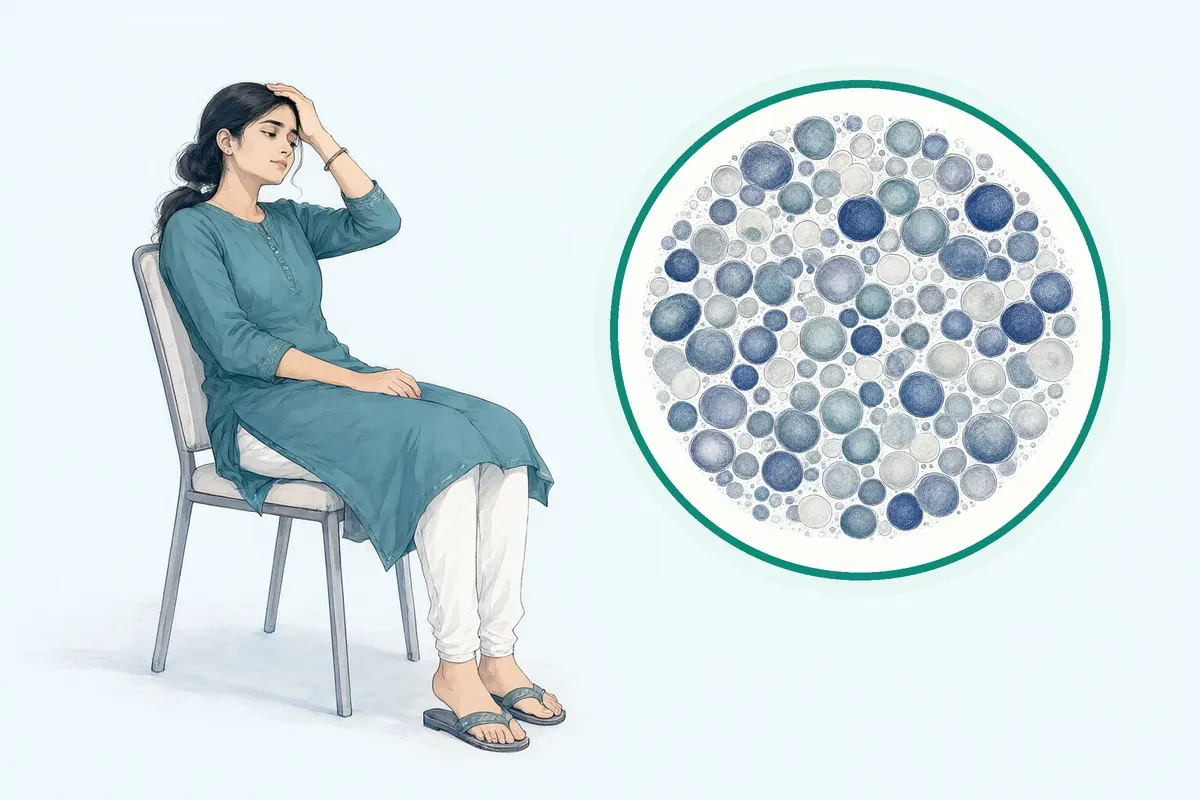
Unexplained fatigue and worry
You feel tired, pale or short of breath and do not know why
Anaemia and blood disorders can creep up slowly. You may feel exhausted, dizzy or cold. Tests can be confusing and the thought of long-term treatment is unsettling.
-
Constant exhaustion
Daily tasks feel harder because your blood carries less oxygen.
-
Frequent infections or bruising
Low counts or clotting issues make you prone to illness or bleeding.
-
Confusing test results
Reports show low haemoglobin or abnormal cells but no clear explanation.
-
Fear of lifelong dependence
Worry about regular transfusions, iron overload or medication side effects.
Iron deficiency develops when your body uses iron stores faster than they can be replaced or when iron intake slows.
Why Jaipur Hospital
You worry that feeling this tired will cost you work days and time with your family.
Your care plan
Your first steps with us
- 1 Call or visit OPD for first consultation
- 2 Complete blood tests and imaging in-house
- 3 Review diagnosis and agree on a plan
- 4 Start treatment and attend scheduled follow-ups
How we diagnose and manage your condition
We run blood tests to check haemoglobin, iron stores and clotting. Your physician explains the results and outlines options such as supplements, transfusions or anticoagulation.
-
Iron/B12 Supplementation
Oral tablets or IV infusions to rebuild iron or vitamin B12 levels for deficiency anaemia.
-
Blood Transfusion
Packed red cells given through a drip for severe symptomatic anaemia or thalassemia major.
-
Bone Marrow Biopsy
A short procedure to take a marrow sample when blood counts are unexplained.
-
Anticoagulation Management
Dosing and monitoring of warfarin or DOACs for clotting disorders.
Why patients trust us
- 1991 Serving Jaipur for 35 years
- NABH Accredited hospital
- 1 General Medicine consultants
- 24×7 Emergency, ICU and ambulance
- 25 Cashless schemes and insurers
What studies show about treatment response
-
2 g/dL rise in 3 weeks
A 2 g/dL haemoglobin increase within three weeks is the usual benchmark for oral iron response.
-
2 to 3 weeks to feel better
People taking iron supplements often notice a difference in about two to three weeks.
-
Iron overload risk with transfusions
Regular transfusions add about 200 mg of iron per unit, raising the risk of organ damage over time.
If it is left untreated
Untreated anaemia can strain the heart and limit daily activity. In thalassemia, iron overload from transfusions can damage the heart, liver and brain. Clotting disorders raise the risk of thrombosis or bleeding.
Life after treatment starts
Most people feel steadier energy and fewer crises once their counts are stable and a monitoring routine is in place.
-
Steadier energy
Daily tasks become manageable as haemoglobin improves.
-
Fewer emergencies
Regular monitoring catches problems before they become urgent.
-
Clear routine
You know when to test, when to visit and what to watch for.
-
Family confidence
Your attendant and family understand the plan and can support you.
Frequently asked questions
Questions patients ask about anaemia and blood disorders
Which problems are assessed under anaemia and blood disorders?
In short
Our medical team assesses several red blood cell, platelet, and clotting conditions under anaemia and blood disorders at Jaipur Hospital. These include iron-deficiency anaemia, beta thalassemia trait or major, and clotting problems like heparin-induced thrombocytopenia. We evaluate how your bone marrow produces cells and check whether your blood carries oxygen properly.
In detail
Your body needs iron to make haemoglobin, the protein in red blood cells that carries oxygen to tissues. When iron stores drop faster than they are replaced, iron-deficiency anaemia develops.
In thalassemia, inherited changes cause your body to produce fewer red blood cells and lower amounts of haemoglobin. In people with thalassemia major, regular red blood cell transfusions may be required.
Other blood disorders involve platelets and clotting pathways, such as immune thrombocytopenia or heparin-induced thrombocytopenia, where antibody reactions affect platelet counts.
In studies, severe blood conditions can affect vital organs, so our team carefully assesses cell counts, ferritin levels, and clotting activity to pinpoint the exact issue.
Your next step at Jaipur Hospital
Care typically involves ongoing management, ranging from day care visits to a hospital stay of up to 3 nights if monitoring is required. Pricing typically ranges from ₹2,000 to ₹50,000 in India; ask us for an estimate based on your condition. Your attendant can accompany you to our OPD.
How will the doctor decide which tests I need for anaemia and blood disorders?
In short
Your doctor at Jaipur Hospital decides which tests you need by reviewing your medical history, symptoms, and baseline physical examination findings. They evaluate whether you show signs of iron deficiency, inherited haemoglobin traits, or clotting problems. Specific blood investigations are selected to match your individual clinical situation precisely.
In detail
Healthcare providers use targeted blood tests to diagnose blood disorders accurately. In addition to measuring your haemoglobin and total blood counts, doctors check ferritin levels and total iron-binding capacity to verify iron deficiency.
When thalassemia is suspected, specialised haemoglobin tests evaluate fractions such as HbA2 and HbF. In cases of suspected clotting disorders like heparin-induced thrombocytopenia, clinical scoring models such as the 4Ts score guide decisions, preventing unnecessary testing in low-probability cases.
For unexplained low cell counts, diagnostic bone marrow biopsy may be considered as an option. Tailoring tests avoids unnecessary procedures while ensuring an accurate diagnosis of your condition.
Your next step at Jaipur Hospital
Diagnostic blood tests are usually completed within day care hours in our OPD, while complex evaluations may involve up to 3 nights of hospital observation. Treatment typically spans ₹2,000 to ₹50,000 in India; ask us for an estimate. Your attendant can accompany you during testing.
How soon should I expect improvement after anaemia and blood disorder treatment?
In short
Improvement timelines depend on the specific treatment given for your blood disorder. At Jaipur Hospital, recovery varies by condition because therapies address distinct physiological needs. Patients taking oral iron tablets usually notice an initial difference in symptoms within two to three weeks, whereas intravenous iron infusions may help you feel better somewhat sooner.
In detail
In medical studies, oral iron therapy typically leads to a benchmark increase of two grams per decilitre in haemoglobin within three weeks. Research also indicates that an increase of one gram per decilitre by day fourteen accurately predicts a sustained long-term response.
For severe anaemia, intravenous iron sucrose delivers replacement iron directly into the bloodstream and reduces the need for packed red cell transfusions. For inherited conditions like beta thalassemia major, regular blood transfusions help maintain haemoglobin levels around nine to ten grams per decilitre.
Ongoing management and monitoring ensure that therapy successfully corrects red blood cell counts and restores proper oxygen delivery across your body.
A common belief
Many people expect overnight energy, but red blood cells require several weeks to build adequate haemoglobin.
What actually happens
In studies, a rise of two grams per decilitre typically takes three weeks of regular therapy.
Your next step at Jaipur Hospital
Your doctor will plan follow-up blood tests to confirm your blood counts are rising as expected. Care typically involves day care visits or hospitalisation up to three nights, with overall care costs ranging from ₹2,000 to ₹50,000.
You may need regular reviews every three months during active therapy. You can book an OPD consultation at Jaipur Hospital to discuss your personalised recovery plan.
How does the term "anaemia" relate to anaemia and blood disorders?
In short
"Anaemia" is the American spelling of anaemia, a common medical condition defined by reduced red blood cells or low haemoglobin. At Jaipur Hospital, our general medicine team evaluates and manages all forms of anaemia, including nutritional deficiencies, bleeding disorders, and inherited conditions such as thalassemia.
In detail
Regardless of spelling, the condition develops when your body lacks enough healthy red blood cells to distribute oxygen effectively. In iron deficiency anaemia, the bone marrow cannot make haemoglobin because iron stores are exhausted faster than they can be replenished.
This deficiency often stems from blood loss, insufficient dietary intake, or poor absorption. Severe forms also include inherited haemoglobinopathies like beta thalassemia, where patients produce less haemoglobin and fewer red blood cells. Severe anaemia in pregnancy is strongly associated with maternal and perinatal risks. Diagnosing the precise disorder requires measuring total iron-binding capacity, ferritin, and haemoglobin rather than simply relying on generalised terminology.
A common belief
Some assume the terms refer to entirely different illnesses.
What actually happens
In truth, both describe poor oxygen delivery in your body, whether caused by simple iron deficiency, blood loss, or genetic thalassemia.
Your next step at Jaipur Hospital
Treatment protocols involve ongoing management using oral or intravenous iron therapy, vitamin supplementation, or packed red cell transfusions. Typical hospitalisation ranges from day care to three nights, and treatment costs generally range between ₹2,000 and ₹50,000. Your medical team will explain your lab reports clearly.
What do my haemoglobin level and other blood counts mean in anaemia and blood disorders?
In short
Your haemoglobin level and red blood cell counts indicate how effectively your blood transports oxygen to your vital organs. At Jaipur Hospital, our in-house laboratory analyses your complete blood counts to evaluate overall blood health, identify specific deficiencies, and detect underlying marrow or clotting disorders.
In detail
A normal haemoglobin level reflects adequate oxygen-carrying capacity, whereas lower values define anaemia and explain common symptoms such as extreme fatigue, dizziness, and cold extremities. Other indices provide crucial clues.
Ferritin measures your stored iron reserves, while total iron-binding capacity reflects how much transferrin is available to bind iron. Low ferritin alongside elevated binding capacity confirms iron deficiency.
In conditions like beta thalassemia trait, haemoglobin may be moderately reduced while red cell numbers remain near normal and HbA2 values rise. Platelet counts are also checked to monitor clotting function, as marked drops can accompany severe systemic conditions or drug-induced immune reactions.
A common belief
Looking at haemoglobin alone can be misleading.
What actually happens
Doctors must examine ferritin, iron-binding capacity, and platelet counts together to determine whether your anaemia is from iron loss, marrow issues, or thalassemia.
Your next step at Jaipur Hospital
Interpreting blood counts requires clinical correlation rather than guesswork. Treatment involves ongoing management, with hospital stay typically ranging from day care to three nights depending on whether transfusions or infusions are indicated. Typical costs range from ₹2,000 to ₹50,000. To have your laboratory results reviewed in detail, book an OPD consultation at Jaipur Hospital with our medical team.
How can I decide whether to seek advice about iron deficiency anaemia treatment?
In short
You should seek advice if you notice persistent tiredness, pale skin, cold hands, dizziness, or unusual cravings. Jaipur Hospital provides diagnostic testing and medical guidance to evaluate these symptoms. Consulting a doctor helps confirm whether your iron stores have dropped and determines if therapy is required.
In detail
Iron-deficiency anaemia is the most common form of anaemia. It develops when your body lacks enough iron to produce haemoglobin, leaving your tissues short of oxygen.
Over time, you might experience shortness of breath, a fast heartbeat, or cravings for non-food items like ice and paper. Doctors use blood tests measuring iron, ferritin, and total iron-binding capacity to confirm the diagnosis.
Treatment options include oral or IV iron supplementation, as well as blood transfusions for severe symptomatic anaemia. Finding the root cause is essential because iron therapy alone does not address ongoing internal bleeding from ulcers or polyps.
Your next step at Jaipur Hospital
People taking oral supplements often notice a difference in about two to three weeks, while IV infusions may act sooner. Ongoing management typically involves follow-up visits every three months to monitor blood levels. Care is usually provided in day care or up to 3 nights. Please book a consultation at Jaipur Hospital to review your symptoms.
Could several medical conditions or medicines be contributing to my anaemia symptoms?
In short
Yes, several medical conditions or medicines can combine to cause or worsen anaemia symptoms. At Jaipur Hospital, our medical team examines your complete medical background and prescriptions. Many overlapping illnesses affect red blood cell production, iron absorption, or blood loss, requiring careful clinical evaluation.
In detail
A patient can easily have more than one blood-related issue simultaneously. For instance, studies show that iron deficiency anaemia and beta thalassaemia trait can coexist in the same person, causing lower haemoglobin than expected.
Furthermore, bleeding conditions like stomach ulcers, colon polyps, or heavy menstrual bleeding can deplete iron reserves rapidly. Certain medicines also directly impact blood counts; for example, heparin therapy can cause an immune reaction known as heparin-induced thrombocytopenia, sharply reducing platelet levels. Evaluating all current illnesses, recent surgeries, and ongoing medications is necessary to identify everything contributing to your symptoms.
A common belief
People frequently assume a single cause explains their fatigue and take iron pills.
What actually happens
But someone can have both thalassaemia trait and an ulcer, or take medicines that suppress platelets, requiring combined medical attention.
Your next step at Jaipur Hospital
Bring your current prescription slips and past medical reports to our OPD for a detailed review. Our medical team will check for drug interactions, underlying gastrointestinal sources of blood loss, or combined blood disorders.
Your doctor will advise on any diagnostic tests needed to separate these factors. You can book an appointment at Jaipur Hospital to discuss your symptoms with our team.
Which symptoms of anaemia and blood disorders should prompt me to see a specialist?
In short
You should see a specialist at Jaipur Hospital if you experience persistent tiredness, pale skin, or unusually cold hands and feet. Symptoms of anaemia often start mild but worsen over time. Feeling dizzy or lightheaded during ordinary daily tasks is another clear signal that your body may lack adequate healthy red blood cells.
In detail
When your body does not have enough iron, your bone marrow cannot produce sufficient haemoglobin to transport oxygen throughout your body. This lack of oxygen leaves tissues starved of energy, leading to constant fatigue and weakness.
You might also notice pale skin or feel cold in your extremities because blood flow prioritises your central organs. Some individuals experience unusual cravings for non-food substances such as ice, dirt, or paper.
In blood disorders like thalassemia minor or immune thrombocytopenia, symptoms can be quiet or mistaken for simple fatigue. A specialist review confirms whether an underlying blood disorder is causing your daily symptoms.
Your next step at Jaipur Hospital
Recovery varies by condition, and treatment typically involves ongoing management rather than a single visit. Costs typically range from ₹2,000 to ₹50,000 in India; ask us for an estimate.
Most tests take place in day care, though stays up to 3 nights occur for complex care. Please book a consultation at Jaipur Hospital to discuss your symptoms with our clinical team.
How will the results of anaemia and blood disorder tests change my care plan?
In short
Your test results at Jaipur Hospital directly determine whether you need dietary guidance, iron supplementation, transfusion therapy, or specialised medication. Knowing the precise cause prevents inappropriate treatment, such as giving iron supplements to someone with an inherited trait who does not lack iron. Your plan is tailored to your specific findings.
In detail
An accurate diagnosis changes everything about your clinical management. For instance, doctors sometimes mistake thalassemia minor for iron deficiency. If tests confirm pure iron deficiency, iron replacement is indicated, whereas an uncomplicated thalassemia trait usually requires no iron therapy.
In studies, oral iron given to individuals with concurrent iron deficiency and beta thalassemia trait significantly raised haemoglobin from a baseline mean of 9.8 g/dL to 10.8 g/dL and restored ferritin levels.
Conversely, for severe thalassemia major or severe symptomatic anaemia, regular packed red blood cell transfusions or chelation therapy may be required. Test results guide your medical team in selecting the correct therapeutic path.
Your next step at Jaipur Hospital
Managing blood conditions involves ongoing care, with recovery varying by condition. Follow-up reviews may occur every three months for a year or longer. Overall treatment costs in India typically range from ₹2,000 to ₹50,000; ask us for an estimate. Anaesthesia is not needed for routine treatments.
What should I do if anaemia and blood disorder symptoms persist or worsen?
In short
If your symptoms persist or worsen, you should seek prompt medical evaluation rather than increasing supplements on your own. At Jaipur Hospital, our medical team evaluates your complete blood profile to determine whether an underlying problem is impairing your response to treatment or causing ongoing red blood cell loss.
In detail
Symptoms of iron deficiency anaemia usually begin mildly but can worsen over time without proper medical intervention. Ongoing depletion can lead to dizziness, lightheadedness, fast heartbeat, cold hands, pale skin, or shortness of breath.
Iron supplementation alone is often only a temporary fix because it does not resolve the root cause of blood loss. Persistent deficiency can point to gastrointestinal bleeding from stomach ulcers, colon polyps, or other digestive conditions.
In complex presentations such as concurrent beta thalassemia trait and iron deficiency, standard therapies require careful differentiation. Specialist evaluation from a gynaecologist or gastroenterologist is often required to address internal bleeding.
A common belief
Taking extra iron supplements from a chemist cannot fix ongoing internal blood loss from stomach ulcers or colon polyps.
What actually happens
Supplements only replace iron; they do not repair the source of bleeding.
Your next step at Jaipur Hospital
Do not ignore worsening tiredness, unusual pale appearance, or chest pain. Blood disorders involve ongoing management, and prompt clinical review prevents serious organ strain. Hospital stays typically range from day care up to three nights, and typical costs range from ₹2,000 to ₹50,000. If your symptoms do not improve, book an OPD consultation at Jaipur Hospital for comprehensive testing and clinical guidance.
FAQ library
Questions and answers about anaemia and blood disorders
When you contact us
Get your assessment and plan
Contact Jaipur Hospital for an OPD consultation, in-house tests, a plain-word explanation of options, a cost estimate and help with cashless schemes.
- A consultation with a physician (internal medicine) in the OPD
- Your scans and reports reviewed, with tests done in-house if you need them (laboratory, X-ray and imaging)
- Your options explained in plain words, including whether you need surgery at all
- A cost estimate before you decide
- Help with cashless treatment under RGHS, MAA Yojana, CGHS and empanelled insurers and TPAs
- Follow-up visits after your treatment
Overview
Anaemia and Blood Disorders: what to know
What is Anaemia and Blood Disorders
- Iron-deficiency anaemia
- Low iron reduces haemoglobin and oxygen delivery
- Thalassemia
- Inherited disorder with fewer red cells and less haemoglobin
- Clotting disorders (HIT)
- Adverse drug reaction causing low platelets and clot risk
Anaemia is a common blood disorder that affects your red blood cells. When you do not have enough healthy red blood cells or haemoglobin, your blood cannot carry enough oxygen to meet your body's needs. Iron-deficiency anaemia develops when your body uses iron stores faster than they can be replaced, or when the flow of iron into your system slows.
Normally, your body absorbs iron from the foods you eat and stores it so it is available to make haemoglobin. When you do not have enough iron, your bone marrow cannot make haemoglobin, the molecule in your red blood cells that carries oxygen.
Thalassemia is an inherited blood disorder in which the body makes fewer red blood cells and less haemoglobin than normal. People with severe thalassemia have fewer red blood cells and less haemoglobin in the body. People with thalassemia minor usually do not require any specific treatment, and physicians sometimes mistake the disorder for iron deficiency. During pregnancy, some persons with the beta thalassemia trait may develop concurrent iron deficiency and severe anaemia.
Clotting disorders such as heparin-induced thrombocytopenia (HIT) are adverse drug reactions mediated by platelet-activating antibodies that target complexes of platelet factor 4 and heparin. Low platelet count is associated with increased risk of severe disease and mortality in some conditions.
Symptoms and warning signs that need urgent care the same day
- Sudden severe shortness of breath
- Chest pain
- Fainting
- Confusion
Iron-deficiency anaemia symptoms usually start out mild but worsen over time. As a result, you might feel tired. You may notice pale skin and cold hands and feet. Iron-deficiency anaemia can also make you feel dizzy or lightheaded. Occasionally, it can cause chest pain, a fast heartbeat and shortness of breath. Or it can cause you to crave non-food items like ice, dirt or paper.
Seek care the same day if you develop sudden severe shortness of breath, chest pain, fainting, or confusion. These may indicate severe anaemia or a complication such as a blood clot or significant bleeding that needs immediate evaluation in the emergency department.
Causes and who is at higher risk
- Bleeding causes iron loss
- Heavy periods, GI bleeding, ulcers, polyps, cancer
- Transfusion risks rise with each unit
- Iron overload, alloimmunisation, infection
- Iron overload harms organs
- Excess iron builds up in heart, liver, brain
- HIT raises clot risk
- Thrombocytopenia linked to severe infections and thromboembolism
Iron-deficiency anaemia happens when there is a lack of iron in your blood, usually caused by bleeding. Causes may include heavy menstrual periods, pregnancy, gastrointestinal bleeding from ulcers or colon polyps, and in some cases gastrointestinal cancer. Suddenly becoming iron-deficient might point to conditions like stomach ulcers or colon polyps.
People receiving regular blood transfusions are at risk for certain complications such as:
- Iron overload
- Alloimmunisation (a harmful immune reaction)
- Infection
Every time a person gets a blood transfusion, their risk for alloimmunisation goes up. Iron overload is when too much iron builds up in the body, and the excess iron can make it hard for organs such as the heart and liver to work properly. When it builds up, the iron collects in places like the heart, liver, and brain.
Thrombocytopenia is associated with severe infections. Patients with HIT are at markedly increased risk of thromboembolism.
How Anaemia and Blood Disorders are diagnosed: examination and tests
- Iron studies
- Ferritin, TIBC and iron levels confirm deficiency
- 4Ts score for HIT
- Estimates pretest probability before lab testing
- Platelet monitoring on heparin
- Every 2 to 3 days from day 4 to day 14
- Bone marrow biopsy
- Done in hospital for unexplained low blood counts
Healthcare providers use blood tests to diagnose iron-deficiency anaemia. In addition to measuring iron levels, they check your levels of ferritin and total iron-binding capacity (TIBC) to confirm that you have a deficiency. Your healthcare provider may run different lab tests depending on your situation.
For clotting disorders such as HIT, the 4Ts score should be used rather than a gestalt approach for estimating the pretest probability. HIT laboratory testing and empiric treatment should be avoided in patients with a low-probability 4Ts score.
For patients receiving heparin in whom clinicians consider the risk of HIT to be greater than 1%, platelet count monitoring is suggested every 2 or 3 days from day 4 to day 14 (or until heparin is stopped, whichever occurs first).
A bone marrow biopsy may be performed as a diagnostic step for unexplained cytopenias. This procedure is done in the hospital and helps your doctor understand the cause of low blood counts.
Treatment options without surgery, and when surgery is advised
- Iron supplementation or replacement Oral tablets or IV iron therapy
- Treat underlying bleeding Iron supplements are a temporary fix
- Eat iron-rich diet Fortified foods, beans, tofu, dried fruits, dark leafy greens
Healthcare providers use iron supplementation or replacement to treat iron-deficiency anaemia. They do this with oral iron tablets or intravenous (IV) iron therapy. IV iron sucrose seemed to reduce the need for blood transfusion among women with severe anaemia.
Iron supplementation is only a temporary fix because it does not address the actual cause, so your doctor will also look for and treat any underlying bleeding.
You can increase your body's iron stores by eating an iron-rich diet. Eating fortified, iron-rich foods is always a good idea. If you follow a vegan or vegetarian diet, look for iron-fortified breads and cereals.
There are several non-meat options for boosting your iron intake, like:
- Beans
- Tofu
- Dried fruits
- Dark leafy greens
You can also try iron supplements, but always talk to your healthcare provider before adding any supplement to your regimen.
People with thalassemia major need regular blood transfusions because their body makes such low amounts of haemoglobin. People with thalassemia intermedia may need blood transfusions sometimes, such as when they have an infection or an illness. People with thalassemia minor or trait usually do not need blood transfusions.
A blood transfusion is a safe, common procedure in which you receive blood through a small plastic tube inserted into one of your blood vessels. Transfusion of washed, leukocyte-poor red blood cells at approximately 8-15 mL RBCs per kilogram of body weight over 1-2 hours is recommended. The goal of long-term hypertransfusional support is to maintain the patient's haemoglobin level at 9-10 g/dL.
To prevent iron overload from regular transfusions, chelation therapy is used. Chelation therapy removes excess iron before it builds up in the organs. The medicine is given either as a pill or a shot under the skin.
Iron chelation is typically started at age 2-4 years after 20-25 RBC units have been transfused, in patients with a serum ferritin level of greater than 1000 μg/dL and a liver iron concentration of greater than 3 mg iron/g dry weight.
Deferiprone is indicated for adults and children aged 3 years and older with iron overload due to transfusions for thalassemia syndromes. Agranulocytosis has occurred in 1.5% of patients taking deferiprone, most often during the first year of therapy.
For anticoagulation management, the choice among non-heparin anticoagulants includes argatroban, bivalirudin, danaparoid, fondaparinux, and direct oral anticoagulants for treatment of acute HIT. Your surgeon will advise which suits you.
Splenectomy is recommended when the calculated annual transfusion requirement is greater than 200-220 mL RBCs/kg with a haematocrit value of 70%. To minimise the risk of postsplenectomy sepsis, the patient is vaccinated against Pneumococcus species, Meningococcus species, and Haemophilus influenzae, and penicillin prophylaxis is administered to children after splenectomy.
Postsplenectomy sepsis is possible, so this procedure is deferred until the patient is older than 6-7 years. Postsplenectomy thrombocytosis can increase the risk of thrombotic events.
Allogeneic haematopoietic stem cell transplantation (HSCT) may be curative in some patients with thalassemia major. The first successful allogeneic HSCT from an HLA-identical sibling donor was reported in 1982. An Italian group led by Lucarelli has the most experience with this procedure.
A 90% long-term survival rate has been documented in patients with favourable characteristics (young age, HLA match, no organ dysfunction).
Newer therapies include luspatercept for anaemia in adults with beta thalassemia who require regular RBC transfusions, mitapivat for adults with alpha or beta thalassemia, and gene therapies such as betibeglogene autotemcel and exagamglogene autotemcel for transfusion-dependent beta thalassemia. In one study, 42 of 44 patients with transfusion-dependent beta thalassemia who received exagamglogene autotemcel stopped RBC transfusions.
Your healthcare provider can design a plan tailored to your needs. You should see your healthcare provider regularly so they can monitor your iron levels and your overall health. You might see your healthcare provider every three months for a year or longer if you are being treated for iron-deficiency anaemia.
You may also need to see another specialist like a gynaecologist or gastroenterologist if bleeding is determined to be the cause.
Preparing for Anaemia and Blood Disorders treatment at Jaipur Hospital
Do
- Bring list of all tablets
- Carry insurance and ID cards
- Wear loose sleeves
- Confirm fasting for infusions
Before any procedure, your surgeon will review your blood reports and ask about medicines you take. Bring a list of all tablets, including iron, vitamin supplements, blood thinners, and any herbal products. If you are on anticoagulation such as warfarin or a DOAC, your doctor will tell you when to pause or adjust the dose.
For a bone marrow biopsy, you may need a blood test to check clotting beforehand. Fasting is usually not needed for iron or B12 infusions, but confirm with the nursing staff the day before. Wear loose sleeves so the cannula site is easy to reach. Carry your insurance card, RGHS or CGHS papers, and a photo ID. An attendant can stay with you in the day-care area.
How Anaemia and Blood Disorders procedures are done at Jaipur Hospital
- Iron or B12 infusion 30 to 60 minutes, same-day discharge
- Bone marrow biopsy Local anaesthesia, about 20 minutes
- Anticoagulation management INR or kidney function checked, dose adjusted
The exact steps depend on the condition and the technique your surgeon advises. For iron or B12 deficiency, you may receive oral tablets or an intravenous infusion given through a drip in the arm; the infusion takes about 30 to 60 minutes and you can go home the same day.
If haemoglobin is very low or you have severe symptoms, a packed red cell transfusion is given through a cannula over one to two hours while nurses monitor your pulse, blood pressure and temperature.
For unexplained low blood counts, a bone marrow biopsy is performed under local anaesthesia; a thin needle takes a small sample from the hip bone and the procedure lasts around 20 minutes. If you need anticoagulation management, the team checks your INR or kidney function, adjusts the warfarin or DOAC dose, and sets a follow-up schedule. All procedures are done in the day-care unit or a short-stay ward with 24-hour nursing cover.
Risks and possible complications of Anaemia and Blood Disorders treatment
Most people tolerate iron infusions well. In studies, the majority of reactions to intravenous iron are not true allergies but complement-mediated reactions that cause rigors, hives, back pain or joint pain; these are not the same as anaphylaxis and are managed by stopping the infusion. Oral iron can cause a metallic taste or stomach upset such as nausea or constipation.
Blood transfusions carry a small risk of alloimmunisation, where the immune system reacts to the donor blood; the risk rises with each transfusion. Regular transfusions can lead to iron overload, where excess iron builds up in the heart, liver and brain and makes it harder for these organs to work.
People receiving regular transfusions are also at risk of infection, though screened blood makes this very low. Chelation therapy with deferiprone has been linked to agranulocytosis in about 1.5 percent of patients, mostly in the first year. Splenectomy, when needed, raises the risk of postsplenectomy sepsis and thrombocytosis, so vaccination and penicillin prophylaxis are given. Your surgeon will discuss the risks that apply to your situation.
Recovery and aftercare after Anaemia and Blood Disorders treatment
After an iron infusion or transfusion, you are observed for 30 to 60 minutes before discharge. People who take iron supplements may notice a difference in about two to three weeks; with infusions you might feel better a little sooner.
If you had a bone marrow biopsy, keep the dressing dry for 24 hours and avoid heavy lifting for a day. For anticoagulation, you will need regular INR checks or kidney function tests as advised. Your healthcare provider may ask to see you every three months for a year or longer while treating iron-deficiency anaemia. If bleeding is the cause, you may also need a gynaecologist or gastroenterologist.
Call the hospital if you develop:
- Fever
- Severe abdominal pain
- Unusual bruising or bleeding
- Shortness of breath
- A reaction at the infusion site
The 24-hour emergency department is available for urgent concerns.
Results of Anaemia and Blood Disorders treatment in studies
In studies of oral iron therapy, haemoglobin rose by a mean of about 1 g/dL within two weeks and by 2 g/dL within three weeks in responders. One trial reported a mean haemoglobin increase to 10.8 g/dL with significant rises in serum iron, ferritin and a fall in TIBC.
For thalassemia major, the goal of long-term transfusion is to keep haemoglobin at 9 to 10 g/dL. Iron chelation with deferasirox showed non-inferior heart iron removal compared with deferoxamine and reduced endocrinopathy prevalence after five years. Combination chelation gave greater ferritin reduction and better cardiac T2*.
Newer agents such as luspatercept achieved a 33 percent or greater transfusion burden reduction in about 21 percent of patients in a phase 3 trial. Mitapivat raised haemoglobin by 1 g/dL or more in 42 percent of thalassemia patients versus 2 percent on placebo.
Gene therapies have led to transfusion independence in 89 to 95 percent of treated patients in clinical trials. Outcomes vary by condition, age and organ health; your surgeon will explain what to expect for you.
Cost and insurance for Anaemia and Blood Disorders treatment in Jaipur
The typical price range for diagnosis and treatment of anaemia and blood disorders in India is ₹2,000 to ₹50,000. The final cost depends on the condition, whether you need oral medicine, IV iron, blood transfusion, bone marrow biopsy, or long-term chelation, and how many day-care visits or inpatient nights are required.
Jaipur Hospital is empanelled under RGHS, MAA Yojana, CGHS and a panel of private insurers and TPAs; bring your scheme card and pre-authorisation letter if your insurer needs one. The in-house pharmacy and diagnostic laboratory mean tests and medicines are billed together. Ask the billing counter for an estimate before you start treatment.