

General Medicine · Jaipur Hospital
Hypertension and Cardiovascular Risk in Jaipur
High blood pressure feels silent. We assess your cardiac risk and give you a clear plan.
- Serving Jaipur since 1991 (35 years)
- NABH accredited
- 24×7 emergency & ICU
- Cashless: RGHS, MAA Yojana, CGHS + 22 insurers
- Consultation length
- 20 to 30 minutes
- Anaesthesia
- Not needed
- Recovery
- Lifelong monitoring and adherence
- Price
- ₹800 to ₹2,500 per consultation₹3,000 to ₹10,000 for cardiac risk packagetypical range in India; ask us for an estimate
Silent pressure builds risk
My blood pressure stays high and I worry about my heart
High blood pressure often has no symptoms but damages arteries, heart, kidneys and eyes over time. Many people take medicine yet still miss target levels. Uncontrolled BP is a major risk factor for heart attack and stroke in India.
-
No warning signs
You feel fine but pressure damages vessels quietly every day.
-
Medicines not enough
You take tablets but readings stay above target at home or clinic.
-
Family history worry
Parents or siblings had early heart disease or stroke.
-
Multiple risk factors
Diabetes, high cholesterol, smoking or weight add to cardiac risk.
-
Confusing targets
Guidelines differ by age and condition; you are unsure what to aim for.
Lowering blood pressure alone reduces heart attack risk by only 20 to 25 percent; global cardiovascular risk must be addressed.
Why Jaipur Hospital
You worry that a silent number on a machine could mean a sudden heart attack or stroke that takes you away from your family and work.
Your care plan
Your first steps with us
- 1 Book an OPD consultation with a physician
- 2 Complete cardiac risk package with labs and ECG
- 3 Review results and start a personalised treatment plan
- 4 Follow up monthly until BP target is reached
How we assess and manage your blood pressure and cardiac risk
A 20 to 30 minute consultation reviews your history, risk factors and current medicines. We use guideline-based protocols to confirm hypertension, screen for target organ damage and set lipid targets.
-
Ambulatory BP Monitoring (ABPM)
24-hour profiling confirms hypertension and checks night-time dipping pattern.
-
Stepwise Pharmacotherapy
ACEi/ARB, CCB, thiazide combinations per JNC and IPHS guidelines, often as single-pill combinations.
-
Lipid & ASCVD Risk Management
Statin intensity matched to risk score; target LDL below 70 mg/dL for high risk.
-
Target Organ Damage Screening
ECG, Echo, Fundus, UACR and eGFR assess heart, kidney and eye health.
Why patients trust us
- 1991 Serving Jaipur for 35 years
- NABH Accredited hospital
- 1 General Medicine consultants
- 24×7 Emergency, ICU and ambulance
- 25 Cashless schemes and insurers
What research shows about blood pressure and lipid control
-
25% fewer cardiovascular events
Intensive systolic BP target below 120 mmHg reduced events versus 140 mmHg in high-risk patients without diabetes.
-
22% risk reduction per mmol/L LDL drop
Meta-analysis of 26 statin trials showed consistent proportional reduction in major cardiovascular events per unit LDL-C lowering over 5 years.
-
Less than 1 in 10 Indians controlled
Over 200 million adults have hypertension in India but fewer than 10 percent achieve BP control.
If it is left untreated
Untreated high blood pressure leads to heart attack, stroke, heart failure, kidney failure and vision loss. Uncontrolled BP contributes to an estimated 1.6 million deaths each year in India, mostly from ischaemic heart disease and stroke.
Life with controlled blood pressure and managed risk
Most people reach target BP within a few months and keep it there with simple daily habits and affordable medicines.
-
Steady daily readings
Home monitoring shows numbers in the safe range most mornings and evenings.
-
Fewer medicine changes
A fixed combination pill often replaces several tablets, making adherence easier.
-
Lower cardiac risk
LDL cholesterol moves toward goal, reducing long-term heart attack and stroke risk.
-
Normal routine continues
You keep working, travelling and caring for family with regular six-month reviews.
Frequently asked questions
Questions patients ask about hypertension and cardiovascular risk
Which problems are assessed under hypertension and cardiovascular risk?
In short
At Jaipur Hospital, the hypertension and cardiovascular risk service assesses blood pressure control, lipid levels, and overall cardiac risk. The consultation reviews your blood pressure pattern, cholesterol profile, blood sugar, kidney function, and signs of target organ damage in the heart, kidneys, and eyes. This helps identify your personal risk for heart attack, stroke, and other complications.
In detail
The assessment follows a stepwise approach recommended by major guidelines. Your doctor will measure clinic blood pressure and may suggest ambulatory blood pressure monitoring (ABPM) for a 24-hour profile to confirm hypertension and check dipping patterns.
Blood tests include a lipid panel for LDL cholesterol, fasting glucose or HbA1c, serum creatinine with eGFR, and urine albumin-to-creatinine ratio (UACR) for kidney screening. An ECG and echocardiogram evaluate heart structure and function, while fundus examination checks for hypertensive retinopathy. These tests together give a complete picture of cardiovascular risk and any early organ damage.
A common belief
Many people think a single blood pressure reading is enough.
What actually happens
In reality, guidelines recommend 24-hour monitoring and a full panel of tests because organ damage can start before you feel any symptoms.
Your next step at Jaipur Hospital
A typical consultation lasts 20 to 30 minutes and is done as an outpatient visit. You may be asked to fast for blood tests. Based on the findings, your doctor will discuss a personalised plan that may include lifestyle changes, medication, and follow-up intervals. The cardiac risk package typically ranges from ₹3,000 to ₹10,000.
How will the doctor decide which tests I need?
In short
At Jaipur Hospital, the doctor selects tests based on your blood pressure readings, medical history, risk factors, and any signs of target organ damage. The initial evaluation usually includes a lipid panel, fasting glucose or HbA1c, kidney function tests with eGFR, urine albumin-to-creatinine ratio, ECG, and sometimes echocardiogram and fundus examination. Ambulatory blood pressure monitoring may be advised to confirm the diagnosis and assess 24-hour patterns.
In detail
Guidelines recommend a stepwise approach to testing. Everyone with raised blood pressure gets basic blood and urine tests to check for diabetes, high cholesterol, and kidney impairment. An ECG looks for left ventricular hypertrophy or rhythm abnormalities.
If the ECG is abnormal or you have symptoms like breathlessness, an echocardiogram gives more detail on heart structure and function. Fundus examination detects hypertensive retinopathy.
Ambulatory blood pressure monitoring (ABPM) is preferred over clinic readings alone because it identifies white-coat hypertension, masked hypertension, and non-dipping patterns that affect cardiovascular risk. The doctor tailors the panel to your age, comorbidities, and the severity of your blood pressure elevation.
A common belief
A common mistake is assuming everyone gets the same tests.
What actually happens
Guidelines say testing should match your individual risk profile. A young person with mild elevation may need fewer tests than someone with diabetes or kidney disease.
Your next step at Jaipur Hospital
Most tests are done in-house at the hospital's diagnostic laboratory and radiology department, which runs 24 hours. Blood tests may need fasting. ABPM requires wearing a small device for 24 hours. Results are typically available within a day. The doctor will review them with you and adjust your care plan.
How soon should I expect improvement after the chosen treatment?
In short
At Jaipur Hospital, blood pressure often starts to fall within days to a few weeks of starting medication, but reaching your target may take 4 to 12 weeks as doses are adjusted. Lifestyle changes show gradual effects over weeks to months. Lipid-lowering with statins reduces LDL cholesterol significantly by 4 to 12 weeks. Cardiovascular risk reduction is a long-term benefit that builds over years of consistent control.
In detail
Clinical trials show that blood pressure reduction begins within the first week of pharmacotherapy, but guideline-recommended follow-up intervals reflect the time needed for dose titration. Most protocols schedule monthly visits until target is achieved, typically within 6 to 8 weeks for many patients.
The SPRINT trial demonstrated cardiovascular event reduction with intensive control over a median follow-up of 3.26 years. Statin trials show a 22% proportional reduction in major cardiovascular events per mmol/L LDL reduction, with benefit emerging after the first year and continuing annually.
Lifestyle measures like the DASH diet, weight loss, and exercise contribute incremental reductions that add to medication effect. Home monitoring twice daily during treatment changes helps track response. Patience and adherence are key; stopping early because you feel well reverses the protection.
- Statin trials show a 22% proportional reduction in major cardiovascular events per mmol/L LDL reduction, with benefit emerging after the first year and continuing annually.
A common belief
Many patients expect instant normal numbers or stop medicines once they feel fine.
What actually happens
Blood pressure control is not a one-time fix; it needs ongoing titration and lifelong adherence to prevent strokes and heart attacks.
Your next step at Jaipur Hospital
Expect monthly consultations until your blood pressure is at goal, then every 3 to 6 months. Bring your home blood pressure log to each visit. The doctor will adjust doses based on readings and side effects. Long-term adherence gives the real benefit.
How does the term "high blood pressure" relate to hypertension and cardiovascular risk?
In short
High blood pressure is the everyday term for hypertension, a condition where blood pressure stays at or above 140/90 mmHg by Indian guidelines. Jaipur Hospital explains that sustained high pressure damages arteries and raises your risk of heart attack, stroke and kidney disease.
In detail
Hypertension is clinically defined as blood pressure ≥140/90 mmHg by Indian clinical practice guidelines, while ACC/AHA uses ≥130/80 mmHg. The ultimate goal of antihypertensive therapy is cardiovascular risk reduction.
Hypertension is associated with a constellation of other risk factors; the most common and important coexisting factor is hypercholesterolemia.
Uncontrolled blood pressure remains a major risk factor for cardiovascular disease, contributing to an estimated 1.6 million deaths annually in India, mostly due to ischaemic heart disease and stroke.
Lowering blood pressure per se reduces risk for myocardial infarction only by 20 to 25 percent, so global cardiovascular risk assessment including lipid management is essential.
The hospital uses stepwise pharmacotherapy with ACE inhibitors or ARBs, calcium channel blockers and thiazide-type diuretics per JNC and IPHS guidelines. Statin intensity is based on your ASCVD risk score, targeting LDL below 70 mg/dL for high-risk patients.
Target organ damage screening with ECG, echocardiogram, fundus examination, urine albumin-to-creatinine ratio and eGFR identifies early heart, kidney and eye involvement.
A common belief
Many think only very high numbers are dangerous.
What actually happens
In reality, even moderately raised pressure over years silently harms the heart, brain and kidneys. Treating blood pressure alone cuts heart attack risk by only about a quarter; managing cholesterol and overall risk is equally vital.
Your next step at Jaipur Hospital
At your consultation, the doctor will confirm the diagnosis using clinic and home readings, assess your overall cardiovascular risk, and start a personalised treatment plan. Lifestyle changes including reduced salt, DASH-style diet, regular walking and weight control begin immediately.
Medicines are added if blood pressure remains above target after three to six months, or sooner if you have diabetes, chronic kidney disease or high cardiovascular risk. Follow-up is typically monthly until target is reached.
How should I measure blood pressure correctly at home?
In short
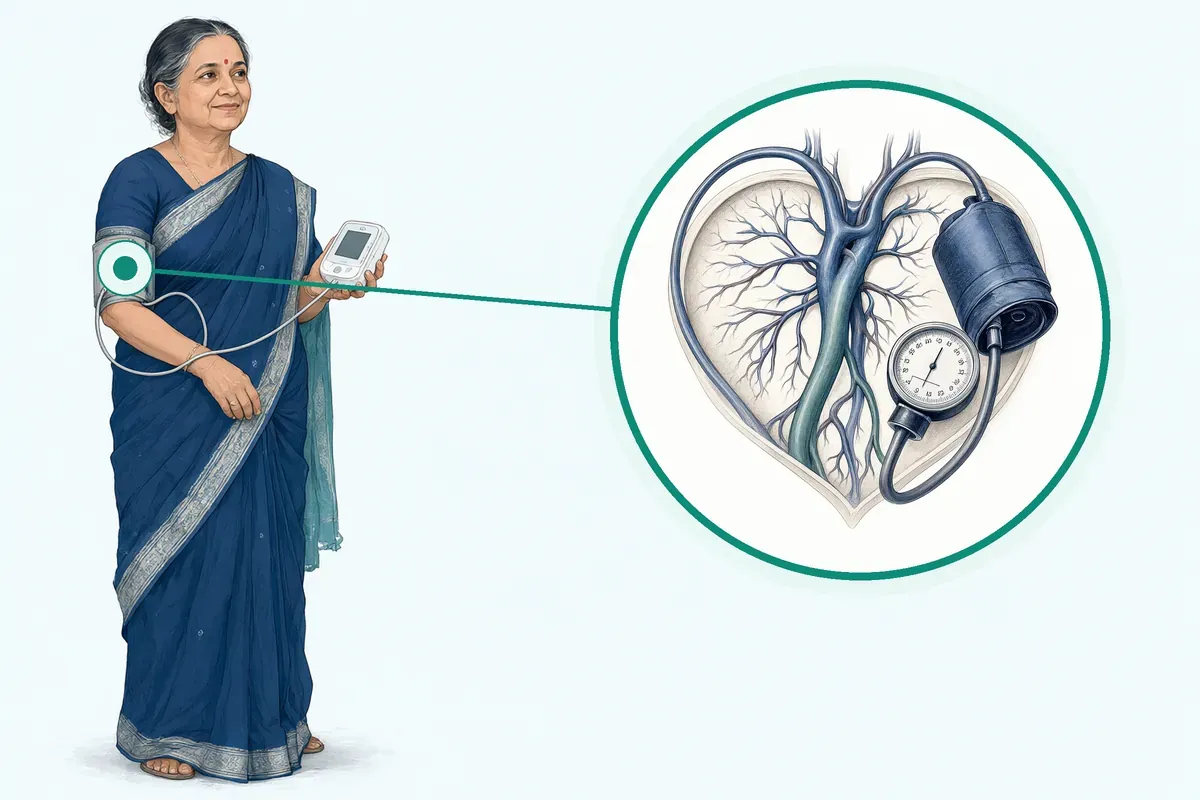
Use a validated upper-arm cuff monitor. Sit quietly for five minutes, back supported, feet flat, arm at heart level. Take two readings one minute apart, morning before medication and evening before bed. Record both numbers. Jaipur Hospital recommends this method for reliable home monitoring.
In detail
All major clinical practice guidelines acknowledge the superiority of out-of-office measurements, including ambulatory blood pressure monitoring and home blood pressure monitoring, over office measurements for confirming diagnosis and monitoring control. Home monitoring avoids white-coat effect and detects masked hypertension.
The hospital advises using a device validated by the British and Irish Hypertension Society or similar body. Cuff size must match your arm circumference; a too-small cuff overestimates pressure. Avoid caffeine, smoking and exercise for 30 minutes before measuring. Empty your bladder first.
Sit with your back supported and legs uncrossed. Place the cuff on bare skin, not over clothing. Take two readings one minute apart and note both. Measure twice daily for seven days during treatment changes, then twice weekly once stable.
Keep a log with date, time, readings and any symptoms. Bring this log to every consultation. Ambulatory 24-hour monitoring may be ordered if home readings are variable or discordant with clinic values.
A common belief
Many people use wrist monitors, talk during the reading, or measure right after tea.
What actually happens
These mistakes give falsely high or low numbers. Clinic readings alone can miss masked hypertension or over-treat white-coat effect. Proper home technique gives the true picture.
Your next step at Jaipur Hospital
Purchase a validated upper-arm monitor from a chemist or the hospital pharmacy. Practise the technique with your doctor or nurse at the next visit. Start a seven-day home monitoring schedule before your follow-up. Record readings in a notebook or phone app. The doctor will review the average and adjust treatment if needed. Stable patients typically monitor twice weekly.
How can I decide whether to seek advice about blood pressure management?
In short
You should seek advice about blood pressure management if your readings are consistently at or above 130/80 mmHg, or if you have risk factors such as diabetes, kidney disease, or a family history of heart disease. Jaipur Hospital offers a structured consultation to assess your risk and create a personalised plan.
In detail
Guidelines define hypertension as blood pressure of 130/80 mmHg or higher. Even without symptoms, elevated pressure damages blood vessels over time, increasing the risk of stroke, heart attack, and kidney failure.
Evidence shows that lowering blood pressure reduces cardiovascular events by about 20 to 25 percent. A consultation typically lasts 20 to 30 minutes and includes a review of your medical history, lifestyle factors, and current medications.
The doctor may recommend ambulatory blood pressure monitoring to confirm the diagnosis and assess your dipping pattern at night. Lifestyle changes such as the DASH diet, reduced salt intake, regular exercise, and weight loss can lower systolic pressure by 2 to 8 mmHg each.
If blood pressure remains above target after three to six months of lifestyle changes, or if you have diabetes or chronic kidney disease, medication is usually started promptly.
A common belief
Many people wait for symptoms like headaches or dizziness, but hypertension is often silent.
What actually happens
Damage to arteries, the heart, and kidneys happens quietly over years. Early evaluation prevents complications.
Your next step at Jaipur Hospital
Check your blood pressure at home using a validated upper-arm monitor for a week, recording morning and evening readings. If the average is 130/80 mmHg or higher, book a consultation at Jaipur Hospital. Bring your log and a list of current medicines. The doctor will evaluate your overall cardiovascular risk and discuss a stepwise treatment plan.
Could several medical conditions or medicines be contributing to my symptoms?
In short
Yes. Conditions such as diabetes, kidney disease, thyroid disorders, and sleep apnoea can raise blood pressure and affect cholesterol. Medicines like painkillers (NSAIDs), steroids, oral contraceptives, and some antidepressants can also increase blood pressure or lipids. Jaipur Hospital reviews all your conditions and medicines during the cardiovascular risk consultation.
In detail
Secondary hypertension accounts for about 5 to 10 percent of cases. Common medical causes include primary aldosteronism, renal artery stenosis, and obstructive sleep apnoea. Drug-induced hypertension is frequent with regular NSAID use, corticosteroids, and certain cold remedies.
These factors can make blood pressure resistant to standard treatment. Our team takes a detailed history, checks your medication list, and orders targeted tests such as kidney function, electrolytes, hormone panels, and sleep studies if needed. Adjusting or stopping the offending drug, or treating the underlying condition, often improves control without adding more pills.
A common belief
Patients often treat the number without looking for the cause.
What actually happens
Finding and fixing a hidden condition or changing one medicine can work better than adding a third or fourth blood pressure tablet.
Your next step at Jaipur Hospital
Bring a complete list of all prescription, over-the-counter, and herbal medicines to your visit. Note any new symptoms like swelling, headaches, or snoring. The consultation takes 20 to 30 minutes and costs ₹800 to ₹2,500. Further tests are advised based on findings.
Which symptoms should prompt me to see a specialist?
In short
You should see a specialist at Jaipur Hospital if you have repeated blood pressure readings of 140/90 mmHg or higher, or 130/80 mmHg if you already have diabetes, kidney disease, or known heart disease. Other reasons include a family history of early heart disease or stroke, high cholesterol, obesity, smoking, or symptoms like frequent headaches, dizziness, palpitations, or shortness of breath on exertion.
In detail
Hypertension is often called a silent condition because many people have no symptoms until complications develop. Guidelines recommend screening for cardiovascular risk factors even without symptoms, especially after age 30.
If you have risk factors such as diabetes, chronic kidney disease, a strong family history, or lipid abnormalities, early evaluation helps prevent target organ damage.
Symptoms like morning headaches, blurred vision, chest discomfort, or breathlessness during routine activity may indicate uncontrolled blood pressure or early heart involvement. A specialist can confirm the diagnosis with ambulatory blood pressure monitoring and assess your overall risk using validated scoring systems.
A common belief
People often wait for severe symptoms before seeking help.
What actually happens
But hypertension damages organs quietly. Guidelines say to screen early if you have risk factors, not just when you feel unwell.
Your next step at Jaipur Hospital
A consultation takes 20 to 30 minutes and costs ₹800 to ₹2,500. Bring any previous blood pressure logs, lab reports, and a list of current medicines. The doctor will review your history, examine you, and decide which tests are needed. Early assessment allows timely intervention.
How will the results change my care plan?
In short
At Jaipur Hospital, test results directly shape your treatment targets and the intensity of therapy. If blood pressure is confirmed above goal, if LDL cholesterol is high, or if there is evidence of kidney, heart, or eye damage, your doctor will recommend a combination of lifestyle changes and medication, with specific targets for blood pressure and LDL based on your overall risk category.
In detail
Guidines use a risk-based approach. For example, if your 10-year cardiovascular risk is high or you have established cardiovascular disease, diabetes, or chronic kidney disease, the blood pressure target is usually below 130/80 mmHg and the LDL target is below 70 mg/dL.
If ambulatory monitoring shows non-dipping or masked hypertension, medication timing or choice may change. Presence of left ventricular hypertrophy on ECG or echo may favour certain drug classes like ACE inhibitors or ARBs. Elevated urine albumin suggests kidney involvement and supports using renin-angiotensin system blockers.
Fundus changes may prompt tighter blood pressure control. Each abnormality moves the plan from lifestyle alone to pharmacotherapy, and from standard to intensive targets.
A common belief
Many patients expect the same treatment regardless of test results.
What actually happens
In reality, guidelines change the targets and drug choices depending on your risk score, kidney function, heart changes, and cholesterol level.
Your next step at Jaipur Hospital
After tests are done, the doctor discusses the findings and outlines a personalised plan, which may include dietary advice, exercise guidance, smoking cessation support, and specific medications. Follow-up is usually monthly until targets are reached, then every 3 to 6 months. The cardiac risk package costs ₹3,000 to ₹10,000.
What should I do if my hypertension symptoms persist or worsen?
In short
If your blood pressure symptoms persist or worsen, contact Jaipur Hospital promptly for a review. Do not stop or change any prescribed medicine on your own. A timely assessment helps your surgeon adjust treatment before complications develop.
In detail
Persistent or worsening symptoms such as headache, dizziness, chest discomfort or shortness of breath may indicate that your current blood pressure control is inadequate or that target organ involvement is progressing.
Evidence shows that uncontrolled hypertension remains a major risk factor for cardiovascular disease, contributing to an estimated 1.6 million deaths annually in India, mostly from ischaemic heart disease and stroke.
The hospital's protocol uses stepwise pharmacotherapy guided by JNC and IPHS guidelines, with combination therapy and dose titration to achieve target blood pressure. Ambulatory blood pressure monitoring can confirm whether readings are truly elevated outside the clinic.
Lipid and ASCVD risk management with statin therapy is added based on your risk score, aiming for LDL below 70 mg/dL in high-risk patients.
Target organ damage screening including ECG, echocardiogram, fundus examination, urine albumin-to-creatinine ratio and eGFR helps detect early heart, kidney or eye changes that may require treatment intensification.
A common belief
Many people wait too long, hoping symptoms will settle.
What actually happens
Uncontrolled hypertension drives heart attacks and strokes. Early adjustment of treatment, often with a single-pill combination, and checking for organ damage can prevent serious events.
Your next step at Jaipur Hospital
Book a follow-up consultation at Jaipur Hospital within one week if symptoms continue. Bring your home blood pressure log and current medication list.
The doctor will review your readings, check for side effects, and may adjust doses or add a second or third agent, often using a single-pill combination to improve adherence. Further tests such as ambulatory monitoring or organ damage screening may be ordered. Lifestyle measures including reduced salt intake, DASH-style diet, regular walking and stress reduction remain essential alongside medicines.
FAQ library
Questions and answers about hypertension and cardiovascular risk
When you contact us
Get your cardiac risk assessed today
Contact Jaipur Hospital for an OPD consultation; we review your reports, run any needed tests in-house and explain your options with a cost estimate.
- A consultation with a physician (internal medicine) in the OPD
- Your scans and reports reviewed, with tests done in-house if you need them (laboratory, X-ray and imaging)
- Your options explained in plain words, including whether you need surgery at all
- A cost estimate before you decide
- Help with cashless treatment under RGHS, MAA Yojana, CGHS and empanelled insurers and TPAs
- Follow-up visits after your treatment
Overview
Hypertension and Cardiovascular Risk: what to know
What hypertension and cardiovascular risk are
- Artery damage
- High pressure damages the inner lining of arteries
- Plaque build-up
- Cholesterol builds up as plaque, narrowing vessels
- Heart strain
- The heart works harder and muscle thickens
- Organ damage
- Kidneys, eyes, and brain can also be damaged
Hypertension means the pressure of blood against the walls of your arteries stays too high over time. Indian guidelines define it as a reading of 140/90 mmHg or higher, while some international guidelines use 130/80 mmHg. When pressure remains high, it damages the inner lining of arteries.
This makes it easier for cholesterol and other substances to build up as plaque, narrowing the vessels and raising the chance of a heart attack or stroke. High blood pressure and abnormal lipids often occur together and each worsens the other.
The heart must work harder to pump against the raised pressure, which can thicken the heart muscle and lead to heart failure. Kidneys, eyes, and brain can also be damaged by sustained high pressure.
Symptoms and warning signs that need urgent care the same day
- Chest pain
- Dizziness
- Nosebleeds
- Racing heartbeat
- Severe headache
- Stroke signs
Most people with high blood pressure feel no symptoms, which is why regular checks are essential. A hypertensive crisis is a reading above 180/90 mmHg. If you reach this level, go to the nearest emergency department at once.
Seek immediate help if you have:
- Chest pain
- Dizziness
- Nosebleeds
- A racing heartbeat that does not slow down
- Severe headache
- Signs of a stroke such as sudden weakness or trouble speaking
- Shortness of breath
These symptoms mean organs may be under acute stress and need urgent evaluation.
Causes and who is at higher risk
- Genetics and age
- Family history and older age raise risk
- High LDL cholesterol
- Most common risk factor that travels with high blood pressure
- Excess weight
- Disrupts hormones and promotes plaque build-up
- High salt diet
- Makes the body hold water, straining kidneys and vessels
- Tobacco and alcohol
- Nicotine tightens vessels; alcohol above limits raises pressure
- Low potassium
- Removes a natural vessel relaxant
There is no single cause for most hypertension. It develops from a mix of genetic tendency, age, and daily habits. High LDL cholesterol is the most common and important risk factor that travels with high blood pressure. Excess body weight disrupts hormones and promotes plaque buildup, raising pressure.
Being overweight also increases the chance of obstructive sleep apnoea, which further lifts blood pressure. A diet high in salt makes the body hold water, straining the kidneys and vessels. Saturated fats and cholesterol from red meat contribute to plaque formation. Smoking and smokeless tobacco tighten vessels through nicotine. Alcohol above recommended limits raises pressure.
High caffeine drinks can cause spikes in some people. Long-standing stress keeps pressure higher. Low potassium intake removes a natural vessel relaxant. Family history of early heart disease or stroke adds risk. Diabetes and chronic kidney disease often coexist with hypertension and change the treatment thresholds.
How hypertension and cardiovascular risk are diagnosed
- Clinic BP check Careful history and blood pressure measured in the clinic
- Blood tests Lipid profile, glucose, kidney function, urine albumin
- Heart and eye checks ECG, echocardiogram, fundus examination
Diagnosis starts with a careful history and blood pressure measured in the clinic. Because readings vary, guidelines prefer confirming the diagnosis with out-of-office measurements. Ambulatory blood pressure monitoring (ABPM) records your pressure over 24 hours, showing day and night patterns and confirming true hypertension. Home blood pressure monitoring (HBPM) is also useful and more accessible. At Jaipur Hospital, our team uses ABPM to assess dipping patterns and guide treatment decisions.
Blood tests include:
- A lipid profile to check LDL cholesterol
- Fasting glucose or HbA1c for diabetes
- Kidney function (creatinine, eGFR)
- Urine albumin-to-creatinine ratio (UACR) for early kidney damage
An ECG checks for heart strain or rhythm problems. An echocardiogram may be done to see heart structure and function. Fundus examination of the eyes looks for vessel changes. These tests together define target organ damage and overall cardiovascular risk, which guides the intensity of treatment.
Treatment options without surgery and when surgery is advised
- 3 to 8 mmHg DASH eating plan
- 2 to 8 mmHg Sodium under 2,300 mg
- 1 mmHg per kg Weight loss 5%
- 2 to 7 mmHg Aerobic activity 150 min/week
Hypertension is managed with lifelong lifestyle changes and, when needed, medicines. Surgery is not a standard treatment for essential hypertension. Lifestyle measures can lower systolic pressure meaningfully. The DASH eating plan, rich in fruits, vegetables, whole grains, low-fat dairy, nuts, and lean protein, can reduce systolic pressure by 3 to 8 mmHg.
Cutting sodium to under 2,300 mg daily, ideally under 1,500 mg, may lower systolic pressure by 2 to 8 mmHg. Raising potassium intake to 3,500–5,000 mg daily from food helps relax vessels. Losing 5% of body weight can give a clinically significant drop; each kilogram lost lowers systolic pressure by about 1 mmHg.
Regular aerobic activity, such as brisk walking 150 minutes a week, can lower systolic pressure by 2 to 7 mmHg. Yoga, pranayama, and isometric exercises are also effective and suit the Indian climate. Limiting alcohol to no more than two drinks a day for men and one for women helps. Quitting smoking drops pressure and heart rate within 20 minutes.
If lifestyle changes do not bring pressure below target in 3 to 6 months, medicines are started. For patients with diabetes, chronic kidney disease, or high cardiovascular risk, medicines begin at diagnosis.
First-line drug classes are:
- ACE inhibitors or ARBs
- Calcium channel blockers (CCBs)
- Thiazide-type diuretics
Most patients need two or more drugs. Guidelines recommend starting with a low-dose single-pill combination (SPC) to reduce pill burden and improve adherence. Common SPCs pair an ARB like telmisartan with a CCB like amlodipine. Statin therapy is added based on your cardiovascular risk score; for high-risk patients the LDL target is below 70 mg/dL.
Follow-up is typically monthly until target is reached, then every 3 to 6 months. At Jaipur Hospital, a consultation lasts 20 to 30 minutes and costs ₹800 to ₹2,500; a cardiac risk assessment package ranges from ₹3,000 to ₹10,000. Care is outpatient with lifelong monitoring and adherence.
Preparing for hypertension and cardiovascular risk management at Jaipur Hospital
Do
- Bring BP records and medicine list
- Carry recent test reports
- Wear loose sleeves for cuff placement
Your first visit for hypertension and cardiovascular risk management at Jaipur Hospital usually lasts 20 to 30 minutes. No anaesthesia is needed because this is an outpatient consultation. Bring any previous blood pressure records, home monitoring logs, and a list of all medicines you take, including supplements.
If you have recent blood tests, ECG, echocardiogram, or kidney function reports, carry those as well. Your doctor will review them to avoid repeating tests.
You may be asked to fast for 8 to 10 hours before blood tests for lipids, blood sugar, and kidney function. Water is allowed. If you take diabetes medicines, ask your doctor whether to skip or adjust the morning dose on the day of the test. Continue your usual blood pressure medicines unless your doctor tells you otherwise.
Wear loose sleeves so a cuff can be placed easily. An attendant can stay with you during the consultation and while you wait for test results.
The cardiac risk package at Jaipur Hospital typically includes:
- Lipid profile
- Fasting blood sugar
- HbA1c
- Kidney function tests
- Electrolytes
- ECG
- Sometimes an echocardiogram or fundus examination
The exact tests depend on your risk factors. Your surgeon will advise which ones you need. If you have insurance under RGHS, MAA Yojana, CGHS, or a private TPA, bring your card and any pre-authorisation letter. The in-house pharmacy and laboratory mean most tests and medicines are available on the same campus.
How hypertension and cardiovascular risk management is done at Jaipur Hospital
Management starts with confirming the diagnosis. Ambulatory BP Monitoring (ABPM) may be used to record your blood pressure over 24 hours. This helps confirm hypertension, see if your pressure dips at night, and guide treatment. Home blood pressure monitoring is also encouraged.
Target organ damage screening includes ECG, echocardiogram, fundus examination, urine albumin-to-creatinine ratio (UACR), and estimated glomerular filtration rate (eGFR) to check your heart, kidneys, and eyes.
Lipid and ASCVD risk management uses a risk score to decide statin intensity. For high-risk patients, the target LDL cholesterol is usually below 70 mg/dL. Stepwise pharmacotherapy follows JNC and IPHS guidelines.
Common first-line classes are:
- ACE inhibitors or ARBs
- Calcium channel blockers
- Thiazide-type diuretics
Your surgeon will choose the combination that suits your age, comorbidities, and tolerance. Fixed-dose combinations (single-pill combinations) are often used to reduce pill burden and improve adherence. In studies, single-pill combinations lowered the number of pills a patient takes each year and improved blood pressure control compared with separate pills.
Lifestyle changes run alongside medicines. The DASH eating plan, rich in fruits, vegetables, whole grains, and low-fat dairy, can lower systolic blood pressure by 3 to 8 mm Hg. Reducing sodium to less than 2,300 mg per day, ideally below 1,500 mg, may lower systolic pressure by 2 to 8 mm Hg.
Replacing white rice with millets like ragi or jowar, cutting pickles and papads, and increasing fibre and lean protein are practical steps for Indian diets. Regular aerobic activity — at least 150 minutes of moderate exercise per week — can lower systolic pressure by 2 to 7 mm Hg. Yoga, pranayama, and isometric exercises also help.
Weight loss of 5% body weight can reduce systolic pressure by about 1 mm Hg per kilogram lost. Limiting alcohol to no more than two drinks a day for men and one for women, quitting tobacco, and managing stress are also recommended.
Follow-up is typically monthly until your blood pressure reaches target, then every 3 to 6 months. At each visit, your doctor reviews home readings, checks for side effects, adjusts doses, and reinforces lifestyle habits. The in-house pharmacy at Jaipur Hospital stocks generic and branded antihypertensives, statins, and combination pills.
Risks and possible complications of hypertension treatment
Blood pressure medicines are generally safe, but side effects can occur.
Common ones include:
- Dizziness
- Fatigue
- Headache
- Ankle swelling with calcium channel blockers
- A dry cough with ACE inhibitors
Electrolyte changes such as low sodium or high potassium may happen, especially with diuretics or RAAS blockers. Kidney function can shift when treatment starts or doses change. Your doctor monitors blood tests to catch these early.
Potassium-based salt substitutes are sometimes suggested, but they should be avoided if you have chronic kidney disease or take potassium-sparing drugs because of the risk of hyperkalaemia. Intensive blood pressure targets (systolic below 120 mm Hg) have shown greater reduction in cardiovascular events in trials, but also higher rates of hypotension, electrolyte abnormalities, and acute kidney injury.
The SPRINT trial used an automated office method that reads 7 to 10 mm Hg lower than standard cuff readings, so targets in routine practice may differ.
A hypertensive crisis — blood pressure above 180/120 mm Hg with symptoms like chest pain, severe headache, breathlessness, confusion, or stroke signs — needs immediate emergency care. Jaipur Hospital's 24×7 emergency department and ambulance service are available for such situations.
If you experience fainting, a racing heartbeat that does not slow, or sudden swelling, contact the hospital or go to the nearest emergency room.
Statin therapy can rarely cause muscle aches or raised liver enzymes. Your doctor will check liver function if needed. The benefit of lowering LDL cholesterol is consistent across genetic and pharmacologic studies: each 1 mmol/L (about 39 mg/dL) reduction in LDL-C lowers major cardiovascular events by about 22% per year after the first year. This benefit is seen regardless of which LDL-lowering mechanism is used.
Recovery and aftercare for hypertension and cardiovascular risk management
- First week after treatment change Check blood pressure twice daily
- 2 to 4 weeks Repeat blood tests for kidney function and electrolytes
- 3 months Recheck lipid levels after starting or intensifying a statin
- Monthly until target Regular follow-up visits at Jaipur Hospital
There is no surgical recovery because this is lifelong medical management. After your first visit, you will start or adjust medicines and lifestyle changes. Take medicines at the same time each day to keep blood pressure steady. Use a validated upper-arm home monitor and keep a log of readings, meals, and activity. Check blood pressure twice daily for one week after any treatment change, then twice weekly once controlled.
In the first weeks, you may feel tired or dizzy as your body adjusts to lower pressure. Rise slowly from sitting or lying down. Report persistent dizziness, swelling, cough, or muscle pain to your doctor. Blood tests for kidney function and electrolytes are usually repeated within 2 to 4 weeks of starting or changing medicines. Lipid levels are rechecked at 3 months after starting or intensifying a statin.
Quitting smoking lowers blood pressure and heart rate within 20 minutes; circulation and lung function improve within two weeks. Regular follow-up at Jaipur Hospital — typically monthly until target, then every 3 to 6 months — lets your doctor adjust treatment early. The preventive health check packages can bundle these follow-up tests.
If you develop chest pain, sudden breathlessness, severe headache, weakness on one side, or speech difficulty, call the hospital or go to the emergency department immediately.
Results of hypertension and cardiovascular risk management
In studies, lowering systolic blood pressure to below 130 mm Hg reduces cardiovascular events and death compared with higher targets. The SPRINT trial found a 25% relative reduction in major cardiovascular events or death with a systolic target below 120 mm Hg versus below 140 mm Hg in high-risk patients without diabetes.
The intensive group averaged 121.4 mm Hg at one year versus 136.2 mm Hg in the standard group. The primary outcome rate was 1.65% per year with intensive treatment versus 2.19% per year with standard treatment (hazard ratio 0.75). However, intensive targets also increased adverse events such as hypotension and kidney injury.
Blood pressure lowering alone reduces myocardial infarction risk by about 20 to 25%. Adding a statin provides further risk reduction. In a meta-analysis of 26 statin trials with nearly 170,000 people, each 1 mmol/L reduction in LDL-C lowered major cardiovascular events by 22% per year after the first year.
The benefit is similar whether LDL is lowered by statins, ezetimibe, or PCSK9 inhibitors. For high-risk patients, guidelines recommend a target LDL-C below 70 mg/dL.
Indian guidelines recommend age-based targets: below 140/90 mm Hg if under 80 years, and below 150/90 mm Hg if 80 or older (MoHFW); below 130/80 mm Hg if under 60 years, and 130–140/80–90 mm Hg if 60 or older (IGH-IV). ACC/AHA recommends below 130/80 mm Hg for all adults.
WHO recommends below 140/90 mm Hg and systolic below 130 mm Hg in established cardiovascular disease or high risk. Your surgeon will set a personal target based on your age, comorbidities, and tolerance.
Adherence is key. Fixed-dose combinations improve adherence and blood pressure control. In India, more than 200 million adults have hypertension, but fewer than one in ten have controlled blood pressure. Regular monitoring, affordable generic medicines, and lifestyle changes together improve control rates. Jan Aushadhi stores and public sector programmes can lower out-of-pocket drug costs.
Cost and insurance for hypertension and cardiovascular risk management in Jaipur
A consultation for hypertension and cardiovascular risk management at Jaipur Hospital typically costs ₹800 to ₹2,500. The cardiac risk package — which includes lipid profile, blood sugar, kidney tests, ECG, and often echocardiogram or fundus examination — typically costs ₹3,000 to ₹10,000.
The exact amount depends on the tests ordered, whether you choose branded or generic medicines, and whether you need additional imaging. Medicines for long-term treatment add to the cost. Generic antihypertensives and statins are much cheaper than branded ones.
In India, generic drug prices in the private sector are lower than brand prices, and public sector procurement prices are a fraction of private retail prices. Single-pill combinations may cost about 25% more than separate generic pills in the private sector, but they reduce pill burden and improve adherence. Jan Aushadhi stores offer low-cost generics, though availability varies.
Jaipur Hospital accepts:
- RGHS
- MAA Yojana
- CGHS
- A panel of private insurers and TPAs
If you are covered under one of these schemes, bring your card and any required documents. The hospital's insurance desk can help with pre-authorisation and billing. The in-house pharmacy and laboratory mean you can get tests and medicines on the same campus. Ask the billing counter for an estimate before you start the cardiac risk package or any additional tests. Prices are indicative; the final bill depends on your specific investigations and medicine choices.