

Plastic Surgery · Jaipur Hospital
Bedsore Surgery in Jaipur
Chronic pressure ulcers that will not heal. Jaipur Hospital assesses, plans and performs flap reconstruction.
- Serving Jaipur since 1991 (35 years)
- NABH accredited
- 24×7 emergency & ICU
- Cashless: MAA Yojana + 32 insurers
- Operation time
- 2 to 4 hours
- Anaesthesia
- Spinal or General anaesthesia
- Recovery
- Wound care and positioning for 4 to 8 weeks
- Price
- ₹80,000 to ₹2,50,000typical range in India; ask us for an estimate
Wounds that will not close
Deep pressure ulcers that resist healing
When a pressure ulcer reaches muscle or bone, dressings and turning alone cannot close the wound. The defect is too deep and the blood supply too poor for the body to repair it on its own.
-
Exposed bone or tendon
Stage 4 ulcers show muscle, tendon or bone in the wound bed.
-
Recurrent breakdown
The wound closes briefly then opens again when sitting or lying resumes.
-
Chronic infection risk
Open deep wounds harbour bacteria that can infect bone and bloodstream.
-
Months of bedrest
Without surgery, healing can take many months of strict bedrest.
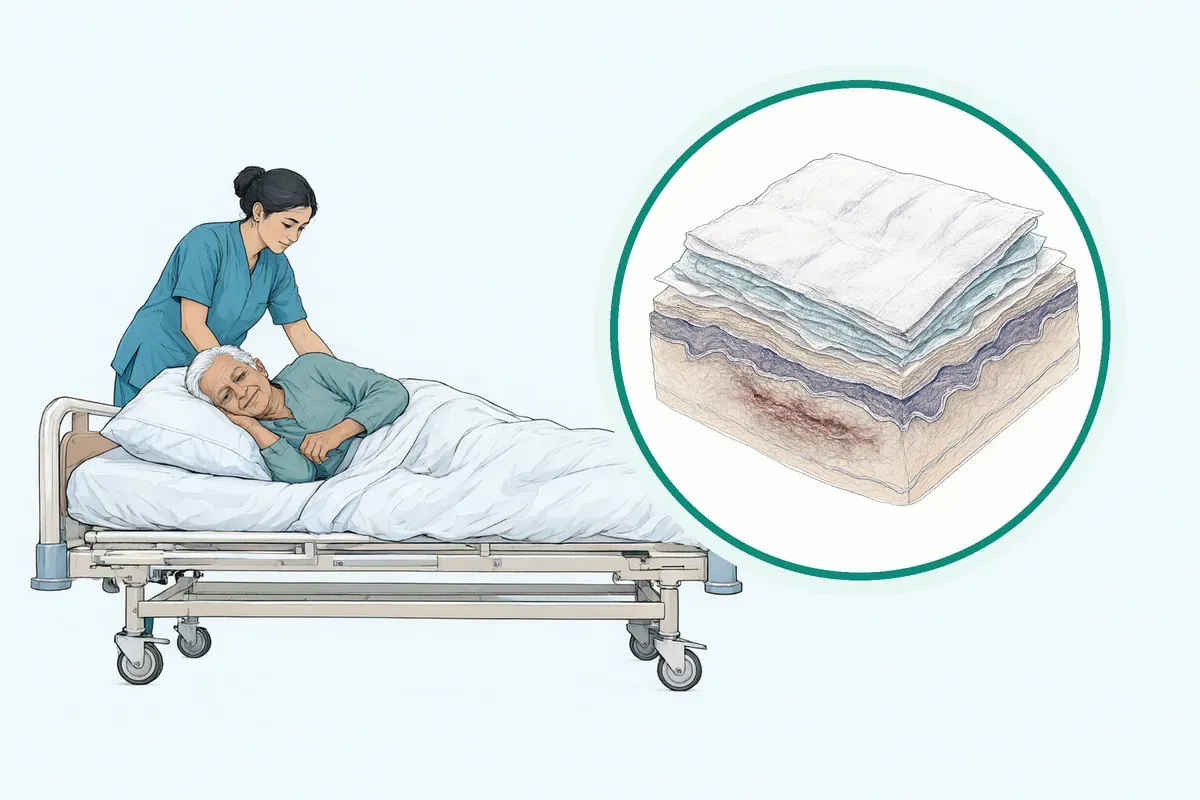
Sustained pressure, shear and friction cut off blood flow, causing ischaemic tissue necrosis.
Why Jaipur Hospital
You worry about another hospital admission, the smell of a chronic wound, and whether you will ever sit up without the sore returning.
Your care plan
Your first steps with us
- 1 Call or visit OPD for surgeon consultation
- 2 Complete blood tests and imaging in-house
- 3 Undergo flap surgery with 7 to 14 nights stay
- 4 Follow graded pressure relief and wound care at home
How the operation is done
The surgeon removes all dead tissue and infected bone, shaves the bony prominence, then moves a flap with its own blood supply into the defect and closes the wound, sometimes with drains.
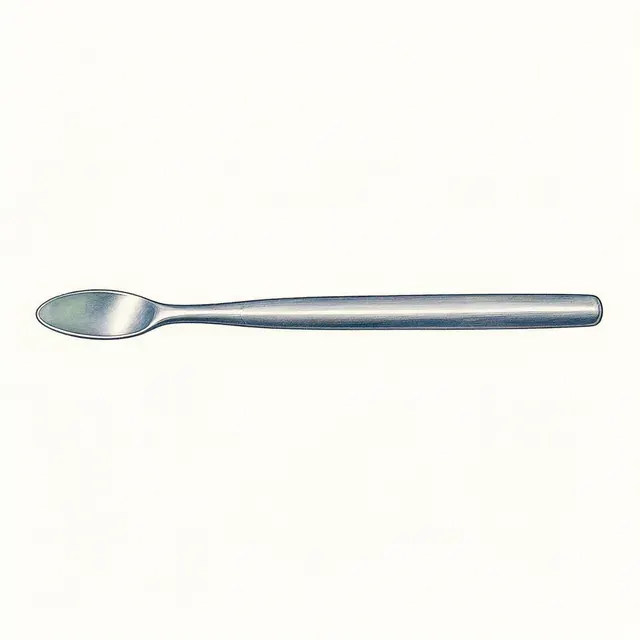 Dead tissue removedAll dead tissue and infected bone are taken away
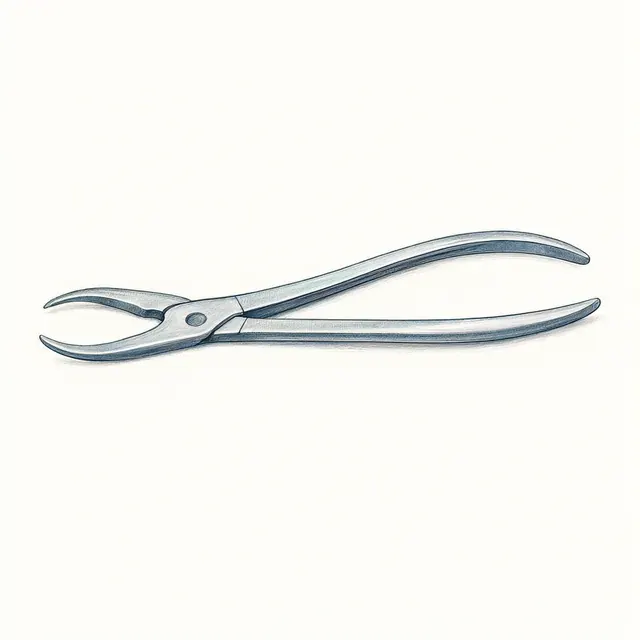 Bone prominence shavedThe bony prominence is shaved down to reduce pressure
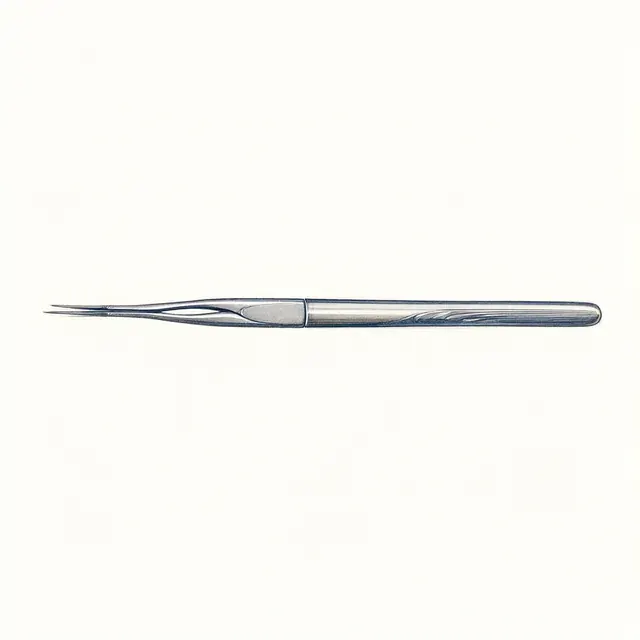 Flap transferredA flap with its blood supply is moved in and stitched
-
Excision and primary closure
For small ulcers with mobile tissue, the wound edges are brought together directly.
-
Local fasciocutaneous flap
Skin and fat from nearby are rotated or advanced to cover the defect.
-
Musculocutaneous flap
Muscle with overlying skin and fat fills deep or infected cavities and cushions bone.
-
Free flap transfer
Distant tissue with its vessels is transferred and reattached under microscope for large recurrent ulcers.
Why patients trust us
- 1991 Serving Jaipur for 35 years
- NABH Accredited hospital
- 1 Plastic Surgery consultants
- 24×7 Emergency, ICU and ambulance
- 33 Cashless schemes and insurers
What research shows about flap surgery
-
28.6% recurrence rate
In published studies, about 3 in 10 patients developed a new ulcer at the same site, on average 358 days after surgery.
-
31.2% wound dehiscence
The most common complication was separation of the incision, occurring in roughly 3 in 10 patients.
-
58.7% overall complications
More than half of patients experienced at least one postoperative complication such as infection, fluid collection or flap loss.
If it is left untreated
Without surgery, a deep ulcer can lead to bone infection (osteomyelitis), sepsis, and prolonged immobility that worsens nutrition and muscle loss. The wound will not close on its own once muscle or bone is exposed.
Life after treatment
Most people heal the wound faster than with dressings alone, spend less time on bedrest, and regain the ability to sit and move with proper pressure management.
-
Faster wound closure
The flap brings blood supply that allows the deep defect to heal in weeks rather than months.
-
Less bedrest needed
Patients usually return to sitting and mobility sooner than with conservative care.
-
Lower infection risk
Closing the wound reduces the portal for bacteria to enter the bloodstream.
-
Improved independence
With the wound healed, most people resume meaningful activities and daily routines.
Meet the team
Your plastic surgery doctors
Explore our plastic surgery hospital in Jaipur: every treatment, the doctors and what to expect at your visit.

Frequently asked questions
Questions patients ask about bedsore surgery
What does pressure sore and bedsore surgery involve?
In short
Pressure sore and bedsore surgery at Jaipur Hospital involves surgical excision of dead and infected tissue followed by flap reconstruction to cover the defect. The operation typically takes two to four hours under spinal or general anaesthesia. Hospital stay is usually seven to fourteen nights. The typical price range in India is ₹80,000 to ₹2,50,000.
In detail
The procedure removes all dead, scarred tissue and infected bone, often shaving down the bony prominence that caused the injury.
A flap of healthy tissue with its own blood supply — skin and fat (fasciocutaneous) or skin, fat and muscle (musculocutaneous) — is rotated, advanced or transferred to fill the cavity and cushion the bone.
Flaps are the standard repair for deep Stage 3 or 4 ulcers over the sacrum, ischium or hip because they bring bulk and circulation, unlike skin grafts which lack independent blood supply and break down under pressure. Technique choice depends on ulcer size, depth, location and previous surgeries.
A common belief
Many people think a skin graft is enough, but grafts have no blood supply of their own and fail over bony areas.
What actually happens
Flaps bring muscle and fat that cushion the bone and resist pressure.
Your next step at Jaipur Hospital
Recovery requires strict pressure relief and wound care for four to eight weeks. You will need frequent repositioning, clean dressings and possibly in-home nursing or a step-down facility. The flap must be protected while it establishes blood supply. Your surgeon will outline the sitting protocol and follow-up schedule at the consultation.
Which tests and scans do I need before pressure sore and bedsore surgery?
In short
Before pressure sore and bedsore surgery at Jaipur Hospital, you typically need blood tests including haemoglobin, white cell count, albumin, prealbumin and blood glucose to assess nutritional status and infection risk. Imaging such as X-ray, MRI or bone scan may be ordered if osteomyelitis (bone infection) is suspected. The anaesthesia team will also request baseline investigations like ECG and chest X-ray depending on your age and comorbidities.
In detail
Low albumin and prealbumin are strongly associated with higher rates of wound dehiscence, infection and flap complications. Blood glucose control is critical, especially in diabetic patients.
If the ulcer overlies bone — common at the sacrum, ischium or trochanter — imaging helps define the extent of bone involvement and guides the need for bone resection during surgery. In published series, larger wound size and preoperative osteomyelitis influenced operative planning and outcomes.
The anaesthesia assessment (ASA grade) also predicts complication risk; higher ASA class correlates with more infections. All these investigations are done in-house at our diagnostic laboratory and radiology department.
A common belief
Patients often skip the nutrition tests, but low albumin and prealbumin are directly linked to flap failure and wound breakdown.
What actually happens
These are not optional — they guide whether surgery is safe to proceed.
Your next step at Jaipur Hospital
Your surgeon will order the specific tests after clinical examination. Most blood work and imaging can be completed within a day or two at the hospital. Results are reviewed in a multidisciplinary meeting before the operation date is confirmed. Bring any recent reports from other centres.
How painful is bedsore surgery and the early recovery?
In short
Bedsore surgery at Jaipur Hospital is done under spinal or general anaesthesia, so you feel no pain during the operation. After surgery, the surgical team manages pain with prescribed medicines. The flap area is often numb at first. Discomfort comes mainly from the donor site and from the strict positioning needed to protect the flap.
In detail
The operation lasts two to four hours. Anaesthesia blocks pain completely during surgery. In studies, patients report moderate pain at the donor site where tissue was taken, especially with musculocutaneous flaps. The flap itself has reduced sensation. Pain is controlled with regular analgesics.
Early mobilisation is limited because pressure must stay off the flap for weeks. This bedrest can cause stiffness and muscle aches, which add to discomfort.
A common belief
Many people expect the wound itself to hurt most.
What actually happens
In fact, the flap has little feeling at first. The donor site and the weeks of strict bedrest cause more daily discomfort than the flap.
Your next step at Jaipur Hospital
You will receive pain relief through an IV or tablets while in hospital, usually for seven to fourteen nights. At home, take prescribed medicines on schedule. Keep pressure off the flap exactly as taught. Report any sudden increase in pain, which may signal a complication. Your surgeon will adjust pain management at each follow-up.
How long does recovery usually take after bedsore surgery?
In short
Recovery after bedsore surgery at Jaipur Hospital typically takes 4 to 8 weeks of strict wound care and positioning. Hospital stay is usually 7 to 14 nights. Full healing and safe return to sitting or usual activities can take several months, depending on the flap type and your overall health.
In detail
The flap needs time to establish its blood supply and withstand pressure. Evidence shows that early recovery focuses on complete pressure relief, frequent repositioning, and keeping the wound clean and dry.
You will need to avoid sitting or lying on the operated area entirely for weeks. Gradual pressure conditioning, guided by rehabilitation therapists, begins only after the surgeon confirms flap stability. Studies report that recurrence often happens when pressure protocols are not followed.
Nutritional support with protein and vitamins aids tissue repair. Smoking delays healing and raises failure risk. The timeline varies: some patients need longer bedrest, while others progress to sitting protocols sooner.
A common belief
Many people think the surgery fixes the wound instantly.
What actually happens
In reality, the flap is fragile for weeks. If you sit too early or skip repositioning, the repair can break down and the sore comes back. The timeline depends on how well the pressure relief plan is followed.
Your next step at Jaipur Hospital
Plan for an attendant to help with repositioning, dressing changes, and daily needs for at least the first month. Follow the sitting protocol exactly as prescribed. Attend all follow-up visits for wound checks.
Why is the bedsore not healing?
In short
A bedsore may not heal when pressure, infection, poor nutrition, or dead tissue prevent new tissue from forming. At Jaipur Hospital, the surgical team assesses each factor to understand why a chronic pressure ulcer remains open despite regular care.
In detail
Sustained pressure cuts off blood flow and causes ischaemic tissue necrosis, which is the core reason a pressure injury develops and persists. Infection in the wound or underlying bone (osteomyelitis) maintains inflammation that blocks healing. Dead or scarred tissue acts as a physical barrier.
Poor nutritional status, shown by low serum albumin or prealbumin, limits the raw material for repair. Evidence shows that patients with pressure ulcers involving the ischium or multiple sites have higher recurrence rates, and larger wound size is linked to postoperative infection. Without addressing these underlying issues, the wound cannot progress through normal healing stages.
Your next step at Jaipur Hospital
Your surgeon will examine the wound, review blood tests and imaging, and check your nutritional markers. A plan to relieve pressure, control infection, optimise nutrition, and remove dead tissue is made before any reconstruction. Healing may take weeks of strict positioning.
How will appearance, function, and realistic expectations be discussed for bedsore surgery?
In short
The surgeon explains the likely scar location, flap bulk, sensation changes, and the goal of durable coverage over cosmesis. At Jaipur Hospital, the discussion covers what the flap can achieve — wound closure, cushioning of bone, and reduced infection risk — and what it cannot change, such as underlying mobility limits.
In detail
Flap reconstruction brings tissue with its own blood supply to fill depth and protect bone.
The appearance depends on the flap type: a local fasciocutaneous flap leaves a scar at the donor site and a skin patch at the recipient site; a musculocutaneous flap adds bulk but may leave a larger donor scar; a free flap involves microsurgery and longer scars.
Evidence shows the core objective is integrated structural and functional reconstruction, not cosmetic perfection. Sensory nerve coaptation may be attempted to restore protective sensation, but large-scale data are lacking. Recurrence rates in studies range from 15 to 30 percent, especially if pressure relief fails.
The surgeon will outline the hospital stay (typically 7 to 14 nights), the weeks of strict positioning, and the need for lifelong pressure management. Psychological support is offered for anxiety about body image and dependence.
Your next step at Jaipur Hospital
Expect a detailed conversation before consent, including photographs of typical results (not your own). Questions about sitting, caregiving, and return to routine are addressed.
Why might my doctor recommend pressure sore and bedsore surgery?
In short
Your doctor may recommend pressure sore and bedsore surgery at Jaipur Hospital when a chronic ulcer — usually Stage 3 or 4 with exposed muscle, tendon or bone — cannot heal on its own. Surgery is considered when the wound has been present for weeks or months, often after hospitalisation and failed conservative care, or when bone infection (osteomyelitis) makes closure impossible without removing infected tissue and bringing in vascularised flap coverage.
In detail
Deep pressure injuries destroy tissue down to bone. The body cannot rebuild this lost bulk. Flap surgery brings healthy, vascularised tissue to fill the cavity, pad the bony prominence and restore a durable surface.
In studies, surgical closure shortens the months of bedrest needed for spontaneous healing, lowers ongoing infection risk, and can improve quality of life and independence.
However, recurrence rates in published series range from 15% to 30%, especially if pressure relief, nutrition and positioning are not maintained after surgery. The decision balances these benefits against the risks of major surgery in patients who are often frail or have spinal cord injury.
A common belief
Dressings alone can take months of strict bedrest and still not heal a deep cavity.
What actually happens
Surgery speeds closure but only works if you can keep all pressure off the area for weeks afterwards. Many patients underestimate that part.
Your next step at Jaipur Hospital
If your wound is deep, long-standing or infected, ask your surgeon whether flap reconstruction is appropriate. The surgical team will assess your general health, nutritional status (albumin, prealbumin), smoking history and ability to follow strict postoperative positioning. These factors strongly influence healing and recurrence.
How should I prepare in the days before pressure sore and bedsore surgery?
In short
In the days before pressure sore and bedsore surgery at Jaipur Hospital, you should focus on optimising nutrition, stopping smoking, controlling blood glucose and following any specific medication adjustments advised by your surgeon. The surgical team may recommend high-protein supplements to raise albumin and prealbumin levels, which are linked to lower complication rates. Skin preparation and bowel management may also be instructed.
In detail
Published data show that low preoperative albumin and prealbumin significantly increase the risk of wound dehiscence, infection and flap loss. Active smokers have higher recurrence rates (42.6% vs 24% in non-smokers).
Perioperative blood transfusions — often needed when haemoglobin is low — are associated with a 71% complication rate versus 50% without transfusion. Therefore, correcting anaemia and improving nutritional reserves before surgery is a key part of preparation.
If you are on blood thinners, the team will coordinate a safe bridging plan. You will also receive instructions on antiseptic skin washes and fasting. A multidisciplinary team including nutritionists, physiotherapists and anaesthetists reviews your fitness before the operation date is fixed.
A common belief
Many patients think preparation is just fasting the night before.
What actually happens
In reality, low albumin and smoking are two of the strongest predictors of wound breakdown. Fixing those takes days to weeks, not hours.
Your next step at Jaipur Hospital
Plan for a hospital stay of seven to fourteen nights. Arrange an attendant to stay with you and help with repositioning after discharge. Prepare your home with the prescribed support surface (special mattress or cushion) and understand the sitting and turning schedule. The surgeon will give you a detailed preoperative checklist at the consultation.
What are the common side effects and the less common serious complications of bedsore surgery?
In short
Common side effects after bedsore surgery at Jaipur Hospital include swelling, bruising, and temporary numbness around the surgical site and donor area. You may also have mild wound discharge and fatigue during the first weeks. These typically improve with routine wound care and rest.
In detail
Serious complications are less common but can occur. Evidence shows wound dehiscence, where the incision opens along the stitch line, is the most frequent major complication.
Flap failure, where part or all of the transferred tissue dies due to poor blood supply, may need urgent re-operation. Infection can develop, signaled by redness, warmth, swelling, or fever. Haematoma, a collection of blood under the flap, may require drainage.
Seroma, or fluid build-up, can cause swelling. Deep vein thrombosis and pulmonary embolism are rare but serious risks. Recurrence of the pressure ulcer at the same site is reported in studies, especially if pressure relief is not maintained.
A common belief
Serious problems are less common but real: the wound can reopen, the flap can lose its blood supply, infection can set in, or blood clots can form.
What actually happens
Recurrence of the pressure sore is also a known risk if pressure is not kept off the area.
Your next step at Jaipur Hospital
Your surgical team will monitor flap colour, temperature, and capillary refill closely in hospital. At home, watch for increasing pain, spreading redness, foul-smelling discharge, fever, or a flap that turns pale, dark, or hard. Report any of these signs immediately. Attend all follow-up appointments.
Which symptoms are expected after bedsore surgery, and which need urgent medical attention?
In short
Expected symptoms after bedsore surgery at Jaipur Hospital include mild to moderate pain at the donor site, swelling, bruising, numbness around the flap, clear or slightly blood-tinged drainage from drains, and fatigue. Urgent signs are fever, chills, increasing redness or warmth, foul-smelling discharge, sudden severe pain, a flap that turns dark purple or black, hard swelling, leg pain or swelling, and shortness of breath.
In detail
The flap has reduced sensation, so pain is not a reliable warning sign for flap trouble. Instead, watch for colour change (pale, dusky, or black), temperature drop, or firmness — these signal blood flow loss. Infection shows as spreading redness, heat, pus, or fever.
Blood clots cause calf pain, swelling, or sudden breathlessness. Seroma feels like a soft, fluid-filled bulge. Any of these need same-day surgical review. Early action can save the flap.
A common belief
Patients often wait for pain to warn them.
What actually happens
The flap has little feeling, so pain comes late. Colour change and temperature are the real early alarms — and they need action within hours.
Your next step at Jaipur Hospital
Check the flap colour and temperature several times a day as taught. Keep a thermometer handy. Call the hospital immediately if you notice any urgent sign, day or night. Do not wait for the next appointment. Your attendant should know these red flags.
FAQ library
Questions and answers about bedsore surgery
When you contact us
Get a surgical opinion and plan
Contact Jaipur Hospital for an OPD consultation with a plastic surgeon, in-house tests, a clear explanation of options, a cost estimate, and help with cashless schemes.
- A consultation with a plastic surgeon in the OPD
- Your scans and reports reviewed, with tests done in-house if you need them (laboratory, X-ray and imaging)
- Your options explained in plain words, including whether you need surgery at all
- A cost estimate before you decide
- Help with cashless treatment under MAA Yojana and empanelled insurers and TPAs
- Follow-up visits after your treatment
Overview
Bedsore Surgery: what to know
What a pressure injury is and how it happens
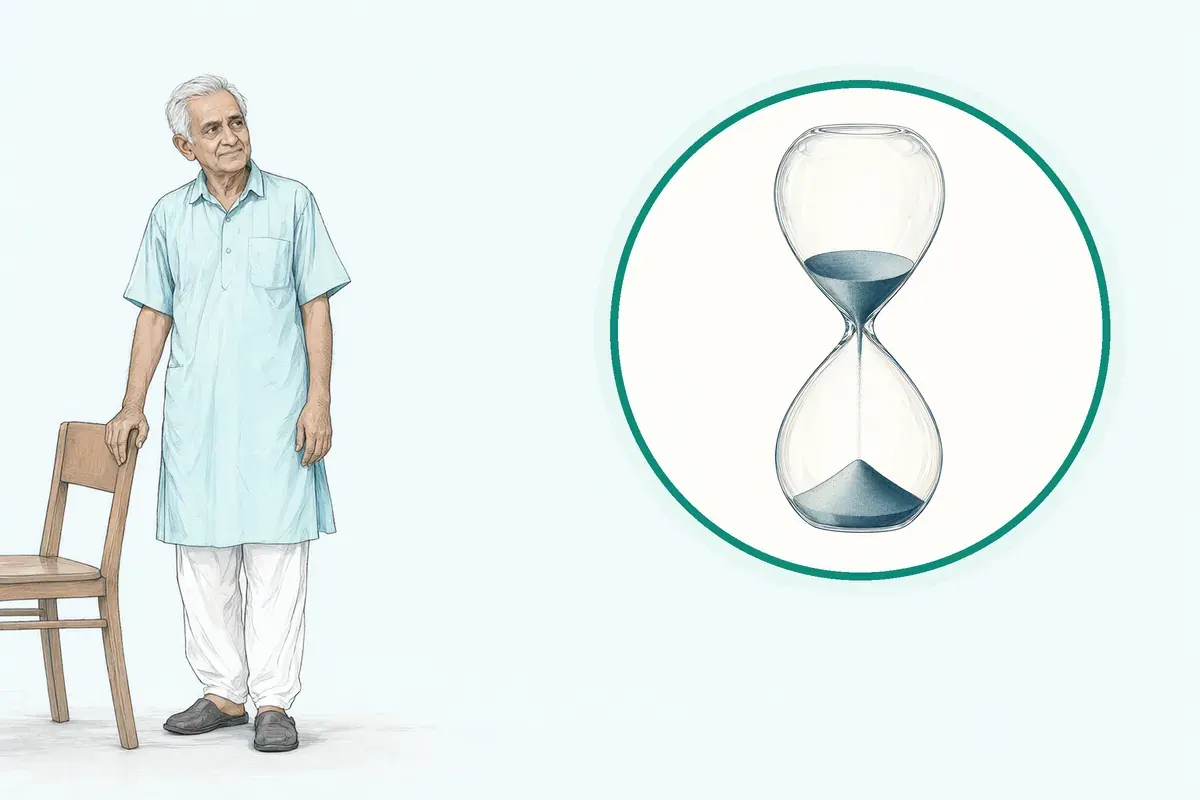
- Definition
- Damage from constant pressure cutting off blood flow
- How it starts
- Tissue dies without blood supply
- Common sites
- Sacrum, ischium and trochanter
- When surgery is needed
- Deep damage that cannot heal on its own
A pressure injury, also called a bedsore or pressure ulcer, is damage to the skin and the tissue underneath that happens when constant pressure cuts off blood flow to an area for too long. Without blood supply, the tissue dies. The injury starts at the surface and can go deeper through the fat layer into muscle and even bone.
The most common sites are:
- The sacrum, the bone at the centre of the lower back just above the buttocks, where a sore can develop when you lie on your back too long without turning
- The ischium, the bony area above the back of the thigh beneath the buttocks, where a sore can develop when you sit too long without shifting weight
- The trochanter, the bony area on the side of the hip, where a sore can develop when you lie on your side too long without turning
The underlying cause is the combined effect of sustained mechanical pressure, shear forces and frictional damage, which together lead to ischaemic tissue necrosis. Pressure sores that occur are also related to poor joint mobility and the development of pressure points.
When the damage is so deep and extensive that the body cannot rebuild the missing tissue on its own, or when bone infection or chronic non-healing makes closure impossible without an operation, surgery enters the picture.
Symptoms and warning signs that need urgent care the same day
- Infection signs Redness, warmth, swelling or discharge around the wound
- Fever or chills Can indicate a developing infection
- Wound edge separation Edges separate or break open along the stitches
- Blood clot signs Leg pain, swelling or sudden difficulty breathing
A pressure injury is usually seen as an open wound. In Stage 3 the wound extends through the skin layers into the fatty tissue below. In Stage 4 it goes past the fat into muscle, and you may see exposed fascia, tendon, muscle, ligament, bone or cartilage in the wound.
Warning signs that need medical attention the same day include redness, warmth, swelling or discharge around the wound, which may signal an infection. Fever or chills can also indicate a developing infection that needs immediate attention.
If you notice discolouration or hardening of the tissue around the wound, or if the wound edges separate or break open along the stitches, contact your surgical team at once. Leg pain, swelling or sudden difficulty breathing can be signs of a blood clot in the leg or lungs and must be reported immediately.
Causes and who is at higher risk
- Main cause
- Constant pressure cuts off blood flow
- Added damage
- Shear forces and friction worsen injury
- High-risk groups
- Spinal cord injury, paralysis, poor nutrition, smoking, underweight
- Recurrence factors
- Ischial site, multiple ulcers, thigh flaps, high ASA grade
Constant pressure is the main cause. When you stay in one position — lying in bed, sitting in a wheelchair or reclining — for too long without moving, the weight of your body presses the skin and soft tissue against the bone. This cuts off blood flow and the tissue dies.
Shear forces, when the skin moves one way and the deeper tissue moves another, and friction from rubbing against bedding or clothing add to the damage.
People at higher risk include those with spinal cord injury or severe neuromuscular disorders who cannot feel discomfort or move themselves. In long-term immobilisation the ischial tuberosity is the second most common site after the sacrum. Paralysis was noted in a large majority of patients who needed surgical repair.
Other factors that raise the risk of poor healing or recurrence are:
- Low serum albumin and prealbumin levels
- Active smoking
- Underweight body mass index
- Larger wound size
Patients with pressure ulcers involving the ischium or in multiple sites are more likely to have recurrences. Thigh (V-Y) flaps have been linked with higher recurrence rates compared with other flap choices. An advanced anaesthesia risk grade (ASA class) is associated with higher infection rates.
How a pressure injury is diagnosed: examination and tests
- Wound examination
- Size, depth and structures involved are measured
- Staging
- Wound staged 1 to 4 based on depth
- Blood tests
- Haemoglobin, white cell count, blood sugar, albumin, prealbumin
- Imaging
- X-ray, MRI or CT to check for bone infection
Your surgeon examines the wound to measure its size, depth and the structures involved — whether fat, muscle, tendon or bone are exposed. The wound is staged from 1 to 4 based on how deep it goes.
By the time flap surgery is being considered, the wound has typically been present for weeks or months, has often needed hospital admission at least once, and may have involved infection of the underlying bone.
Blood tests such as haemoglobin, white cell count, blood sugar, serum albumin and prealbumin are checked to assess nutrition and infection risk. Imaging such as X-ray, MRI or CT scan may be used to see if the bone underneath is infected (osteomyelitis).
The surgical team also reviews your overall health, including heart and lung function, to decide if you are fit for anaesthesia and a major operation.
Treatment options without surgery and when surgery is advised
Non-surgical care is the first step for most pressure injuries. It includes regular repositioning to keep all pressure off the wound, special support surfaces such as pressure-relieving mattresses or cushions, careful wound cleaning and dressings, and optimising nutrition with enough protein, vitamins and calories. If an infection is present, antibiotics are given. The wound is monitored for signs of healing. It can take several months of strict bedrest for a severe wound to heal on its own.
Surgery is advised when the damage is so deep — usually Stage 4 with exposed muscle, tendon or bone — that the wound will not close on its own. Surgery is also considered when bone infection (osteomyelitis) or chronic non-healing makes closure impossible without bringing in healthy tissue with its own blood supply.
A flap, which is tissue moved with its own blood supply attached, brings bulk and circulation to fill a deep cavity and cushion the bone beneath it. Flaps, rather than skin grafts, are the standard surgical repair for deep pressure injuries of the sacrum, ischium and hip.
Skin grafts have no blood supply of their own and leave only a thin covering that breaks down easily under renewed pressure.
Common prerequisites for flap surgery include getting any infection under control, improving nutritional markers such as albumin and prealbumin, and stopping smoking if possible. For frail, elderly patients with multiple serious conditions, the surgical team may conclude the risks outweigh the benefits and recommend conservative wound management or comfort-focused care instead.
Preparing for bedsore surgery
Before the operation your surgeon will review your medical history and current medicines. Blood tests are done to check haemoglobin, blood sugar, kidney function and clotting. Serum albumin and prealbumin levels are measured because low values are linked to higher complication rates. If you have diabetes, your doctor will aim for good blood sugar control before surgery.
If you take blood thinners or aspirin, your doctor will tell you when to stop or adjust them. Smoking reduces blood flow to the flap and raises the risk of wound breakdown and recurrence; you will be advised to stop smoking several weeks before the operation. A chest X-ray and ECG may be needed depending on your age and health.
You will meet the anaesthesia team to discuss spinal or general anaesthesia. Fasting is usually required for six to eight hours before the procedure. Bring your regular medicines, any imaging or wound reports, and comfortable loose clothing. An attendant should plan to stay with you during the hospital admission.
How bedsore surgery is done
- Anaesthesia and debridement Spinal or general anaesthesia; dead tissue and infected bone removed
- Bone prominence reduced Bony prominence shaved down to reduce pressure
- Flap selection and transfer Local, musculocutaneous or free flap chosen based on ulcer size, site and tissue condition
- Closure and drains Drains placed; wound closed in layers
The operation is performed under spinal or general anaesthesia and typically takes two to four hours. The surgeon first removes all dead and scarred tissue, debrides the wound, and removes infected bone when present. The bony prominence that caused the injury is often shaved down to reduce pressure.
A flap is then moved to fill the defect and cushion the bone. The choice of flap depends on the size and depth of the ulcer, the site, and the condition of nearby tissue. Your surgeon will advise which option suits you. For small ulcers with mobile tissue, excision and primary closure may be enough.
A local fasciocutaneous flap uses skin and fat from nearby, rotated or advanced into the wound while keeping its blood supply attached. A musculocutaneous flap brings muscle with its blood supply to fill deep or infected cavities. For large or recurrent ulcers, a free flap transfers tissue from a distant site with its vessels reattached under a microscope.
Drains may be placed under the flap and the wound is closed in layers. The procedure aims to provide bulk, circulation and padding over the bone.
Risks and possible complications of bedsore surgery
All operations carry risks. In published series the overall complication rate was about 59%. The most common complication is wound dehiscence, where the incision separates or breaks open along the stitches, reported in about 31% of patients. Infection occurs when bacteria enter through the wound; signs include redness, warmth, swelling, discharge, fever or chills.
Flap loss, where part or all of the moved tissue dies due to poor blood supply, is a serious complication. Bleeding under the flap (haematoma) may need emergency drainage. Fluid collections (seroma) can form near the surgical site and sometimes need drainage.
Blood clots in the legs (deep vein thrombosis) or lungs (pulmonary embolism) are a risk during prolonged bed rest. Recurrence of a pressure injury at the same site is common when the underlying causes are not corrected; studies report recurrence rates between 15% and 30%.
Risk factors for recurrence include:
- Ischial site
- Multiple ulcer sites
- Active smoking
- Low body weight
- Younger age
Low albumin and blood transfusions are associated with higher rates of infection and dehiscence. Longer operative times are linked to more complications.
Recovery and aftercare after bedsore surgery
After the operation you will stay in hospital for seven to fourteen nights. The first days focus on monitoring blood flow to the flap, pain control, and keeping all pressure off the operated area. You will be positioned strictly according to the surgeon's orders; any pressure on the flap can delay healing or cause breakdown.
Drains are usually removed after a few days. Dressings are changed regularly to keep the wound clean and dry. You will be encouraged to do deep breathing and leg exercises to reduce the risk of blood clots.
Before discharge the team will give you a sitting protocol that gradually increases the time you spend upright, usually starting after two to four weeks depending on healing. At home or in a care facility you must follow the repositioning schedule, use the prescribed support surface, and keep the wound clean.
An attendant will need to help with turning, dressing changes and mobility. Full recovery with wound care and positioning typically takes four to eight weeks.
Call the hospital if you notice:
- Increasing redness
- Swelling
- Warmth
- Discharge
- Fever
- Chills
- Sudden pain
- Bleeding
- A change in the colour or feel of the flap
- Leg swelling or pain
- Difficulty breathing
Results of bedsore surgery: healing and recurrence
- Main benefit
- Deep wound closes faster than months of bed rest
- Reported outcomes
- Lower infection risk, better quality of life, more independence, lower long-term costs
- Recurrence rate
- About 29% same-site recurrence, average one year to recurrence
The main benefit of flap surgery is that a deep wound that would otherwise take months of bed rest to heal can close much faster. Studies report lowered risk of infection once the wound is closed, improved quality of life, increased independence and lower long-term healthcare costs. However, recurrence remains a significant concern.
In published series the same-site recurrence rate was about 29%, with an average time to recurrence of roughly one year. Recurrence is more likely when pressure relief, nutrition and positioning protocols are not followed consistently.
Sensory nerve coaptation during flap reconstruction is being studied as a way to restore protective sensation and may reduce asymptomatic pressure injuries, but large-scale data are not yet available. Perforator-based flaps that preserve donor muscle function may offer a functional advantage over traditional myocutaneous flaps.
Outcomes depend heavily on the multidisciplinary care that continues after surgery, including nutrition optimisation, physiotherapy, pressure management and psychological support.
Cost and insurance for bedsore surgery in Jaipur
The typical cost range for bedsore surgery in India is ₹80,000 to ₹2,50,000. The final amount depends on the size and depth of the ulcer, the type of flap used, the length of the operation, the number of nights in hospital, and whether intensive care or blood transfusions are needed.
Jaipur Hospital is a NABH-accredited multispeciality hospital with modular operation theatres, an intensive care unit, in-house pharmacy, laboratory and imaging. The hospital is empanelled under MAA Yojana and a panel of private insurers and TPAs. If you are covered under one of these schemes, bring your card and any pre-authorisation documents.
For self-pay patients, ask the admissions office for an estimate based on your surgeon's plan. The estimate will reflect the procedure, anaesthesia, implants if any, ward or ICU stay, medicines and investigations.
