

Plastic Surgery · Jaipur Hospital
Botox Treatment in Jaipur
Lines, grinding, sweating or migraine — we assess, explain options and give you a clear plan.
- Serving Jaipur since 1991 (35 years)
- NABH accredited
- 24×7 emergency & ICU
- Cashless: MAA Yojana + 32 insurers
- Procedure time
- 15 to 30 minutes
- Anaesthesia
- Topical anaesthesia
- Recovery
- Immediate, no downtime
- Price
- ₹8,000 to ₹25,000 per areatypical range in India; ask us for an estimate
Lines, grinding, sweat, migraine
Muscle activity causes lines, jaw pain, heavy sweating or frequent headaches
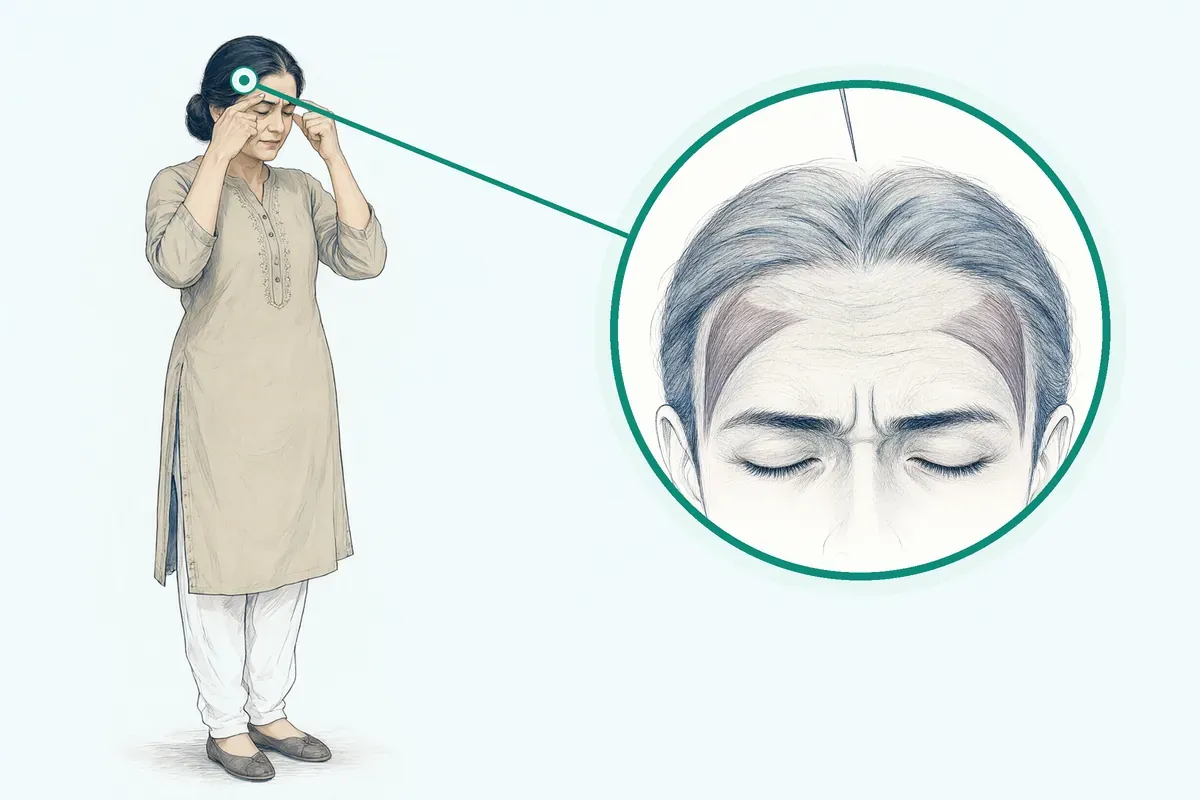
Repeated muscle contractions create forehead lines, crow's feet and frown lines. Overactive jaw muscles lead to grinding and a square jaw. Excess sweating soaks clothes. Chronic migraine steals days. You want to know if injections can help and what is involved.
-
Forehead and eye lines
Muscle movement etches lines that deepen over time.
-
Jaw clenching and width
Large masseter muscles cause grinding, pain and a broad lower face.
-
Heavy sweating
Underarms, palms or soles sweat through clothes and limit daily life.
-
Chronic migraine
Headaches on 15 or more days a month disrupt work and family.
Botulinum toxin blocks nerve signals to muscles, temporarily reducing their contraction.
Why Jaipur Hospital
You worry that treatment will look frozen, hurt, or cost more than you can afford, and you need to know it fits around work.
Your care plan
Your first steps with us
- 1 Call or visit OPD for a consultation with a plastic surgeon
- 2 Get scans and reports reviewed; in-house tests if needed
- 3 Receive a plain-word explanation of options and a cost estimate
- 4 Have the injections as an outpatient and return to normal activity
How the injections are done
A fine needle delivers small amounts of botulinum toxin into specific muscles. The procedure takes 15 to 30 minutes with topical anaesthesia. Several areas can be treated in one session.
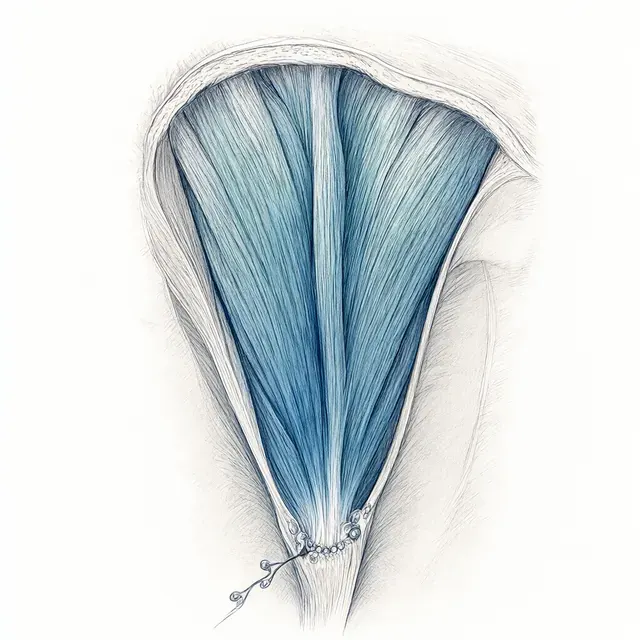 Active frown muscleMuscle contraction creates the frown line
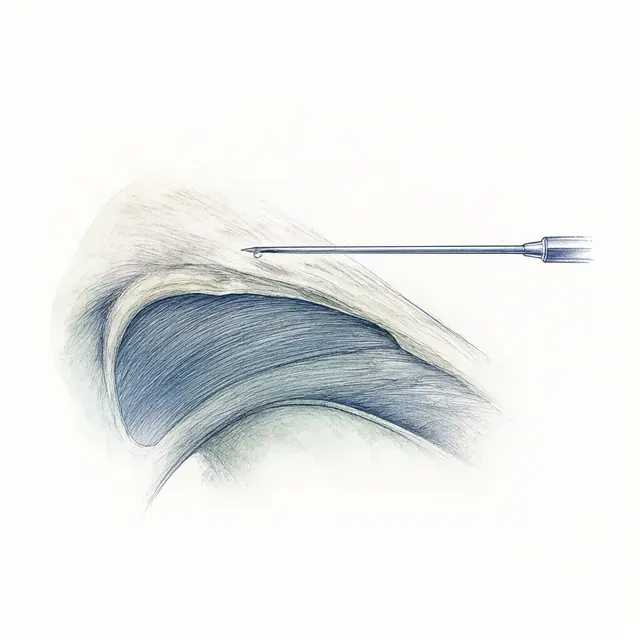 Toxin injectionBotulinum toxin injected into the muscle
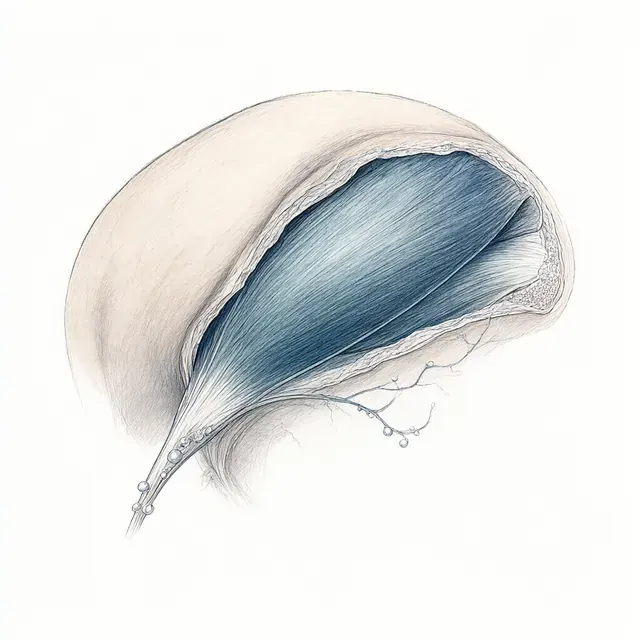 Relaxed muscleMuscle relaxes and the line softens
-
Cosmetic Botox
Targets forehead lines, crow's feet and frown lines to soften wrinkles caused by muscle movement.
-
Masseter Botox
Injected into the jaw muscles to reduce grinding, relieve pain and slim the lower face over time.
-
Hyperhidrosis Botox
Placed in underarms, palms or soles to block nerves that trigger excessive sweating.
-
Medical Botox
Used for chronic migraine, muscle spasticity and bladder conditions as approved indications.
Why patients trust us
- 1991 Serving Jaipur for 35 years
- NABH Accredited hospital
- 1 Plastic Surgery consultants
- 24×7 Emergency, ICU and ambulance
- 33 Cashless schemes and insurers
What research shows about botulinum toxin treatment
-
Effects last about three to four months
On average, muscle relaxation and symptom relief persist for three to four months before gradual return.
-
Most people see full results within 10 to 14 days
Desired effects typically appear around day three or four, with full effect by two weeks after injection.
-
Adverse reactions are usually mild or moderate
Studies report transient asymmetry, swelling or bruising that resolve within days to weeks without stopping treatment.
If it is left untreated
Untreated chronic migraine can keep disabling you for 15 or more days each month. Persistent grinding wears teeth and strains jaw joints. Heavy sweating leads to skin infections and social withdrawal. Deepening lines become harder to soften later.
Life after treatment
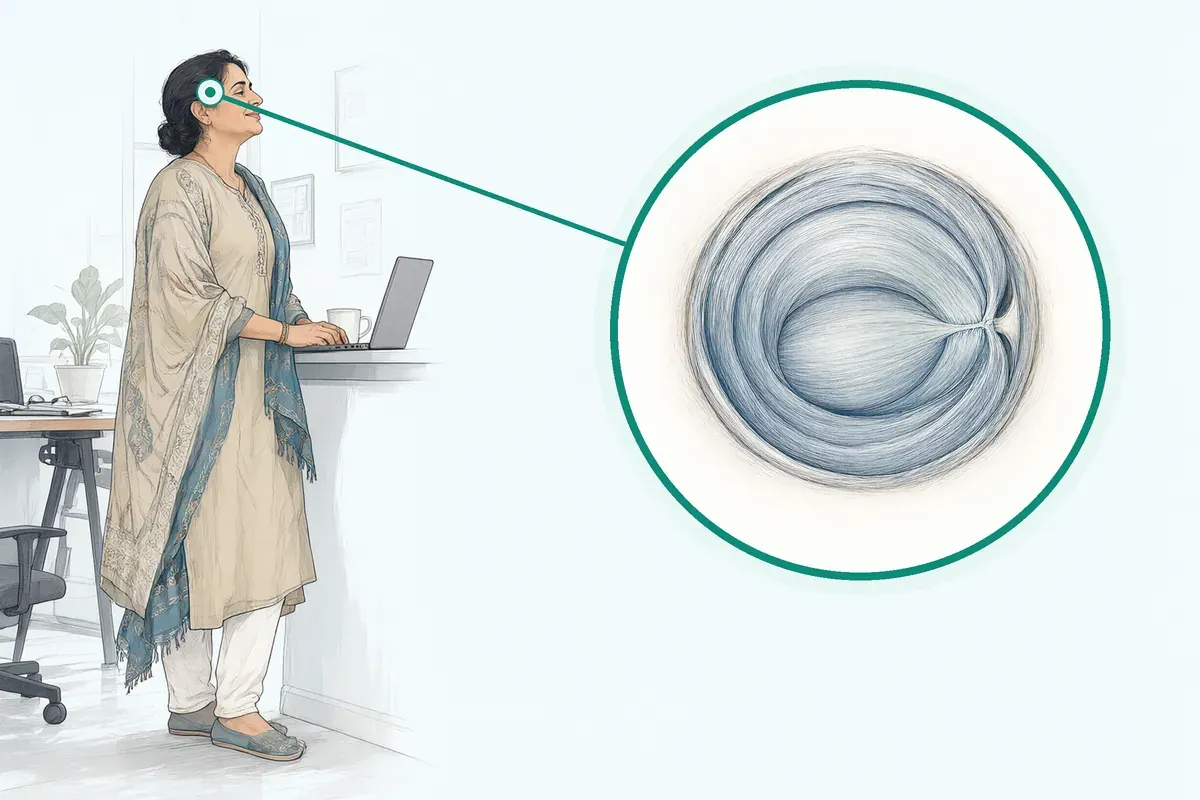
Most people return to work the same day and notice a gradual change over two weeks.
-
Softer lines
Forehead and eye lines usually look less deep for several months.
-
Less jaw tension
Grinding and pain often reduce; the jawline may appear slimmer over time.
-
Drier days
Sweating typically decreases, letting you wear normal clothes without worry.
-
Fewer headache days
Migraine frequency often drops, especially after the second or third cycle.
Meet the team
Your plastic surgery doctors
Explore our plastic surgery hospital in Jaipur: every treatment, the doctors and what to expect at your visit.

Frequently asked questions
Questions patients ask about botox treatment
What does botulinum toxin treatment involve?
In short
At Jaipur Hospital, botulinum toxin treatment is an outpatient procedure that takes 15 to 30 minutes. The clinician applies a topical anaesthetic cream, then uses a fine needle to inject small amounts of the toxin into the specific muscles that cause your wrinkles, jaw tension, sweating or migraine pain. You can return to normal activities immediately after the session.
In detail
The treatment works by blocking nerve signals to the targeted muscles so they cannot contract as strongly. For cosmetic areas such as forehead lines, crow's feet and frown lines, this softens the wrinkles caused by repeated muscle movement.
For masseter treatment, it reduces jaw size and teeth grinding. For hyperhidrosis, it blocks the nerves that trigger sweat glands. For medical uses such as migraine, spasticity or bladder issues, it relaxes the involved muscles or blocks pain pathways.
The Global Aesthetics Consensus Group recommends an individualised, panfacial assessment so that dosage and placement match your muscle anatomy and the cause of your concern. Multiple areas can be treated in one sitting.
A common belief
Many people think the treatment freezes the face.
What actually happens
Current consensus favours modulation, not paralysis, using lower doses and precise placement to keep natural expression while softening lines or reducing symptoms.
Your next step at Jaipur Hospital
Effects usually appear by day three or four and full results are visible within 10 to 14 days. The benefit typically lasts three to four months, after which you may choose to repeat the treatment. No special aftercare is needed beyond avoiding alcohol and vigorous rubbing of the treated area for 24 hours.
Do I need an examination, tests, or a test patch before botulinum toxin treatment?
In short
At Jaipur Hospital, a clinical examination and medical history review are required before your first botulinum toxin treatment. Routine blood tests are not needed for healthy adults. A test patch is not standard because allergic reactions are rare. If you have a bleeding disorder, take blood thinners, or have had previous reactions to injections, the surgeon may order basic coagulation tests or advise extra precautions.
In detail
The Global Aesthetics Consensus Group recommends a full facial assessment that includes static and dynamic observation, palpation of muscle mass, and skin quality checks such as snap and stretch tests. This identifies whether your lines are caused by muscle activity, volume loss, or skin laxity.
The surgeon also reviews your medicines, allergies, neuromuscular history, and pregnancy status. In studies, exclusion criteria included myasthenia gravis, motor neuron disease, Lambert-Eaton syndrome, infection at the injection site, and use of neuromuscular blocking drugs within seven days.
No skin test is described in the protocols because the formulated products contain human serum albumin and the risk of hypersensitivity is low. However, if you have a history of severe allergy to any component, the surgeon will discuss alternatives.
A common belief
Some clinics advertise mandatory allergy testing.
What actually happens
Evidence does not support routine patch testing for the approved formulations used here. The real safety step is a proper facial assessment and medication review.
Your next step at Jaipur Hospital
The assessment takes about 15 to 20 minutes and can be done on the same day as the procedure if no tests are needed. If blood work is advised, results are usually available within a few hours at our in-house laboratory.
What would make Botox treatment unsuitable or riskier for me?
In short
At Jaipur Hospital, Botox treatment may be unsuitable if you are pregnant, breastfeeding, or planning pregnancy. It is also avoided if you have a neuromuscular disorder such as myasthenia gravis, motor neuron disease, or Lambert-Eaton syndrome. An active infection or skin problem at the injection site, recent use of certain antibiotics or drugs affecting the neuromuscular junction, and significant unstable medical or mental health conditions can increase risk. Your surgeon will screen for these at consultation.
In detail
Evidence lists exclusion criteria including pregnancy, nursing, or planning pregnancy. Neuromuscular diseases like myasthenia gravis, motor neuron disease, or Lambert-Eaton syndrome raise the risk of severe weakness. Skin infection at the injection site is a contraindication.
Drugs that damage the neuromuscular junction, such as quinine, aminoglycosides, or penicillamine, used within seven days increase risk. Significant unstable medical disease or mental disorder may also exclude treatment. Blood thinners and NSAIDs increase bruising risk. Alcohol makes redness and bruising more likely. These factors are assessed during your medical history review.
A common belief
People often assume Botox is safe for everyone because it is common.
What actually happens
Evidence shows specific conditions and drugs increase the chance of serious weakness or bruising. A thorough medical screen is essential before every treatment.
Your next step at Jaipur Hospital
Bring a list of all medicines and supplements you take to your appointment. Inform the surgeon of any past allergic reactions to botulinum toxin products. If you have a scheduled surgery or dental procedure, mention it. The surgeon will advise if you need to pause any medication before treatment.
How does the term "botulinum toxin" relate to Botox treatment?
In short
At Jaipur Hospital, Botox is a brand name for a specific formulation of botulinum toxin type A. Botulinum toxin is the active substance produced by the bacterium Clostridium botulinum. Several brands exist, such as Dysport and Xeomin, each with different potency units that are not interchangeable. Your surgeon will select the appropriate product and dose for your condition.
In detail
Botulinum toxin type A is a neurotoxin that blocks nerve signals to muscles, causing temporary weakening. Botox (onabotulinumtoxinA) is one approved brand; others include Dysport (abobotulinumtoxinA) and Xeomin (incobotulinumtoxinA). Each product has unique manufacturing, formulation, and assay methods, so their units are not interchangeable.
Regulatory agencies require non-proprietary names to prevent medication errors. The term "botulinum toxin" refers to the class of drug, while "Botox" refers to one specific product. Dosing, spread, and duration can differ between brands.
A common belief
People often use the words interchangeably.
What actually happens
Evidence shows each brand is manufactured differently, tested differently, and dosed differently. Treating them as the same can lead to dosing errors.
Your next step at Jaipur Hospital
During your consultation, the surgeon will explain which product is used and why. Do not compare unit numbers across brands. Inform the team if you have had a different botulinum toxin product before. The choice depends on the treatment area, your anatomy, and the desired effect.
What product will be used, and how will its suitability be checked?
In short
The product used for your botulinum toxin treatment at Jaipur Hospital will be chosen from approved type A formulations such as onabotulinumtoxinA, abobotulinumtoxinA, or incobotulinumtoxinA. Suitability is checked by reviewing your medical history, the treatment area, and any previous reactions. The surgeon confirms the product matches the approved indication.
In detail
Each botulinum toxin type A product has a unique manufacturing process, protein complex size, and proprietary potency assay. Units are not interchangeable between brands.
The surgeon selects a product with regulatory approval for your specific indication, whether cosmetic (forehead lines, crow's feet, frown lines, masseter) or medical (migraine, hyperhidrosis, spasticity). Your medical history is screened for contraindications such as neuromuscular disorders, infection at the injection site, pregnancy, or breastfeeding. The product vial is inspected for integrity, expiry, and proper storage before reconstitution.
A common belief
Products are not interchangeable; each has its own unit system and dosing.
What actually happens
A product approved for glabellar lines may not be approved for migraine or hyperhidrosis. The surgeon matches the product to the licensed indication.
Your next step at Jaipur Hospital
At the consultation, the surgeon will tell you which product is planned and why. You can ask about the brand, its approval status, and any alternatives. To discuss the right product for your needs, book a consultation at Jaipur Hospital.
How will appearance, function, and realistic expectations be discussed?
In short
At Jaipur Hospital, the consultation includes a detailed discussion of your goals, a dynamic facial assessment and an explanation of what botulinum toxin can and cannot achieve. The surgeon uses this dialogue to set realistic expectations for both appearance and function.
In detail
The assessment begins while you are talking naturally, observing spontaneous animation rather than posed expressions. The surgeon evaluates muscle mass, contraction patterns, skin quality and any volume loss that contributes to lines. Photographs may be taken for your record.
The surgeon explains that botulinum toxin modulates muscle activity; it does not replace lost volume or tighten lax skin. If volume loss is a major factor, combined treatment with fillers may be suggested.
The aim is facial harmonisation appropriate to your age, sex and ethnicity, not a standardised look. You are encouraged to ask questions and voice concerns before any decision is made.
A common belief
Patients often expect toxin to fix all lines.
What actually happens
It only addresses muscle-driven wrinkles. Volume loss and skin quality need separate solutions, which we will discuss honestly.
Your next step at Jaipur Hospital
A written summary of the proposed plan, including areas, doses and estimated cost, is provided. You can take time to consider before booking the procedure. To start this conversation with our surgical team, book a consultation at Jaipur Hospital.
Am I a suitable candidate for botulinum toxin treatment?
In short
You may be a suitable candidate for botulinum toxin treatment at Jaipur Hospital if you have dynamic wrinkles caused by muscle movement, excessive sweating, teeth grinding, chronic migraine or certain muscle spasticity conditions. The treatment is not recommended if you are pregnant, breastfeeding, have a neuromuscular disorder such as myasthenia gravis, or have an active infection at the planned injection sites. A detailed medical history and facial assessment will confirm eligibility.
In detail
Suitability depends on the cause of your concern. Botulinum toxin works where excessive muscle contraction is the primary problem, such as frown lines, crow's feet, forehead lines, masseter hypertrophy, hyperhidrosis or chronic migraine.
It does not correct volume loss or static lines that are present when your face is at rest. The Global Aesthetics Consensus Group stresses an individualised, panfacial evaluation that considers your muscle mass, bone structure, skin quality and ethnicity.
People with bleeding disorders or who take blood thinners may bruise more easily. Those with certain neurological conditions or allergies to any component of the injection should avoid it. Your surgeon will review your medicines, allergies and previous treatments before advising.
A common belief
A common mistake is expecting toxin to fix hollow cheeks or deep folds that come from volume loss.
What actually happens
Those need a different approach. Toxin only relaxes muscles; it does not add volume.
Your next step at Jaipur Hospital
The first step is a consultation where your surgeon examines the area, discusses your goals and checks for any contraindications. If you are cleared, the procedure can often be done the same day. Effects appear in three to four days and last about three to four months.
What should I tell the clinician about medicines, allergies, pregnancy, or previous treatment?
In short
At Jaipur Hospital, you must tell the clinician about all prescription and over-the-counter medicines, especially blood thinners such as warfarin, aspirin or NSAIDs, muscle relaxants, antibiotics like aminoglycosides, and any supplements that affect bleeding. Disclose any allergies, particularly to human serum albumin or botulinum toxin products. Inform the team if you are pregnant, breastfeeding, or planning pregnancy. Share details of any previous botulinum toxin or filler treatments, including the product name, dose, areas treated and any side effects.
In detail
Certain drugs increase bruising risk or interact with the toxin. Anticoagulants, NSAIDs and alcohol make bruising more likely. Aminoglycosides, penicillamine and quinine can potentiate neuromuscular blockade. The Global Aesthetics Consensus Group and study protocols exclude patients who used neuromuscular junction blockers within seven days.
Pregnancy and breastfeeding are contraindications because safety data are lacking. Previous treatments matter because antibody formation, though rare, can reduce response, and knowing the prior product and dose helps the surgeon choose the right formulation and avoid overcorrection.
The surgeon also needs to know about any neuromuscular conditions such as myasthenia gravis, motor neuron disease or Lambert-Eaton syndrome.
A common belief
Patients often forget supplements like fish oil or vitamin E that thin the blood, or they assume a previous treatment elsewhere does not matter.
What actually happens
Both can change the plan and the risk of bruising or reduced effect.
Your next step at Jaipur Hospital
Bring a list of your current medicines and supplements to the consultation. If you have records or photos from previous treatments, bring those as well. The surgeon will review everything and may ask you to pause certain medicines for a few days before the procedure.
What aftercare or dressing instructions will I need after Botox treatment?
In short
At Jaipur Hospital, after Botox treatment you will be advised not to rub or massage the treated areas for at least four hours. Stay upright and avoid lying flat for a short period. No dressing is required as the injection points are tiny. You may apply a cold pack gently if there is mild swelling or bruising. Avoid strenuous exercise, alcohol, and excessive heat for the rest of the day. Your surgeon will give you a written aftercare sheet before you leave.
In detail
The injections use a very fine needle and small volumes, so the puncture sites seal quickly without a bandage. Evidence recommends avoiding manipulation of the area to prevent toxin spread to unintended muscles. Staying upright helps keep the product in the target zone.
Alcohol and NSAIDs can increase bruising. Strenuous activity may raise blood flow and worsen swelling. Most people notice effects around day three to four, with full results by 10 to 14 days. Following these simple steps supports a smooth recovery and optimal outcome.
A common belief
Some people think they can massage the area to spread the product or apply makeup right away.
What actually happens
Evidence shows manipulation can move the toxin to unwanted muscles, and early makeup may irritate the tiny puncture points.
Your next step at Jaipur Hospital
You can return to work and most daily activities immediately. If you experience increasing pain, spreading redness, or signs of infection, contact the hospital. Do not apply makeup to the injection sites for a few hours. Schedule a review if you have any concerns about asymmetry or effect after two weeks.
How does the term "Botox" relate to botulinum toxin treatment?
In short
Botox is a brand name for onabotulinumtoxinA, one of several botulinum toxin type A products used at Jaipur Hospital. The term is often used loosely to mean any botulinum toxin injection, but each product has its own potency units and dosing. Your surgeon will explain which product suits your treatment plan.
In detail
Botulinum toxin type A is a purified protein made by Clostridium botulinum bacteria. Several brands exist, including Botox, Dysport, and Xeomin. They differ in manufacturing, protein complexes, and assay methods, so their units are not interchangeable.
Regulatory agencies require a statement of unit non-interchangeability on each label. The choice of product depends on the indication, the area treated, and the surgeon's clinical judgment.
At Jaipur Hospital, the surgical team selects a product approved for the intended use and follows the manufacturer's dosing guidelines.
A common belief
Many people use "Botox" as a generic term, but the products differ in protein composition, manufacturing, and dosing.
What actually happens
Using the wrong unit conversion can lead to under- or over-treatment.
Your next step at Jaipur Hospital
During your consultation, the surgeon will discuss the product options and why one may be preferred for your case. You will receive a clear explanation of the expected treatment schedule. To learn which botulinum toxin product is appropriate for you, book a consultation at Jaipur Hospital.
FAQ library
Questions and answers about botox treatment
When you contact us
Get your assessment and plan
Contact Jaipur Hospital for a consultation with a plastic surgeon, a review of your reports, a clear explanation of options and a cost estimate before you decide.
- A consultation with a plastic surgeon in the OPD
- Your scans and reports reviewed, with tests done in-house if you need them (laboratory, X-ray and imaging)
- Your options explained in plain words, including whether you need surgery at all
- A cost estimate before you decide
- Help with cashless treatment under MAA Yojana and empanelled insurers and TPAs
- Follow-up visits after your treatment
Overview
Botox Treatment: what to know
What Botox treatment is and how it works
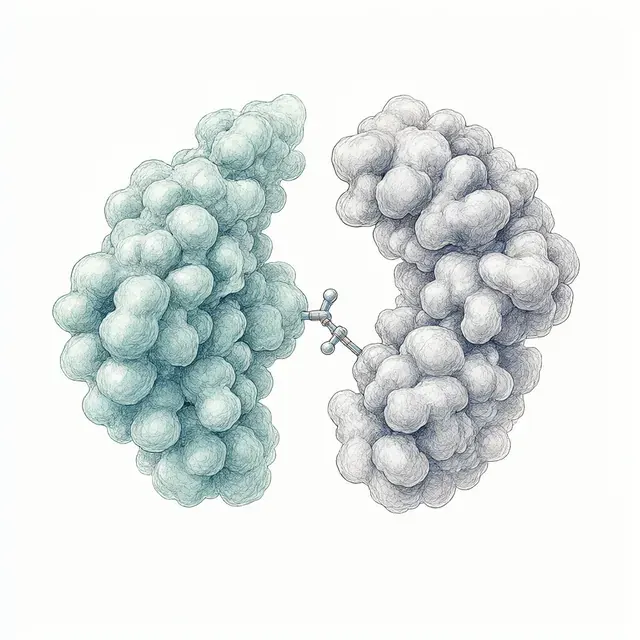 Toxin moleculePurified protein blocks nerve signals
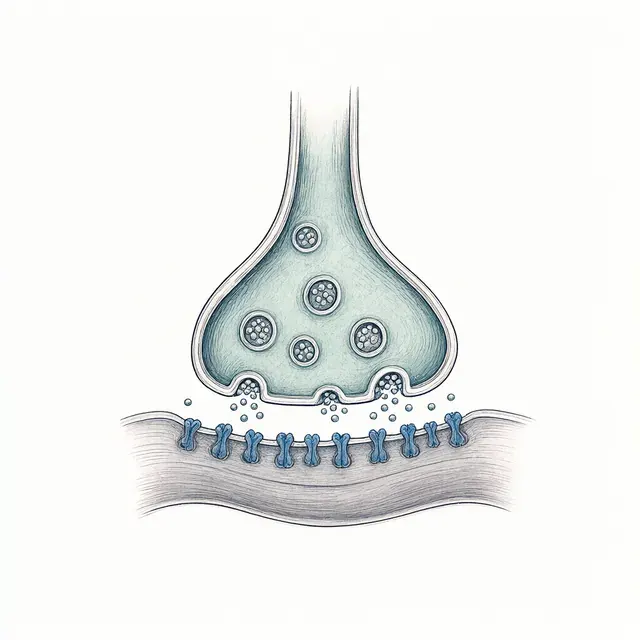 Signal blockedAcetylcholine release stopped at the junction
- Purified protein
- Botulinum toxin type A from Clostridium botulinum
- Biologic medication
- Large protein made by living cells, not a simple chemical drug
- Blocks nerve signals
- Stops muscles from contracting, smoothing wrinkles
- Temporary effect
- Lasts about three to four months on average
Botox treatment uses a purified protein called botulinum toxin type A. It is made by the bacterium Clostridium botulinum and prepared in a laboratory so it cannot cause botulism. The product is a biologic medication, which means it is a large, complex protein produced by living cells rather than a simple chemical drug.
When your surgeon injects small amounts into specific muscles, the toxin blocks the nerve signals that tell those muscles to contract. The injected muscles relax, which smooths the wrinkles caused by repeated movement or reduces the excessive muscle activity that drives certain medical conditions. The effect is always temporary. On average, it lasts about three to four months before the nerve endings recover and muscle movement returns.
Several brands of botulinum toxin type A exist:
- Botox
- Dysport
- Xeomin
They are not interchangeable because each has its own manufacturing process, potency assay and dosing units. Your surgeon will choose the product and dose that suit your indication and anatomy.
Jaipur Hospital offers Botox treatment as an outpatient procedure. It typically takes 15 to 30 minutes. A topical anaesthetic cream is applied beforehand so discomfort is minimal. You can return to your usual activities immediately afterwards.
Symptoms Botox can treat and warning signs that need same-day care
- Difficulty breathing, swallowing or speaking May mean toxin spread beyond injection site
- Spreading muscle weakness Weakness away from where you were injected
- Loss of bladder control Unexpected change in bladder function
- Changes in vision Double vision or other visual disturbances
Cosmetically, Botox is used for dynamic wrinkles that appear when you move your face: horizontal forehead lines, vertical frown lines between the eyebrows (glabellar lines) and crow's feet at the outer corners of the eyes.
Medically, it treats conditions where excessive muscle contraction or nerve signalling is the main problem.
Approved indications include:
- Chronic migraine (headaches on 15 or more days per month)
- Primary hyperhidrosis (excessive sweating)
- Upper limb spasticity after stroke or brain injury
- Blepharospasm (involuntary eyelid closure)
- Hemifacial spasm
- Cervical dystonia (abnormal neck muscle contractions)
- Neurogenic detrusor overactivity (overactive bladder)
It is also used for masseter hypertrophy (enlarged jaw muscles) to slim the jawline and reduce teeth grinding.
Side effects are usually mild and improve within a day or two. They vary by injection site and can include temporary bruising, swelling, redness, headache, or a slight droop of the eyelid or eyebrow. In studies, transient facial asymmetry during movement resolved within six weeks and mild oedema resolved within five days.
Contact your surgeon or visit the emergency department the same day if you notice difficulty breathing, swallowing or speaking; spreading muscle weakness away from the injection site; loss of bladder control; or changes in vision. These are rare but can indicate that the toxin has spread beyond the intended area.
Why wrinkles and muscle overactivity develop and who is at higher risk
- Repeated muscle contraction
- Skin folds along lines of muscle pull over years
- Age-related skin changes
- Loss of collagen, elastin, volume makes folds deeper
- Sun, smoking, stress
- Accelerate ageing by damaging structural proteins
- Medical conditions
- Excessive muscle contraction or abnormal nerve signalling
Dynamic wrinkles form because facial muscles contract repeatedly over years. The skin folds along the lines of muscle pull. With age, the skin loses collagen and elastin, becomes thinner and less elastic, and does not spring back as it once did. Volume loss from shrinking fat pads and bone resorption deepens these folds.
Sun exposure (ultraviolet radiation), smoking and chronic stress accelerate skin ageing by increasing oxidative stress, damaging structural proteins and promoting collagen breakdown. People with fairer skin tend to develop wrinkles earlier and more prominently. In darker skin tones, ageing shows more as volume loss and folding than as fine wrinkles.
For medical conditions, the primary cause is excessive muscular contraction or abnormal nerve signalling. Chronic migraine involves sensitised pain pathways that botulinum toxin can modulate. Spasticity after stroke or brain injury results from disrupted central control of muscle tone. Hyperhidrosis is driven by overactive sympathetic nerves to sweat glands.
You may not be suitable for treatment if you are:
- Pregnant or breastfeeding
- Have an infection or skin problem at the planned injection sites
- Have a neuromuscular disorder such as myasthenia gravis, motor neurone disease or Lambert-Eaton syndrome
Certain medications that affect the neuromuscular junction (for example, aminoglycoside antibiotics, quinine, penicillamine) can increase risk and are usually stopped before treatment. Blood thinners and non-steroidal anti-inflammatory drugs raise the chance of bruising. Alcohol also makes bruising more likely.
How the need for Botox is assessed: examination and tests
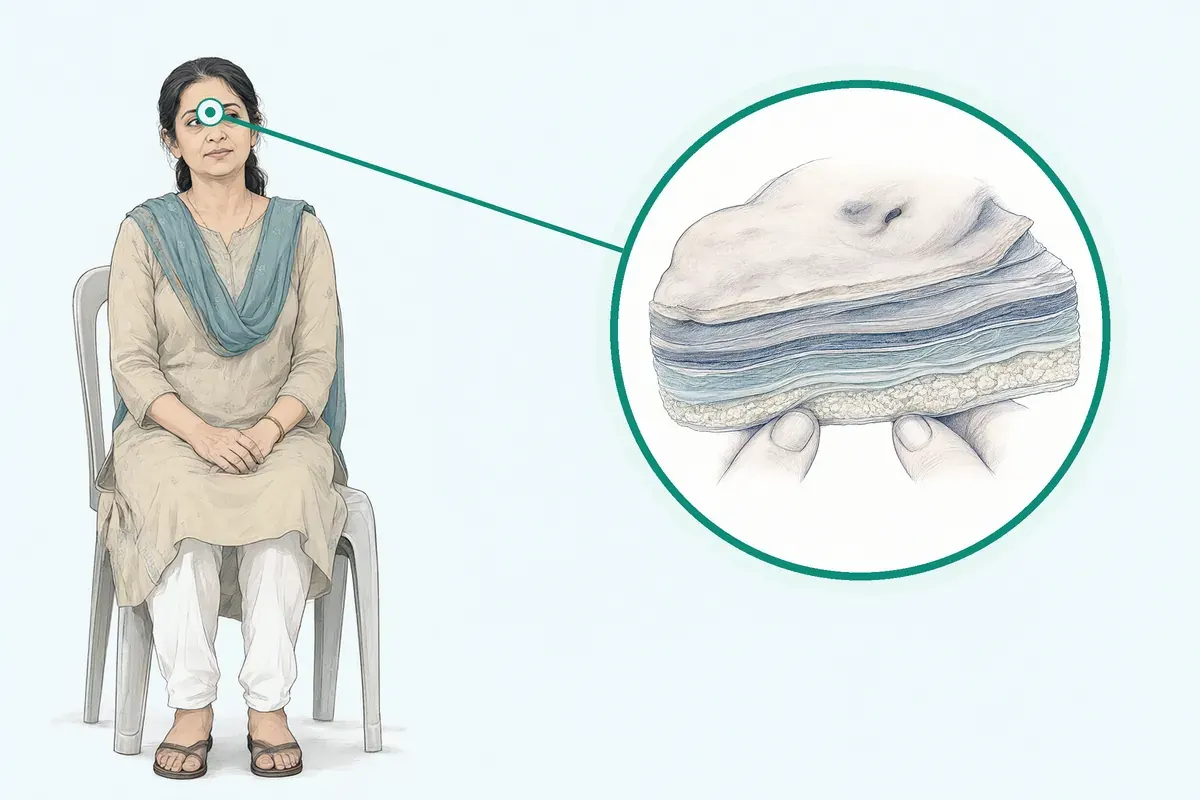
Assessment begins while you are talking with your surgeon. Spontaneous facial animation reveals more than expressions made on command. Your surgeon watches how your muscles move, palpates their bulk and notes the pattern of wrinkles at rest and during movement.
Skin quality is checked with simple tests such as pinch and stretch to see whether lines are caused mainly by muscle action or by loss of elasticity and volume. The relationship between neighbouring muscles is analysed because treating one area can affect adjacent ones.
For cosmetic purposes, no laboratory tests or imaging are routinely needed. For medical indications such as chronic migraine or spasticity, your doctor may review prior investigations (for example, MRI or CT to exclude structural causes) and baseline symptom diaries. Blood tests may be done to rule out coagulopathy or organ dysfunction before a therapeutic course.
The goal is an individualised plan: the right product, dose and injection points for your anatomy, ethnicity, sex and treatment goals. Validated wrinkle scales and photographic documentation help track change over time.
Non-surgical options for wrinkles and muscle conditions, and when surgery is considered
Botulinum toxin injection is the main non-surgical treatment for dynamic wrinkles and the medical conditions listed above. It modulates muscle activity rather than paralysing it completely. Doses and injection intervals have trended lower over time to preserve natural expression.
Dermal fillers (usually hyaluronic acid) address volume loss and static lines that are present even when the face is at rest. They add volume and attract water. Fillers and toxin are often combined because ageing involves both muscle action and volume loss. Your surgeon will advise which combination suits you.
Topical skincare (sunscreen, retinoids, antioxidants) slows photoageing but does not reverse established dynamic wrinkles. Energy-based devices and chemical peels are not offered at Jaipur Hospital.
For medical indications, alternatives depend on the condition. Chronic migraine may be managed with oral preventive medicines, nerve blocks or newer calcitonin gene-related peptide antagonists. Spasticity may be treated with oral muscle relaxants, physiotherapy, splinting or intrathecal baclofen. Hyperhidrosis options include prescription antiperspirants, oral anticholinergics, iontophoresis or, in severe cases, surgical sympathectomy.
Surgery (such as brow lift, facelift or procedures for spasticity) is considered when non-surgical measures no longer achieve the desired functional or aesthetic result, or when there is significant skin laxity and tissue descent that injectables cannot correct. Your surgeon will discuss the timing and trade-offs based on your assessment.
Your first visit and tests for Botox treatment
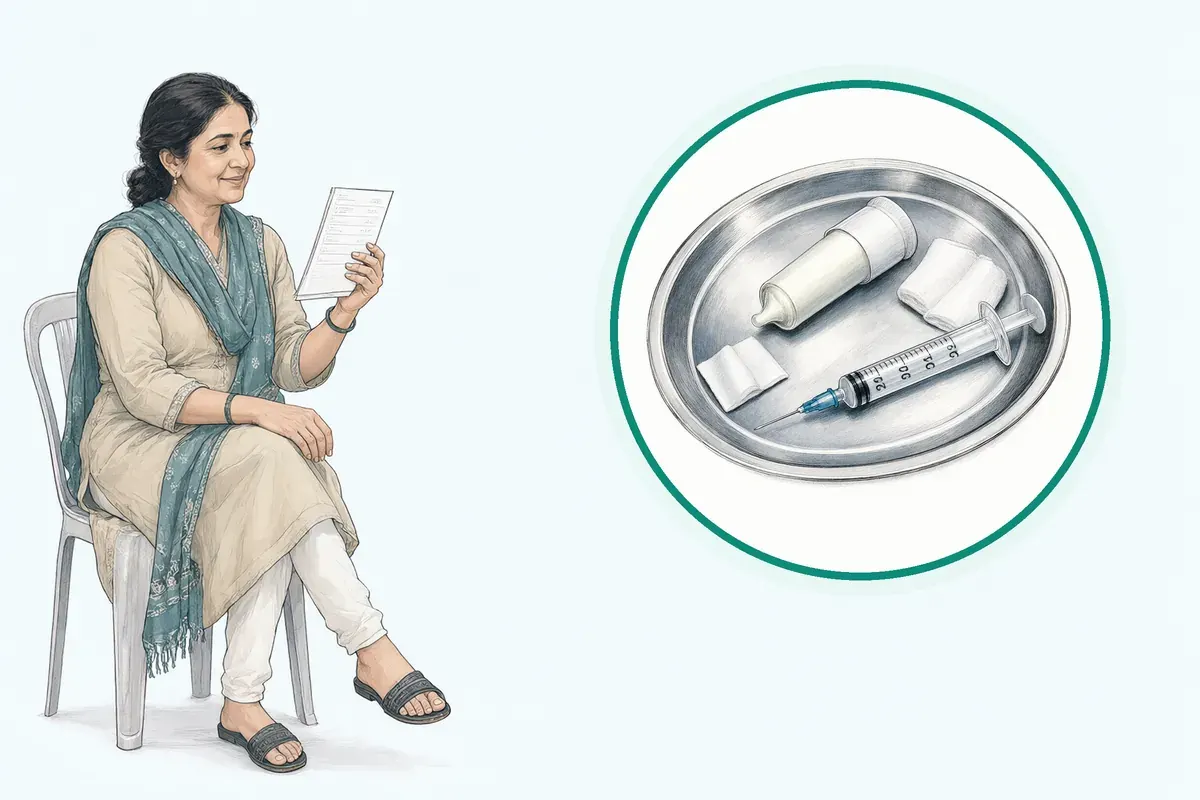
Do
- Bring list of current medicines Especially blood thinners and NSAIDs
- Tell doctor if pregnant or breastfeeding Treatment usually deferred in these situations
- Mention neuromuscular conditions Myasthenia gravis, motor neuron disease, Lambert-Eaton syndrome
Avoid
- Alcohol 24 hours before treatment Makes bruising more likely
- Blood thinners and NSAIDs if possible Increase chance of bruising
At your first visit, your doctor will ask about the lines, wrinkles or medical symptoms that brought you in. They will note any medicines you take, especially blood thinners or non-steroidal anti-inflammatory drugs, because these can increase bruising. Alcohol in the 24 hours before treatment also makes bruising more likely.
Your doctor will check whether you are pregnant, breastfeeding or planning a pregnancy, as treatment is usually deferred in these situations. A history of neuromuscular conditions such as myasthenia gravis, motor neuron disease or Lambert-Eaton syndrome may mean botulinum toxin is not suitable. Any infection or skin problem at the planned injection sites will need to clear first.
No routine blood tests or imaging are required for cosmetic Botox. For medical indications such as chronic migraine, spasticity or hyperhidrosis, your doctor may review earlier investigations or refer you for further assessment to confirm the diagnosis. Bring a list of your current medicines and any previous allergy records. The consultation usually takes 20 to 30 minutes.
How Botox treatment works
- Cosmetic Botox
- Relaxes forehead, crow's feet, frown line muscles
- Masseter Botox
- Slims jawline and reduces teeth grinding
- Hyperhidrosis Botox
- Blocks nerves to sweat glands in underarms, palms, soles
- Medical Botox
- Specific sites for migraine, spasticity, overactive bladder
Botulinum toxin type A is a purified protein that blocks the nerve signal to the injected muscle, so the muscle cannot contract as strongly. The effect is temporary and wears off over several months. Several formulations exist, including onabotulinumtoxinA (Botox), abobotulinumtoxinA (Dysport) and incobotulinumtoxinA (Xeomin); their units are not interchangeable. Your doctor will choose the product and dose that fits your anatomy and the area being treated.
Cosmetic Botox targets forehead lines, crow's feet and frown lines by relaxing the muscles that create these wrinkles. Masseter Botox is injected into the jaw muscles to slim the lower face and to reduce teeth grinding. Hyperhidrosis Botox is placed in the skin of the underarms, palms or soles to block the nerves that trigger sweat glands.
Medical Botox for chronic migraine is given at specific sites around the head and neck every 12 weeks. For spasticity after stroke or brain injury, injections are placed in the overactive limb muscles. For overactive bladder, the toxin is injected into the bladder wall during a cystoscopy.
On the day of treatment, the skin is cleaned and a topical numbing cream may be applied. Using a very fine needle, your doctor injects small amounts at precise points. Several areas can be treated in one session. The procedure usually takes 15 to 30 minutes. You can return to most normal activities straight away.
Risks and possible complications of Botox treatment
- Common mild reactions
- Pinching, redness, swelling, bruising, mild headache
- Transient facial asymmetry
- Resolved within six weeks in studies
- Rare complications
- Eyelid droop, double vision, difficulty swallowing or breathing
- Compensatory muscle enlargement
- Temporalis or pterygoid may enlarge after masseter treatment
Most side effects are mild and settle within a day or two.
Common reactions include:
- Slight pinching or stinging during the injection
- Temporary redness
- Swelling or bruising at the needle sites
- Mild headache
In studies of cosmetic use, transient facial asymmetry during movement was seen in a small number of patients and resolved within six weeks. Oedema at the injection sites disappeared within five days. All adverse events were graded mild or moderate and none led to treatment discontinuation.
Rare but recognised complications include drooping of the eyelid or eyebrow if the toxin spreads to nearby muscles, double vision, difficulty swallowing or breathing if the toxin travels further. Overcorrection of one area can cause an unnatural appearance or recruit other muscles that were previously less active.
Repeated high doses in the same muscle may lead to atrophy and volume loss. When the masseter is treated, the temporalis or pterygoid muscles may enlarge as a compensatory response. Skin atrophy and fine blood vessels (telangiectasia) have been reported in a few cases. In clinical trials, the frequency of adverse events was not statistically different from placebo.
Botulinum toxin is produced in a laboratory under strict controls so that it cannot cause botulism. There is no known risk from receiving multiple treatments over time, and no known interaction with COVID-19 vaccines. If you notice difficulty breathing, swallowing or speaking, or a spreading weakness, seek medical attention immediately.
Recovery and aftercare after Botox treatment
- Immediately after Return to work and daily activities
- First 24 hours Avoid rubbing or massaging treated areas
- Day 10 to 14 Full results usually visible
You can usually return to work and daily activities immediately after the appointment. To reduce the chance of redness, swelling or bruising, avoid rubbing or massaging the treated areas for the first 24 hours. Stay upright for four hours after treatment and avoid strenuous exercise, hot showers, saunas and alcohol for the rest of the day. A cold pack applied gently for a few minutes can help with any minor swelling.
Effects start to appear around the third or fourth day. Full results are usually visible within 10 to 14 days. The muscle-relaxing effect lasts about three to four months on average. With repeated treatments, some people find the interval between sessions can be extended because the muscles learn to contract less forcefully.
For chronic migraine, benefit often increases with each cycle, and many patients report satisfactory results after the second or third session.
Contact the hospital if you develop worsening pain, signs of infection such as increasing redness or pus, difficulty swallowing or breathing, or any new muscle weakness away from the injection sites. Routine follow-up is not required unless your doctor advises otherwise.
Results of Botox treatment
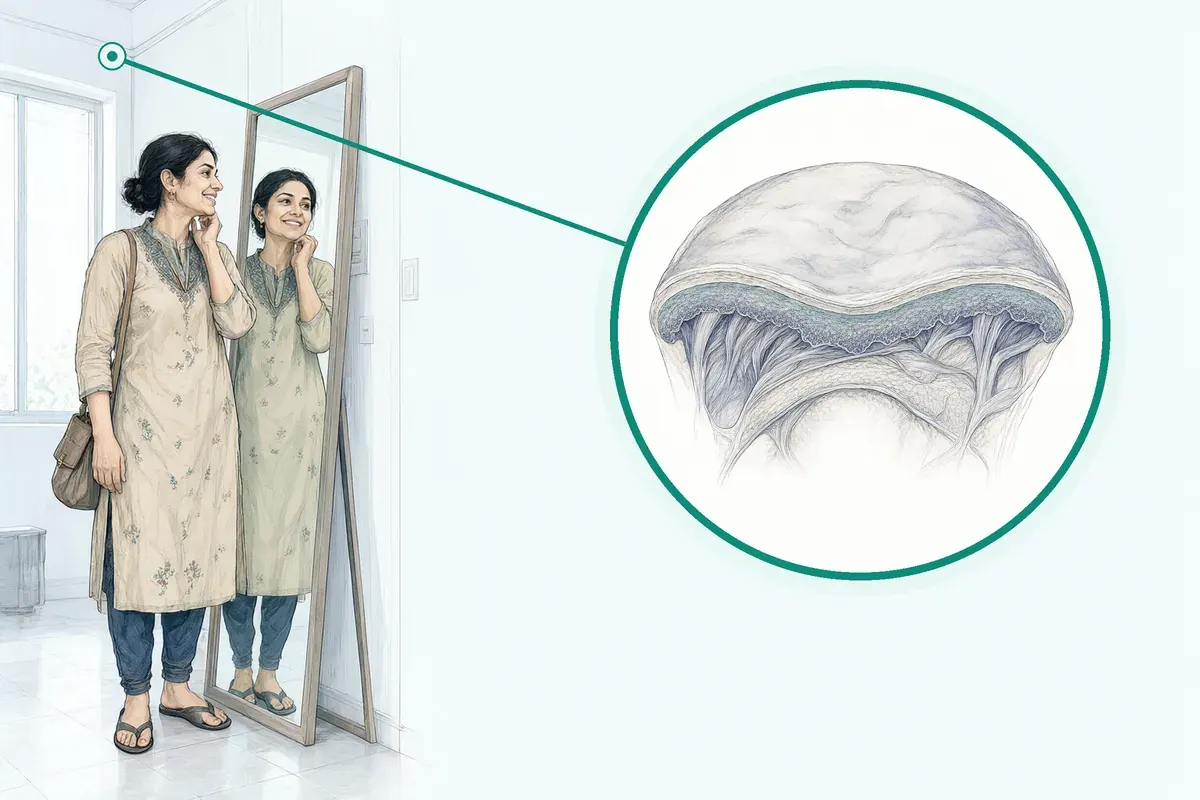
In studies, botulinum toxin type A for cosmetic lines shows a high response rate and patient satisfaction. Treating the glabellar (frown) lines and lateral canthal (crow's feet) lines together gives greater benefit than treating either area alone. A 20-unit dose of onabotulinumtoxinA effectively eliminates moderate glabellar lines at maximum frown.
For crow's feet, higher doses tend to produce greater patient satisfaction, although the clinical difference between the two most effective doses is small.
Long-term data from a retrospective review of 194 patients treated over a mean of 9.1 years showed sustained patient and physician satisfaction with repeated treatments. Patients reported a greater reduction in perceived age the longer they continued treatment. Satisfaction increased with duration of effect.
For chronic migraine, two large randomised controlled trials demonstrated efficacy. Botulinum toxin is beneficial in chronic migraine but not in episodic migraine. In one trial, pain intensity fell significantly by week 2 and attack frequency by week 1, with the effect maintained through the study period. More treated patients reported improvement compared with placebo.
For upper limb spasticity after stroke or brain injury, botulinum toxin significantly reduced muscle tone and disability scores compared with placebo at 4, 6 and 12 weeks. Global assessment scores also improved.
In hyperhidrosis, botulinum toxin type A is an approved and effective treatment. For keloid scars, intralesional botulinum toxin was equally effective and better tolerated than intralesional steroid, with significant softening, reduction in height and redness, and relief of itching and pain.
Results are temporary. Wrinkles, migraine, sweating or spasticity return as the toxin wears off, usually within three to six months. Retreatment is needed to maintain the effect.
Cost and insurance for Botox treatment in Jaipur
The typical price range for botulinum toxin treatment in India is ₹8,000 to ₹25,000 per area. The final cost depends on the number of areas treated, the dose required, the specific product used and whether the indication is cosmetic or medical. Medical indications such as chronic migraine, spasticity or hyperhidrosis may need larger total doses and therefore cost more.
Most health insurers cover botulinum toxin for approved medical conditions such as chronic migraine, urinary incontinence or spasticity. Cosmetic treatments are not usually covered by insurance. Check your policy details and whether pre-authorisation is needed. Jaipur Hospital is empanelled under MAA Yojana and a panel of private insurers and TPAs.
If you are covered under one of these schemes, bring your card and any referral or authorisation letter. The hospital's in-house pharmacy stocks the toxin products used for treatment. Ask your doctor for an estimate before you proceed.
