

Plastic Surgery · Jaipur Hospital
Liposuction in Jaipur
Stubborn fat that resists diet and exercise. We assess, explain options, and give you a clear plan.
- Serving Jaipur since 1991 (35 years)
- NABH accredited
- 24×7 emergency & ICU
- Cashless: MAA Yojana + 32 insurers
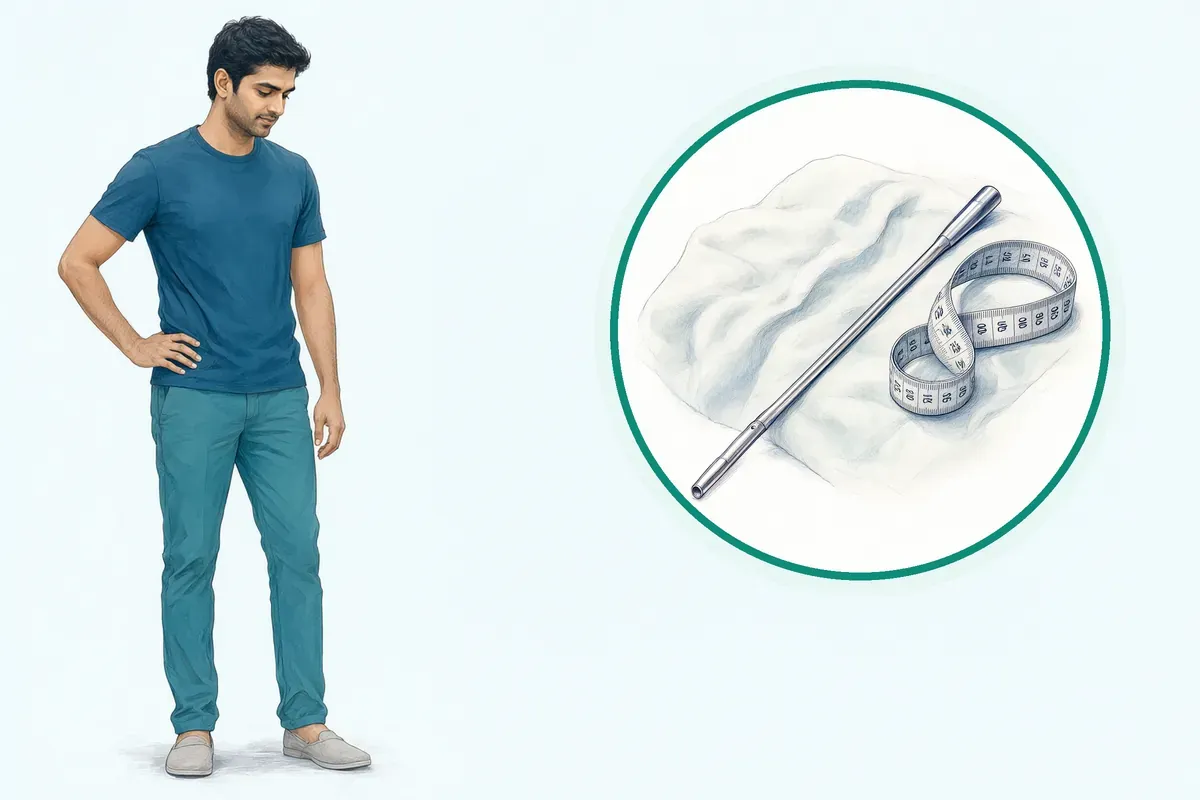
- Operation time
- 1 to 3 hours
- Anaesthesia
- Tumescent local or General anaesthesia
- Recovery
- Back to light activity in 1 to 2 weeks
- Price
- ₹60,000 to ₹2,00,000typical range in India; ask us for an estimate
Fat that will not budge
You eat well and move, but some areas stay the same
Localised fat on the abdomen, thighs, arms or back often remains despite a healthy routine. It is not a weight problem; it is a contour issue that diet and exercise cannot fix.
-
Clothes never fit right
Waistbands pinch or thighs rub, making daily dressing frustrating.
-
Effort feels wasted
Months of gym and diet show results everywhere except the stubborn spots.
-
Self-conscious in summer
You avoid sleeveless tops, shorts or swimwear because of the bulges.
-
Not a weight-loss fix
Liposuction is for contouring, not for treating obesity or significant excess weight.
Liposuction is a body contouring procedure, not primarily a modality for weight loss.
Why Jaipur Hospital
You worry that surgery means weeks off work, hidden costs, or a result that looks unnatural.
Your care plan
Your first steps with us
- 1 Call or visit OPD for a plastic surgery consultation
- 2 Get examined, review scans, and discuss technique options
- 3 Receive a cost estimate and schedule your procedure
- 4 Recover with compression garment and follow-up visits
How the operation is done
Small incisions are made. A fluid with local anaesthetic and adrenaline is infused to reduce bleeding. A thin cannula is inserted to break up and suction out fat. The procedure takes 1 to 3 hours under tumescent local or general anaesthesia.
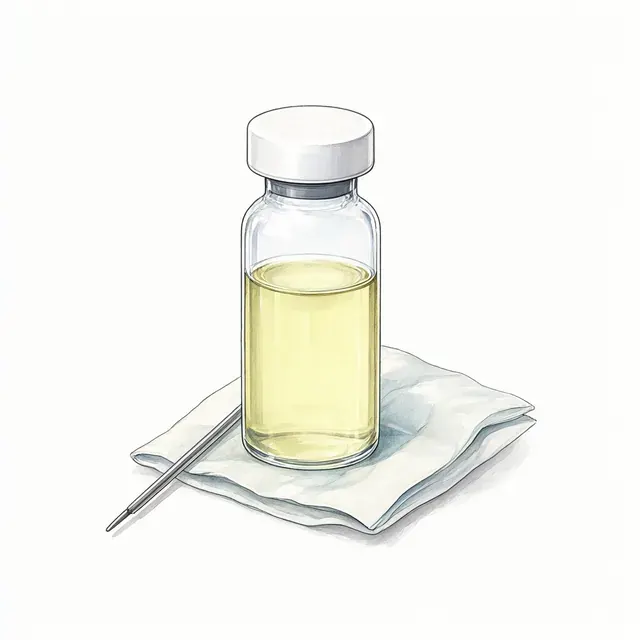 Tumescent fluidSaline with anaesthetic and adrenaline infused
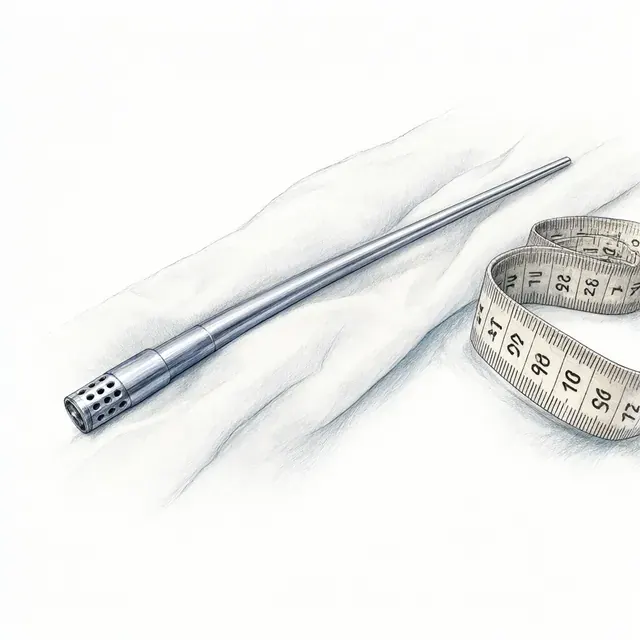 Cannula insertedThin tube breaks up and suctions out fat
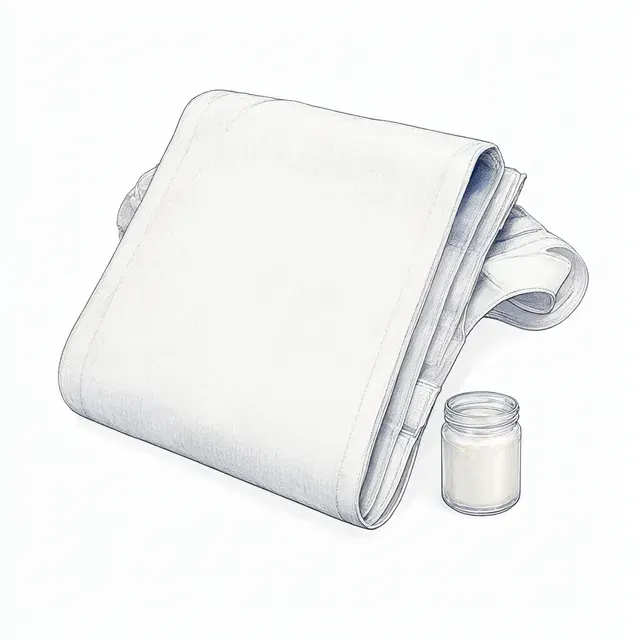 Garment appliedCompression garment worn after the procedure
-
Tumescent Liposuction
Standard technique using saline-epinephrine infusion to firm the fat and minimise bleeding before suction removal.
-
Power-Assisted Liposuction (PAL)
A vibrating cannula reduces surgeon effort and tissue trauma, which may lessen post-operative swelling.
-
VASER Liposuction
Ultrasound energy liquefies fat before removal; swelling after this method is commonly somewhat more than with PAL or standard suction.
Why patients trust us
- 1991 Serving Jaipur for 35 years
- NABH Accredited hospital
- 1 Plastic Surgery consultants
- 24×7 Emergency, ICU and ambulance
- 33 Cashless schemes and insurers
What research shows about liposuction outcomes
-
1 to 2 weeks
Most people return to light activity within one to two weeks after surgery.
-
about 2 in 100
Contour irregularities such as dimpling or asymmetry occur in about 2.35% of cases in published series.
-
less than 1 in 100
Infection at incision sites is reported at 0.02% to under 1% in large studies.
If it is left untreated
Without treatment the contour stays the same. Liposuction does not improve metabolic health or cardiovascular risk markers. Significant weight gain later can reverse the contour change.
Life after treatment
Swelling settles over weeks. Most people see the final contour between one and three months.
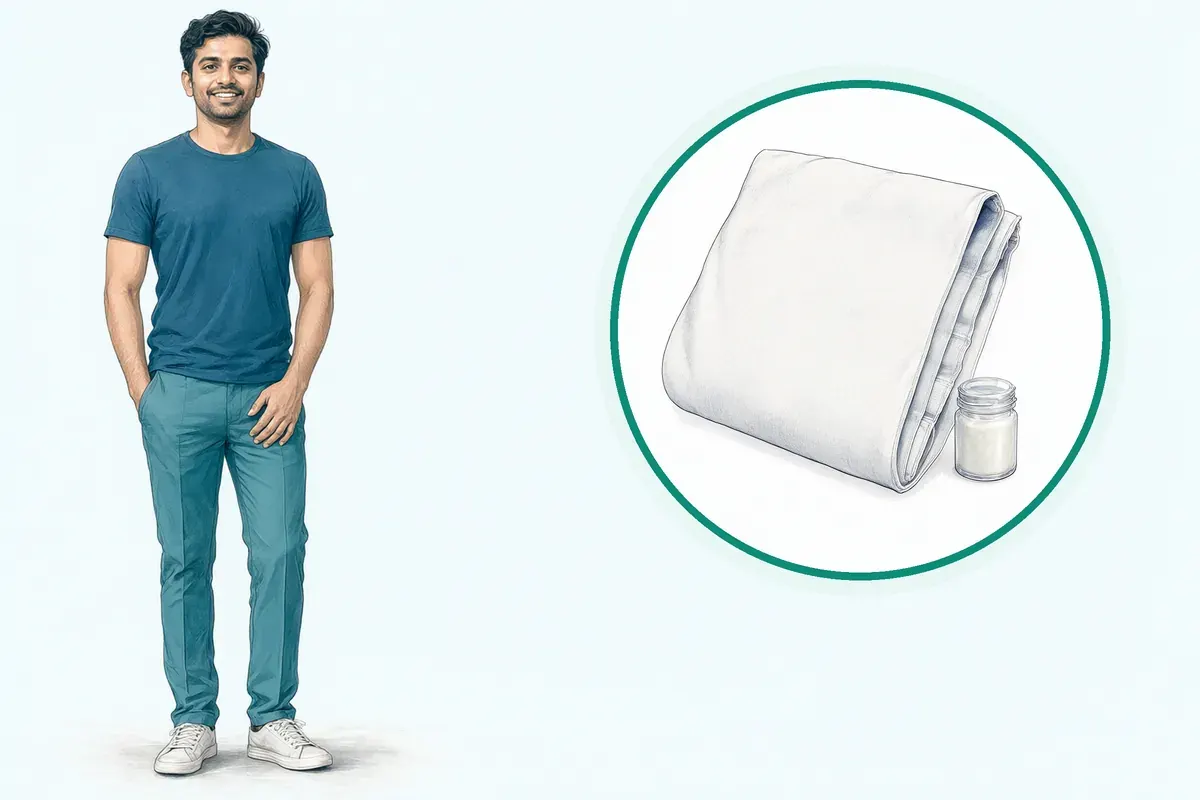
-
Clothes fit better
Most people find trousers, sleeves and waistbands sit comfortably after the swelling goes down.
-
Easier movement
Less bulk at the thighs or arms usually means less chafing and freer motion.
-
Contour holds with stable weight
The removed fat cells do not return, but remaining cells enlarge if you gain weight.
-
Scars fade over months
Small incision scars typically become faint with time and proper care.
Meet the team
Your plastic surgery doctors
Explore our plastic surgery hospital in Jaipur: every treatment, the doctors and what to expect at your visit.
Frequently asked questions
Questions patients ask about liposuction
What does liposuction involve?
In short
Liposuction at Jaipur Hospital removes localised fat deposits from the abdomen, thighs, arms or back using a thin hollow tube called a cannula inserted through small incisions. The operation takes one to three hours under tumescent local or general anaesthesia. You may go home the same day or stay one night. The typical price range in India is ₹60,000 to ₹2,00,000.
In detail
The surgeon infiltrates a saline solution with adrenaline into the fatty layer to reduce bleeding and firm the tissue. A cannula connected to suction is moved back and forth to break up and remove fat cells.
Techniques include standard tumescent liposuction, power-assisted liposuction with a vibrating cannula, and VASER liposuction using ultrasound energy to liquefy fat first. The choice depends on the area, volume and skin quality. Small incisions are closed with stitches. A compression garment is applied at the end to control swelling and support the new contour.
A common belief
Many people think liposuction is for weight loss.
What actually happens
It is not. It only reshapes specific spots that do not respond to diet and exercise. The fat cells are gone for good, but you can still gain weight elsewhere.
Your next step at Jaipur Hospital
You will meet your surgeon for a consultation to discuss goals, examine the areas and review medical history. Pre-operative blood tests and a fitness check are arranged. Plan for one to two weeks off light activity. Wear the compression garment as advised and attend follow-up visits.
Which tests and scans do I need before liposuction?
In short
Before liposuction at Jaipur Hospital, you need a complete blood count with platelets, liver function tests, coagulation profile and blood sugar levels. These are mandatory, especially if you are over 30 or have a family history of diabetes. The anaesthesia team may request an ECG or chest X-ray based on your age and medical history. No routine imaging scans are required for liposuction itself.
In detail
The blood tests screen for anaemia, infection risk, clotting disorders and uncontrolled diabetes, all of which raise complication rates. Persistent oedema after surgery has been linked to pre-operative anaemia, low serum proteins and kidney dysfunction.
A coagulation profile helps the surgeon plan safe infiltration volumes and avoid haematoma. If you take blood thinners, they must be stopped with your physician's clearance at least one week before surgery. The pre-anaesthesia check evaluates fitness for tumescent local or general anaesthesia.
A common belief
Some patients assume a scan maps the fat.
What actually happens
The surgeon maps it by pinch test and examination. Blood tests catch hidden risks like anaemia or high sugar that cause poor healing or seroma.
Your next step at Jaipur Hospital
Bring recent test reports if you have them, otherwise the hospital's in-house laboratory can run them. Schedule tests at least a few days before the planned date so results are ready for the pre-anaesthesia review. Stop smoking three weeks prior and stop herbal supplements seven days prior.
How painful is liposuction and the early recovery?
In short
During liposuction at Jaipur Hospital, you feel no pain because anaesthesia blocks sensation. Tumescent local anaesthesia with adrenaline numbs the area, or general anaesthesia puts you to sleep. After surgery, discomfort is usually mild to moderate and controlled with prescribed oral pain medication. Most patients describe soreness like deep bruising rather than sharp pain.
In detail
Swelling peaks in the first 48 hours and feels firm and tender. Bruising appears in the first week and fades over two to four weeks. A compression garment worn continuously for several weeks reduces swelling and supports the tissues, which lessens pain.
Small drains may be placed if large volumes are removed; they are removed in a few days. Numbness or tingling in the treated area is common and usually temporary.
Severe pain is rare and should be reported immediately as it may signal a complication such as infection or haematoma.
A common belief
Some expect severe pain or think they will be bedridden.
What actually happens
In reality, you walk the next day. The compression garment makes a big difference in comfort. If pain suddenly worsens, call the hospital; it is not normal.
Your next step at Jaipur Hospital
Take pain medicines on schedule for the first 48 hours, then as needed. Wear the garment day and night except for showering. Start gentle walking within 24 hours to prevent clots. Avoid strenuous activity for two weeks. Follow-up visits check healing and garment fit.
How long does recovery usually take after liposuction?
In short
Most people return to light activity within 1 to 2 weeks after liposuction. Swelling peaks in the first 10 to 14 days, then gradually softens over 6 to 8 weeks. Final contour results are usually visible between 1 and 3 months, though minor swelling can persist up to 6 months. Jaipur Hospital provides a detailed recovery plan for each patient.
In detail
In the first 24 to 48 hours, swelling appears and increases mildly for 10 to 14 days. By 2 to 3 weeks it becomes firmer and less painful. At 4 weeks, patches of softening begin; by 6 to 8 weeks the area feels consistently softer.
Full tissue pliability returns around 3 months. You can start gentle walking soon after surgery and may return to desk work within a few days, depending on the extent of treatment. Strenuous exercise should wait until your surgeon clears you.
Compression garments are worn for several weeks to reduce swelling and support healing. Lymphatic drainage massage may be recommended to speed fluid clearance.
A common belief
People often expect instant results.
What actually happens
In reality, you may look a bit larger at first due to swelling. The skin takes months to fully settle. Rushing back to heavy exercise can cause fluid buildup and contour problems. Wearing the compression garment consistently makes a real difference.
Your next step at Jaipur Hospital
Plan for 1 to 2 weeks off from heavy activity. Wear your compression garment as directed. Attend all follow-up appointments so your surgeon can monitor healing.
Are my expectations realistic for my anatomy and health for liposuction?
In short
Liposuction is a body contouring procedure, not a weight-loss treatment. It removes localised fat deposits that do not respond to diet and exercise. Results depend on your skin elasticity, the amount of fat removed, and your overall health. The surgeon will assess your anatomy in the upright position and discuss what is achievable. Jaipur Hospital ensures every patient has a thorough pre-operative evaluation and honest discussion about expected outcomes.
In detail
Fat cells are removed permanently from the treated area, but remaining cells can enlarge if you gain weight. Skin retraction varies; loose or poor-quality skin may not tighten fully, and additional surgery may be needed later. Liposuction does not improve cellulite.
Over-correction (removing too much fat) can cause contour depressions, especially in high-risk areas like the inner thighs, banana fold, and incision sites. Under-correction (leaving too much fat) may need revision. The surgeon marks and photographs the area before surgery, noting any existing asymmetry.
Patients with a BMI in the obese range, uncontrolled diabetes, or immune compromise are less ideal candidates. Final results appear between 1 and 3 months as swelling settles. Maintaining a stable weight is essential for lasting results.
A common belief
Many people expect liposuction to fix loose skin, cellulite, or large weight excess.
What actually happens
It does not. If your skin has lost elasticity, you may need a different procedure. Gaining weight later will undo the contour. The consultation is where we match your goals to what surgery can safely deliver.
Your next step at Jaipur Hospital
Bring photos of your desired look to the consultation. Be ready to discuss your medical history, weight history, and lifestyle. The surgeon will examine you standing and with muscle contraction to give a realistic picture.
How will appearance, function, and realistic expectations be discussed for liposuction?
In short
At Jaipur Hospital, the consultation includes a detailed discussion of your aesthetic goals, the functional impact of liposuction, and realistic expectations. The surgeon examines you in the upright position, marks asymmetries and contour irregularities, and explains what liposuction can and cannot achieve for your specific anatomy.
In detail
Evidence emphasises that liposuction is a body contouring procedure, not a weight loss or obesity treatment. The surgeon will discuss skin elasticity, the likelihood of skin retraction, and the possibility of loose skin requiring additional procedures.
Pre-operative evaluation includes blood sugar and coagulation tests, especially for patients over 30 or with a family history of diabetes. The surgeon explains the technique options — tumescent, power-assisted or VASER — and the typical recovery timeline including swelling, garment wear and return to activity.
Risks such as contour irregularities, seroma, infection and asymmetry are discussed with their reported frequencies. The success and safety of the procedure depend on your honesty during consultation about medical history, medications and lifestyle.
A common belief
Many people expect liposuction to solve weight or loose skin issues.
What actually happens
The surgeon will clarify that it is a contouring procedure, not a weight loss treatment, and that skin retraction varies with age and elasticity. Honest discussion of your medical history, medications and lifestyle is essential for safety and realistic planning.
Your next step at Jaipur Hospital
You will receive a personalised surgical plan with marked photographs, a written summary of the discussion, and pre-operative instructions including medication adjustments and smoking cessation at least three weeks before surgery. The surgeon will answer all your questions about appearance changes, functional limitations during recovery, and long-term maintenance.
Why might my doctor recommend liposuction?
In short
A doctor may recommend liposuction at Jaipur Hospital when you have stubborn fat deposits on the abdomen, thighs, arms or back that do not shrink with diet and exercise. It is a body contouring procedure, not a weight-loss operation. Candidates are adults in good health with firm skin and realistic expectations. The procedure permanently removes fat cells from the treated area.
In detail
Liposuction targets subcutaneous fat that resists lifestyle changes. It can also treat certain cases of gynaecomastia in men. Evidence shows it does not improve metabolic markers such as cholesterol or insulin sensitivity. People over 65 may have less skin elasticity, which affects results.
Combining liposuction with other procedures increases surgical time and risk. The surgeon assesses whether skin retraction will be adequate or if excision surgery might be needed later.
A common belief
It is not a treatment for obesity.
What actually happens
It does not lower blood pressure, cholesterol or diabetes risk. Loose skin will not tighten much after fat removal. If skin is very lax, a different operation may be needed.
Your next step at Jaipur Hospital
If you are near your stable weight but bothered by localised bulges, discuss it with your surgeon. Bring a list of medicines and past surgeries. The surgeon will examine you standing and lying down, mark the areas and explain what contour change is achievable.
How should I prepare in the days before liposuction?
In short
In the days before liposuction at Jaipur Hospital, stop smoking completely at least three weeks prior. Stop blood thinners with your physician's clearance one week before. Avoid aspirin, clopidogrel, NSAIDs, vitamin E, glucosamine, chondroitin, ginseng and ginkgo biloba for seven days. Arrange for an attendant to drive you home and stay with you the first night. Fill any prescribed antibiotics and buy the recommended compression garment.
In detail
Smoking restricts blood vessels and slows healing. Nicotine and alcohol both increase complication rates even months later. Blood thinners and certain supplements raise bruising and bleeding risk.
The surgeon may prescribe peri-operative injectable antibiotics followed by oral antibiotics for five to seven days for major liposuction. Prepare loose, comfortable clothing that fits over the garment. Set up a recovery area at home with water, medications and pillows for elevation if needed. Follow the specific fasting instructions given by the anaesthesia team.
A common belief
Patients often forget that herbal supplements thin the blood too.
What actually happens
Ibuprofen and aspirin increase bruising. Alcohol dehydrates and interacts with medicines. Missing any of these steps raises the chance of haematoma or infection.
Your next step at Jaipur Hospital
Confirm your admission time and fasting window with the hospital. Pack your compression garment, ID, insurance papers and a list of current medicines. Do not apply lotion or cream to the surgical areas on the morning of surgery.
What are the common side effects and the less common serious complications of liposuction?
In short
Common side effects after liposuction include swelling, bruising, mild to moderate discomfort, and temporary numbness or tingling in the treated area. These are expected and usually settle within a few weeks. Less common serious complications include infection, seroma (fluid collection), contour irregularities, fat embolism, and skin necrosis. Jaipur Hospital follows strict protocols to minimise these risks.
In detail
Swelling and bruising occur in almost every patient as a normal reaction to the surgical trauma of the cannula; bruising peaks at 7 to 10 days and fades by 2 to 4 weeks. Temporary sensory changes are common, especially with power-assisted or ultrasound techniques.
Infection is reported in less than 1% of cases, often linked to haematoma or uncontrolled diabetes. Seromas occur in about 0.65% to 3.5% of cases, typically in the outer thighs or lower abdomen.
Contour irregularities such as dimpling or asymmetry are seen in roughly 2.35% of patients. Fat embolism is a rare but life-threatening emergency requiring immediate care. Skin necrosis and atypical infections are very rare and usually relate to technique or sterilisation failures.
- Contour irregularities such as dimpling or asymmetry are seen in roughly 2.35% of patients.
A common belief
Serious problems are uncommon.
What actually happens
Infection happens in under 1% of cases. Fluid collections or seromas occur in about 1 to 3%. Uneven contours or dimpling affect roughly 2%. Fat embolism is very rare but needs emergency care. Skin loss or deep infection is extremely rare and often linked to diabetes or smoking.
Your next step at Jaipur Hospital
Your surgeon will explain which side effects are normal for you and which symptoms need urgent review, such as sudden breathlessness, severe pain, spreading redness, or a growing fluid collection. You will receive written after-care instructions and a schedule for follow-up visits.
Which symptoms are expected after liposuction, and which need urgent medical attention?
In short
Expected symptoms include swelling, bruising, mild to moderate soreness, temporary numbness or tingling, and a firm or woody feel under the skin for a few weeks. These are normal healing signs. Urgent symptoms are sudden breathlessness or confusion (possible fat embolism), severe or worsening pain, spreading redness or heat around incisions, high fever, a rapidly growing fluid collection, or heavy bleeding. Jaipur Hospital gives every patient a clear symptom checklist.
In detail
Swelling and bruising occur in all patients; bruising peaks at 7 to 10 days and fades by 2 to 4 weeks. Soreness is usually controlled with oral medication. Numbness or tingling is common and typically temporary.
The skin may feel firm for 2 to 3 weeks, then softens over 6 to 8 weeks. Fat embolism is a rare emergency: sudden breathlessness or confusion needs immediate hospital care. Infection signs — spreading redness, heat, fever, foul discharge — need prompt review.
A seroma feels like a soft, growing bulge, often in the outer thigh or lower abdomen, and may need drainage. Heavy bleeding or a tense, painful swelling could mean a haematoma. Any symptom that feels worse than expected or lasts beyond the first week should be reported.
A common belief
Patients often worry about the bruising and firmness, which are expected.
What actually happens
The dangerous signs — fat embolism, deep infection, large haematoma — are rare but need fast action. Do not try to judge on your own if pain feels 'too much' or a lump is 'getting bigger'. Let us decide.
Your next step at Jaipur Hospital
Keep your after-care sheet handy. Call the hospital or visit the emergency department if you notice any urgent signs. Do not wait for your next scheduled visit if something feels wrong.
FAQ library
Questions and answers about liposuction
When you contact us
Get your assessment and plan
Contact Jaipur Hospital for a plastic surgery OPD consultation, in-house tests if needed, a clear explanation of options, a cost estimate, cashless help and follow-up care.
- A consultation with a plastic surgeon in the OPD
- Your scans and reports reviewed, with tests done in-house if you need them (laboratory, X-ray and imaging)
- Your options explained in plain words, including whether you need surgery at all
- A cost estimate before you decide
- Help with cashless treatment under MAA Yojana and empanelled insurers and TPAs
- Follow-up visits after your treatment
Overview
Liposuction: what to know
What liposuction is and how it works
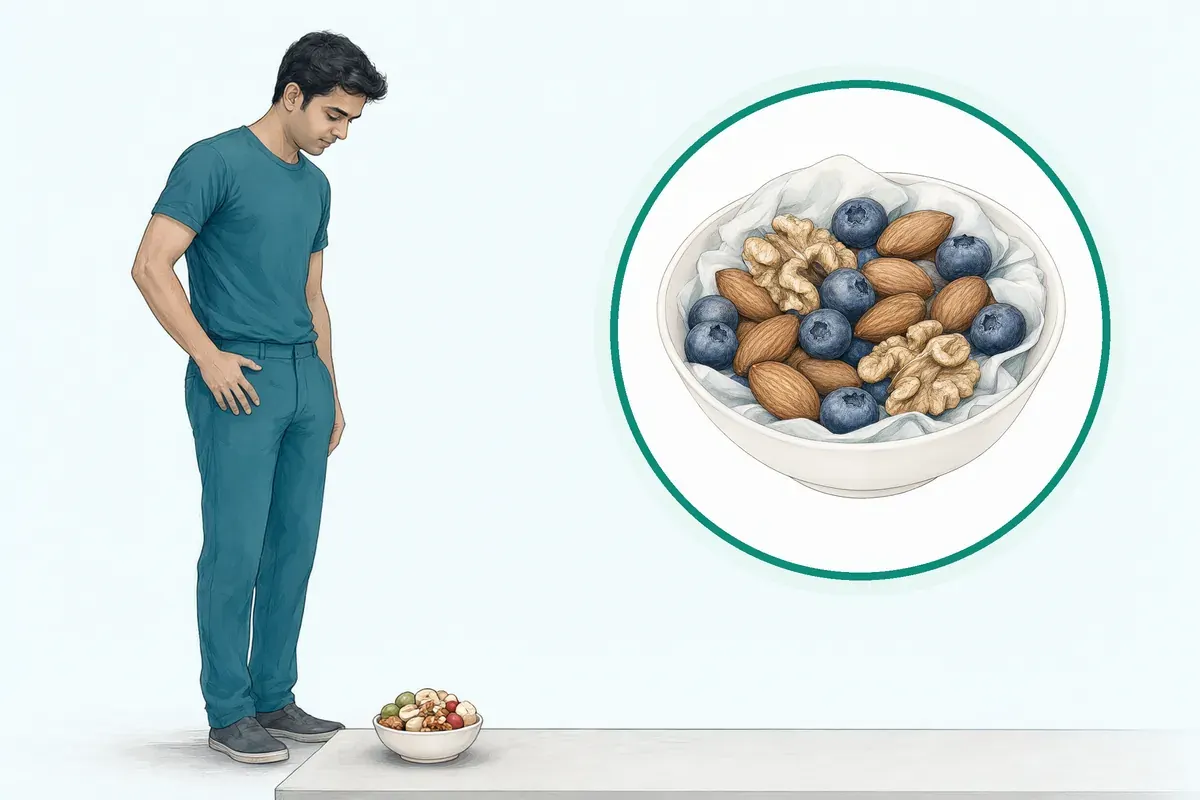
- Body contouring
- Shapes specific areas, not weight loss
- Subcutaneous fat
- Fat between skin and muscle
- Fat cells removed
- Removed cells are gone for good
- Weight stability
- Remaining cells can enlarge if you gain weight
Liposuction is a surgical procedure that removes unwanted fat deposits from specific parts of the body. It is a body contouring surgery, not a weight-loss operation. The procedure targets subcutaneous fat, the layer of fat that sits between your skin and your muscle.
A plastic surgeon makes small incisions in the skin and inserts a thin, hollow tube called a cannula. The cannula is connected to a suction device. The surgeon moves the cannula back and forth to break up the fat cells and then suctions them out.
The fat cells that are removed do not grow back. However, the remaining fat cells in your body can still enlarge if you gain weight. Maintaining a stable weight after surgery is necessary to keep the new shape.
Common areas treated include:
- Abdomen
- Thighs
- Hips
- Arms
- Back
Liposuction can be done on one area or several areas during the same operation. It can also be combined with other cosmetic procedures.
Symptoms after liposuction and warning signs that need urgent care
- Fat embolism Sudden breathlessness, chest pain or confusion
- Infection Increasing redness, warmth, pus or fever
- Haematoma Rapidly growing, tense swelling
- Severe pain Not relieved by prescribed medication
- Fluid leak Pus-like or lasting beyond a few days
Swelling is expected after almost every liposuction procedure. It is a normal reaction of the tissues to the surgical trauma. The swelling appears within 24 to 48 hours, increases mildly for the first 10 to 14 days, and then gradually becomes firmer before softening over 6 to 8 weeks.
Bruising occurs in all patients immediately after surgery. It usually peaks by the end of 7 to 10 days and fades over 2 to 4 weeks.
Mild to moderate discomfort, soreness or tenderness is common. Severe pain is rare but may develop if a complication arises.
Temporary numbness, tingling or decreased sensation near the treated area is expected. Power-assisted and ultrasound-assisted techniques can cause more noticeable sensory changes that are usually temporary.
Contact your surgeon or go to the emergency department the same day if you notice:
- Sudden breathlessness, chest pain or confusion (possible fat embolism)
- Signs of infection: increasing redness, warmth, pus or fever
- A rapidly growing, tense swelling that may indicate a haematoma
- Persistent, severe pain not relieved by prescribed medication
- Fluid leaking from the incisions that looks like pus or continues beyond a few days
Causes of stubborn fat and who is at higher risk for complications
- Smoking
- Restricts blood vessels and slows healing
- Blood-thinning medicines
- Increase bleeding and bruising
- Uncontrolled diabetes
- Most common systemic cause of infection
- Poor skin elasticity
- More prone to contour irregularities
Fat deposits that do not respond to diet and exercise are influenced by genetics, hormones and age. Liposuction treats these localised areas. It is not a treatment for obesity or a substitute for weight loss.
Certain factors increase the risk of complications during or after surgery:
- Smoking: nicotine restricts blood vessels and slows healing. Smokers have a greater chance of skin infections and poor wound healing. You must stop smoking completely at least 3 weeks before major liposuction.
- Blood-thinning medicines and supplements: aspirin, clopidogrel, non-steroidal anti-inflammatory drugs, vitamin E, glucosamine, chondroitin, ginseng and ginkgo biloba can increase bleeding and bruising. These should be stopped at least 7 days before surgery with your doctor's clearance.
- Uncontrolled diabetes: poorly controlled blood sugar is the most common systemic cause of infection after liposuction. Pre-operative blood sugar testing is essential, especially if you are over 30 or have a family history of diabetes.
- Abnormal bleeding or clotting profile: this must be corrected before surgery.
- Low serum proteins, anaemia or kidney malfunction: these can cause persistent swelling and are contraindications to surgery.
- Poor skin elasticity: people over 65 or those with loose skin are more prone to contour irregularities after fat removal. Liposuction alone cannot tighten saggy skin.
- Larger volume fat removal, prolonged procedures and certain medical conditions such as obesity or uncontrolled hypertension also raise the risk of poor healing and infection.
How liposuction candidacy is assessed: examination and tests
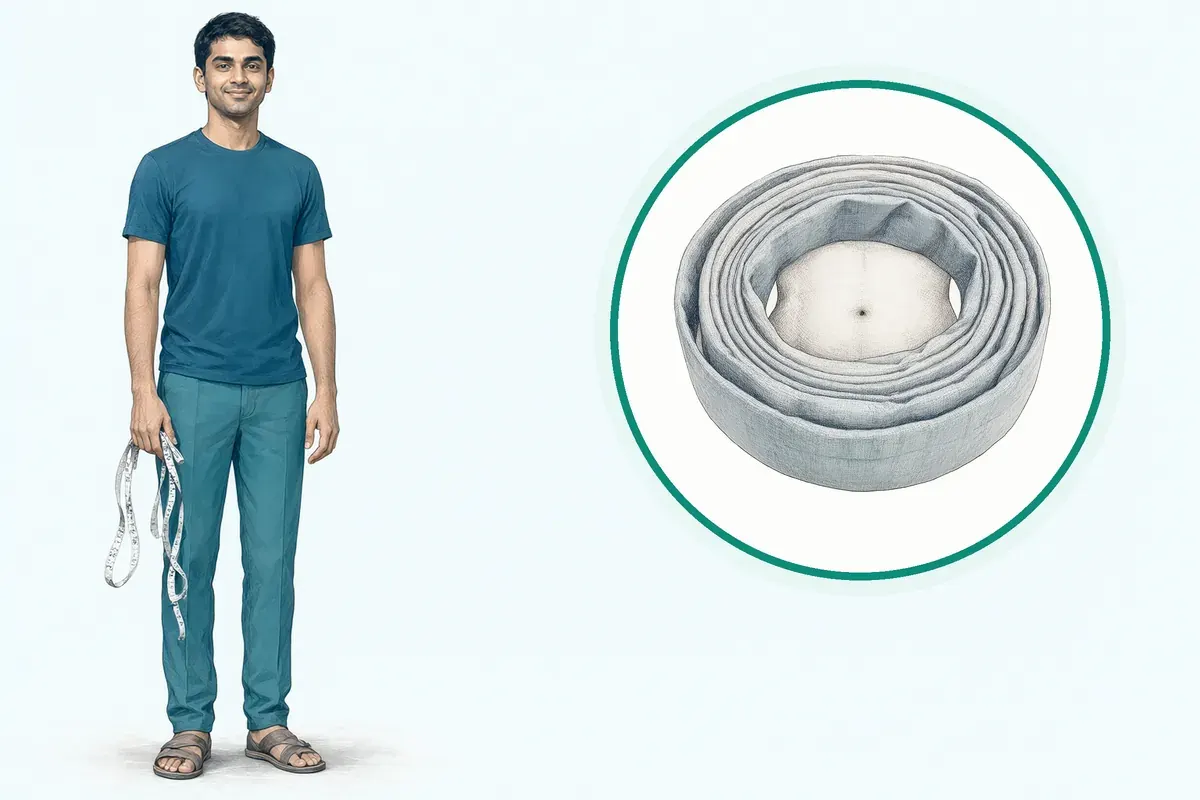
Do
- Stable weight
- Good skin elasticity
- No life-threatening illness
- Realistic expectations
Before surgery, you will meet with your surgeon for a detailed consultation. The surgeon will ask about your health, desires, lifestyle, reasons for wanting the surgery and your expectations. Honesty during this discussion is essential for your safety.
The surgeon will examine you in the upright position, both at rest and with muscle contraction. This helps identify true fat deposits versus bulges caused by the weight of surrounding tissues, such as a false saddle-bag on the thighs. Any asymmetry or existing contour irregularities will be marked and recorded.
Pre-operative investigations typically include a complete blood count with platelets, liver function tests, coagulation profile and blood sugar levels. These tests help prevent haematoma formation and identify conditions like diabetes or clotting disorders that could impair healing.
People of any sex can undergo liposuction. It may also be recommended for some types of gynaecomastia (enlarged male breast tissue).
Generally, candidates are adults who are at or near a stable weight, have good skin elasticity, do not have a life-threatening illness or medical condition that impairs healing, and have realistic expectations about the results.
Non-surgical options and when liposuction is advised
Diet and regular exercise are the first steps for overall weight management. If you have excess weight, your healthcare provider can discuss weight management treatment options to help you reach your goals.
Non-surgical fat reduction devices exist but are not offered at Jaipur Hospital. The hospital does not provide laser, radiofrequency, HIFU, chemical peel or injection-based treatments for fat removal.
Liposuction is advised when you have localised fat deposits that do not respond to diet and exercise, you are at a stable weight, you have good skin elasticity, and you understand that the procedure reshapes specific areas rather than reducing overall body weight.
It may also be considered for certain medical conditions such as gynaecomastia.
Your surgeon will discuss the different techniques available — tumescent, power-assisted (PAL) and VASER (ultrasound-assisted) — and recommend the one that suits your goals and anatomy. The choice of technique depends on the area treated, the volume of fat and the desired contour.
Preparing for liposuction
- Stop blood thinners At least 7 days before with doctor's clearance
- Stop smoking At least 3 weeks before major liposuction
- Pre-operative tests Blood count, liver function, coagulation, blood sugar
- Fast on surgery day As advised by the anaesthesia team
- Bring an attendant To drive you home and stay 24 hours
Before your liposuction procedure, you will meet with your surgeon. During this consultation, you will discuss your goals, medical history, and any medicines you take. Your surgeon will give you specific instructions to follow before surgery.
You may need to stop certain medicines such as blood thinners, aspirin, clopidogrel, non-steroidal anti-inflammatory drugs, vitamin E, glucosamine, chondroitin, ginseng, and ginkgo biloba at least 7 days before surgery, but only after checking with the doctor who prescribes them.
If you smoke, you must stop completely at least 3 weeks before major liposuction, as nicotine restricts blood vessels and slows healing. Pre-operative investigations usually include a complete blood count with platelets, liver function tests, coagulation profile, and blood sugar levels, especially if you are over 30 years of age or have a family history of diabetes.
On the day of the operation, you will need to fast for several hours as advised by the anaesthesia team. Bring an attendant to drive you home and stay with you for the first 24 hours. Wear loose, comfortable clothing that is easy to put on over a compression garment.
How liposuction is done
Liposuction is performed by a plastic surgeon in an operation theatre. The operation takes 1 to 3 hours depending on the number of areas treated and the amount of fat removed. You will have either tumescent local anaesthesia or general anaesthesia.
With tumescent anaesthesia, the surgeon injects a sterile fluid containing local anaesthetic and adrenaline into the fatty layer to numb the area, reduce bleeding, and lessen discomfort after surgery. If you have general anaesthesia, you will be asleep during the procedure. Your surgeon will recommend the type of anaesthesia that suits you.
The surgeon makes small incisions and inserts a thin hollow tube called a cannula to remove excess fat. There are different techniques available. Tumescent liposuction is the standard method using saline-epinephrine infusion. Power-assisted liposuction (PAL) uses a vibrating cannula to make fat removal easier and may reduce post-operative swelling. VASER liposuction uses ultrasound energy to liquefy fat before removal.
Your surgeon will discuss the options and recommend the one that fits your goals. After the fat is removed, the incisions are closed with stitches that may be dissolvable or non-dissolvable. A compression garment is applied at the end of the procedure. You may go home the same day or stay one night in hospital.
Risks and possible complications of liposuction
- 0.65% to 3.5% Seromas
- less than 1% Infection
- about 2.35% Contour irregularities
- about 1.49% Skin discolouration
Liposuction is generally safe, but like any operation it carries risks. Common side effects include swelling, bruising, pain, and temporary changes in skin sensation such as numbness or tingling. Swelling and bruising occur in almost every patient and usually fade over a few weeks.
Seromas, which are collections of fluid under the skin, happen in about 0.65% to 3.5% of patients and are most common on the outer thighs, posterior thighs, and lower abdomen. Infection at incision sites is rare, reported in less than 1% of cases. Contour irregularities such as dimpling, asymmetry, or wavy skin occur in about 2.35% of cases.
Over-correction (removing too much fat) and under-correction (leaving too much fat) can lead to depressions or residual bulges. Skin discolouration or hyperpigmentation near incisions may develop in about 1.49% of cases and usually fades with time. Nerve injury can cause prolonged or, rarely, lasting changes in sensation. Fat embolism is a medical emergency; sudden breathlessness or confusion needs immediate attention.
Risks increase with larger volumes of fat removal, certain medical conditions such as diabetes or uncontrolled hypertension, use of blood thinners, and prolonged procedures. Smokers have a greater chance of skin infections and poor healing. People with poor skin elasticity are more prone to contour irregularities. Liposuction does not improve cellulite or saggy, loose skin.
Recovery and aftercare after liposuction
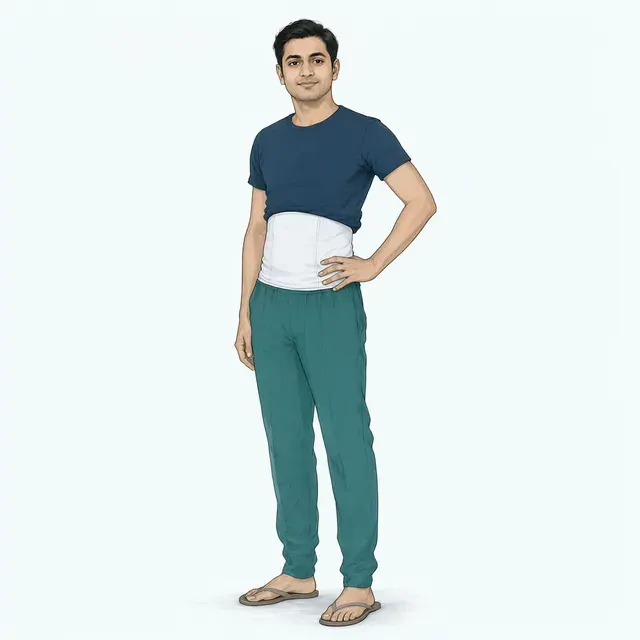 First 24 hoursRest, wear compression garment
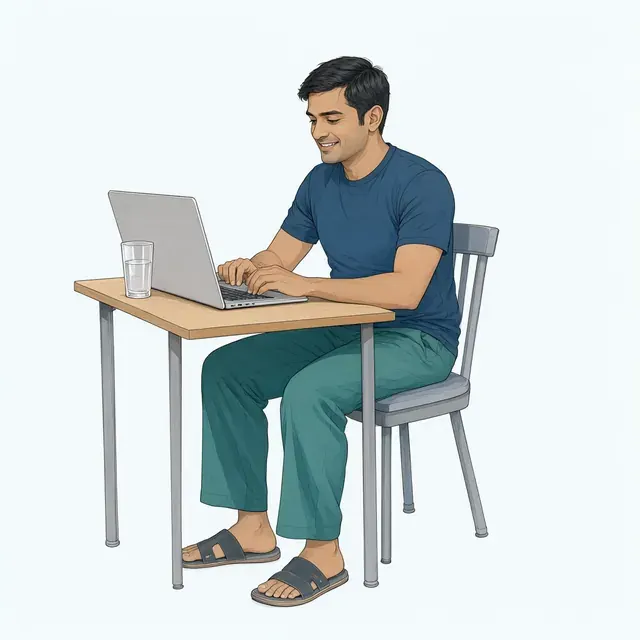 1 to 2 weeksLight activity and desk work
 Up to 3 monthsMinor swelling may last
- First 24 hours Rest, wear compression garment
- 1 to 2 weeks Light activity and desk work
- 2 to 4 weeks Bruising generally disappears
- Up to 3 months Minor swelling may last
After the operation, you will wear a compression garment continuously for several weeks to reduce swelling, support the tissues, and help the skin adapt to its new shape. Swelling appears within 24 to 48 hours, increases mildly for the first 10 to 14 days, then becomes firmer and less painful over 2 to 3 weeks.
Most significant swelling subsides within a month, though minor swelling may last up to 3 months. Bruising peaks at 7 to 10 days and generally disappears by 2 to 4 weeks.
Rest for the first 24 hours. After that, light movement such as short walks around the home helps circulation and reduces the risk of blood clots. You can usually return to light activity and desk work within 1 to 2 weeks, and to more strenuous work after your surgeon clears you.
Avoid heavy exercise until your surgeon says it is safe. Keep incisions clean and dry; follow the incision care instructions you receive. Take prescribed pain medication as directed; over-the-counter options may be used for minor pain, but check with your surgeon first. Stay hydrated and eat a diet rich in protein, whole grains, fruits, and vegetables to support healing. Attend all follow-up appointments so your surgeon can monitor swelling, incision healing, and overall progress.
Call the hospital or your surgeon if you have severe pain not relieved by medication, signs of infection such as increasing redness, warmth, or discharge from incisions, sudden shortness of breath or confusion, or a sudden increase in swelling or fluid drainage.
Results of liposuction
Liposuction permanently removes fat cells from the treated area. The improved contour becomes noticeable after the swelling and fluid retention subside. Final results are usually seen between 1 and 3 months after the procedure, though some changes continue for up to 6 months. Trying to judge the outcome too early can be discouraging.
Loose skin may firm up over time, but liposuction alone does not tighten significantly loose skin. The results last as long as you maintain a stable weight with a healthy diet and regular exercise. Substantial weight gain can reduce or reverse the improvement. Liposuction is not a treatment for obesity and does not prevent future weight gain.
In studies, liposuction did not improve cardiovascular or metabolic markers such as cholesterol, blood pressure, or insulin sensitivity. Autologous fat transplantation can correct contour deformities if they occur.
Cost and insurance for liposuction in Jaipur
The typical price range for liposuction in India is ₹60,000 to ₹2,00,000. The exact cost depends on the number of areas treated, the amount of fat removed, the technique used, the type of anaesthesia, and whether you stay as a daycare patient or overnight. Health insurance rarely covers the cost of elective cosmetic procedures.
Jaipur Hospital is empanelled under MAA Yojana and a panel of private insurers and TPAs; these schemes generally apply to medically necessary treatments rather than cosmetic surgery. You can ask the hospital for an estimate based on your specific plan. Payment can be discussed with the hospital's billing department.
