

Sports Injury · Jaipur Hospital
Athlete Assessment and Return to Play in Jaipur
You need clear data to know when you can play again. We test strength, movement and sport skills to guide your plan.
- Serving Jaipur since 1991 (35 years)
- NABH accredited
- 24×7 emergency & ICU
- Cashless: RGHS, MAA Yojana, CGHS + 22 insurers
- Session length
- 90 to 120 minutes initial, 60 minutes follow-up
- Anaesthesia
- Not needed
- Recovery
- Guided progression over 2 to 12 weeks
- Price
- ₹5,000 to ₹25,000 per assessment packagetypical range in India; ask us for an estimate
Uncertainty keeps you off the field
You do not know if your body is ready for sport
Time-based clearance alone misses strength gaps, movement faults and psychological readiness. Returning too early raises re-injury risk, especially in the first two years after knee surgery.
-
Time is not enough
85% of studies used time as a criterion, and 42% used time alone for return-to-sport decisions.
-
Strength deficits persist
All reviewed studies found strength deficits after ACL reconstruction, some lasting up to five years.
-
High re-injury rates in youth
Nearly one-third of younger athletes who resume sport sustain a second ACL injury within two years.
-
Psychological readiness matters
Lower confidence and higher fear of re-injury are linked to lower return-to-sport rates.
-
Few pass full test batteries
Only 23% of patients passed comprehensive return-to-sport test batteries in research settings.
Evidence-based return-to-sport guidelines may reduce re-injury rates and ensure athletes are physically and psychologically capable.
Why Jaipur Hospital
You have worked hard in rehab, but the fear of re-tearing your knee or letting your team down makes the decision to play feel like a gamble.
Your care plan
Your first steps with us
- 1 Book an OPD consultation with our sports injury specialist
- 2 Complete biomechanical, strength and functional testing in 90 to 120 minutes
- 3 Receive a criterion-based clearance report with a graded progression plan
- 4 Follow up at 60-minute intervals to track readiness and adjust load
How the assessment is done
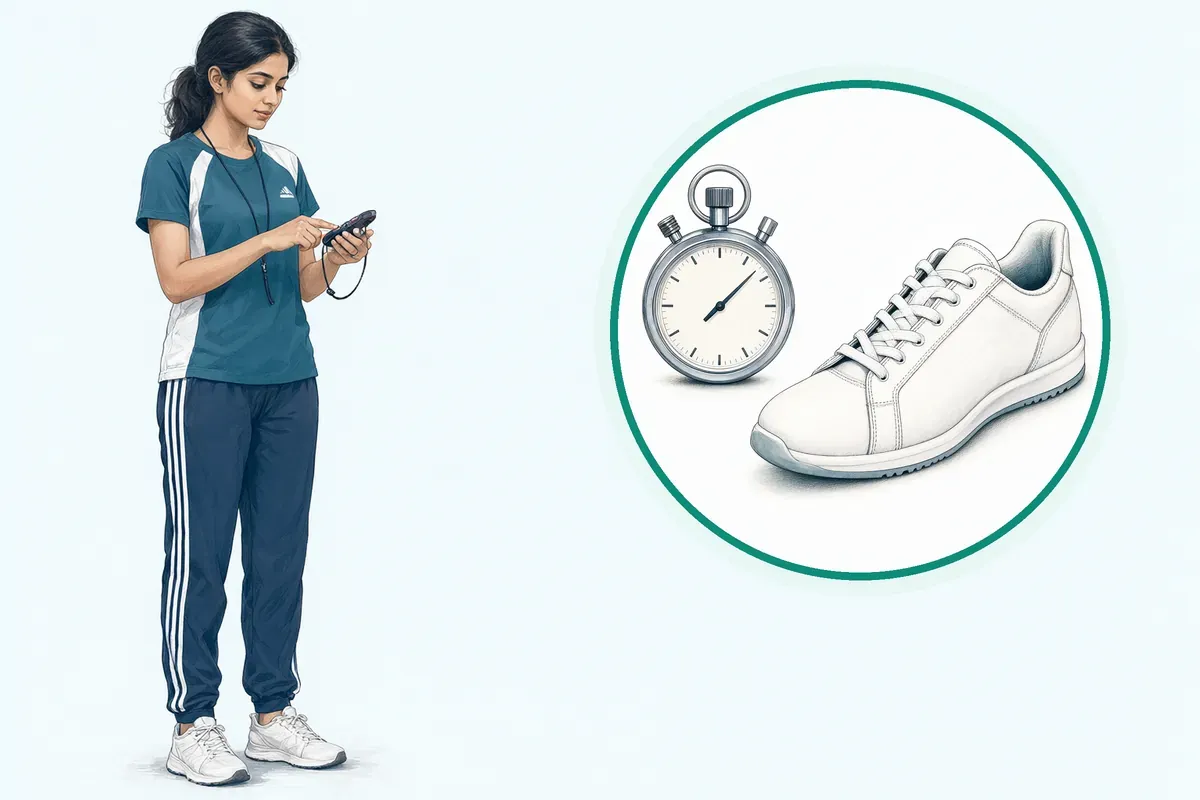
An initial 90 to 120-minute outpatient session measures limb symmetry, jump-landing mechanics, movement quality and sport-specific drills. Follow-ups take 60 minutes. No anaesthesia or hospital stay is needed.
-
Isokinetic Strength Testing
Dynamometry measures limb symmetry index and muscle balance ratios to identify strength deficits your surgeon will discuss.
-
Force Plate Analysis
Jump-landing mechanics, rate of force development and asymmetry are captured to guide your progression plan.
-
Movement Quality Screening
Y-Balance, hop tests, tuck jump and landing error scoring reveal movement faults that time-based clearance misses.
-
Sport-Specific Simulation
Controlled drills replicating competitive demands test readiness before final clearance decisions are made.
Why patients trust us
- 1991 Serving Jaipur for 35 years
- NABH Accredited hospital
- 1 Sports Injury consultants
- 24×7 Emergency, ICU and ambulance
- 25 Cashless schemes and insurers
What research shows about structured testing
-
Mean return to sport 6 to 13 months
Studies report a wide range for actual return, highlighting the need for individual criteria rather than fixed timelines.
-
Graft rupture rate 5.2% pooled
Meta-analysis shows a pooled graft rupture rate of 5.2% (95% CI 2.8% to 8.3%) after ACL reconstruction.
-
Second ACL injury exceeds 20% after clearance
Re-injury rates surpass 20% after return-to-sport clearance, especially in younger athletic populations.
If it is left untreated
Without objective testing, athletes often return based on time alone. This is linked to a second ACL injury rate exceeding 20% after clearance, with the highest risk in the first two years.
Life after a structured clearance
Most athletes who complete a criterion-based battery enter their season with a graded plan, measurable benchmarks and a clear shared decision with their care team.
-
Clear benchmarks
You know the exact strength, hop and movement scores you need before full contact.
-
Graded return plan
A periodised schedule progresses you from drills to full training over 2 to 12 weeks.
-
Confidence in your knee
Psychological readiness scores improve when you see objective data supporting your return.
-
Ongoing check-ins
Follow-up sessions adjust load and catch asymmetries before they become injuries.
Frequently asked questions
Questions patients ask about athlete assessment and return to play
Which problems are assessed under athlete assessment and return to play?
In short
Athlete assessment and return to play at Jaipur Hospital evaluates strength, movement quality and sport-specific readiness after injury or surgery. The service uses isokinetic dynamometry, force plates and functional hop tests to measure limb symmetry and biomechanical control. This comprehensive testing helps the surgical team decide when you can safely resume training and competition.
In detail
Evidence shows that traditional time-based clearance alone is insufficient. Studies report that only 23% of athletes pass full test batteries, and the second ACL injury rate exceeds 20% in younger athletes within two years after reconstruction.
The assessment covers six domains: time since injury, strength deficits, hop performance, clinical examination, patient-reported outcomes and sport-specific simulation. Isokinetic testing identifies quadriceps and hamstring imbalances; force plates quantify landing asymmetry and rate of force development; Y-Balance and hop tests reveal dynamic control deficits. These objective measures guide a criterion-based, multifactorial return-to-sport decision rather than relying on a single milestone.
A common belief
Many people think clearance depends only on time since surgery.
What actually happens
Evidence shows time alone is not enough; only 23% of athletes pass full test batteries, and re-injury rates stay high without objective criteria.
Your next step at Jaipur Hospital
The initial session lasts 90 to 120 minutes as an outpatient visit. You will receive a detailed report with limb symmetry indices and movement scores. Your surgeon and physiotherapist use these data to design a guided progression over 2 to 12 weeks.
How will the doctor decide which tests I need for athlete assessment and return to play?
In short
The doctor at Jaipur Hospital selects tests based on your injury type, surgical procedure, sport demands and rehabilitation stage. The assessment typically includes isokinetic strength testing, force plate analysis, movement quality screening and sport-specific simulation. The combination covers the six evidence-based domains: time, strength, hop testing, clinical examination, patient-reported outcomes and performance-based criteria.
In detail
Evidence shows wide variation in return-to-sport criteria across studies. Time was used in 85% of studies but was the sole criterion in 42%. Strength tests appeared in 41%, hop tests in 15%, clinical examination in 26%, patient report in 12% and performance criteria in 20%.
The specialist tailors the battery: isokinetic testing for quadriceps and hamstring deficits (which persist up to five years post-ACLR), force plates for landing mechanics and valgus moment asymmetry (predictive of re-injury above 2.81 × 10⁻² N·m/kg), hop tests for limb symmetry, and sport simulation for competitive readiness. Psychological readiness via ACL-RSI is added when indicated. This multifactorial approach replaces single-metric decisions.
A common belief
Many programmes rely only on time since surgery.
What actually happens
Studies show time was the sole criterion in 42% of research, yet comprehensive batteries reduce graft rupture risk. The doctor selects from isokinetic, force plate, hop and simulation tests to match your needs.
Your next step at Jaipur Hospital
The initial 90 to 120 minute session covers the core battery. Additional tests may be added at follow-up based on deficits found. The typical price range is ₹5,000 to ₹25,000 per package.
How soon should I expect improvement after the athlete assessment and return to play programme?
In short
Improvement after the athlete assessment and return to play programme at Jaipur Hospital is seen as a guided progression over two to twelve weeks. The initial testing identifies deficits; each follow-up session tracks gains in strength symmetry, landing control and sport-specific drills. You should see measurable changes in limb symmetry index and hop scores within the first few weeks if you adhere to the prescribed exercises.
In detail
The assessment itself does not heal tissue; it quantifies where you stand. Evidence indicates mean return-to-sport time ranges from six to thirteen months after ACL reconstruction, and strength deficits can persist up to five years.
The programme uses isokinetic strength testing, force plate analysis, movement quality screening and sport-specific simulation to create a criterion-based roadmap.
As you meet each threshold — quadriceps and hamstring symmetry above 90 per cent, hop test symmetry above 90 per cent, ACL-RSI above 60 — the rehabilitation load advances. Repeated testing every two to four weeks confirms adaptation.
Psychological readiness improves alongside physical metrics; lower kinesiophobia and higher self-efficacy are linked to successful return. The layered, periodised reintegration model ensures you are not progressed faster than your tissues tolerate.
A common belief
A common mistake is expecting the assessment itself to fix the problem.
What actually happens
The test only shows the gaps; the daily rehab closes them. Evidence shows strength deficits can linger five years if not targeted. Our programme gives you the exact thresholds to hit — symmetry above 90 per cent, ACL-RSI above 60 — and re-tests you every few weeks so progress is visible.
Your next step at Jaipur Hospital
Expect the first assessment to last 90 to 120 minutes and each follow-up 60 minutes. You will receive a report with limb symmetry indices, force plate metrics and a graded exercise plan. The typical cost range is ₹5,000 to ₹25,000 per package. Your physiotherapist will adjust the plan at each visit.
Should an athlete stop playing after a suspected concussion?
In short
Yes. If a concussion is suspected, the athlete must be removed from play immediately and not return the same day. This rule applies at every level of sport. Jaipur Hospital follows international consensus that continuing to play risks prolonged recovery and rare but catastrophic second-impact syndrome.
In detail
Evidence from consensus statements shows that athletes who continue playing after a concussion take longer to recover and have higher symptom loads.
The brain needs an initial period of relative rest — 24 to 48 hours of reduced physical and cognitive load — followed by a stepwise return-to-sport protocol. Each stage requires 24 hours symptom-free before advancing.
Returning too early increases the chance of persistent post-concussion symptoms and, in rare cases, fatal brain swelling. The emergency department at Jaipur Hospital can assess for red flags such as worsening headache, repeated vomiting, seizure, focal neurological deficit or decreasing consciousness, which need urgent imaging.
A common belief
Players often say they are fine because symptoms can be subtle or delayed.
What actually happens
Research shows athletes who stay on the field recover slower and risk second-impact syndrome, a rare but fatal brain swelling. The rule is simple: recognise, remove, refer.
Your next step at Jaipur Hospital
After removal from play, the athlete should be monitored by an attendant for the first few hours. Avoid alcohol, driving and screen-heavy tasks for the first 24 to 48 hours. A medical review is recommended before starting the graded return-to-sport steps.
How can I decide whether to seek advice about pre season fitness screening?
In short
Consider pre season fitness screening if you are returning from injury, changing sport level, or noticing persistent niggles during training. At Jaipur Hospital, our sports injury department uses objective tests to identify deficits before they become season-ending problems. Screening is especially valuable when you want a baseline to guide your conditioning programme.
In detail
Evidence indicates that strength deficits after ACL reconstruction can persist up to five years, and quadriceps or hamstring imbalances increase reinjury risk. A functional hamstring-to-quadriceps ratio below 0.6 is linked to higher hamstring injury rates.
Pre season screening at our centre includes isokinetic strength testing for limb symmetry index, force plate analysis for jump-landing mechanics, and movement quality screening such as Y-Balance and hop tests. These measures detect asymmetries that simple clinical examination misses.
Studies show that only 23 percent of patients pass full return-to-sport test batteries, highlighting how common hidden deficits are. Screening also captures psychological readiness through tools like the ACL-RSI, where scores above 60 to 65 correlate with successful return. The data helps your physiotherapist and surgeon tailor a periodised reintegration plan over two to twelve weeks.
- Studies show that only 23 percent of patients pass full return-to-sport test batteries, highlighting how common hidden deficits are.
A common belief
Many athletes skip screening because they feel fine.
What actually happens
Research shows strength imbalances can last years after surgery and are missed by basic checks. Only 23 percent of athletes pass a full test battery. Screening finds these gaps so your training can target them before the season.
Your next step at Jaipur Hospital
If you are unsure whether screening applies to you, call Jaipur Hospital for a brief discussion. The initial assessment takes 90 to 120 minutes as an outpatient. Typical cost ranges from ₹5,000 to ₹25,000 per package. A follow-up session of 60 minutes tracks progress.
Can I continue any training safely while I recover?
In short
Yes, you can usually continue modified training during recovery under the guidance of the sports medicine team at Jaipur Hospital. The team designs a programme that maintains cardiovascular fitness and uninvolved muscle strength while protecting the healing tissue.
In detail
Evidence supports a graded, periodised reintegration rather than complete rest. Early stages focus on upper-body ergometry, swimming with a pull buoy, or stationary cycling with limited range of motion. As healing progresses, controlled loading through isometric and eccentric exercises preserves muscle mass and tendon stiffness.
Force plate and hop testing at each phase confirm that asymmetry and landing mechanics stay within safe thresholds. Psychological readiness is monitored alongside physical markers, because fear of reinjury often limits effort more than tissue capacity.
A common belief
Complete rest leads to deconditioning and longer return times.
What actually happens
Research favours a graded, periodised approach — upper-body cardio, isometrics, then progressive loading — guided by objective tests at each stage. This keeps you fit and reduces fear of reinjury.
Your next step at Jaipur Hospital
Your surgeon and physiotherapist review the plan weekly and adjust load based on pain, effusion and test data. The typical guided progression spans 2 to 12 weeks as an outpatient. You receive clear session-by-session guidelines and criteria to advance.
Which symptoms should prompt me to see a specialist?
In short
You should see a specialist at Jaipur Hospital if you have persistent knee instability, giving way, swelling after activity, or inability to trust the limb during sport. Other prompts include strength loss, reduced confidence, fear of re-injury, or failure to meet team fitness standards. These symptoms suggest incomplete recovery and warrant objective testing before returning to play.
In detail
Research links several symptoms to lower return-to-sport rates. Higher pain, effusion, kinesiophobia and low knee self-efficacy are associated with failure to return.
Quadriceps and hamstring strength deficits persist up to five years after ACL reconstruction, with flexor weakness more common after hamstring grafts and quadriceps weakness after bone-patellar tendon-bone grafts. Hip, knee and ankle muscular deficits are also reported.
Psychological factors such as low ACL-RSI scores (below 60 at six months or 65 at two years) correlate with not returning to the same sport.
If you notice giving way, swelling, strength asymmetry or loss of confidence, these are measurable impairments that the assessment can quantify and address.
A common belief
Athletes often wait until they feel ready, but studies show pain, swelling, low confidence and strength deficits can linger for years.
What actually happens
Psychological readiness scores below threshold also predict failure to return.
Your next step at Jaipur Hospital
A routine appointment includes a 90 to 120 minute assessment covering strength, hop testing, movement screening and sport simulation. No anaesthesia or hospital stay is needed. The typical price range is ₹5,000 to ₹25,000 per package.
How will the results change my care plan for athlete assessment and return to play?
In short
Results from your assessment at Jaipur Hospital directly shape your rehabilitation progression and clearance timeline. Deficits in limb symmetry, strength ratios, landing mechanics or psychological readiness identify specific targets. Your surgeon and physiotherapist then design a guided programme over 2 to 12 weeks with repeated testing to track improvement before final clearance.
In detail
Evidence supports a criterion-based, layered approach. Passing a full test battery significantly reduces graft rupture risk, though it does not eliminate all subsequent knee injuries.
The data reveal which domain needs work: quadriceps or hamstring strength deficits (common up to five years post-ACLR), landing asymmetry (valgus moment difference >2.81 × 10⁻² N·m/kg predicts re-injury), hop symmetry, or low ACL-RSI scores (<60 at six months, <65 at two years).
The care plan addresses each deficit with targeted exercises, neuromuscular drills and graded sport exposure. Follow-up sessions at 60 minutes re-test key metrics to confirm readiness. This iterative process replaces fixed timelines with objective milestones.
A common belief
Fixed timelines often clear athletes too early.
What actually happens
Evidence shows passing a full battery reduces graft rupture risk, but only 23% pass. The results drive specific, measurable targets instead of guesswork.
Your next step at Jaipur Hospital
You receive a written report with symmetry indices and scores. The guided progression typically spans 2 to 12 weeks with 60-minute follow-ups. The typical price range is ₹5,000 to ₹25,000 per package.
What should I do if symptoms persist or worsen during the return to play programme?
In short
If pain, swelling, giving way or loss of confidence worsen during the return to play programme at Jaipur Hospital, stop the current drill and contact your physiotherapist or surgeon immediately. The assessment framework includes clear stop criteria: effusion increase, pain above 3 out of 10 during testing, or a drop in limb symmetry index. These signs mean the tissue load exceeds capacity and the progression must be regressed.
In detail
Evidence highlights that the risk of a second ACL injury is greatest in the first two years after reconstruction, especially when athletes push through symptoms. The test battery monitors knee valgus moment asymmetry, rate of force development and psychological readiness (ACL-RSI).
A sudden rise in valgus asymmetry above 2.8 × 10⁻² N·m/kg or a fall in ACL-RSI below 60 signals heightened re-injury risk.
The protocol uses a layered continuum: if any domain regresses, the athlete returns to the previous stage — controlled drills, then plyometrics, then strength — until metrics stabilise. Shared decision-making between you, your physiotherapist and your surgeon ensures the plan adapts rather than advances blindly. Ignoring persistent symptoms undermines the criterion-based approach that reduces graft rupture rates.
A common belief
Athletes often try to push through, thinking soreness is normal.
What actually happens
Data shows the highest re-tear risk sits in the first two years, and pushing through valgus asymmetry or dropping confidence scores makes it worse. Our system catches those signals early — force plates, hop tests, ACL-RSI — and forces a controlled step-down, not a setback.
Your next step at Jaipur Hospital
Keep a simple log of pain, swelling and confidence after each session. Report any increase at the next 60-minute follow-up or call the sports injury department sooner. The typical package cost is ₹5,000 to ₹25,000 and includes re-testing. Do not advance to sport-specific simulation until all green-light criteria are met.
Which symptoms after a head impact need emergency assessment?
In short
Seek emergency assessment at Jaipur Hospital if you experience loss of consciousness, repeated vomiting, worsening headache, seizures, weakness or numbness in limbs, slurred speech, confusion that increases, unequal pupil size, or inability to wake up. These red flags may indicate a structural brain injury requiring urgent imaging and neurosurgical care.
In detail
Evidence indicates that while most concussions are functional disturbances without structural damage, certain symptoms signal possible intracranial haemorrhage or skull fracture. The 24×7 emergency department at Jaipur Hospital provides immediate CT scanning and neurosurgical consultation.
Delayed deterioration can occur hours after the initial impact, so any worsening neurological sign warrants urgent review. Athletes on blood thinners or with bleeding disorders need lower thresholds for imaging. The sports injury team coordinates with neurosurgery for comprehensive care.
A common belief
Some athletes wait to see if symptoms improve.
What actually happens
Evidence shows neurological deterioration can occur hours after impact. Red flags need immediate CT scanning and neurosurgical review, not observation at home. The 24×7 emergency department provides this without delay.
Your next step at Jaipur Hospital
Do not wait if red flag symptoms appear. Go directly to the 24×7 emergency department. The hospital has in-house imaging, neurosurgery and intensive care. Initial evaluation is immediate. Further observation or admission depends on clinical findings.
FAQ library
Questions and answers about athlete assessment and return to play
When you contact us
Get your return-to-play plan
Contact Jaipur Hospital to book an OPD consultation with our sports injury specialist and start your objective assessment.
- A consultation with a sports injury specialist in the OPD
- Your scans and reports reviewed, with tests done in-house if you need them (laboratory, X-ray and imaging)
- Your options explained in plain words, including whether you need surgery at all
- A cost estimate before you decide
- Help with cashless treatment under RGHS, MAA Yojana, CGHS and empanelled insurers and TPAs
- Follow-up visits after your treatment
Overview
Athlete Assessment and Return to Play: what to know
What Athlete Assessment and Return to Play Means for You
- Time
- Months since surgery
- Strength
- Limb symmetry and muscle ratios
- Hop testing
- Single-leg hop distance and symmetry
- Clinical examination
- Effusion, range of motion, laxity
- Patient-reported outcomes
- ACL-RSI psychological readiness score
- Performance-based criteria
- Sprint, agility, sport skills
Athlete Assessment and Return to Play is a structured testing process that checks whether your body is ready for the demands of sport after an injury or surgery. It goes beyond a routine clinic check by measuring strength, movement control, and sport-specific skills with objective tools.
The goal is to give you and your surgeon clear data to decide when unrestricted training and competition are safe.
An anterior cruciate ligament (ACL) tear is one of the most common knee injuries in athletes who play pivoting and cutting sports. The ligament helps stabilise the knee during sudden changes of direction, landing, and deceleration. When it tears, the knee can give way, swell, and feel unstable. Reconstruction surgery aims to restore stability so you can return to your pre-injury activity level.
Research shows that simply waiting a set number of months is not enough. Traditional criteria have focused mainly on time after surgery and basic knee examinations, but there is no universal agreement on the right combination of tests.
A comprehensive battery covers six domains:
- Time
- Strength
- Hop testing
- Clinical examination
- Patient-reported outcomes
- Performance-based criteria
Jaipur Hospital follows this multifactorial approach because passing a test battery is linked to higher return-to-sport rates and a lower risk of graft rupture.
Symptoms and Warning Signs That Need Same-Day Attention
- Sudden severe swelling Knee tense and hot
- Cannot bear weight Unable to put weight on the leg
- New popping with instability Fresh popping sensation and giving way
- Signs of infection Increasing redness, warmth or fever
After an ACL injury or reconstruction, typical symptoms include:
- Knee swelling
- Pain with weight-bearing
- A feeling of the knee giving way
- Reduced confidence during sport movements
You may also notice reduced quadriceps strength, limited range of motion, and altered landing mechanics such as the knee collapsing inward.
Seek care the same day if you experience sudden severe swelling that makes the knee tense and hot, inability to bear any weight on the leg, a new popping sensation with instability, or signs of infection such as increasing redness, warmth, or fever after surgery. These can indicate a fresh ligament injury, graft problem, or joint infection that needs urgent evaluation.
Psychological readiness also matters. High kinesiophobia (fear of movement), low self-efficacy, and low motivation are associated with poorer return-to-sport outcomes. If you feel persistent fear or avoidance of sport movements despite physical recovery, discuss it with your surgeon or physiotherapist promptly.
Causes and Who Is at Higher Risk of Re-Injury
- nearly one-third within two years Second ACL injury in young athletes
- 0.7 to 1.0 Acceptable hamstring-to-quadriceps ratio
- 2.81 × 10⁻² N·m/kg Knee valgus moment threshold
ACL tears usually happen during non-contact pivoting, cutting, or landing movements in sports such as:
- Football
- Basketball
- Kabaddi
- Skiing
The injury mechanism places high rotational and valgus loads on the knee. After reconstruction, the risk of a second ACL injury — either to the graft or the opposite knee — is a major concern.
Strong evidence shows that younger, more active athletes face a particularly high risk of a second ACL injury, especially within the first two years after surgery. In younger cohorts who return to sport, nearly one-third sustain a second ACL injury within two years. The incidence of second injury is significantly higher in the first year compared to the second.
Modifiable risk factors include persistent strength deficits, abnormal landing mechanics, and psychological readiness. Studies report strength deficits in hip, knee, and ankle muscles that can persist up to five years after surgery. A functional hamstring-to-quadriceps ratio below 0.6 is linked to higher hamstring injury risk; values between 0.7 and 1.0 are considered acceptable.
Side-to-side asymmetry in knee valgus moment during landing above a threshold of 2.81 × 10⁻² N·m/kg predicts reinjury. Athletes with higher preoperative self-efficacy and motivation tend to have better outcomes.
How Athlete Assessment and Return to Play Is Diagnosed
- Isokinetic strength testing Measures peak torque and symmetry
- Force plate analysis Captures jump-landing mechanics
- Movement quality screening Y-Balance, hop tests, tuck jump, landing error
- Sport-specific simulation Cutting, pivoting, reactive agility drills
- Patient-reported outcomes ACL-RSI scale for psychological readiness
The assessment is performed as an outpatient visit at Jaipur Hospital. The initial session takes 90 to 120 minutes; follow-up sessions take about 60 minutes. No anaesthesia is needed.
Your surgeon and physiotherapy team use a criterion-based battery that covers the six evidence-backed domains. Isokinetic dynamometry measures peak torque of knee extensors and flexors to calculate limb symmetry index and hamstring-to-quadriceps ratios. Force plate analysis captures jump-landing mechanics, rate of force development, and side-to-side asymmetry.
Movement quality screening includes:
- Y-Balance test
- Single-leg hop tests
- Tuck jump assessment
- Landing error scoring
Sport-specific simulation drills replicate competitive demands such as cutting, pivoting, and reactive agility before clearance.
Patient-reported outcome measures such as the ACL-RSI (Return to Sport after Injury) scale assess psychological readiness. A score above 65 at two-year follow-up and above 60 at six months are associated with successful return to the same sport at professional or competitive levels. Clinical examination checks for effusion, range of motion, and ligament laxity. Performance-based criteria may include sprint times, change-of-direction tests, and sport-specific skill execution.
Only 23% of patients in research cohorts passed a full RTS test battery, highlighting the value of thorough testing. Your surgeon will advise which combination of tests suits your sport, level, and stage of rehabilitation.
Non-Surgical Management and When Surgery Is Advised
Non-operative treatment
- Structured rehabilitation
Surgery advised when
- Recurrent instability in daily activities
- Return to high-level pivoting sports
- Associated meniscal or cartilage injuries
Not every ACL tear requires reconstruction. Non-operative treatment with structured rehabilitation can be a viable option for some athletes, particularly those with lower activity demands or who are classified as "copers" — individuals who achieve functional stability without surgery.
However, predicting who will cope well without surgery is difficult, and athletes who return to pivoting sports non-operatively often do so at a lower performance level or with reduced intensity.
Surgery is generally advised when you have recurrent instability episodes during daily activities, wish to return to high-level pivoting or cutting sports, have associated meniscal or cartilage injuries that need repair, or fail to achieve functional stability after a dedicated rehabilitation programme of at least three to six months.
If you undergo ACL reconstruction, evidence-based rehabilitation and return-to-sport guidelines are essential. Adherence to fundamental rehab principles and criterion-based progression can optimise outcomes and limit re-injury to either limb. A layered approach with repeated athletic evaluations throughout rehabilitation, followed by gradual periodised reintegration into sport with adequate follow-up, is recommended.
The mean time to return to sport in studies ranges from 6 to 13 months, but achieving baseline joint health and function may take approximately two years. Your surgeon will guide the timeline based on your test results, not on time alone.
Preparing for your Athlete Assessment and Return to Play session
Do
- Wear sports clothing
- Bring training shoes
- Carry recent imaging and notes
- Tell therapist about regular medicines
The assessment is an outpatient visit that lasts about 90 to 120 minutes for the first session and around 60 minutes for follow-up. You do not need anaesthesia or fasting. Wear comfortable sports clothing and bring the shoes you use for training or competition. If you have recent imaging reports, surgeon notes or a rehabilitation summary, carry them with you.
Tell the assessing therapist about any medicines you take regularly, especially blood thinners or pain medication, so they can note it in your record. An attendant may stay with you during the testing if you wish.
How the Athlete Assessment and Return to Play testing is done
- Check in at Sports Injury department Meet physiotherapy team
- Isokinetic strength testing Peak torque, limb symmetry, muscle ratios
- Force plate analysis Jump-landing forces, asymmetry, valgus moments
- Movement quality screening Y-Balance, hop tests, tuck jump, landing error scoring
- Sport-specific simulation drills Cutting, pivoting, acceleration demands
On the day of your appointment you will check in at the Sports Injury department and meet the physiotherapy team who run the assessment. The session is built around a battery of objective tests that measure strength, movement control and sport-specific readiness. Your surgeon will advise which combination of tests suits your injury and your sport.
- Isokinetic Strength Testing uses a dynamometer to measure peak torque of the quadriceps and hamstrings on both legs. The results give a limb symmetry index and muscle balance ratios that help decide if strength has returned to a safe level.
- Force Plate Analysis records ground reaction forces during jump and landing tasks. It shows rate of force development, landing asymmetry and knee valgus moments that are linked to reinjury risk.
-
Movement Quality Screening includes:
- Y-Balance test
- Single-leg hop tests
- Tuck jump assessment
- Landing error scoring
These tests reveal dynamic balance deficits and movement patterns that are not obvious in a standard clinical exam.
- Sport-Specific Simulation adds controlled drills that replicate the cutting, pivoting and acceleration demands of your sport. This step is usually done after the laboratory tests show acceptable symmetry.
The team records all data and prepares a summary for your surgeon. The surgeon then reviews the results with you and makes a clearance recommendation based on the full picture.
Risks and possible complications of returning to sport
The assessment itself carries no medical risk because it is non-invasive and does not use anaesthesia. The main risk lies in the decision to return to sport before the body is ready. Studies show that a second ACL injury is a devastating complication after reconstruction.
The overall risk of a subsequent ACL rupture after reconstruction is reported between 6% and 15%. In younger athletes who resume pivoting and cutting sports, nearly one-third sustain a second ACL injury within the first two years. The risk is highest in the first year after surgery and declines in the second year.
Passing a return-to-sport test battery significantly reduces the risk of graft rupture, but it does not significantly reduce the risk of all subsequent knee injuries or all subsequent ACL injuries. Only about 23% of patients pass the full test battery when it is applied.
Time alone was the sole criterion in 42% of studies, and over 80% of studies allowed return before nine months. Evidence suggests that delaying unrestricted return until about two years after reconstruction may significantly lower second injury rates. Your surgeon will discuss how these findings apply to your age, sport and graft type.
Recovery and aftercare after the assessment
After the testing session you can go home the same day. There is no wound care or medication change required from the assessment itself. The physiotherapy team will give you a guided progression plan that typically spans two to twelve weeks, depending on the gaps identified during testing.
You may be asked to repeat specific strength or hop drills at home or in your local gym, and to attend follow-up sessions at 60 minutes each to re-test key metrics.
Call the hospital if you develop new swelling, sharp pain or giving-way episodes during the guided progression. The Sports Injury department can be reached through the main hospital numbers. Your surgeon will schedule a review once the progression targets are met to make the final clearance decision. The process is a smooth continuum with repeated athletic evaluations throughout rehabilitation, as recommended by current guidelines.
Results of Athlete Assessment and Return to Play
The purpose of anterior cruciate ligament reconstruction is to return athletes to their pre-injury activity level. In studies, 83% of elite athletes returned to sport following ACL reconstruction. The pooled graft rupture rate across studies was 5.2%. However, the proportion of athletes successfully returning to sport is relatively low after ACL reconstruction when all levels of play are considered. Return-to-play and graft re-rupture rates vary substantially based on patient characteristics and the level and type of athletic activity.
Strength deficits are consistently found after ACL reconstruction. All identified studies reported strength deficits compared to control subjects, and some deficits persisted up to five years after surgery. Knee flexor strength is more impaired after hamstring graft reconstruction, while quadriceps strength is more impaired after bone-patellar tendon-bone reconstruction. Strength deficits of hip, knee and ankle muscles are also reported.
Higher quadriceps strength, less effusion, less pain and higher athletic confidence are associated with return to sport.:
- Higher quadriceps strength
- Less effusion
- Less pain
- Higher athletic confidence
Psychological readiness measured by the ACL-RSI scale shows that a score above 65 at two-year follow-up and above 60 at six months are linked to return to the same sport at a professional or competitive level.
Utilising evidence-based return-to-sport guidelines may ensure athletes are physically and psychologically capable of sports participation and may reduce reinjury rates. A criterion-based, multifactorial approach with shared decision-making is recommended. Your surgeon will use the assessment data alongside time from surgery, clinical examination and your own goals to make a clearance recommendation.
Cost and insurance for Athlete Assessment and Return to Play in Jaipur
The typical price range for an assessment package in India is ₹5,000 to ₹25,000. The final cost depends on the number of tests included, whether force plate and isokinetic dynamometry are both used, and how many follow-up sessions are needed. Jaipur Hospital is a NABH-accredited multispeciality hospital established in February 1991.
The hospital accepts patients under RGHS, MAA Yojana, CGHS and a panel of private insurers and TPAs. Coverage for sports injury assessment varies by scheme and policy; please check with your insurer or the hospital's insurance coordination team for details. The hospital provides 24×7 emergency department, in-house pharmacy, in-house diagnostic laboratory and imaging, and modular operation theatres on campus.