

Sports Injury · Jaipur Hospital
Sports Concussion Care in Jaipur
Head injury confusion? We assess, test and give you a clear step-by-step plan to return safely.
- Serving Jaipur since 1991 (35 years)
- NABH accredited
- 24×7 emergency & ICU
- Cashless: RGHS, MAA Yojana, CGHS + 22 insurers
- Session length
- Initial 60 to 90 minutes, follow-ups 30 minutes
- Anaesthesia
- Not needed
- Recovery
- Variable, typically 7 to 21 days for graded return
- Price
- ₹3,000 to ₹15,000 per consultationtypical range in India; ask us for an estimate
Head injury disrupts life
A knock to the head leaves you foggy, dizzy and unsure when you can play again
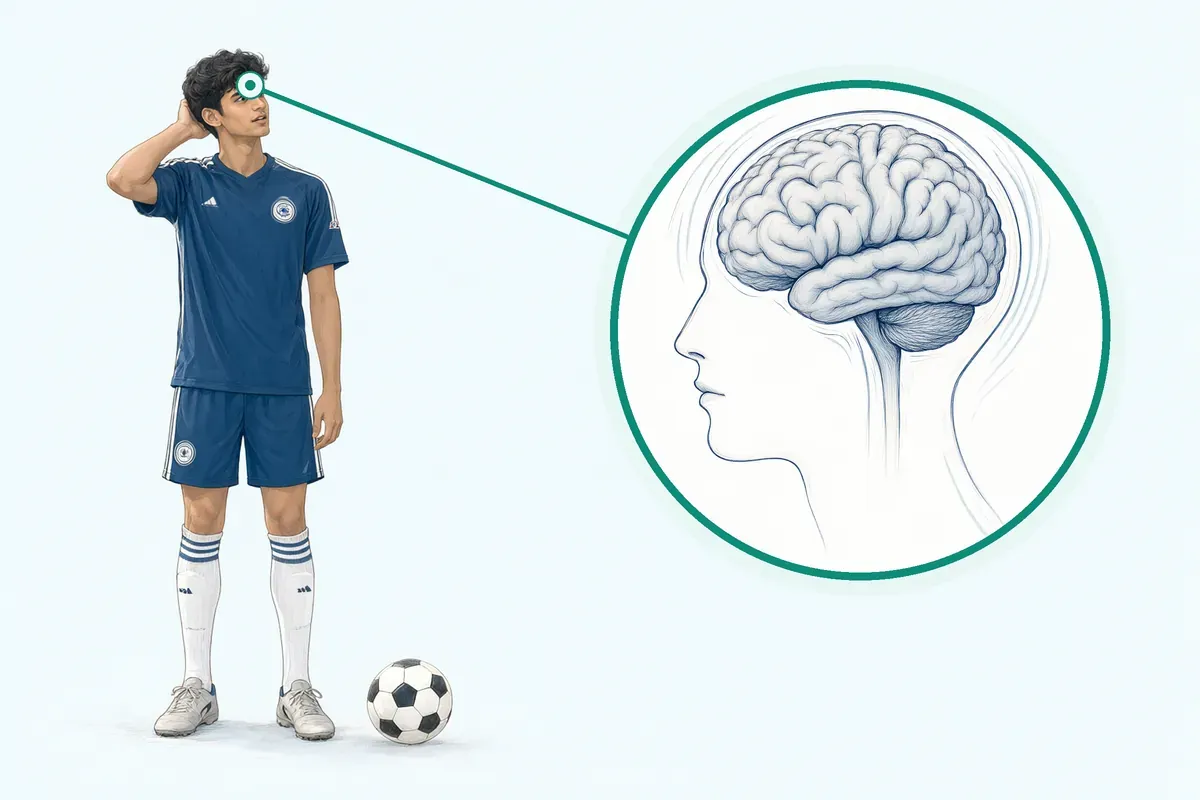
Concussion is a mild brain injury that often does not show on routine scans. Symptoms like headache, poor concentration and balance problems can linger. Returning too early risks a second, more serious injury.
-
Symptoms affect daily routine
Headache, nausea, light sensitivity and memory lapses make work, study and screen time difficult.
-
Unclear return timeline
Without objective testing, you guess when you are ready, risking re-injury or prolonged recovery.
-
Hidden vulnerability
The brain remains metabolically vulnerable for days after symptoms fade, so feeling fine is not enough.
-
Academic and work impact
Cognitive rest may need school or office adjustments that are hard to arrange without medical guidance.
Concussion is a traumatically induced transient disturbance of brain function involving a complex pathophysiological process.
Why Jaipur Hospital
You worry that missing games or exams now could cost you a season or a semester, and you need a clear, safe timeline.
Your care plan
Your first steps with us
- 1 Call or visit OPD for initial concussion assessment
- 2 Complete neurocognitive and balance testing with our team
- 3 Follow a personalised, stepwise return-to-play protocol
- 4 Get final clearance after symptom-free exertion testing
How the assessment and recovery plan works
Our sports injury team coordinates neurology, physiotherapy and neuropsychology. The first visit takes 60 to 90 minutes. Follow-ups are 30 minutes. No admission is needed.
-
SCAT6 / ImPACT Testing
Standardised sideline assessment and computerised neurocognitive tests measure memory, reaction time and symptom severity.
-
Vestibular-Ocular Rehabilitation
Targeted exercises address dizziness, balance deficits and visual tracking problems that persist after injury.
-
Exertion Tolerance Testing
Buffalo Concussion Treadmill Test defines a safe heart-rate threshold for progressive aerobic activity.
-
Multidisciplinary Coordination
Neurology, sports medicine, physiotherapy and neuropsychology collaborate on a single recovery plan for you.
Why patients trust us
- 1991 Serving Jaipur for 35 years
- NABH Accredited hospital
- 1 Sports Injury consultants
- 24×7 Emergency, ICU and ambulance
- 25 Cashless schemes and insurers
What research shows about concussion management
-
Large majority recover clinically within one month
Most athletes return to normal activities within the first month after injury, though neurobiological recovery may take longer.
-
Younger athletes may take up to 4 weeks
Older adolescents and adults typically recover within 2 weeks; children and younger adolescents often need up to 4 weeks.
-
15 to 30 percent have symptoms beyond 3 months
A minority of patients experience persistent cognitive and physical symptoms that do not resolve in the usual timeframe.
If it is left untreated
Early return to play increases the risk of repeat concussion, prolonged symptoms and potential long-term neurological impairment. A second impact before recovery worsens metabolic crisis in brain cells.
Life after a structured recovery
Most people return to full sport, study and work with confidence that their brain has healed.
-
Clear clearance decision
You get a medical clearance based on objective test data, not guesswork.
-
Safe return to sport
Graded exertion steps reduce the chance of symptom flare-ups during play.
-
Academic adjustments sorted
School or college receives a formal plan for workload and screen time during recovery.
-
Ongoing support available
Follow-up visits track any late-emerging issues before they become persistent.
Frequently asked questions
Questions patients ask about sports concussion care
Which problems are assessed under sports concussion care?
In short
Sports concussion care assesses traumatic head injuries from sports, focusing on cognitive deficits, physical symptoms, and balance disturbances. At Jaipur Hospital, our team evaluates subtle changes in brain function after impact. We check how your injury affects memory, reaction time, stability, and everyday activities before you consider returning to sports.
In detail
In studies, concussion is recognised as a mild traumatic brain injury caused by direct contact or acceleration forces to the head. This injury triggers an energy crisis in brain cells, leading to symptoms like headaches, dizziness, and confusion.
Clinical assessments use graded symptom checklists alongside standardised tools to evaluate orientation, immediate memory, new learning, and concentration. Balance testing and computerised neurocognitive assessments, such as SCAT6 or ImPACT testing, examine brain-behaviour relationships.
Because standard CT or MRI scans often appear normal after mild head trauma, our multidisciplinary team coordinates neurology, sports medicine, and physiotherapy evaluations to identify subtle neurological dysfunctions that simple scans cannot detect.
A common belief
Many people assume that a normal brain scan means everything is fine.
What actually happens
In reality, concussions disrupt cell energy without visible structural damage on standard scans. Without a structured check of balance and memory, hidden deficits get missed.
Your next step at Jaipur Hospital
Initial outpatient assessments typically take 60 to 90 minutes, while follow-up sessions usually take about 30 minutes. Most athletes show clinical improvement within the first month, though recovery timelines vary. Consultation fees typically range from ₹3,000 to ₹15,000 across India.
If you or your child suffered a head impact during sports, book an outpatient consultation at Jaipur Hospital to plan a safe recovery.
How will the doctor decide which tests I need for sports concussion care?
In short
Your doctor decides on tests based on your injury history, physical exam, balance testing, and symptom severity. At Jaipur Hospital, specialists assess whether you need computerised neurocognitive assessments, exertion testing, or specialised imaging. Diagnostic decisions focus on identifying functional deficits while ensuring serious structural brain trauma is ruled out.
In detail
Medical evidence confirms that concussion remains primarily a clinical diagnosis made by trained healthcare professionals. Clinicians employ graded symptom checklists and standardised tools like the Standardised Assessment of Concussion alongside balance error scoring.
If subtle cognitive deficits persist, computerised neuropsychological tools such as SCAT6 or ImPACT testing help evaluate memory and processing speed. Imaging is not needed for every concussion; conventional CT or MRI scans often show normal findings in mild head injury.
Instead, neuroimaging is reserved for situations where bleeding or skull fracture is suspected. For balance or visual disturbances, vestibular-ocular assessments or Buffalo Concussion Treadmill tests help map exercise tolerance.
A common belief
Many patients expect an immediate CT scan after every head bump.
What actually happens
Yet standard scans usually look completely normal in concussions. Doctors rely instead on detailed functional and cognitive testing unless internal bleeding is suspected.
Your next step at Jaipur Hospital
Initial assessments typically require 60 to 90 minutes in an outpatient setting, with 30-minute follow-ups. Typical specialist consultation charges across Indian centres range from ₹3,000 to ₹15,000. Your team will advise on necessary evaluations during your visit. To discuss suitable testing options for your recovery, schedule an appointment at Jaipur Hospital.
How soon should I expect improvement after sports concussion care?
In short
You can typically expect noticeable improvement within one to two weeks during sports concussion care. Jaipur Hospital provides structured assessment to monitor this healing timeline closely. Most older adolescents and adults return to baseline within two weeks, whereas younger athletes often take up to four weeks to recover.
In detail
In clinical studies, the large majority of injured athletes recover functionally within the first month following injury. Evidence indicates biochemical changes can remain active beyond 15 days, meaning your brain cells need steady metabolic recovery.
After an initial 24 to 48 hours of relative rest, light physical activity such as brisk walking can safely begin. Techniques like Buffalo Concussion Treadmill testing help measure your exact exertion tolerance without flaring headaches.
Vestibular-ocular rehabilitation can also be introduced if dizziness or balance issues linger. Research shows premature return to full physical contact before complete recovery risks prolonged cognitive dysfunction.
A common belief
Staying in a dark room until you are completely symptom-free can actually delay recovery.
What actually happens
Gradual, guided activity works better than total rest.
Your next step at Jaipur Hospital
Recovery typically spans 7 to 21 days for a graded return to play. Initial consultations usually take 60 to 90 minutes, while follow-ups require 30 minutes as an outpatient. The typical consultation range in India is ₹3,000 to ₹15,000. Please contact Jaipur Hospital to book your assessment.
Which changes in consciousness, headache, vomiting, or behaviour need emergency help after a sports concussion?
In short
Repeated vomiting, worsening headaches, slurred speech, seizures, uneven pupils, and loss of consciousness require immediate emergency evaluation. Jaipur Hospital operates a 24-hour emergency department ready to evaluate sudden neurological decline. Any athlete showing fluctuating alertness or unusual agitation must be transported to a hospital without any delay.
In detail
A sports concussion is a functional injury, but forceful head trauma can occasionally produce intracranial bleeding or structural damage. Evidence shows that acute deterioration in Glasgow Coma Scale scores, pupillary response, or vital signs indicates urgent central nervous system distress.
Progressive drowsiness or severe behavioural changes suggest expanding intracranial pathology rather than routine concussive fatigue. The medical protocol for emergency head injury requires systematic monitoring of airway, breathing, circulation, and neurological function.
Imaging like a brain CT scan is reserved specifically for cases where acute intracerebral haemorrhage is suspected. Timely medical triage ensures critical intracranial complications are managed before secondary brain injury develops.
A common belief
Never assume an injured player can just sleep off severe head pain.
What actually happens
Rapid deterioration can signal serious internal bleeding.
Your next step at Jaipur Hospital
Athletes suspected of a concussion must never return to sports on the same day. Have an attendant stay with the injured individual to monitor symptoms closely. Outpatient visits typically cost ₹3,000 to ₹15,000 in India, but acute decline requires instant emergency care.
How can I decide whether to seek advice about sideline concussion assessment?
In short
You should seek advice immediately if an athlete sustains a direct blow to the head or body and shows any signs of brain disturbance. Jaipur Hospital provides sports concussion care to evaluate these acute injuries, because any suspected concussion warrants immediate removal from play and qualified medical evaluation.
In detail
In studies, as many as 50% of sports concussions go unreported, placing athletes at serious risk. Continuing to play can exacerbate symptoms, prolong recovery, and increase vulnerability to repeat impact.
Standardised assessment tools, such as the Standardised Assessment of Concussion and sideline symptom checklists, provide a helpful framework for examination. However, they should not be used alone for diagnosis.
Sideline balance testing can be affected by footwear, playing surface, or taped joints, making comprehensive clinical evaluation essential. Healthcare professionals also monitor for deteriorating physical or mental status, neck tenderness, and indications of intracerebral bleeding that require urgent hospital imaging.
- In studies, as many as 50% of sports concussions go unreported, placing athletes at serious risk.
A common belief
People often assume that without loss of consciousness, an impact is harmless.
What actually happens
Yet continuing to play impairs reaction times and leaves the brain vulnerable to serious repeat injury.
Your next step at Jaipur Hospital
Initial consultations typically take 60 to 90 minutes in our outpatient setting without anaesthesia. Anyone with a suspected concussion must not return to the game on the same day.
If you, your child, or a teammate experienced an impact and feels unwell, schedule an outpatient appointment at Jaipur Hospital for a thorough sideline and post-injury concussion evaluation.
Can I continue any training safely while I recover from a sports concussion?
In short
You can often perform light, symptom-free activity after an initial rest period of 24 to 48 hours. At Jaipur Hospital, our sports injury team guides safe physical reconditioning. Evidence shows that complete bed rest delays recovery, whereas sub-symptom aerobic activity promotes healthy brain blood flow.
In detail
In studies, strict inactivity and dark room isolation are no longer recommended. After 24 to 48 hours of relative rest, light physical activity such as brisk walking or stationary cycling below your symptom threshold can begin.
Exertion tolerance testing, such as the Buffalo Concussion Treadmill Test, helps determine specific heart rate levels that you can maintain comfortably without provoking headache or dizziness. However, training that carries a risk of head impact, jarring, or collision is strictly prohibited.
If light exercise provokes any post-concussion symptoms, the activity must stop immediately. Medical guidelines emphasise that competitive practice and drills must wait until all symptoms resolve completely.
A common belief
Common advice used to demand lying in complete darkness until all symptoms vanished.
What actually happens
Current evidence shows that prolonged strict rest actually delays recovery compared to light, supervised exercise.
Your next step at Jaipur Hospital
Exercise progression typically advances over 7 to 21 days as your tolerance improves during outpatient care. Follow-up consultations take around 30 minutes.
To discover which training intensity is safe for your stage of recovery, schedule an OPD visit at Jaipur Hospital with our sports medicine team.
Which symptoms should prompt me to see a specialist for sports concussion care?
In short
You should see a specialist if you experience headaches, dizziness, balance issues, or confusion after a head injury. Jaipur Hospital provides multidisciplinary outpatient assessments for injured athletes. Ongoing memory difficulties, mood changes, or trouble concentrating also require medical review. Prompt assessment ensures that lingering post-concussion symptoms are properly identified and managed.
In detail
In studies, injured athletes report diverse physical, cognitive, and emotional symptoms during the first week following injury. You might notice headaches, visual disturbances, dizziness, or slowed reaction times. Emotional changes, such as unexpected irritability or mood disturbance, can also occur.
The number and severity of your initial symptoms are consistent predictors of recovery duration. If cognitive difficulties linger or symptoms flare during daily tasks, specialist evaluation becomes critical. Furthermore, returning to play before complete symptom resolution increases the risk of repeat concussion and prolonged dysfunction. A specialist will assess your physical balance, concentration, and symptom severity to protect against further neurological setbacks.
A common belief
Athletes often try to push through mild headaches, believing they will quickly fade.
What actually happens
But playing with ongoing symptoms increases the risk of repeat injury and can significantly prolong your recovery time.
Your next step at Jaipur Hospital
An initial clinic evaluation typically takes 60 to 90 minutes, without any need for anaesthesia. Recovery is variable and typically takes 7 to 21 days for a graded return to activities. Attendants can accompany patients during OPD appointments. If you notice persistent symptoms after a blow to the head, book a consultation at Jaipur Hospital.
How will the test results change my sports concussion care plan?
In short
Test results guide the pacing of your recovery, academic adjustments, and physical activity progression. Jaipur Hospital uses these findings to create a personalised recovery timeline. If tests show cognitive strain or balance issues, your activities will be modified. Results ensure you only advance when your brain has safely recovered.
In detail
Concussion management relies on a step-wise progression where physical and cognitive demands increase gradually. Test results from neurocognitive assessments or symptom checklists establish whether you need continued cognitive rest, such as reduced study hours or extended test times.
If provocative testing or balance assessments provoke dizziness, targeted vestibular-ocular rehabilitation exercises may be introduced. Exercise tolerance testing helps identify safe heart-rate thresholds for light aerobic activity. If symptoms recur during any activity, the protocol halts and restarts at the preceding symptom-free step. Only when clinical tests confirm complete recovery can medical clearance for full athletic competition be granted.
A common belief
People often rely on a rigid calendar for recovery.
What actually happens
In reality, objective balance and memory scores determine when it is truly safe to advance, preventing premature activity that could prolong symptoms.
Your next step at Jaipur Hospital
Follow-up visits usually take 30 minutes to review progress and repeat testing. In India, specialist consultations typically cost between ₹3,000 and ₹15,000 per consultation. Graded recovery generally spans 7 to 21 days, depending on your individual tolerance.
What should I do if sports concussion symptoms persist or worsen?
In short
If your sports concussion symptoms persist or worsen, you must halt all physical exertion immediately and seek a prompt medical review. Jaipur Hospital provides comprehensive clinical assessments for athletes with ongoing post-concussion difficulties. Continuing normal drills or physical exercise while experiencing headaches or dizziness can delay your recovery.
In detail
Studies show that between 15 and 30 percent of individuals experience symptoms extending past three months. Continuing to exercise or study aggressively through active discomfort places an injured brain under severe metabolic strain.
When difficulties do not resolve, a multidisciplinary team coordination involving neurology, sports medicine, physiotherapy, and neuropsychology is recommended. Specialised options such as vestibular-ocular rehabilitation help retrain your balance and visual coordination systems.
Neuropsychological testing can also uncover subtle memory or attention problems that standard physical checks miss. Early adjustment of your academic or daily schedule prevents further worsening of these long-standing symptoms.
Your next step at Jaipur Hospital
Do not attempt strenuous drills until your symptoms have resolved both at rest and with exertion. Follow-up sessions typically take 30 minutes in an outpatient setting, with typical consultation fees in India ranging between ₹3,000 and ₹15,000.
Could sports concussion symptoms worsen after an initially reassuring assessment?
In short
Yes, sports concussion symptoms can intensify several hours or days after an initially reassuring assessment on the sideline. Jaipur Hospital provides thorough serial examinations to detect delayed neurological changes. Normal early physical checks do not mean that delayed cognitive fatigue or headaches cannot emerge later.
In detail
In clinical studies, the neurometabolic crisis following head injury peaks over subsequent days, with functional deficits frequently greatest around three days post-injury. Conventional CT and MRI scans often appear entirely normal because a concussion represents microcellular disturbance rather than visible structural damage.
When athletes resume mental work, screen exposure, or physical activities too early, dormant symptoms like dizziness and photophobia often flare up. Graded symptom checklists, computerised neurocognitive testing, and balance testing help clinicians detect these delayed impairments over serial evaluations.
Monitoring an athlete continuously over the first week ensures that subtle deficits in memory, reaction speed, and concentration are recognised and treated appropriately.
A common belief
A normal scan on day one does not rule out concussion.
What actually happens
Concussions affect brain cell metabolism rather than visible structure.
Your next step at Jaipur Hospital
Never return to competitive play on the day of injury. An initial assessment usually takes 60 to 90 minutes as an outpatient, with follow-ups lasting 30 minutes. Typical consultation costs in India range from ₹3,000 to ₹15,000.
FAQ library
Questions and answers about sports concussion care
When you contact us
Start your safe recovery plan
Contact Jaipur Hospital to book a concussion assessment with our sports injury team and get a personalised return-to-play protocol.
- A consultation with a sports injury specialist in the OPD
- Your scans and reports reviewed, with tests done in-house if you need them (laboratory, X-ray and imaging)
- Your options explained in plain words, including whether you need surgery at all
- A cost estimate before you decide
- Help with cashless treatment under RGHS, MAA Yojana, CGHS and empanelled insurers and TPAs
- Follow-up visits after your treatment
Overview
Sports Concussion Care: what to know
What a sports concussion is and how it happens
- Mild brain injury
- Caused by a blow or jolt that shakes the brain
- Functional disturbance
- Not a structural injury seen on routine scans
- Energy crisis
- Chemical changes make the brain vulnerable
A sports concussion is a mild traumatic brain injury caused by a blow to the head or a sudden jolt that shakes the brain inside the skull. It is a temporary disturbance of brain function rather than a structural injury you can see on a routine CT or MRI scan.
The force triggers a cascade of chemical changes and an energy crisis in brain cells, making the brain vulnerable to further injury while it recovers. Concussion is common in organised sports and recreational activities for children, adolescents and adults. Most people recover fully, but the brain needs time and the right management to heal safely.
Symptoms of sports concussion and warning signs that need urgent care the same day
- Loss of consciousness
- Repeated vomiting
- Worsening headache
- Seizures
- Slurred speech
- Increasing confusion or agitation
Symptoms can be physical, cognitive or emotional and often appear within the first week after injury.
You may notice:
- Headache
- Dizziness
- Nausea
- Balance problems
- Sensitivity to light or noise
- Blurred vision
- Fatigue or drowsiness
Cognitive symptoms include:
- Feeling "foggy"
- Difficulty concentrating
- Memory problems
- Confusion
Emotional changes such as irritability, sadness, nervousness or mood swings are also common.
Some signs mean you must go to the emergency department at once: loss of consciousness, repeated vomiting, worsening headache, seizures, weakness or numbness in arms or legs, slurred speech, increasing confusion or agitation, unequal pupil size, or inability to wake up. These can indicate bleeding or swelling in the brain that needs immediate imaging and treatment.
Causes and who is at higher risk of sports concussion
- Previous concussion
- Raises chance of another, especially in first 10 days
- Female athletes
- Report higher rates than male athletes in comparable sports
- Younger athletes
- Take longer to recover and are more vulnerable
- Pre-existing conditions
- Migraine, mood, learning or attention disorders complicate care
Direct contact with another player, the ground or equipment is the most common cause in sports such as:
- Football
- Rugby
- Hockey
- Soccer
- Basketball
Heading the ball in soccer is less often the cause than player-to-player contact. A history of one or more previous concussions raises the chance of another, especially in the first 10 days after the last injury. Female athletes in comparable sports report higher rates than male athletes.
Younger athletes tend to take longer to recover and are more vulnerable to severe complications. Pre-existing migraine, mood disorders, learning disorders or attention-deficit disorders can make diagnosis and management more complex. Certain positions and playing styles also carry greater exposure.
How sports concussion is diagnosed: examination and tests
- Symptom checklist Detailed review of physical, cognitive and emotional symptoms
- Cognitive screening Tests orientation, memory and concentration
- Balance testing Checks postural stability and coordination
- Neurological examination Assesses reflexes, nerves and motor function
- Standardised tools SCAT6 and computerised neurocognitive tests give objective data
Concussion remains a clinical diagnosis made by a healthcare provider trained in its evaluation. There is no single test that confirms it on its own.
The assessment starts with a detailed symptom checklist, cognitive screening (orientation, memory, concentration), balance testing and a neurological examination.:
- Detailed symptom checklist
- Cognitive screening (orientation, memory, concentration)
- Balance testing
- Neurological examination
Standardised tools such as SCAT6 and computerised neurocognitive tests (for example ImPACT) give objective data, but they must be interpreted by trained professionals and used alongside the clinical picture. Routine CT or MRI scans are usually normal in concussion and are reserved for cases where intracranial bleeding is suspected.
More advanced imaging such as diffusion tensor imaging is still mainly a research tool. At Jaipur Hospital our team uses a multidisciplinary approach, combining neurology, sports medicine, physiotherapy and neuropsychology to build a complete picture of your injury.
Non-surgical treatment options for sports concussion and when surgery is advised
- Relative rest 24 to 48 hours Limited screen time
- Light aerobic exercise Below symptom threshold
- Vestibular-ocular rehabilitation For dizziness or visual issues
- Cognitive rehabilitation For ongoing cognitive difficulties
Surgery is not a treatment for concussion itself; it is only needed if imaging shows a bleed or skull fracture that requires evacuation or repair. The cornerstone of management is a guided, step-wise return to activity.
Current guidelines recommend relative rest for the first 24 to 48 hours, including limited screen time, followed by gradual reintroduction of light physical and cognitive activity that does not worsen symptoms.
Sub-symptom threshold aerobic exercise, such as walking or stationary cycling at a heart rate below the level that provokes symptoms, can begin as early as 24 hours after injury and has been shown to support recovery. Vestibular-ocular rehabilitation helps if you have persistent dizziness, balance or visual disturbances. For ongoing cognitive difficulties, neuropsychological evaluation and individualised cognitive rehabilitation are advised.
Headache may be managed with simple analgesics such as paracetamol; chronic use of painkillers should be avoided to prevent medication-overuse headache. No medication has been proven to speed concussion recovery. Supplements such as omega-3, vitamins or ketones lack conclusive human evidence and are not regulated, so they should be used with caution.
A multidisciplinary team coordinates your care, and return-to-play clearance is given only when you are symptom-free at rest and with exertion, have normal cognitive test results, and have completed the graded exertion protocol.
Preparing for your Sports Concussion Care appointment
Your first visit at Jaipur Hospital usually lasts 60 to 90 minutes. Follow-up visits are about 30 minutes. No anaesthesia is needed and you do not need to fast.
Bring any earlier CT or MRI reports, a list of medicines you take, and a note of your symptoms since the injury.:
- Earlier CT or MRI reports
- A list of medicines you take
- A note of your symptoms since the injury
If you play sport, bring details of your training schedule and any baseline neurocognitive test results you may have. Wear comfortable clothes and flat shoes because balance and treadmill testing may be done. An attendant can stay with you during the assessment. Tell your doctor about blood thinners, sedatives, or any supplements you use so they can plan safe testing.
How Sports Concussion Care assessment is done
- Detailed history and neurological examination First step with the team
- SCAT6 and ImPACT testing Memory, reaction time, attention, symptom severity
- Balance Error Scoring System Checks balance
- Buffalo Concussion Treadmill Test Finds safe heart-rate threshold
On the day of your visit you will see a team that may include a neurologist, a sports medicine physician, a physiotherapist and a neuropsychologist. The assessment starts with a detailed history and a neurological examination.
Standardised tools such as SCAT6 and computerised ImPACT testing are used to measure:
- Memory
- Reaction time
- Attention
- Symptom severity
Balance is checked with the Balance Error Scoring System. If dizziness or visual disturbances are reported, vestibular-ocular rehabilitation exercises are prescribed. Exertion tolerance is measured with the Buffalo Concussion Treadmill Test to find a safe heart-rate threshold for exercise. Imaging such as CT or MRI is ordered only when bleeding or structural injury is suspected.
Your surgeon will advise which combination of tests suits your case. The whole process is outpatient; you go home the same day.
Risks and possible complications of Sports Concussion Care
The assessment itself carries no procedural risk. The main medical risk comes from returning to activity too early. Studies show that early return to play increases the chance of a repeat concussion, prolongs symptoms and slows recovery. A second impact before the brain has recovered worsens metabolic changes in brain cells.
In a minority of patients, about 15 to 30 percent, cognitive and physical symptoms persist beyond three months. Persistent symptoms can lead to long-term disability in some cases. There is growing concern that repeated concussions and sub-concussive impacts may contribute to chronic neurobehavioral impairment and neurodegenerative disease later in life. No medication has been shown to improve recovery after concussion.
Supplements such as omega-3 fatty acids, B vitamins and others lack conclusive human evidence and are not regulated for this use.
Recovery and aftercare after Sports Concussion Care
- Light aerobic exercise Brisk walking
- Sport-specific drills No contact
- Non-contact training Progressive intensity
- Full contact practice Medical clearance needed
- Return to competition Final step
After the assessment you receive a personalised graded return-to-play plan. The first 24 to 48 hours involve relative rest with limited screen time. Light activity such as brisk walking can start early; strict bed rest is not advised because it may delay recovery.
Cognitive rest may need temporary school or work adjustments such as reduced workload and extra time for tasks. The return-to-play progression moves step by step: light aerobic exercise, sport-specific drills, non-contact training, full contact practice, and finally return to competition. Each step usually takes at least 24 hours and only continues if you remain symptom-free at rest and with exertion.
If symptoms return, you drop back to the previous step. Typical clinical recovery takes 7 to 21 days, though younger athletes may need up to four weeks. Neurobiological recovery can extend beyond the time you feel well. Call the hospital if headaches worsen, vomiting occurs, confusion increases, or new weakness or seizures appear. Regular follow-ups are scheduled to track symptom checklists and neurocognitive scores.
Results of Sports Concussion Care management
In studies, the large majority of athletes recover clinically within the first month after injury. Older adolescents and adults often return to pre-injury levels within two weeks, while younger athletes may take up to four weeks. The number and severity of early symptoms are consistent predictors of how long recovery takes.
A history of prior concussion raises the risk of another concussion and of prolonged symptoms. Female athletes in comparable sports report higher concussion rates than male athletes. Pre-existing mood disorders, migraine, ADHD or learning disorders can complicate diagnosis and lengthen recovery. There is no evidence that any intervention speeds up brain recovery or reduces long-term sequelae.
Properly managed graded return-to-play protocols reduce the risk of early re-injury and symptom prolongation. The prevalence of chronic traumatic encephalopathy in the general athletic population is unknown.
Cost and insurance for Sports Concussion Care in Jaipur
A typical consultation at Jaipur Hospital costs between ₹3,000 and ₹15,000. The final amount depends on the number of tests needed, whether neurocognitive testing, vestibular assessment or treadmill testing are done, and how many follow-up visits are required. The hospital accepts RGHS, MAA Yojana, CGHS and a panel of private insurers and TPAs.
The emergency department, ambulance, in-house pharmacy, laboratory and imaging are available 24 hours a day. Ask the hospital for an estimate based on your planned assessment.