
Recovery & aftercare · Knee Replacement
Floor sitting, kneeling and prayer after knee replacement
Many people want to return to floor sitting, kneeling for prayer, or using a squat toilet after a knee replacement. Whether you can do these comfortably depends on how far your knee bends, how the soft tissues heal, and the type of replacement you have. Your surgeon and physiotherapist will guide you on what is safe for your own knee.
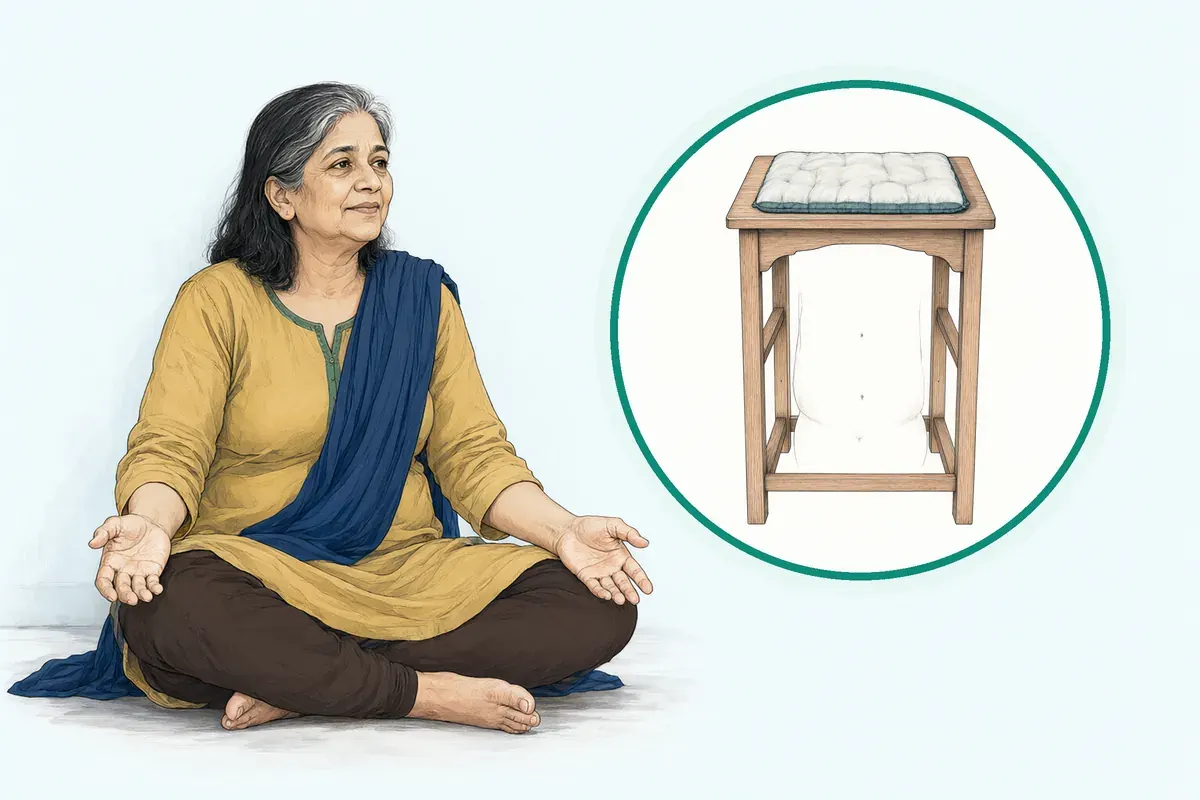
- 6 weeks No kneeling or cross-legged sitting for the first
- 1 year Full recovery and range of motion can take up to
- 3 to 5 nights Typical hospital stay
- ₹1,80,000 to ₹3,50,000 Typical cost range in India
Cross-legged sitting on the floor
After knee replacement, your care team will ask you to avoid sitting with legs crossed for the first six weeks. This early restriction protects the healing tissues and lets the new joint settle. Your surgeon and physiotherapist can tell you what range of motion your specific implant and soft tissues are likely to allow.
Kneeling for namaz, puja or daily tasks
- Scar comfortable? Start on soft surface Yes: Kneel on bed No: Wait and check with physio
- Bed kneeling manageable? Move to firmer floor Yes: Use cushion or kneeling pad No: Stay on soft surface
- Kneeling still painful? Use aids for independence Yes: Low stool, folded blanket, long-handled tools No: Continue as comfortable
Kneeling on a replaced knee does not damage the implant. After total knee replacement, some people can kneel within a few weeks and some never find it comfortable. Once the scar is comfortable, you can start by kneeling on a soft surface such as a bed.
When that feels manageable, a cushion or kneeling pad on a firmer floor may help. For prayer, many people use a low stool or a folded blanket to reduce the depth of the bend. If kneeling remains painful, long-handled tools or a kneeling stool can keep you independent for tasks like gardening.
Partial versus total knee replacement for floor activities
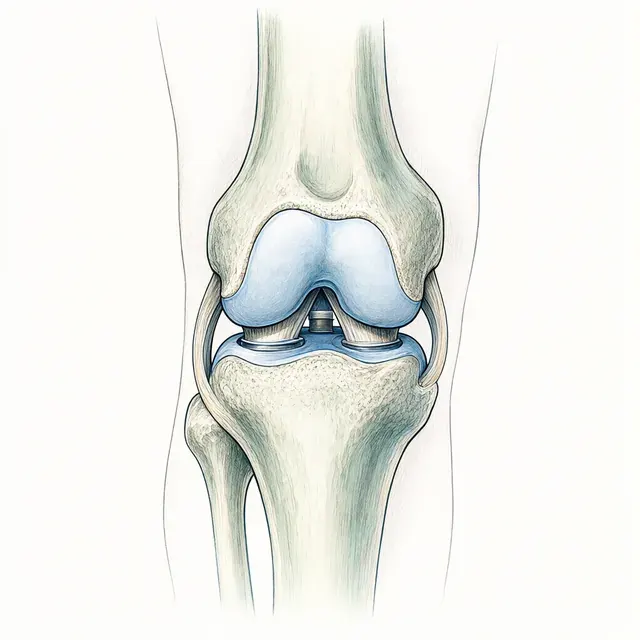 Partial replacementOnly damaged compartment resurfaced
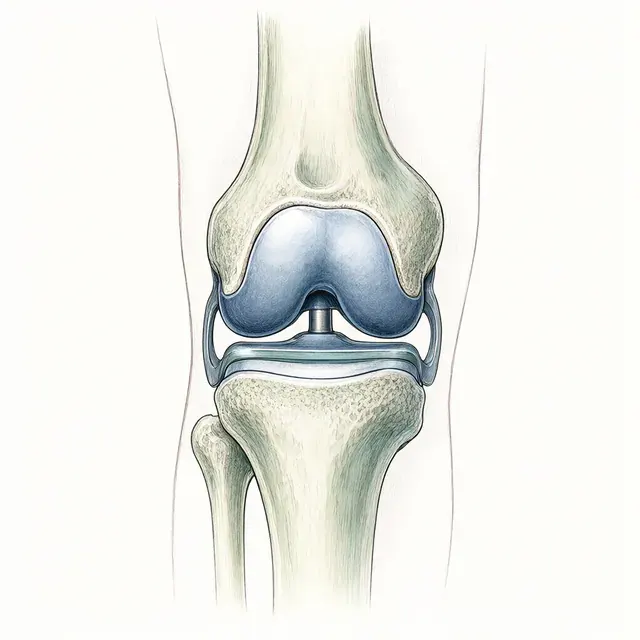 Total replacementBoth compartments replaced
- What it resurfaces
- Only the damaged compartment
- Early rules same
- No crossed legs or kneeling for six weeks
- Long-term ability varies
- Depends on stiffness, rehab, and implant
A partial knee replacement resurfaces only the damaged compartment and keeps the healthy ligaments, bone and cartilage. However, the same soft-tissue healing rules apply: no crossed legs or kneeling for the first six weeks. Whether you can eventually sit cross-legged or use a squat toilet still depends on your pre-surgery stiffness, your rehabilitation effort, and the specific implant used. Your surgeon will recommend either a total or partial replacement based on the pattern of arthritis in your knee.
Movements surgeons usually advise against long-term
Avoid
- High-impact activities
- Repetitive twisting
- Cross-legged sitting
Surgeons typically advise against high-impact activities such as jogging, running, and jumping, as well as contact sports. Repetitive twisting motions, like those in a golf swing at the driving range, can also aggravate the knee and are often restricted for the first three months and sometimes longer.
You should avoid sitting cross-legged on the floor for at least the first six weeks after surgery. Your doctor will guide you on which specific movements to limit based on your implant type and bone quality.
Rehabilitation and getting the bend you need
- Early weeks Gentle frequent movement
- Chair-based exercises Seated knee bends, knee hangs, sit-to-stand
- Progress to standing Lunges and step-ups when ready
Regaining knee bend (flexion) is a gradual process that can continue to improve for up to a year after surgery. In the early weeks, the focus is on gentle, frequent movement to prevent stiffness.
You will be taught exercises such as:
- Seated knee bends
- Knee hangs with the foot raised on a stool
- Sit-to-stand practice using arm supports
Strengthening the thigh muscles (quadriceps and hamstrings) is equally important because these muscles control and stabilise the new joint. A physiotherapist will progress your exercises as your range of motion improves, moving from chair-based movements to standing lunges and step-ups when you are ready.
Swelling can last for many months and may limit how far you can bend on a given day. Consistent daily exercise, ice, and leg elevation help manage this.
When to ask your doctor or physiotherapist
If you have been advised to wear a knee brace for certain activities, do not remove it for kneeling or squatting without checking first. Your physiotherapist can assess your current range of motion and suggest safe ways to practise the movements you need for prayer, toilet use, or household tasks.
They may recommend aids such as a kneeling pad, a raised toilet seat, or long-handled tools to reduce the depth of bend required. Always follow the specific precautions given by your surgeon, as they know your bone quality, implant type, and surgical details.