

General & Laparoscopic Surgery · Jaipur Hospital
Anal Fissure Treatment in Jaipur
Pain and bleeding during bowel movements? We assess your fissure and give a clear treatment plan.
- Serving Jaipur since 1991 (35 years)
- NABH accredited
- 24×7 emergency & ICU
- Cashless: RGHS, MAA Yojana, CGHS + 22 insurers
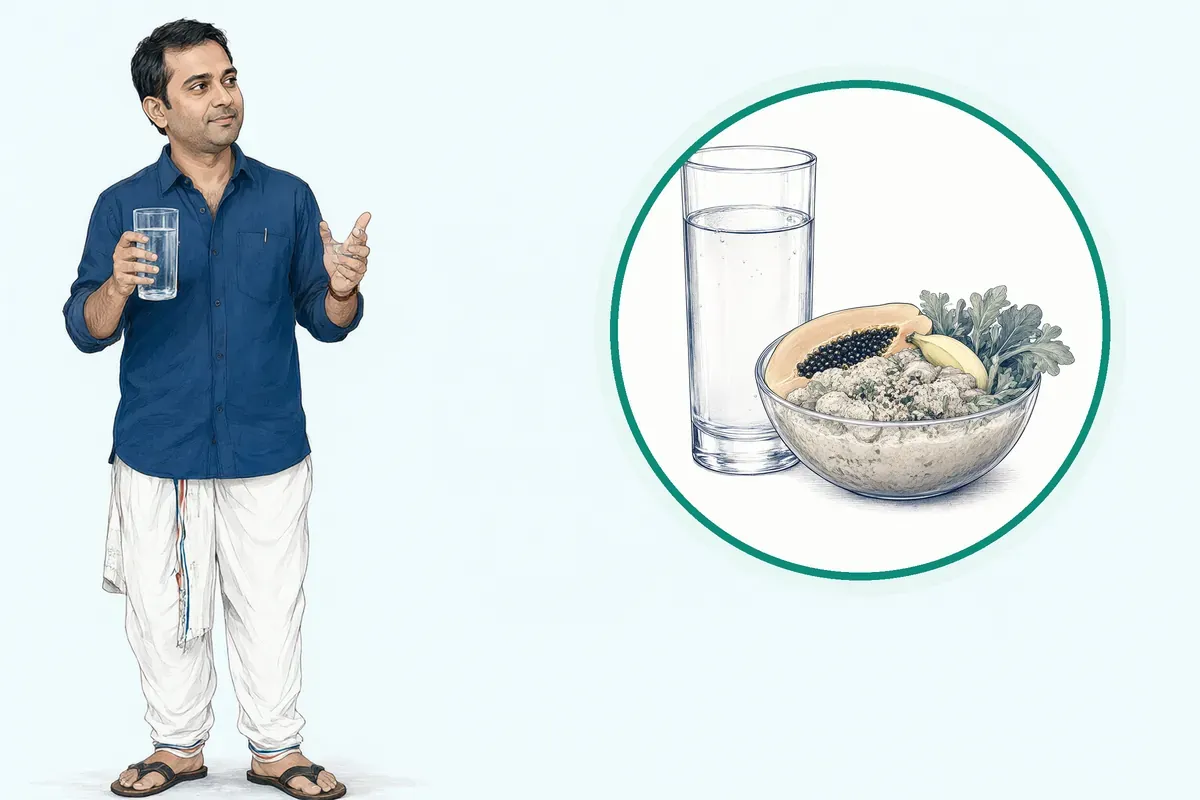
- Procedure time
- 15 to 30 minutes
- Anaesthesia
- Spinal, or local with sedation
- Recovery
- Back to desk work in a few days to 1 week
- Price
- ₹25,000 to ₹70,000 for surgerytypical range in India; ask us for an estimate
Pain that stops you
A tear that will not heal makes every toilet visit dreadful
An anal fissure is a tear in the anal lining. Spasms cut blood flow, so the wound stays open. Pain, bleeding and fear of the toilet become daily life.
-
Sharp pain passing stool
Pain during and after bowel movements that can last for hours.
-
Bright red bleeding
Blood on toilet paper or in the pan each time you go.
-
Muscle spasm cycle
The internal sphincter clamps down, reducing blood flow and preventing healing.
-
Chronic after eight weeks
A fissure that has not healed in eight weeks is considered chronic.
-
Fear of the toilet
You may hold back, which hardens stool and makes the next visit worse.
Increased sphincter tone compresses anal arteries, causing local ischaemia that prevents the fissure from healing.
Why Jaipur Hospital
You worry the pain will never stop, that surgery might affect control, and that time off work will cost you money.
Your care plan
Your first steps with us
- 1 Call or visit OPD for surgeon consultation
- 2 Get examined and review or do tests in-house
- 3 Choose medical or surgical option with a cost estimate
- 4 Have procedure and attend follow-up visits
how the operation is done
Surgery is usually a day-case procedure under spinal or local anaesthesia with sedation. The surgeon reduces sphincter tension to restore blood flow and allow the fissure to heal.
-
Diet, sitz baths and prescribed creams
First treatment for most fissures; softens stool and relaxes the sphincter to promote natural healing.
-
Botulinum toxin injection
Relaxes the sphincter muscle for a few months, giving the fissure time to heal without cutting muscle.
-
Lateral internal sphincterotomy (LIS)
A small cut in the sphincter muscle for chronic fissures; lowers pressure so the wound can heal.
Why patients trust us
- 1991 Serving Jaipur for 35 years
- NABH Accredited hospital
- 3 General & Laparoscopic Surgery consultants
- 24×7 Emergency, ICU and ambulance
- 25 Cashless schemes and insurers
what research shows about this treatment
-
1 to 2 weeks
Most people return to work and normal routine within one to two weeks after sphincterotomy.
-
6.9% recurrence
Recurrence was lowest for sphincterotomy at 6.9% compared to 41.7% for botulinum toxin in studies.
-
3.4 to 4.4% incontinence risk
The risk of anal incontinence with lateral internal sphincterotomy is between 3.4% and 4.4% in reported data.
If it is left untreated
Without treatment, the fissure can become chronic, leading to persistent pain, bleeding, sentinel tags and thickening of the anal canal. The spasm-ischaemia cycle worsens, making healing harder and increasing the chance of needing surgery later.
life after treatment
Most people find the severe pain goes away within days and the fissure heals over weeks. Bowel habits normalise with simple care.
-
Less pain quickly
Most people notice the fissure pain is better than before within a few days after surgery.
-
Back to routine
Most people return to desk work and normal activities within a week or two.
-
Healing continues
The anal area usually heals completely over about six weeks with sitz baths and fibre.
-
Control returns
Any minor gas or stool leakage after surgery usually improves with time.
Frequently asked questions
Questions patients ask about anal fissure treatment
What is anal fissure treatment?
In short
Anal fissure treatment at Jaipur Hospital starts with diet changes, sitz baths and prescribed creams. If the fissure does not heal, options include botulinum toxin injection or lateral internal sphincterotomy (LIS). Surgery takes 15 to 30 minutes under spinal or local anaesthesia with sedation. Most patients go home the same day.
In detail
An anal fissure is a tear in the anal lining that causes pain and bleeding during bowel movements. First-line medical therapy aims to relax the sphincter and improve blood flow so the tear can heal.
In studies, medical therapy heals about 43 to 52 percent of chronic fissures at eight weeks. For fissures that do not heal, botulinum toxin injection temporarily paralyses the internal sphincter for a few months.
LIS makes a small cut in the sphincter to reduce pressure by 20 to 50 percent. Evidence shows LIS achieves healing rates around 95 percent at eight weeks with a recurrence rate near 7 percent, which is lower than botulinum toxin or medical therapy.
A common belief
Many people think surgery is the first choice.
What actually happens
In fact, most fissures heal with simple measures. Surgery is reserved for chronic cases that do not respond to creams or injections.
Your next step at Jaipur Hospital
Your surgeon will examine you and decide if medical treatment or a procedure is appropriate. If surgery is needed, plan for a few days to one week off desk work. Full healing takes about six weeks. You will receive guidance on diet, fluids, stool softeners and sitz baths after the procedure.
Which specialist should I see for an anal fissure?
In short
You should see a general surgeon or a colorectal surgeon for an anal fissure. At Jaipur Hospital, the Department of General and Laparoscopic Surgery handles the diagnosis and treatment of anal fissures, including medical therapy, botulinum toxin injection and lateral internal sphincterotomy. The team has the training and equipment to manage both acute and chronic cases.
In detail
A general surgeon is trained in diseases of the anal canal and rectum. In our hospital, the General and Laparoscopic Surgery department runs regular OPD clinics for anorectal conditions.
The surgeon will take a focused history, perform a gentle perianal examination and, if needed, a proctoscopy to confirm the diagnosis.
They can prescribe the appropriate creams, arrange botulinum toxin injection as a day‑care procedure, or perform lateral internal sphincterotomy under spinal or local anaesthesia with sedation. The procedure typically takes 15 to 30 minutes and most patients go home the same day.
Post‑operative care includes pain relief, stool softeners, sitz baths and fibre supplements. Follow‑up is arranged to check healing. If you have other medical conditions, the surgeon coordinates with our internal medicine, anaesthesia or gastroenterology colleagues as needed.
A common belief
Some patients go to a gastroenterologist first, but fissure surgery is done by a surgeon.
What actually happens
Seeing the right specialist from the start avoids extra referrals and delays.
Your next step at Jaipur Hospital
Book an OPD appointment with the General and Laparoscopic Surgery department at Jaipur Hospital. Bring any previous medical records or test results. The consultation is straightforward and usually takes only a few minutes. After assessment, your surgeon will outline the treatment plan and answer all your questions.
What treatment options are available for anal fissure at Jaipur Hospital?
In short
At Jaipur Hospital, treatment starts with dietary fibre, increased fluids, sitz baths, and prescribed creams for most fissures. For chronic fissures that do not heal after eight weeks, options include botulinum toxin injection to relax the sphincter or lateral internal sphincterotomy, a small cut in the muscle to reduce spasm and allow healing.
In detail
Medical therapy works for many acute fissures. Botulinum toxin injection temporarily paralyses the internal sphincter for a few months, giving the fissure time to heal; studies show healing rates around 43 percent at three months.
Lateral internal sphincterotomy has higher healing rates, reported up to 95 percent at eight weeks, but carries a small risk of long-term incontinence to flatus or liquid stool in a minority of patients. The surgeon discusses the trade-offs based on your fissure type and preferences.
- Botulinum toxin injection temporarily paralyses the internal sphincter for a few months, giving the fissure time to heal; studies show healing rates around 43 percent at three months.
Your next step at Jaipur Hospital
The surgeon will explain each option, typical recovery, and risks so you can decide. Most procedures are done as day cases under spinal or local anaesthesia with sedation.
What can I safely do at home to manage anal fissure symptoms?
In short
At Jaipur Hospital, home care focuses on keeping stools soft and reducing anal pressure. Take warm sitz baths for 15 to 20 minutes three times a day and after each bowel movement. Pat the area dry gently. Eat high-fibre foods such as fruits, vegetables, beans and whole grains daily. Drink plenty of fluids unless your doctor advises otherwise. Use a stool softener or fibre supplement if your surgeon prescribes one.
In detail
These measures reduce straining, which is the main cause of fissure pain and delayed healing. Evidence shows that reducing anal tone and improving blood flow allows the tear to heal. Sitz baths relax the sphincter muscle and increase local circulation.
A high-fibre diet and fluids create bulky, soft stools that pass easily. Avoid sitting on the toilet for long periods. Use a small footstool to raise your knees above your hips while passing stool; this mimics a squatting position and reduces straining. Do not use over-the-counter creams or ointments without asking your surgeon, as some may irritate the area.
A common belief
People often try random creams or ignore diet.
What actually happens
The fissure will not heal if stools stay hard and you keep straining. Simple habits make the biggest difference.
Your next step at Jaipur Hospital
Follow any prescription for pain relief or antibiotics exactly as directed. If you stopped blood thinners, ask the surgeon when to restart. Watch for signs of infection such as increased pain, swelling, redness, pus or fever.
Contact the hospital if you cannot pass stool or gas. Most people feel much better within a few days of starting these measures.
How does the term fissure-in-ano relate to anal fissure treatment?
In short
Fissure-in-ano is the medical term for an anal fissure. It means a tear in the lining of the anal canal. At Jaipur Hospital, the treatment options are the same whether the condition is called anal fissure or fissure-in-ano. The term does not change the diagnosis or the management plan.
In detail
Both terms describe a painful tear in the anal mucosa, most often at the posterior midline. Acute fissures are recent; chronic fissures persist beyond eight weeks and may have a sentinel tag or hypertrophied papilla.
Treatment follows a stepwise approach: first, high-fibre diet, sitz baths, and prescribed topical creams such as calcium channel blockers or nitrates. If medical therapy fails, botulinum toxin injection or lateral internal sphincterotomy are considered.
Evidence shows lateral internal sphincterotomy provides the highest healing rate and lowest recurrence for chronic fissure-in-ano. The surgical team uses the same criteria regardless of terminology.
A common belief
Patients sometimes think fissure-in-ano is a different or more serious disease.
What actually happens
It is only the Latin term used in medical notes.
Your next step at Jaipur Hospital
If you have been told you have fissure-in-ano, it is the same condition as anal fissure. Ask your surgeon to explain the stage and the recommended next step.
Why is there sharp pain or bright red blood during bowel movements?
In short
Sharp pain and bright red blood during bowel movements are classic signs of an anal fissure. At Jaipur Hospital, our surgical team explains that the tear exposes the internal sphincter muscle, which then goes into spasm. The spasm pulls the wound edges apart and cuts off blood flow, causing severe pain and fresh bleeding when stool passes.
In detail
The fissure is a tear in the lining of the anal canal. When stool stretches the tear, the exposed muscle fibres contract involuntarily. This spasm increases resting anal tone, compresses the small arteries that supply the area, and creates local ischaemia.
The reduced blood flow prevents healing, so the cycle repeats with every bowel movement. Pain often continues for minutes to hours after passing stool. Bright red blood appears on the toilet paper or in the pan because the tear is near the surface.
A common belief
Many people think the bleeding means something serious like cancer, but bright red blood on the paper is typical for a fissure.
What actually happens
The pain comes from muscle spasm, not the tear itself.
Your next step at Jaipur Hospital
Do not ignore these symptoms. Early treatment with fibre, fluids, sitz baths, and prescribed creams can break the pain-spasm cycle and allow healing. If pain and bleeding persist beyond eight weeks, the fissure is considered chronic and may need an injection or minor surgery.
How will the surgeon decide whether an operation is necessary for my anal fissure?
In short
The surgeon decides based on how long you have had the fissure, whether medical treatment has failed, and how severe your symptoms are. Jaipur Hospital follows a step-wise approach: creams and sitz baths first, then injection or surgery if needed.
In detail
An acute fissure (less than eight weeks) usually heals with high-fibre diet, fluids, sitz baths and prescribed creams.
If the fissure is chronic (more than eight weeks) or keeps coming back, the surgeon may offer botulinum toxin injection to relax the muscle for a few months. If that fails or the fissure is very painful, lateral internal sphincterotomy is considered.
The surgeon also checks for signs of other conditions like Crohn's disease. Your preference and ability to attend follow-up also matter in the decision.
A common belief
Some patients expect surgery right away.
What actually happens
But guidelines say try medical treatment first. Only when that does not work, or the fissure is chronic, does the surgeon suggest an operation. This avoids unnecessary procedures.
Your next step at Jaipur Hospital
At your consultation the surgeon will examine you, review any treatments you have already tried, and explain the options. Most people return to desk work within a few days to a week after surgery.
Which symptoms or changes should prompt me to seek medical advice for an anal fissure?
In short
You should seek medical advice at Jaipur Hospital if you have sharp pain during or after passing stool, bright red blood on the toilet paper, a visible tear or skin tag near the anus, or pain that lasts for hours after a bowel movement. These signs suggest a fissure that may need treatment.
In detail
An anal fissure is a tear in the lining of the anal canal. The typical symptom is severe, tearing pain when you pass stool, often followed by a deep burning ache.
You may see a small amount of bright red blood on the paper or in the pan. Some people notice a small lump or skin tag at the edge of the anus.
If these symptoms continue for more than a few days, or if they keep returning, the fissure may become chronic. Chronic fissures are less likely to heal on their own and often need medical or surgical help. Early evaluation can prevent the cycle of spasm, reduced blood flow and worsening pain.
A common belief
People often hope the pain will go away on its own.
What actually happens
But if the fissure lasts more than a few weeks, the muscle spasm can prevent healing and make the problem chronic.
Your next step at Jaipur Hospital
Do not wait for the pain to become unbearable. Book an OPD appointment at Jaipur Hospital for a quick examination. The surgeon can confirm the diagnosis in the clinic and start appropriate creams or advise the next step. Most consultations take only a few minutes. Call us today to arrange a convenient time.
What will the doctor ask and check at the first visit for anal fissure treatment?
In short
At your first visit to Jaipur Hospital, the surgeon will ask about your pain pattern, bleeding, bowel habits and how long symptoms have lasted. A gentle examination of the anal area is usually enough to confirm a fissure. The doctor will also review any creams or medicines you have already tried.
In detail
The consultation focuses on separating an acute tear from a chronic fissure that has not healed after eight weeks. The surgeon checks for a visible tear, skin tags or a hypertrophied papilla at the fissure edge.
They also ask about constipation, straining and any previous anorectal surgery.
This history helps decide whether medical therapy such as sitz baths, fibre and prescribed creams should be tried first or whether the fissure is chronic and may need botulinum toxin injection or lateral internal sphincterotomy.
Evidence shows that chronic fissures have higher resting sphincter pressure and reduced blood flow, so the examination also assesses sphincter tone.
Your next step at Jaipur Hospital
Bring a list of current medicines and any earlier investigation reports. The visit takes about 15 to 20 minutes. If the fissure looks chronic, the surgeon will explain the next steps, which may include a trial of medical therapy or discussion of surgical options. You can book a consultation at Jaipur Hospital to have your symptoms assessed.
Can anal fissure improve without a procedure or operation?
In short
Yes, many acute anal fissures heal with non-surgical care alone. At Jaipur Hospital, the first approach is medical: a high-fibre diet, plenty of fluids, stool softeners, regular sitz baths and prescribed topical creams. Acute fissures often heal within a few weeks with these measures.
In detail
Evidence shows that medical therapy with calcium channel blockers like diltiazem or nitrates achieves healing in about 40 to 50 percent of chronic fissures at three months. Pain reduction of more than 50 percent occurs in roughly 80 percent of patients on medical therapy.
However, chronic fissures — those present for more than eight weeks — have a lower healing rate with creams alone because high resting sphincter pressure and local ischaemia impair healing.
If medical therapy fails after six to eight weeks, the surgeon may suggest botulinum toxin injection or lateral internal sphincterotomy. The decision to proceed with a procedure depends on symptom severity, impact on quality of life and your preference.
Your next step at Jaipur Hospital
Try the medical regimen as advised for six to eight weeks. If symptoms persist, return for a review. You can book a consultation at Jaipur Hospital to start medical therapy or reassess a fissure that is not healing.
FAQ library
Questions and answers about anal fissure treatment
When you contact us
Get your assessment and plan
Contact Jaipur Hospital for a surgeon consultation, in-house tests if needed, a clear explanation of options, a cost estimate and help with cashless schemes.
- A consultation with a general and laparoscopic surgeon in the OPD
- Your scans and reports reviewed, with tests done in-house if you need them (laboratory, X-ray and imaging)
- Your options explained in plain words, including whether you need surgery at all
- A cost estimate before you decide
- Help with cashless treatment under RGHS, MAA Yojana, CGHS and empanelled insurers and TPAs
- Follow-up visits after your treatment
Read more
Read more about anal fissure treatment
- Colostomy Recovery and Daily Stoma Care Guide
Learn about recovery after colostomy surgery, stoma care routines, diet changes, and living well with an ostomy bag. A patient guide from Jaipur Hospital, Jaipur.
- Rectal Prolapse Surgery Types Recovery Risks
Understand surgical options for rectal prolapse including abdominal and perineal approaches, recovery timelines, and potential complications.
Overview
Anal Fissure Treatment: what to know
What an anal fissure is and how it happens
- Tear in lining
- Exposes muscle underneath
- Muscle spasm
- Pulls wound apart and cuts blood flow
- Thickened muscle
- Widens the fissure over time
An anal fissure is a tear in the lining of the anal canal. The tear exposes the muscle underneath, which can trigger spasms that pull the wound apart and reduce blood flow, preventing healing. Over time the muscle may thicken from repeated spasms, which can widen the fissure further.
A chronic anal fissure is one that has not healed after at least eight weeks. Chronic fissures are more common in young adults and affect both sexes equally, usually at the back of the anal canal. Local ischaemia, or reduced blood supply, plays an important part in why a fissure becomes chronic.
Increased resting tone of the internal sphincter compresses the arteries that pass through the muscle, which lowers blood flow to the area.
Symptoms and warning signs that need urgent care the same day
- Heavy bleeding that does not stop
- Severe pain preventing sitting or walking
- Fever with anal pain
The main symptom is sharp pain during and after passing stool. The pain can last from minutes to hours and often leads to fear of using the toilet, which can cause constipation and make the fissure worse. You may see bright red blood on the toilet paper or on the surface of the stool.
Itching or a visible crack in the skin around the anus can also occur. Contact your doctor or go to the emergency department the same day if you have heavy bleeding that does not stop, severe pain that prevents you from sitting or walking, fever with anal pain, or if you cannot pass stool or gas at all. These signs may point to an abscess, a blood clot, or another complication that needs immediate attention.
Causes and who is at higher risk
- Hard or large stools
- Trauma to anal lining
- Chronic constipation
- Repeated straining
- Repeated diarrhoea
- Irritates the anal canal
- Tight sphincter or low-fibre diet
- Higher risk of chronic fissure
Anything that causes trauma to the anal lining can start a fissure.
Common triggers include:
- Passing hard or large stools
- Chronic constipation
- Repeated diarrhoea
- Straining during bowel movements
Childbirth can also cause a fissure in women. Once a tear forms, the pain makes the internal sphincter spasm, which reduces blood flow and stops the tear from healing. People with a tight anal sphincter, long-standing constipation, or a low-fibre diet are at higher risk of developing a chronic fissure. Studies suggest that up to 40 percent of fissures may resist healing and become chronic.
How an anal fissure is diagnosed: examination and tests
- Ask about symptoms Bowel habits and pain pattern
- Gentle external check Part buttocks to see fissure
- Internal exam if needed Gloved finger or short scope
- Further tests only if unusual Rule out Crohn's or infection
Diagnosis is usually made in the outpatient department. Your surgeon will ask about your symptoms and bowel habits, then gently examine the anal area. In most cases the fissure can be seen by parting the buttocks; a chronic fissure often has a visible sentinel tag (a small skin tag) at the lower end and thickened edges.
An internal examination with a gloved finger or a short scope (anoscope) may be done if the view is not clear, but this can be painful if the sphincter is in spasm. Your surgeon will usually avoid a full rectal examination until the pain settles. No routine blood tests or imaging are needed for a typical fissure.
If the fissure is in an unusual position, such as the front midline, or if there are multiple fissures, your surgeon may advise further tests to rule out conditions like Crohn's disease or infection.
Treatment options without surgery and when surgery is advised for anal fissure
First-line treatment aims to soften the stool and relax the sphincter so the tear can heal.
This includes:
- A high-fibre diet
- Plenty of fluids
- Warm sitz baths for 15 to 20 minutes three times a day
- Prescribed creams such as calcium channel blockers (for example diltiazem) or glyceryl trinitrate
In studies, diltiazem cream healed fissures in about 43 percent of patients at three months and reduced pain by more than half in about 78 percent. Botulinum toxin injection into the internal sphincter is another non-surgical option; it temporarily paralyses the muscle for a few months, lowering anal tone and allowing healing.
Healing rates with botulinum toxin were about 43 percent at three months in one trial, with pain reduction in about 82 percent. The injection lasts a few months, which is often long enough for the fissure to heal.
Surgery is usually advised when a fissure has not healed after six to eight weeks of medical treatment, or if symptoms return repeatedly after stopping creams. Lateral internal sphincterotomy (LIS) is a small cut in the internal sphincter muscle to reduce resting pressure by 20 to 50 percent.
In studies, LIS healed fissures in about 95 percent of patients at eight weeks, compared with 67 percent for botulinum toxin and 52 percent for topical diltiazem. Recurrence after LIS was about 7 percent, while recurrence after botulinum toxin was about 42 percent. Your surgeon will discuss the options and help you decide which approach suits your situation.
Preparing for anal fissure surgery
Do
- Comfortable change of clothes
- Regular medicines in original packets
- Insurance or scheme cards
Before surgery, your surgeon will review your medical history and any medicines you take. Blood thinners such as aspirin or clopidogrel may need to be stopped a few days before the procedure; your doctor will tell you when to stop and when to restart them.
If you take prescription pain medicine, antibiotics or other regular drugs, bring a list so the team can plan your care. You will usually be asked not to eat or drink for about six hours before the operation. The hospital will confirm the exact fasting time when your slot is booked.
Bring a comfortable change of clothes, any regular medicines in their original packets, and your insurance or scheme cards (RGHS, MAA Yojana, CGHS or private TPA details). An attendant can stay with you in the day-care area. The hospital has an in-house pharmacy and diagnostic lab, so any last-minute tests can be done on site.
How anal fissure surgery is done
Your surgeon will discuss which technique suits you. The main options are:
- Botulinum toxin injection: A small dose is injected into the internal anal sphincter to relax the muscle for a few months, giving the fissure time to heal. The injection takes only a few minutes and is done under local anaesthesia with sedation or spinal anaesthesia.
- Lateral internal sphincterotomy (LIS): A small cut is made in the internal anal sphincter to reduce the resting pressure by about 20% to 50%. This is the most common surgical approach for chronic fissures. The procedure itself takes about 15 to 30 minutes.
- Fissurectomy with botulinum toxin: The chronic fissure tissue is removed and botulinum toxin is injected into the sphincter to help it relax.
On the day of surgery, you will be admitted to the day-care unit. The anaesthesia team will give spinal anaesthesia or local anaesthesia with sedation. After the procedure, you will rest in the recovery area for a short time. Most patients go home the same day. The whole appointment usually lasts two to three hours.
Risks and possible complications of anal fissure surgery
- up to 50% Short-term urine difficulty
- less than 5% Long-term bowel control problems
- about 5% Transient incontinence after botulinum toxin
All surgery carries a small risk of bleeding, infection and reactions to anaesthesia. Specific risks for sphincterotomy include short-term complications such as pain, swelling, or difficulty passing urine in up to 50% of people. Long-term problems with bowel control are rare; most estimates are less than 5%.
In studies, the risk of any anal incontinence after LIS ranged from 3.4% to 4.4%. Long-term follow-up data from 22 studies with 4,512 patients showed flatus incontinence in 9%, soiling or seepage in 6%, accidental defaecation in 0.91% and incontinence to liquid stool in 0.67% at two years or more. When incontinence occurs after LIS, it is usually minimal and often improves with time.
For botulinum toxin injection, perianal itching was reported in about 15% of patients using diltiazem cream in one trial. In larger series, transient faecal incontinence occurred in about 5% of patients after botulinum toxin injection. No dose-related increase in incontinence was found for botulinum toxin.
Local postoperative complications such as haematoma, perianal thrombosis or abscess occurred in about 2.2% of patients across studies. There was no significant difference in overall complication rates between botulinum toxin injection and lateral internal sphincterotomy.
Recovery and aftercare after anal fissure surgery
- Few days Fissure pain goes away
- Few days to one week Return to desk work
- One to two weeks Resume normal activities
- About six weeks Complete healing of the anus
Most people notice that the fissure pain goes away within a few days after surgery. You will likely have some pain with bowel movements at first, but it should be less than before the operation. You may see a small amount of blood on the toilet paper for the first few weeks. Bowel habits may be irregular for a short time; avoiding constipation and straining helps.
Typical aftercare advice includes:
- Take prescribed pain medicine as directed; most people do not need it longer than a few days.
- Sit in a sitz bath for 15 to 20 minutes three times a day and pat the area dry.
- Eat your normal diet with plenty of fluids, high-fibre foods (fruits, vegetables, beans, whole grains) and a fibre supplement or stool softener if your doctor suggests it.
- Use a small step stool to support your feet when sitting on the toilet; this makes bowel movements easier.
- Walk as much as you feel able; rest when tired.
- Shower as usual and pat the anal area dry.
- If you stopped blood thinners, restart only when your doctor tells you to.
Most people return to desk work in a few days to one week. Complete healing of the anus takes about six weeks. Normal activities can usually resume after one to two weeks, depending on how strenuous they are.
Contact the hospital or your surgeon if you have: nausea or vomiting and cannot keep fluids down; signs of infection such as increased pain, swelling, warmth, redness, red streaks, pus or fever; inability to pass stools or gas; or signs of a blood clot in the leg (calf pain, swelling, colour change). For any sudden severe symptoms such as fainting or shortness of breath, seek emergency care immediately.
Results: how well anal fissure surgery works and recurrence
In studies, lateral internal sphincterotomy shows high healing rates. At eight weeks, healing was reported in about 95% of patients treated with sphincterotomy. By comparison, healing rates at eight weeks were about 67% for botulinum toxin injection, 64% for nitrate therapy, 52% for topical diltiazem and 50% for topical minoxidil.
Medical therapy for chronic fissure is far less effective than surgery. LIS is superior to non-surgical therapies in achieving sustained healing.
Recurrence is lower after sphincterotomy. In one large review, recurrence was about 6.9% after sphincterotomy compared with about 41.7% after botulinum toxin injection. Patients treated with LIS had a significantly lower recurrence rate than those treated with botulinum toxin. Open and closed LIS techniques appear to have similar results.
For botulinum toxin, healing rates in the short term can be higher, but at three months diltiazem and botulinum toxin resulted in equal healing rates of about 43%. Pain reduction of more than 50% was seen in about 78% of patients on diltiazem and 82% on botulinum toxin at three months. No dose-dependent effect on healing was found for botulinum toxin.
Cost and insurance for anal fissure surgery in Jaipur
The typical price range for anal fissure surgery at Jaipur Hospital is ₹25,000 to ₹70,000. The final cost depends on the technique chosen (botulinum toxin injection, lateral internal sphincterotomy, or fissurectomy with botulinum toxin), the type of anaesthesia, whether you stay overnight or go home the same day, and any additional medicines or tests.
Indian cost data from multiple cities show LIS ranging from ₹25,500 to ₹80,000, open surgery from ₹30,000 to ₹45,000 and laser surgery from ₹55,000 to ₹91,800.
Jaipur Hospital is empanelled under RGHS, MAA Yojana and CGHS, and works with a panel of private insurers and TPAs. If you are covered under one of these schemes, the hospital's insurance desk can help with pre-authorisation and cashless admission where applicable. For self-pay patients, an itemised estimate is provided before admission.
The in-house pharmacy and diagnostic lab mean there are no external bills for medicines or routine tests done during your stay.