

Neurosurgery and Neurology · Jaipur Hospital
Emergency Neurosurgery Services in Jaipur
Sudden head injury or stroke? We give rapid assessment and a clear surgical plan.
- Serving Jaipur since 1991 (35 years)
- NABH accredited
- 24×7 emergency & ICU
- Cashless: RGHS, MAA Yojana, CGHS + 22 insurers
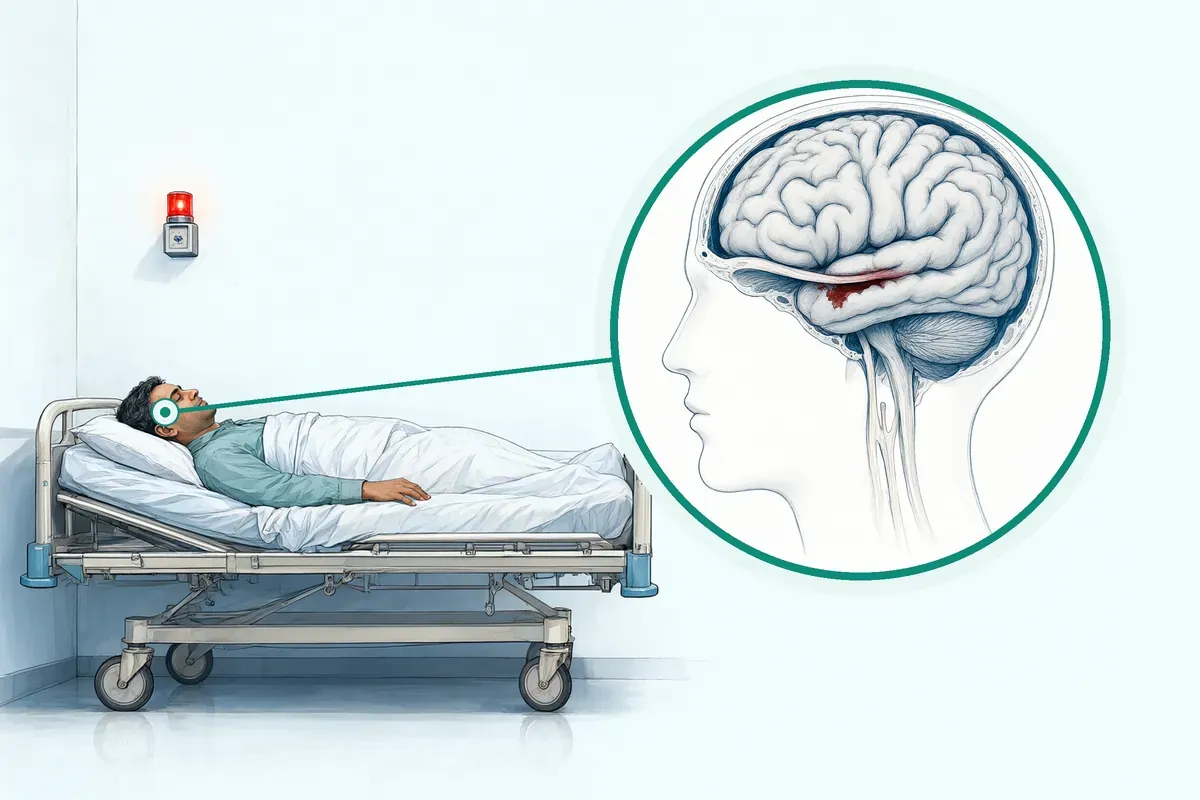
- Operation time
- 1 to 3 hours (variable)
- Anaesthesia
- General anaesthesia
- Recovery
- ICU stay days to weeks, rehab months
- Price
- ₹2,00,000 to ₹8,00,000+typical range in India; ask us for an estimate
Every minute matters
A sudden brain emergency leaves you scared and unsure what happens next
A fall, crash or sudden severe headache can cause bleeding or swelling inside the skull. Pressure builds fast. You need a team that acts immediately to relieve pressure and prevent further damage.
-
Sudden collapse or confusion
Loss of consciousness, vomiting or weakness on one side after a fall or crash.
-
Worst headache of your life
Thunderclap headache may mean a ruptured aneurysm needing urgent repair.
-
Rising pressure inside the skull
Swelling can cut off blood supply and cause lasting disability if not relieved quickly.
-
Family cannot decide alone
You need clear options and a plan from surgeons who handle this every day.
Falls have now surpassed road traffic incidents as the leading cause of traumatic brain injury.
Why Jaipur Hospital
You are terrified for your loved one and need someone to take charge and explain what comes next in plain words.
Your care plan
Your first steps with us
- 1 Call ambulance or bring patient to emergency
- 2 Rapid CT scan and neurosurgeon assessment
- 3 Emergency surgery to relieve pressure or stop bleeding
- 4 Neuro-ICU monitoring and step-down rehabilitation
how the operation is done
Surgery is done under general anaesthesia and usually takes 1 to 3 hours. The approach depends on the bleed or injury. Your surgeon will discuss the right option for you.
-
Decompressive Craniectomy
Bone flap removed to give swollen brain space; flap stored for later replacement.
-
Emergency Burr Holes
Small holes drilled to drain acute subdural blood clot rapidly.
-
External Ventricular Drain
Tube placed to drain excess cerebrospinal fluid and lower pressure.
-
Aneurysm Clipping or Coiling
Open clipping or endovascular coiling to seal ruptured aneurysm within 24 hours.
Why patients trust us
- 1991 Serving Jaipur for 35 years
- NABH Accredited hospital
- 1 Neurosurgery and Neurology consultants
- 24×7 Emergency, ICU and ambulance
- 25 Cashless schemes and insurers
what research shows about this treatment
-
39% to 41% six-month mortality
In severe TBI, six-month mortality was 39% with pressure monitoring and 41% with clinical exam care.
-
Lower mortality with craniectomy
Decompressive craniectomy for refractory intracranial hypertension lowered mortality but increased vegetative and severe disability rates.
-
ICU stay around 9 to 12 days
Median ICU stay was 12 days with pressure monitoring and 9 days with imaging-clinical exam in severe TBI.
If it is left untreated
Without urgent surgery, rising intracranial pressure can cause brain herniation, coma or death. Early aggressive care changes the trajectory for aneurysmal subarachnoid haemorrhage.
life after treatment
Most people spend days to weeks in ICU and ward, then months in rehab. Recovery varies by injury severity.
-
ICU and ward stay
Usually 5 to 14 nights in hospital with close monitoring and nursing care.
-
Rehabilitation over months
Physiotherapy, speech and occupational therapy help regain movement, speech and daily skills.
-
Regular follow-up imaging
Scheduled scans check healing and guide the next steps in recovery.
-
Attendant support needed
A family attendant stays with the patient for care coordination and comfort.
Frequently asked questions
Questions patients ask about emergency neurosurgery services
Which problems are assessed under emergency neurosurgery services?
In short
Jaipur Hospital provides emergency neurosurgery services for life-threatening brain and spine conditions that need immediate surgical care. These include severe head injury with bleeding or swelling, ruptured aneurysm causing subarachnoid haemorrhage, acute stroke from blocked or burst vessels, and sudden hydrocephalus from blocked fluid pathways. The team also manages spinal cord compression from trauma or tumour.
In detail
The service covers traumatic brain injury where raised intracranial pressure can cause herniation, and guidelines note decompressive craniectomy for refractory pressure above 25 mm Hg. Ruptured aneurysms are secured by clipping or coiling within 24 hours to prevent rebleeding.
Acute subdural haematoma may need emergency burr holes for rapid evacuation. External ventricular drain placement diverts cerebrospinal fluid in acute hydrocephalus. Falls are now the leading cause of traumatic brain injury, and axonal injury can progress long after the initial impact.
A common belief
Many people wait for a routine appointment, but these conditions worsen in minutes.
What actually happens
Guidelines stress intervention within hours to limit long-term injury.
Your next step at Jaipur Hospital
If you or an attendant notice sudden severe headache, loss of consciousness, weakness, seizure, or confusion after injury, call the 24×7 ambulance on 0141-2551500 or +91-7414-001-001. The emergency department triages and moves eligible patients straight to the modular operation theatre and neuro-ICU. Bring any prior CT or MRI films and a list of current medicines.
How will the doctor decide which tests I need?
In short
The neurosurgeon at Jaipur Hospital selects tests based on your symptoms, examination findings, and any imaging you already have. The goal is to confirm the diagnosis, define the anatomy, and assess fitness for anaesthesia. Common tests include targeted CT or MRI sequences, CT angiography or digital subtraction angiography for vascular lesions, and routine blood work with coagulation studies.
In detail
If you present with sudden severe headache and neck stiffness, CT head is first to detect subarachnoid haemorrhage; if negative, lumbar puncture or CT angiography follows. For suspected aneurysm, guidelines recommend early CT angiography or digital subtraction angiography to plan clipping or coiling.
In traumatic brain injury, repeat CT monitors haematoma expansion. For tumour, MRI with contrast defines margins and eloquent cortex proximity. Pre-anaesthesia evaluation includes haemoglobin, electrolytes, renal function, ECG, and chest X-ray. The team avoids unnecessary radiation and cost by ordering only what changes management.
A common belief
A full-body scan panel is not routine.
What actually happens
Guidelines stress targeted imaging — CT angiography for aneurysm, MRI with contrast for tumour — to limit radiation and cost.
Your next step at Jaipur Hospital
Most tests are done in-house at the 24-hour laboratory and radiology department, often on the same day. Blood results are available within hours. If you have recent outside reports, bring them to avoid duplication. The surgeon will explain why each test is needed.
How soon should I expect improvement after emergency neurosurgery treatment?
In short
Jaipur Hospital advises that improvement after emergency neurosurgery varies widely. Some patients show neurological improvement within days of decompression or clot evacuation. Others remain in altered consciousness for weeks. The ICU stay is typically days to weeks, and rehabilitation continues for months. The surgeon will give a timeline based on the specific injury, age, and pre-operative condition.
In detail
Evidence from traumatic brain injury and subarachnoid haemorrhage studies shows that recovery is not linear. In decompressive craniectomy trials, the primary outcome was measured at three and six months using the Extended Glasgow Outcome Scale. Mortality differences appear early, but functional recovery unfolds over months.
Factors influencing timeline include the severity of initial injury, presence of diffuse axonal injury, age, and complications such as infection or vasospasm. In studies, six-month mortality ranged around 39 to 41 percent in severe TBI cohorts.
Rehabilitation starts in ICU with positioning, chest physiotherapy, and early mobilisation when stable. Cognitive and motor recovery may continue for a year or more. The team sets realistic expectations and avoids promising a specific outcome.
A common belief
People often hope for a quick return to normal.
What actually happens
Studies measure meaningful recovery at three to six months, not days. Diffuse axonal injury, vasospasm, and age all slow the timeline. The team will not promise a specific outcome.
Your next step at Jaipur Hospital
Your surgeon will review progress at each stage: ICU discharge, ward transfer, and hospital discharge. Follow-up imaging and clinical assessments are scheduled at two weeks, six weeks, three months, and six months. Outpatient rehabilitation with physiotherapy, occupational therapy, and speech therapy is often needed.
How can I decide whether to seek advice about 24x7 neurotrauma response?
In short
You should seek advice about 24x7 neurotrauma response at Jaipur Hospital if a head injury causes loss of consciousness, confusion, repeated vomiting, seizures, or worsening drowsiness. These signs suggest raised pressure inside the skull that needs urgent imaging and possible surgery. Our emergency department runs round the clock with a neurosurgery team and neuro-ICU backup.
In detail
Falls are now the leading cause of traumatic brain injury, and axonal injury can continue for years after the initial impact. Guidelines recommend early decompression when intracranial pressure stays above 25 mm Hg despite medical care.
In studies, decompressive craniectomy lowered mortality but increased the rate of vegetative state, while moderate disability and good recovery rates were similar. The 24x7 service ensures rapid CT, intracranial pressure monitoring, and surgery within the critical window.
A common belief
Many people wait to see if symptoms improve, but raised pressure inside the skull can worsen silently.
What actually happens
Early surgery within the critical window improves survival, though recovery varies.
Your next step at Jaipur Hospital
If the patient shows any red-flag symptom after a head injury, call our 24x7 ambulance or bring them straight to the emergency department. The team will triage, image, and decide on surgery within hours.
Is there a method by which I can get in touch with a neurosurgeon during an emergency?
In short
Yes, you can reach a neurosurgeon during an emergency by calling Jaipur Hospital on our 24x7 emergency numbers 0141-2551500, 0141-2554139, or +91-7414-001-001. Our ambulance service can bring the patient directly to the emergency department where the on-call neurosurgeon evaluates them immediately. The neurosurgery team is available round the clock for trauma, stroke, and bleed management.
In detail
The hospital operates a 24x7 emergency department with a dedicated neurosurgery on-call roster. When you call, the emergency coordinator alerts the neurosurgeon and prepares the CT scanner and operating theatre if needed.
Evidence shows that direct admission to a centre with neurosurgical cover reduces time to decompression for conditions like acute subdural haematoma or malignant oedema. Our neuro-ICU backup ensures continuous monitoring after any emergency procedure.
A common belief
People often try to reach a doctor through personal contacts or wait for morning OPD.
What actually happens
In neurotrauma or stroke, every minute of delay can worsen brain injury. Direct hospital access activates the full team — CT, OT, neuro-ICU — without delay.
Your next step at Jaipur Hospital
Save the emergency numbers in your phone. In an emergency, call the hospital or ambulance; do not wait for an OPD appointment. An attendant should accompany the patient with any medical records and regular medicines. The neurosurgeon will examine the patient, review imaging, and discuss the treatment plan with you.
What changes in strength, sensation, speech, vision, or bladder control need urgent assessment?
In short
Sudden weakness of an arm or leg, numbness on one side, slurred speech, loss of vision in one eye or half the visual field, or new inability to pass urine need urgent assessment at Jaipur Hospital. These can signal stroke, bleed, or spinal cord compression that requires emergency imaging and possible surgery.
In detail
Guidelines for aneurysmal subarachnoid haemorrhage and traumatic brain injury highlight that new focal deficits often mean expanding haematoma, vasospasm, or infarct. In studies, early aggressive care dramatically impacts outcome.
The 24x7 emergency team performs rapid CT or MRI, and the neurosurgeon decides on decompression, clipping, coiling, or drainage within hours.
A common belief
People often attribute brief weakness to fatigue or a "pinched nerve", but in neurotrauma and stroke, minutes matter.
What actually happens
Delaying imaging can miss the window for clot removal or bleed control.
Your next step at Jaipur Hospital
If any of these changes appear suddenly, call our 24x7 ambulance or come straight to the emergency department. Do not wait for symptoms to improve.
Which symptoms should prompt me to see a specialist?
In short
You should see a neurosurgery specialist at Jaipur Hospital if you have persistent or worsening headache, new weakness or numbness in an arm or leg, difficulty speaking or understanding speech, unsteady walking, repeated vomiting, seizures, or changes in vision or behaviour. These symptoms may point to a structural problem in the brain or spine that needs imaging and expert evaluation.
In detail
Headache that is sudden, severe, or different from your usual pattern can signal raised intracranial pressure or bleeding. Focal weakness, speech difficulty, or vision loss often localises to a specific brain area.
New-onset seizures in an adult warrant urgent imaging to exclude tumour, vascular malformation, or scar tissue. Progressive gait imbalance or incontinence may indicate hydrocephalus or spinal cord compression. Guidelines for aneurysmal subarachnoid haemorrhage emphasise that early expert care dramatically impacts outcome. Axonal injury from trauma can evolve over months, so delayed symptoms still need review.
Your next step at Jaipur Hospital
Bring any previous CT, MRI, or angiography reports and a complete medicine list to the OPD. The specialist will examine you, review imaging, and decide if further tests or admission are needed. Appointments are available through the hospital phone lines.
How will the results change my care plan?
In short
Test results directly shape your care plan at Jaipur Hospital. Imaging defines the size, location and nature of the lesion — tumour, haemorrhage, aneurysm or hydrocephalus — and determines whether surgery, endovascular treatment, observation or referral to oncology or radiation is appropriate. Blood results confirm fitness for anaesthesia and guide perioperative management.
In detail
Evidence shows the surgical approach varies with the pathology. For example, a large malignant tumour may need open craniotomy for maximal safe resection, while a ruptured aneurysm may be treated by clipping or coiling within 24 hours.
Acute subdural haematoma requires emergency burr holes or craniotomy. Hydrocephalus may need external ventricular drain or shunt. The multidisciplinary team — neurosurgeon, anaesthetist, intensivist, radiologist — reviews all data to finalise the plan. You will be told the expected operation time, ICU stay, ward stay and rehabilitation timeline.
A common belief
A patient may think the diagnosis is obvious from symptoms alone.
What actually happens
But two lesions can look alike clinically and need completely different operations. Imaging and lab details are what make the plan precise.
Your next step at Jaipur Hospital
Once results are ready, the surgeon will discuss the recommended option, typical hospital stay of five to 14 nights, ICU duration, and the price range of two to eight lakh rupees or more. You can ask questions about risks, recovery and costs.
What should I do if symptoms persist or worsen after emergency neurosurgery treatment?
In short
Jaipur Hospital instructs patients and attendants to seek immediate medical attention if symptoms worsen after emergency neurosurgery. Warning signs include decreasing consciousness, new weakness, severe headache, vomiting, fever, seizure, or wound discharge. Contact the hospital emergency department or your surgeon's team without delay. Early re-evaluation can detect complications such as rebleeding, infection, or hydrocephalus.
In detail
Post-operative monitoring is critical because complications can develop days to weeks after surgery. Evidence shows that rebleeding after aneurysm repair, delayed cerebral ischaemia from vasospasm, and wound infection are time-sensitive emergencies. Hydrocephalus may require external ventricular drain insertion or shunt revision.
In studies, the number of brain-specific treatment days in ICU was higher in patients managed without invasive pressure monitoring, indicating ongoing dynamic changes. The neuro-ICU team provides a written discharge summary with red-flag symptoms and a 24-hour contact number. Attendants are taught basic neurological observation: pupil size, limb movement, and responsiveness.
A common belief
Some families wait for the next clinic visit hoping symptoms will settle.
What actually happens
Complications like vasospasm or hydrocephalus need treatment within hours. The discharge summary lists red flags and a 24-hour contact number. Do not delay.
Your next step at Jaipur Hospital
Keep the emergency numbers accessible: 0141-2551500, 0141-2554139, +91-7414-001-001. Do not wait for a scheduled follow-up if red flags appear. The hospital's 24x7 emergency department and ambulance service are available. Follow-up appointments are typically at two weeks, six weeks, and three months.
How can I decide whether to seek advice about emergency burr hole surgery?
In short
You should seek advice about emergency burr hole surgery at Jaipur Hospital when a head injury or sudden neurological decline suggests an acute subdural haematoma causing pressure on the brain. Our neurosurgical team performs rapid evacuation through burr holes to relieve life-threatening compression.
In detail
Emergency burr holes are a recognised technique for rapid evacuation of acute subdural haematoma. Evidence indicates that decompressive surgery for refractory raised intracranial pressure lowers mortality, though it may increase the proportion of patients with severe disability.
The decision depends on scan findings, neurological grade, and the speed of deterioration. Your surgeon will explain the expected benefits and risks for the specific situation.
A common belief
Some families hope medication alone will resolve a large clot, but evidence shows that surgical decompression for refractory pressure reduces mortality compared to medical management alone.
What actually happens
Waiting can cause irreversible brain injury.
Your next step at Jaipur Hospital
If a CT scan shows a significant clot with midline shift or the patient is deteriorating, the team will proceed to theatre within the hour. Post-operatively, the patient is managed in the neuro-ICU with close monitoring.
FAQ library
Questions and answers about emergency neurosurgery services
When you contact us
Get a neurosurgical opinion now
Contact Jaipur Hospital for an emergency assessment, scan review, clear options, a cost estimate and help with cashless schemes.
- A consultation with a neurosurgeon in the OPD
- Your scans and reports reviewed, with tests done in-house if you need them (laboratory, X-ray and imaging)
- Your options explained in plain words, including whether you need surgery at all
- A cost estimate before you decide
- Help with cashless treatment under RGHS, MAA Yojana, CGHS and empanelled insurers and TPAs
- Follow-up visits after your treatment
Overview
Emergency Neurosurgery Services: what to know
What emergency neurosurgery treats and how the condition develops
- Severe head injury
- Blow or jolt disrupts brain function
- Bleeding inside the skull
- Blood spills into space around the brain
- Burst aneurysm
- Blood spills into space around the brain
Emergency neurosurgery services at Jaipur Hospital manage life‑threatening conditions of the brain and spine that need immediate operation. These include severe head injury, bleeding inside the skull, sudden blockage of cerebrospinal fluid, and a burst aneurysm. In each case, pressure builds rapidly inside the rigid skull and can damage the brain within minutes to hours.
A traumatic brain injury occurs when a blow or jolt to the head disrupts normal brain function. Falls have now surpassed road traffic incidents as the leading cause of traumatic brain injury. The mechanical forces stretch and shear the long nerve fibres (axons) in the white matter, making them especially vulnerable.
This axonal injury can continue to evolve for years after the initial impact and has been linked to later neurodegenerative changes.
A ruptured aneurysm causes aneurysmal subarachnoid haemorrhage, a severe and often deadly condition where blood spills into the space around the brain. Acute hydrocephalus develops when the normal flow of cerebrospinal fluid is blocked, causing the fluid‑filled ventricles to enlarge and press on the brain. Large blood clots (haematomas) from trauma or stroke also compress brain tissue.
In all these situations, the skull cannot expand, so rising intracranial pressure cuts off blood supply and leads to loss of consciousness, coma, or death if not relieved quickly.
Symptoms and warning signs that need urgent care the same day
- Sudden severe headache Often the worst headache of life
- Loss of consciousness Fainting or unable to wake up
- Confusion or memory loss Sudden disorientation
- Weakness or numbness On one side of face, arm, or leg
- Speech difficulty Trouble speaking or understanding
- Vision changes Loss, double vision, unequal pupils
The symptoms depend on which part of the brain is affected and how fast the pressure rises. Common warning signs that need emergency evaluation the same day include:
- Sudden, severe headache often described as the worst headache of life
- Loss of consciousness, fainting, or inability to wake up
- Confusion, disorientation, or sudden memory loss
- Weakness or numbness on one side of the face, arm, or leg
- Difficulty speaking or understanding speech
- Vision loss, double vision, or unequal pupil size
- Repeated vomiting without nausea
- Seizures in a person with no prior history of epilepsy
- Stiff neck and sensitivity to light (suggesting meningeal irritation from blood)
Depending on the severity and extent of injury, these changes can manifest acutely as immediate loss of consciousness or confusion and persist as coma and/or cognitive dysfunction. Any of these symptoms after a head injury or without an obvious cause should prompt an immediate call for an ambulance or a visit to the nearest emergency department.
Causes and who is at higher risk
- 1.3 Women vs men Risk ratio for women compared to men
- 2.5 Japanese women >75 years Risk ratio vs men aged 45-54 years
The main causes that lead to emergency neurosurgery are:
- Falls, especially in older adults and young children
- Road traffic collisions
- Assaults or sports injuries
- Spontaneous rupture of a brain aneurysm (subarachnoid haemorrhage)
- Sudden blockage of cerebrospinal fluid pathways (acute hydrocephalus)
- Bleeding into a tumour or from abnormal blood vessels
Risk factors for aneurysmal subarachnoid haemorrhage include female sex, older age, high blood pressure, and smoking. In population studies, women have a higher risk than men; the risk ratio for women was 1.3.
Incidence rises sharply with age; compared with men aged 45 to 54 years, the risk ratio in Japanese women older than 75 years was 2.5 and in European women older than 75 years was 1.5. Global incidence of subarachnoid haemorrhage has declined over recent decades, linked to reductions in systolic blood pressure and smoking prevalence.
For traumatic brain injury, the median age of affected individuals is increasing. No clear decrease in TBI‑related mortality has been observed over the past two decades.
How emergency neurosurgery conditions are diagnosed: examination and tests
- Glasgow Coma Scale
- Checks level of consciousness on arrival
- CT angiography
- Maps blood vessels if aneurysm is suspected
Diagnosis begins the moment you arrive in the emergency department. The team checks your level of consciousness using the Glasgow Coma Scale, examines pupil size and reaction, and looks for weakness or abnormal reflexes. Blood tests are done to check clotting, blood counts, and organ function.
Imaging is the cornerstone.
A non‑contrast CT scan of the head is usually the first test because it quickly shows:
- Fresh blood
- Skull fractures
- Large clots
- Ventricular enlargement
If an aneurysm is suspected, CT angiography or digital subtraction angiography maps the blood vessels. MRI may be used later for detailed assessment of brain tissue injury, especially diffuse axonal injury. In severe traumatic brain injury, intracranial‑pressure monitoring is considered the standard of care to guide treatment. The 2023 guideline for aneurysmal subarachnoid haemorrhage provides an evidence‑based framework for diagnosis and management.
Treatment options without surgery, and when surgery is advised
- Large haematoma with shift Causing midline shift or decline
- Malignant brain swelling Refractory to medical management
- Ruptured aneurysm Needs securing within 24 hours
- Acute hydrocephalus Requiring external ventricular drain
Not every brain injury or bleed needs an operation. Small contusions, minor subdural haematomas, or stable hydrocephalus may be managed with close monitoring in a neuro‑ICU, blood pressure control, sedation, and medications to reduce brain swelling. Intracranial‑pressure monitoring helps the team decide if medical therapy is enough.
Surgery is advised when there is a threat to life from rising pressure or a treatable structural problem. Common indications include:
- Large acute subdural or epidural haematoma causing midline shift or neurological decline
- Malignant brain swelling refractory to medical management, where decompressive craniectomy (removing a bone flap) can lower mortality
- Ruptured aneurysm needing securing by clipping or coiling within 24 hours to prevent rebleeding
- Acute hydrocephalus requiring external ventricular drain for cerebrospinal fluid diversion
In studies of decompressive craniectomy for refractory intracranial hypertension, mortality was lower with surgery, but rates of vegetative state and severe disability were higher; moderate disability and good recovery rates were similar between surgical and medical groups. The choice of technique — decompressive craniectomy, emergency burr holes, external ventricular drain, aneurysm clipping or coiling — depends on the specific problem.
Your surgeon will advise which approach suits your condition. General anaesthesia is used for these procedures. Brain surgery can take two to six hours or more depending on complexity; at Jaipur Hospital the typical operation time is one to three hours.
After surgery, you will stay in the ICU for days to weeks, followed by a ward stay; total hospital stay is typically five to 14 nights. Rehabilitation may be part of recovery to help restore functions affected by the injury or surgery.
Preparing for Emergency Neurosurgery Services
Do
- All current medicines
- Allergies and past surgeries
- Pregnancy status
- ID and insurance cards
- Attendant for consent
Emergency neurosurgery is often needed without warning. You may arrive through the 24x7 emergency department after a head injury, sudden severe headache, or stroke symptoms. The surgical team will act quickly. You will have a physical examination and blood tests. Imaging tests such as CT or MRI create detailed pictures of the brain, blood vessels, and any bleeding or swelling.
Tell the doctor about every medicine you take, especially blood thinners, aspirin, or clopidogrel. Mention any allergies, past surgeries, and medical conditions such as diabetes or high blood pressure. If you are pregnant or think you might be, inform the team at once.
You will be asked to stop eating and drinking (fast) before general anaesthesia. The anaesthesia team will explain the plan. General anaesthesia means you are completely unconscious and asleep during the operation.
Bring your ID, insurance or scheme cards (RGHS, MAA Yojana, CGHS, or private TPA details), and a list of current medicines. An attendant should stay with you to help with decisions and sign consent forms. The hospital has an in-house pharmacy and diagnostic lab, so prescriptions and repeat scans can be done on site.
How Emergency Neurosurgery Services Are Performed
Open procedure
- Decompressive Craniectomy Bone flap removed for swollen brain
- Emergency Burr Holes Small holes drilled to drain acute subdural haematoma
- External Ventricular Drain Tube placed in brain fluid spaces to drain excess CSF
- Aneurysm Clipping Open craniotomy to secure ruptured aneurysm
Endovascular procedure
- Aneurysm Coiling Endovascular approach through blood vessels
The operation depends on the emergency. Your surgeon will advise which technique suits you. Common options include:
- Decompressive Craniectomy: A bone flap is removed to give the swollen brain room to expand. This is used for malignant oedema after severe trauma or large stroke.
- Emergency Burr Holes: One or more small holes are drilled in the skull to drain an acute subdural haematoma quickly.
- External Ventricular Drain (EVD): A thin tube is placed into the brain's fluid spaces to drain excess cerebrospinal fluid and relieve acute hydrocephalus.
- Aneurysm Clipping or Coiling: A ruptured aneurysm is secured within 24 hours. Clipping is done through an open craniotomy; coiling is an endovascular approach through the blood vessels.
On the day of surgery, you are taken to a modular operation theatre. The anaesthesia team gives general anaesthesia. The surgeon makes an incision based on the problem location. For open procedures, a portion of the skull may be removed to reach the brain.
The skull fragment is usually replaced at the end, except in decompressive craniectomy where it is stored for later reimplantation. Endovascular coiling does not need a skull incision. Surgery typically takes 1 to 3 hours, but complex cases may take longer. After the procedure, you are moved to the neuro-ICU for close monitoring.
Risks and Possible Complications of Emergency Neurosurgery Services
All brain surgery carries risks. General risks of anaesthesia include breathing problems, blood pressure changes, and allergic reactions. Surgery-specific risks include infection, bleeding, blood clots, and injury to brain tissue, nerves, or blood vessels. New neurological deficits such as weakness, speech difficulty, or vision changes can occur. Seizures may develop after surgery.
Hydrocephalus (fluid build-up) may need an EVD or shunt. Vasospasm (narrowing of brain arteries) can happen after subarachnoid haemorrhage and may cause delayed stroke.
In studies of decompressive craniectomy for refractory raised intracranial pressure, serious adverse events were distributed similarly between surgery and medical care groups. Decompressive craniectomy lowered mortality but increased the rates of vegetative state and severe disability compared with medical care alone. The rates of moderate disability and good recovery were similar in the two groups.
These results come from groups of patients in trials; your own outcome depends on the injury, age, and how quickly treatment started.
The surgical team takes steps to reduce risks: antibiotics to prevent infection, careful haemostasis to control bleeding, and neuro-monitoring during surgery. You will be watched closely in the neuro-ICU for early signs of complications.
Recovery and Aftercare After Emergency Neurosurgery Services
After surgery, you stay in the neuro-ICU. The care team monitors vital signs, brain pressure, and neurological status around the clock. You may be on a ventilator for a period. Medications are given for pain, seizure prevention, and to control brain pressure.
ICU stay ranges from days to weeks depending on the condition and complications. Once stable, you move to a ward. Total hospital stay is typically 5 to 14 nights (ICU plus ward). You may feel tired, sore, or have a headache during this time. Regular imaging tests check the brain after surgery.
Rehabilitation often starts in hospital and continues after discharge. Physiotherapy, occupational therapy, and speech therapy help restore movement, daily activities, and communication. Recovery continues for months. The hospital's physiotherapy department can coordinate ongoing rehab.
At home, keep the wound clean and dry. Take all prescribed medicines on schedule. Attend follow-up appointments for suture removal, imaging, and neurological checks.
Call the hospital or visit the 24x7 emergency department if you notice:
- Fever
- Wound redness or discharge
- Worsening headache
- New weakness or numbness
- Seizures
- Confusion
- Vomiting
- Any sudden change in consciousness
Results of Emergency Neurosurgery Services
How well emergency neurosurgery works depends on the condition, severity, and time to treatment. For aneurysmal subarachnoid haemorrhage, early aggressive expert care can dramatically impact outcome. Guidelines recommend securing the ruptured aneurysm within 24 hours to prevent rebleeding.
In trials of decompressive craniectomy for severe traumatic brain injury with refractory intracranial hypertension, surgery lowered mortality at 6 months but increased the proportion of patients in a vegetative state or with severe disability. Moderate disability and good recovery rates were similar between surgery and medical care groups.
In a study comparing intracranial pressure monitoring versus imaging and clinical examination, 6-month mortality was 39% and 41% respectively, with no significant difference in functional outcome.
For acute subdural haematoma, rapid evacuation via burr holes or craniotomy aims to reduce pressure and limit secondary brain injury. External ventricular drain for hydrocephalus can rapidly improve consciousness if placed early. Long-term recovery varies widely; some patients return to independent living, while others need ongoing care.
The problem can recur — for example, a new aneurysm may form, or a chronic subdural haematoma may develop weeks later. Regular follow-up imaging is part of surveillance.
These figures come from groups of patients in studies; they do not predict what will happen to any one person. Your surgeon will discuss what the evidence means for your situation.
Cost and Insurance for Emergency Neurosurgery Services in Jaipur
The typical price range for emergency neurosurgery in India is ₹2,00,000 to ₹8,00,000 or more. The final cost depends on the type and complexity of the procedure, length of ICU and ward stay, implants or coils used, medicines, imaging, and any additional treatments such as rehabilitation or radiotherapy. Ask the hospital for an estimate based on your case.
Jaipur Hospital is a NABH-accredited multispecialty hospital.
It accepts:
- RGHS
- MAA Yojana
- CGHS
- A panel of private insurers and TPAs
The in-house pharmacy and diagnostic lab mean medicines and tests are billed directly. The 24x7 emergency department and ambulance service ensure immediate admission. For cashless or reimbursement claims, your attendant should coordinate with the hospital's insurance desk and your TPA. Keep all bills, reports, and discharge summaries for claims processing.