

Orthopaedics · Jaipur Hospital
Bone and Joint TB Treatment in Jaipur
Persistent bone pain or swelling? We assess, plan and guide you through anti-tubercular therapy and surgery if needed.
- Serving Jaipur since 1991 (35 years)
- NABH accredited
- 24×7 emergency & ICU
- Cashless: MAA Yojana + 32 insurers
- Treatment length
- 12 to 18 months medication
- Anaesthesia
- General anaesthesia if surgery needed
- Recovery
- Functional recovery in 6 to 12 months
- Price
- ₹50,000 to ₹2,00,000typical range in India; ask us for an estimate
Silent damage, real worry
Bone TB starts quietly and can leave you with deformity or weakness
The infection spreads from the lungs through the blood. It often causes no fever or cough, only deep pain, swelling or a limp that does not go away. By the time it is found, the bone may already be damaged.
-
Pain that will not settle
Back or joint pain lasting weeks, worse at night, not relieved by rest or usual painkillers.
-
Swelling without injury
A soft, cold swelling around a joint or the spine that grows slowly and does not hurt much.
-
Weakness or numbness
Leg weakness, difficulty walking, or loss of bladder control if the spinal cord is pressed.
-
Weight loss and low fever
Unexplained weight loss, night sweats or evening fever that persists for weeks.
-
Stiffness and limp
Morning stiffness in the hip, knee or ankle that limits walking and daily work.
Bone TB is a form of extra-pulmonary tuberculosis caused by Mycobacterium tuberculosis spreading through the bloodstream from the lungs or lymph nodes.
Why Jaipur Hospital
You worry that the pain will keep you from earning, that surgery might be needed, and that the long treatment will drain your savings.
Your care plan
Your first steps with us
- 1 Call or visit OPD for surgeon consultation
- 2 Review scans and arrange biopsy or blood tests
- 3 Start anti-tubercular therapy; plan surgery if cord compression or deformity
- 4 Complete 12 to 18 months medication with regular follow-up and physiotherapy
How treatment works
Treatment combines daily anti-tubercular drugs for 12 to 18 months with surgery only if there is abscess, spinal cord pressure or severe deformity. Your surgeon will discuss the options.
-
Anti-Tubercular Therapy (ATT)
Standard four-drug regimen for the first phase, then two drugs continued for 12 to 18 months total to kill the bacteria.
-
Spinal Decompression
Surgery to remove infected bone or abscess pressing on the spinal cord, done under general anaesthesia.
-
Joint Debridement
Arthroscopic or open cleaning of the infected joint to remove pus and damaged tissue.
-
Spinal Fusion
Stabilisation with rods and screws when the spine is unstable or has a kyphosis deformity.
Why patients trust us
- 1991 Serving Jaipur for 35 years
- NABH Accredited hospital
- 4 Orthopaedics consultants
- 24×7 Emergency, ICU and ambulance
- 33 Cashless schemes and insurers
What studies show about bone TB treatment
-
about 95 in 100
Patients diagnosed at an early stage and treated with standard drugs heal without significant deformity or complications.
-
0.5% to 1.4%
Relapse risk after completing 6 to more than 12 months of anti-TB therapy for drug-susceptible TB in bone and joint.
-
about 8 in 100
Tuberculous paraplegics do not recover functionally despite current treatment.
If it is left untreated
Without treatment, the bacteria destroy bone, causing the spine to curve forward (kyphosis) or joints to collapse. Pressure on the spinal cord can lead to leg weakness, loss of bladder or bowel control, or paralysis. The infection may spread to other organs and become life-threatening in people with weak immunity.
Life after treatment
Most people complete the full drug course, regain movement and return to daily work with regular physiotherapy and follow-up.
-
Pain and fever settle
Usually improve within 4 to 8 weeks of starting medicines, allowing better sleep and comfort.
-
Walking returns
With guided physiotherapy, most people walk and move the joint better within 3 to 6 months.
-
Swelling reduces
Cold abscesses and joint swelling gradually shrink over 2 to 4 months on treatment.
-
Long-term monitoring
Follow-up blood tests and imaging every few months for 12 to 24 months to confirm healing.
Meet the team
Your orthopaedics doctors
Explore our orthopaedic hospital in Jaipur: every treatment, the doctors and what to expect at your visit.
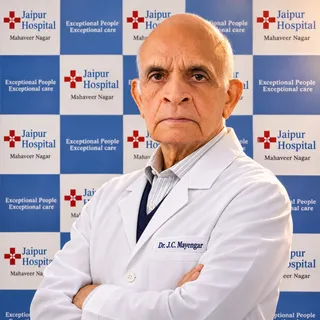

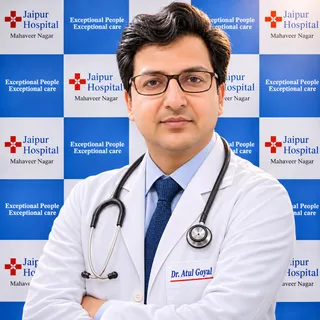

Frequently asked questions
Questions patients ask about bone and joint tb treatment
What is bone TB management?
In short
Bone TB management at Jaipur Hospital combines a standard four-drug anti-tubercular regimen for 12 to 18 months with surgery only when needed for cord compression, abscess drainage, or spinal instability. The orthopaedic and neurosurgical teams plan care together after confirming the diagnosis.
In detail
The mainstay is daily medication: isoniazid, rifampicin, pyrazinamide, and ethambutol in the initial phase, then two drugs continued for the remainder of the course. Evidence shows that early, complete drug treatment leads to healing in the vast majority of patients.
Surgery such as spinal decompression, debridement, or fusion is reserved for neurological deficit, large abscesses, or deformity that threatens stability. The hospital's modular operation theatres and intensive care unit support these procedures when they are required.
A common belief
Many people think every case needs an operation.
What actually happens
In fact, most patients heal with medicines alone when treatment starts early and is taken without a break.
Your next step at Jaipur Hospital
Treatment starts after biopsy or culture confirms the infection. You will attend follow-up every two to three months for blood tests and imaging to track response. The typical hospital stay for surgery is three to seven nights.
Which specialist should I see for bone TB?
In short
You should see an orthopaedic surgeon who manages bone and joint infections, or a neurosurgeon if the spine is involved with nerve symptoms. At Jaipur Hospital, the orthopaedics and neurosurgery departments work together with the pulmonology team to plan anti-tubercular therapy and any needed surgery. A physiotherapist will also be involved for rehabilitation during and after treatment.
In detail
Bone TB is a multisystem disease. The orthopaedic surgeon handles joint debridement, spinal decompression and fusion when there is instability or deformity. The neurosurgeon addresses spinal cord compression and neurological deficits.
The pulmonologist or infectious disease physician guides the 12 to 18 month drug regimen, monitors for side effects, and manages drug-resistant cases. Studies show that one-third of spinal TB patients have TB elsewhere, so a coordinated team ensures all sites are treated.
The hospital's in-house laboratory and imaging support rapid diagnosis with X-ray, biopsy and blood tests, while CT or MRI scans are arranged at an outside imaging centre and reviewed by the team.
A common belief
Patients often see only a general physician or a single specialist.
What actually happens
Bone TB needs coordinated care because the infection affects bone, nerves and the whole body at once.
Your next step at Jaipur Hospital
Start with an orthopaedic consultation at Jaipur Hospital. The surgeon will examine you, order the necessary tests, and involve the neurosurgeon or pulmonologist as needed. Early referral to the right specialist prevents delay in starting the correct medicines.
What treatment options are available for my situation?
In short
The main treatment at Jaipur Hospital is a standard four-drug anti-tubercular regimen for 12 to 18 months. Surgery is added when there is spinal cord compression, large abscess, severe deformity, instability, or joint destruction that does not respond to drugs. Surgical options include spinal decompression, joint debridement (arthroscopic or open), and spinal fusion with instrumentation for stability.
In detail
Anti-tubercular therapy (ATT) uses isoniazid, rifampicin, pyrazinamide and ethambutol initially, then two drugs for the continuation phase. Evidence shows drugs alone heal the infection in about 95 percent of early cases without significant deformity.
Surgery is indicated for neurological deficit, progressive kyphosis, large abscesses causing pressure, or painful unstable joints. In spinal TB, nearly 60 percent of patients need operative decompression. Joint debridement and synovectomy remove infected tissue and improve drug penetration.
Spinal fusion with rods and screws corrects instability. The choice depends on the site, severity, neurological status and drug sensitivity. Drug-resistant TB requires a modified regimen and longer treatment, sometimes 18 to 24 months. The hospital's orthopaedic and neurosurgical teams decide the plan together with pulmonology input.
- Evidence shows drugs alone heal the infection in about 95 percent of early cases without significant deformity.
- In spinal TB, nearly 60 percent of patients need operative decompression.
A common belief
Many assume surgery replaces drugs.
What actually happens
It does not. Drugs kill the bacteria; surgery fixes the mechanical damage. Stopping drugs early after surgery causes relapse and drug resistance. Both must be completed.
Your next step at Jaipur Hospital
After diagnosis, the surgeon will explain whether your case needs drugs only or drugs plus surgery. If surgery is advised, expect a 3 to 7 night hospital stay under general anaesthesia. Functional recovery takes 6 to 12 months with physiotherapy.
What can I safely do at home to manage symptoms of bone and joint TB?
In short
At home, take every dose of anti-tubercular medicines on time, eat a protein-rich diet with vitamins and minerals, and follow the physiotherapy exercises prescribed by your team at Jaipur Hospital. Rest the affected area but avoid prolonged immobility.
In detail
Completing the full 12 to 18 month drug course is the single most important step to prevent relapse. Evidence shows stopping early lets surviving bacteria regrow and develop resistance.
Gentle guided physiotherapy helps joints regain strength and movement; for those on long bed rest, it starts with passive movements and progresses to walking. Pain and fever usually improve within 4 to 8 weeks of starting medicines.
Swelling and abscess reduce over 2 to 4 months. Walking and joint movement often improve within 3 to 6 months with consistent therapy. Avoid processed foods, excess sugar, alcohol, and deep-fried items as they may lower immunity and slow healing. Keep follow-up appointments every 2 to 3 months for blood tests and imaging to track progress.
A common belief
Some people stop medicines once pain goes away.
What actually happens
This is the main cause of relapse and drug resistance. Others rest completely, which weakens muscles and stiffens joints. The right balance is regular medication, nutrition, and gradual movement guided by your physiotherapist.
Your next step at Jaipur Hospital
Set a daily alarm for medicines. Prepare high-protein meals. Do the home exercises shown by the physiotherapist. Report any return of pain, fever, or swelling immediately.
Will a sample be needed before selecting antibiotics for bone and joint TB?
In short
Yes. At Jaipur Hospital, a tissue or fluid sample is usually taken to confirm the diagnosis and to test which anti-tubercular drugs the bacteria are sensitive to. This is done by biopsy of the affected bone or joint, or by aspirating pus from an abscess, before the full drug regimen is finalised.
In detail
The standard first-line regimen uses four drugs: isoniazid, rifampicin, pyrazinamide, and ethambutol. However, drug-resistant TB occurs in about eight to ten percent of cases.
A biopsy with culture and drug sensitivity testing, or a rapid molecular test such as GeneXpert, identifies resistance early so the regimen can be adjusted.
Synovial fluid aspirate is a reasonable first step for joint TB; synovial biopsy has a high diagnostic yield of about ninety-four percent. For spinal TB, CT-guided needle biopsy of the vertebra or aspiration of a paraspinal abscess is the recommended initial sampling method.
If imaging-guided sampling is not possible or is non-diagnostic, a surgical biopsy is done. The sample also helps rule out other infections or tumours that can mimic bone TB.
A common belief
Some people start medicines without a confirmed sample.
What actually happens
That risks treating the wrong infection or missing drug-resistant TB, which needs a different regimen from the start.
Your next step at Jaipur Hospital
The surgeon will explain the sampling method suited to your site — image-guided needle biopsy, joint aspiration, or open biopsy. The procedure is usually done as a day-case or with a short stay. Results guide the final drug prescription.
How will bone TB treatment affect my walking, movement, or independence?
In short
Recovery of walking and movement depends on how early treatment starts and whether nerves or joints were damaged. At Jaipur Hospital, physiotherapy begins early to preserve function and progresses as healing allows.
In detail
Evidence shows pain and fever improve in 4 to 8 weeks. Walking and joint movement often improve within 3 to 6 months with guided physiotherapy.
If weakness or paralysis was present, partial or full recovery is possible when treatment starts early, taking 6 to 18 months. Late presentation with established deformity or fixed contractures may leave long-term limitation.
Spinal fusion or joint arthrodesis, if needed, stabilises the area but reduces some range of motion. Most patients who complete the full drug course regain independence for daily activities.
A common belief
Some expect instant return to normal.
What actually happens
Recovery is gradual over months. Late cases with fixed deformity or paralysis may have lasting limits despite successful infection control.
Your next step at Jaipur Hospital
You will follow a graded physiotherapy programme: bed exercises, then assisted walking, then strengthening. A brace or walking aid may be used temporarily. Regular reviews adjust the plan.
Which symptoms or changes should prompt me to seek medical advice?
In short
Persistent back or joint pain, swelling without injury, stiffness, low-grade fever, night sweats, weight loss, or weakness and numbness in the limbs should prompt a visit to Jaipur Hospital. These features can appear slowly and may not include the usual lung symptoms of tuberculosis.
In detail
Bone TB often presents with localised pain and gradual loss of movement in weight-bearing joints such as the hip or knee. Cold abscesses — soft swellings filled with pus — may form.
Spinal involvement can cause deformity or nerve pressure causing limb weakness or bladder and bowel changes. Fever and constitutional symptoms are less common unless the disease has spread elsewhere. The orthopaedic and neurosurgical teams evaluate these signs together.
A common belief
Patients often wait because the pain is mild or there is no cough.
What actually happens
Bone TB can be quiet in the early stages, and delay allows bone destruction or nerve compression to worsen.
Your next step at Jaipur Hospital
If you notice any of these changes lasting more than a few weeks, schedule an OPD appointment. The doctor will examine the affected area, order blood tests for inflammation, and advise imaging such as X-ray or MRI at an outside centre. Early assessment reduces the risk of long-term nerve damage or deformity.
What will the doctor ask and check at the first visit for bone TB?
In short
At Jaipur Hospital, the doctor will ask about the duration and pattern of your pain, any swelling or stiffness, fever, night sweats, weight loss, past TB exposure or treatment, and any conditions or medicines that weaken immunity. The examination includes checking the spine or affected joint for tenderness, deformity, range of movement, cold abscesses, and nerve function such as strength, sensation and reflexes in the limbs.
In detail
The history focuses on symptoms that develop slowly over weeks or months. The doctor will want to know if you have had pulmonary TB, close contact with a TB patient, diabetes, HIV, steroid use, or recent immunosuppression.
Physical examination looks for kyphosis or gibbus deformity in the spine, joint swelling without marked heat, sinus tracts, and neurological signs like leg weakness or bladder disturbance. Blood tests such as ESR, CRP, complete blood count, and liver function are usually ordered at this visit.
Imaging with X-ray is done in-house; CT or MRI is arranged at an outside centre if the X-ray suggests bone destruction, abscess or cord compression. A biopsy may be planned to confirm the diagnosis before starting medicines.
A common belief
Patients often expect a quick prescription.
What actually happens
Bone TB needs a careful history, targeted examination, and confirmatory tests before the long drug course starts.
Your next step at Jaipur Hospital
Bring any old X-rays, medical records, and a list of current medicines to the first appointment. The doctor will explain the likely next steps and the expected timeline.
Can bone TB improve without a procedure or operation?
In short
Yes, bone TB often improves with anti-tubercular medicines alone when the diagnosis is made early and there is no spinal cord compression, severe deformity, or large abscess. Studies show that at an early stage the infection heals in about 95 percent of patients without significant deformity, and neurological symptoms resolve without surgery in about 40 percent of cases. The full drug course of 12 to 18 months is essential.
In detail
Medicines penetrate bone slowly because of its poor blood supply, so treatment is longer than for lung TB. If the bacteria are drug-sensitive and the patient takes every dose, the infection comes under control and the bone heals gradually.
Surgery is reserved for mechanical problems: cord compression causing weakness, instability from vertebral collapse, kyphosis that will worsen, or a joint destroyed beyond preservation. In these situations medicines alone cannot reverse the structural damage. Stopping medicines early is the most common cause of relapse and drug resistance, which then requires even longer treatment.
A common belief
Many people believe surgery speeds up heal.
What actually happens
It does not; it only fixes bone and nerve problems that medicines cannot reverse. The drug course remains 12 to 18 months either way.
Your next step at Jaipur Hospital
The surgeon will assess your imaging and nerve function to decide if medicines alone are enough. Regular follow-up with blood tests and imaging tracks the response.
Are there foods, activities, or habits I should change during bone and joint TB treatment?
In short
Yes. At Jaipur Hospital, the team advises avoiding processed and junk foods, excess sugar, alcohol, and deep-fried or very fatty items, as these may lower immunity and slow bone healing. Stop smoking completely, because smoking impairs healing and raises complication risk. Limit heavy physical strain on the affected bone or joint, and follow the physiotherapist's guided exercise plan instead.
In detail
Nutritional optimisation is a standard part of pre-operative and ongoing care. A balanced diet rich in protein, vitamins, and minerals supports tissue repair and immune function. Alcohol can interfere with anti-tubercular drugs and liver function.
Smoking reduces blood supply to healing bone and increases the chance of surgical site infection if an operation is needed. Heavy lifting, prolonged standing, or high-impact activity on a weight-bearing joint can worsen deformity or delay union.
The physiotherapy team prescribes a gradual programme starting with gentle range-of-motion exercises and progressing to strengthening as the bone heals. Good nutrition, hygiene, and well-ventilated living spaces also help reduce the risk of re-infection or relapse.
A common belief
Many people think diet does not matter for TB.
What actually happens
In fact, poor nutrition weakens immunity and slows bone healing. Smoking is especially harmful because it cuts blood flow to the healing bone.
Your next step at Jaipur Hospital
Discuss your current diet, smoking status, and daily activities with the doctor at your next OPD visit. The team will give you a written diet chart and a physiotherapy schedule.
FAQ library
Questions and answers about bone and joint tb treatment
When you contact us
Get a clear plan and cost estimate
Contact Jaipur Hospital for an OPD consultation with an orthopaedic surgeon, scan review, treatment options, cost estimate and insurance help.
- A consultation with an orthopaedic surgeon in the OPD
- Your scans and reports reviewed, with tests done in-house if you need them (laboratory, X-ray and imaging)
- Your options explained in plain words, including whether you need surgery at all
- A cost estimate before you decide
- Help with cashless treatment under MAA Yojana, various government health care schemes and empanelled insurers and TPAs
- Follow-up visits after your treatment
Overview
Bone and Joint TB Treatment: what to know
What bone and joint TB is and how it happens
- Extra-pulmonary TB
- TB outside the lungs
- How it spreads
- Bacteria travel through blood
- Common spinal form
- Called Pott's disease
- Not usually communicable
- Does not spread person to person
Bone and joint tuberculosis is a form of extra-pulmonary tuberculosis, meaning TB that affects a part of the body outside the lungs. The same bacteria that cause lung TB, Mycobacterium tuberculosis, travel through the bloodstream from the lungs or lymph nodes and settle in bone tissue.
TB primarily affects the lungs, but in some cases it can spread to other parts of the body. When TB spreads, it is referred to as extrapulmonary tuberculosis (EPTB). One form of EPTB is bone and joint tuberculosis. A common form of spinal bone TB is known as Pott's disease.
Bone TB occurs when you contract tuberculosis and it spreads outside of the lungs. Tuberculosis is normally spread from person to person through the air. After you contract tuberculosis, it can travel through the blood from the lungs or lymph nodes into the bones, spine, or joints.
Bone TB typically begins due to the rich vascular supply in the middle of the long bones and the vertebrae. Sometimes the disease can be dormant in the lungs and spread without the patient knowing they have any form of tuberculosis at all.
Bone TB may be caused by TB bacteria travelling from another region of the body to the bones or joints. Bone TB is not usually communicable.
Symptoms of bone and joint TB and warning signs that need urgent care the same day
- Weakness or numbness in limbs Spinal cord under pressure
- Loss of bladder or bowel control Nerve compression
- Return of symptoms after treatment Back pain, fever, joint swelling
Bone TB symptoms are more localised and develop gradually unlike pulmonary TB. Persistent back pain or pain in affected joints is a symptom of bone TB. Limited range of movement in joints is a symptom of bone TB. Cold abscesses, which are soft swellings filled with pus, are a symptom of bone TB.
Fatigue, low-grade fever, and weight loss are symptoms of bone TB. Night sweats that persist over several weeks are a symptom of bone TB. Swelling around a joint without any obvious injury or trauma is a symptom of bone TB.
Most patients present with slowly progressive back pain. Fever and constitutional symptoms are not common unless there is concurrent extraspinal or disseminated disease. Joint TB is usually a mono-arthritis affecting large, weight-bearing joints such as the hip or knee. Symptoms can include swelling, pain and loss of function.
Focal signs typically associated with septic arthritis, such as local erythema and warmth, are often missing. Bone TB rarely causes general symptoms affecting the whole body. Bone-related symptoms may occur due to damage and inflammation in the affected bones or joints. Bone tuberculosis symptoms may develop gradually and can vary depending on the affected bone or joint.
Warning signs that need urgent care the same day include muscle weakness or numbness in the limbs if the spinal cord is under pressure. Advanced cases may present with spinal deformity or difficulty walking. If the destroyed bone or pus from an abscess presses against the spinal cord, it can cause neurological problems.
These include weakness in the legs, loss of bladder or bowel control, and in the worst cases, complete paralysis. Any return of symptoms like back pain, fever, or joint swelling after treatment should be reported to the doctor immediately.
Causes of bone and joint TB and who is at higher risk
- Incomplete TB treatment
- Allows bacteria to keep growing
- Close contact with lung TB
- Most common way infection starts
- Reactivation of old lung TB
- Undetected TB becomes active later
The bacteria destroy the vertebral bodies, which are the bony blocks that make up the spine. When these collapse, the spine can curve forward abnormally, a condition called kyphosis or gibbus deformity.
In people who do not get treatment, or who have a very weak immune system from conditions like HIV or uncontrolled diabetes, the infection can spread to other organs and become life-threatening.
People with diabetes, HIV/AIDS, or other long-term illnesses are more likely to have a weak immune system. Not finishing or delaying TB treatment can allow the bacteria to keep growing and spreading. Close contact with a person who has active pulmonary TB is the most common way the initial infection starts.
A history of untreated or undetected lung TB that reactivates later in life is a cause of bone TB. Use of medicines that suppress the immune system, such as steroids or chemotherapy drugs, increases the risk of bone TB. Bone tuberculosis is more of a risk in developing nations or for people living with AIDS.
Osteo-articular tuberculosis has shown a resurgence in recent times due to the advent of immune compromised patients and a geriatric shift in the population profile.
It is important to assess the patient for other manifestations of TB disease, as studies have demonstrated that one-third of patients with spinal TB had evidence of TB elsewhere. The diagnosis of TB disease was made in one-quarter of patients by obtaining nonspinal specimens.
Increased risk of failure or relapse has been associated with extensive disease at the outset of treatment, evidence of sclerotic bony disease on imaging, and ESR or CRP elevation at end of treatment.
Bone TB can be avoided by lowering the risk of TB infection through early detection and treatment of active TB, avoiding close contact with untreated TB patients, and keeping a strong immune system. Good nutrition, good hygiene, and well-ventilated living areas may help reduce the risk of TB.
How bone and joint TB is diagnosed: examination and tests
- X-ray and MRI
- Show bone damage and abscesses
- CT scan
- Clear pictures of spine involvement
- Bone biopsy with TB culture
- Confirms the diagnosis
- IGRA blood test
- More specific than Mantoux test
Bone TB is hard to diagnose because it is not painful in the early stages, and the patient may not be exhibiting any symptoms. When bone TB is finally diagnosed, signs and symptoms are usually very advanced. The diagnosis of spinal TB usually is not made until several months after the beginning of symptoms. Diagnostic delays are frequent due to its rarity in the foot and lack of awareness.
The doctor will ask about symptoms such as:
- Prolonged bone or joint pain
- Swelling
- Stiffness
- Fever
- Weight loss
- Any previous TB exposure
X-rays and MRIs can show bone damage, deformity, or abscess formation. CT scans provide clear pictures of spine involvement. Biopsy: A tissue sample can confirm the presence of Mycobacterium tuberculosis. Blood tests and TB culture detect current infection. The Mantoux test (Tuberculin skin test) shows exposure to TB bacteria.
IGRA test (QuantiFERON-TB Gold): A blood test more specific than the Mantoux test. It detects TB infection more accurately in people who have had the BCG vaccine. ESR and CRP blood tests: These show levels of inflammation in the body and are used to track response to treatment over time.
The bone TB test name most used to confirm the diagnosis is the bone biopsy with TB culture and sensitivity.
Radiographic findings include loss of vertebral body height and scalloping of vertebral bodies by paraspinous fluid collections. CT and magnetic resonance imaging (MRI) imaging are more sensitive for detection of vertebral and soft-tissue abnormalities associated with spinal TB. Findings include anterior vertebral involvement of thoracic or lumbar vertebrae adjacent to the endplate with evidence of marrow oedema with minimal sclerosis.
Discitis of intervening disks with preservation of the disk until late in disease. Large paraspinal abscesses (calcification being suggestive of TB). MRI is the modality of choice for assessing spinal cord involvement or damage. Radiologic findings suggestive of joint TB include synovial thickening and joint effusion. MRI changes suggestive of joint TB include moderate but uniform thickening of the synovium.
Typical synovial fluid findings are that of an elevated white blood cell count (WBC) (10,000 to 20,000 WBC per ml with neutrophil predominance), decreased glucose (less than 2.2 mmol per L) and elevated protein (greater than 25 g per L).
All diagnostic modalities like CT and MRI should supplement routine X-rays when there is clinical suspicion and elevated ESR, in patients with unusual foot pain. CT-guided needle biopsy of vertebrae and/or aspiration of paraspinal fluid collections have the highest diagnostic yield, outside of surgery, and are the recommended initial diagnostic sampling method.
Synovial fluid aspirate is a reasonable first step in obtaining a diagnosis of joint TB. Synovial biopsy with sampling for NAAT, mycobacterial smear and culture, as well as histopathology, has high diagnostic yield (94%) and should be obtained if joint TB is still a diagnostic consideration and synovial fluid mycobacteriology assessment is negative.
Treatment options without surgery for bone and joint TB, and when surgery is advised
- about 40% of cases Neurological recovery without surgery
- nearly 60% of patients Need operative decompression
Bone tuberculosis treatment primarily focuses on eliminating the TB bacteria, reducing pain and inflammation, and avoiding long-term damage to bones and joints. The doctor might recommend antitubercular drugs as a treatment approach. The standard drug regimen for bone TB uses four medicines in the first phase: Isoniazid, Rifampicin, Pyrazinamide, and Ethambutol.
After the initial phase, two drugs are usually continued for the rest of the treatment period. Multi drug anti-tubercular chemotherapy heal most of the cases in early stage, with near complete resolution of disease.
If diagnosis is made at predestructive stage and the patient is treated by standard drugs, the infection would heal in about 95% patients without significant deformities and complications. Diagnosis and treatment at early stages would resolve the neurology without operation in about 40% of cases. Nearly 60% of patients would require to be operatively decompressed without jeopardising mechanical stability.
In some cases, surgery may be necessary if bone TB causes an abscess, pressure on the spinal cord, or severe deformity. The most common procedures include draining a large abscess, removing infected bone tissue (debridement), and stabilising the spine with rods or screws when there is instability.
Routine surgery for bone and joint TB is not required to achieve heal, but should be considered to treat complications of vertebral TB (neurologic compromise) and joint disease (pain and immobility).
Operative intervention in the foot is only indicated for non-responsive cases, uncertain diagnosis, for preventing joint involvement when a juxta-articular focus threatens to invade a joint, or for a painful joint with an unacceptable deformity after resolution of the disease. In the healed phase indications for surgery are primarily for pain relief, deformity correction or joint reconstruction.
Debridement, biopsy, synovectomy, or arthrodesis are common surgical adjuncts along with chemotherapy, and have specific indications. Surgical intervention helps to confirm definitive and early diagnosis, to achieve healing while maintaining function of the joint, preventing mid foot or hindfoot deformity in progressive disease, and for fusing joints when residual pain or deformity interfere with function or locomotion.
Preparing for Bone and Joint TB Surgery
Do
- Bring all reports and medicine strips
- Have an attendant stay with you
If your surgeon recommends an operation for bone or joint tuberculosis, the first step is a detailed assessment in the orthopaedic OPD. Your surgeon will review your imaging, blood reports and the anti-tubercular medicines you are already taking. You will be asked about any allergies, current medications — especially blood thinners or steroids — and past surgeries.
Routine pre-operative tests usually include:
- Complete blood count
- Liver and kidney function tests
- Coagulation profile
- Chest X-ray
- ECG
If you have diabetes or hypertension, your physician will help optimise control before the procedure. The anaesthesia team will see you to plan general anaesthesia. You must not eat or drink for at least six hours before the scheduled time.
Bring all your reports, your current medicine strips, a list of questions, and an attendant who can stay with you during the hospital stay. The admission desk will verify your MAA Yojana, various government health care schemes or private insurance details and explain the estimated costs.
How Bone and Joint TB Surgery Is Done
- Spinal decompression Removes bone or pus pressing on the cord
- Joint debridement Clears infected tissue from knee or hip
- Spinal fusion Uses rods, screws and bone graft
- Samples sent for culture and GeneXpert Checks for drug resistance
Surgery for bone and joint tuberculosis is performed when there is spinal cord compression, a large abscess, severe deformity or instability that medicines alone cannot correct. The exact procedure depends on the site and the problem. Spinal decompression removes bone or pus pressing on the spinal cord.
Joint debridement — done either arthroscopically or through an open incision — clears infected tissue and debris from a joint such as the knee or hip. Spinal fusion uses rods, screws and bone graft to stabilise the spine when there is kyphosis or instability. Your surgeon will explain which technique suits your condition and why.
On the day of surgery you are taken to the modular operation theatre under general anaesthesia. The surgical team follows strict infection-control steps: incisions are planned to include any sinus tracts, infected tissue is thoroughly excised, and samples are sent for culture, histology and GeneXpert testing for drug resistance. Soft tissue cover is secured before closure.
A drain may be left in place. The operation usually lasts two to four hours. After surgery you are monitored in the recovery area and then shifted to the ward or ICU as needed.
Risks and Possible Complications of Bone and Joint TB Treatment
Every operation carries risks. In spinal surgery, surgical site infection is reported in 0.1% to 6.7% of cases in published series. There is a small chance of bleeding, injury to nearby nerves or the spinal cord, dural tear, or implant loosening. Anaesthesia-related complications such as allergic reactions or breathing difficulties are rare but possible.
Medical treatment with the standard four-drug regimen can cause liver irritation, nausea, skin rash, joint pains or visual changes; your doctor monitors blood tests every few weeks to detect these early. If treatment is stopped before the full course, surviving bacteria may cause relapse and can develop drug resistance, making a second course more difficult.
Other reasons for relapse include:
- Re-exposure to an active TB patient
- A severely weakened immune system
- Poor nutrition during recovery
In untreated or late-presenting cases, the infection can destroy vertebral bodies, leading to kyphosis or gibbus deformity, and pressure on the spinal cord may cause weakness, loss of bladder or bowel control, or paralysis. Cartilage erosion, deformity and draining sinuses have been associated with late presentation. Multifocal disease occurs in 15% to 20% of cases, often in immune-suppressed individuals. Your surgical and medical team will discuss the risks that apply to your situation.
Recovery and Aftercare After Bone and Joint TB Surgery
After surgery the typical hospital stay is three to seven nights. Pain is managed with regular medication. A drain, if placed, is usually removed within 48 hours. You will be encouraged to sit up and walk with assistance as soon as your surgeon allows. Physiotherapy starts with gentle movement exercises and progresses to walking and strengthening as the bone heals.
Before discharge you receive a schedule for your anti-tubercular medicines — usually a four-drug intensive phase followed by two drugs for the remainder of 12 to 18 months total — and dates for follow-up blood tests (liver function, ESR, CRP) and imaging.
At home, take every dose at the same time each day; missing doses increases the risk of relapse and drug resistance. Eat a protein-rich diet with vitamins and minerals, avoid processed foods, excess sugar, alcohol and deep-fried items, and keep the wound clean and dry. Attend all OPD reviews, typically every two to three months.
Contact the hospital immediately if you develop:
- Fever
- Increasing wound redness or discharge
- New or worsening weakness
- Numbness
- Loss of bladder or bowel control
- A return of swelling or pain
Full functional recovery usually takes six to twelve months; in cases with neurological involvement it may take six to eighteen months. Imaging evidence of complete healing can take twelve to twenty-four months.
Results of Bone and Joint TB Treatment
In studies, when diagnosis is made at an early stage and standard drugs are taken correctly, the infection resolves without significant deformity in about 95% of patients. Early treatment resolves neurological symptoms without an operation in about 40% of cases; nearly 60% require operative decompression.
Despite current treatment, approximately 8% of patients with tuberculous paraplegia do not recover functional use of their limbs. Multi-drug anti-tubercular chemotherapy achieves near-complete resolution of disease in early stages. Relapse rates in drug-susceptible TB fall with longer treatment: 1.35% with six months, 0.86% with six to twelve months, and 0.51% with more than twelve months of therapy.
MRI evidence of activity may persist in 50% of spinal TB patients even after twelve months of treatment, so clinical and laboratory assessment guides the decision to stop medicines. Where weakness or paralysis was present, partial or full recovery is possible if treatment started early, typically over six to eighteen months.
The key factors for a full recovery are:
- Starting treatment early
- Taking every dose without missing any
- Completing the full course
- Good nutrition
- Adequate rest
- Attending all follow-up appointments
Cost and Insurance for Bone and Joint TB Treatment in Jaipur
The typical cost range for bone and joint TB treatment in India is ₹50,000 to ₹2,00,000. The final amount depends on whether surgery is needed, the type of procedure (decompression, debridement, fusion), the implants used, length of hospital stay, and any additional investigations or medicines for drug-resistant TB. Surgery for spinal tuberculosis in India typically ranges from ₹1,00,000 to ₹3,00,000.
Jaipur Hospital is empanelled under various government health care schemes and MAA Yojana, and works with a panel of private insurers and TPAs. The admission team will verify your coverage and explain what is included. The hospital has an in-house pharmacy, diagnostic laboratory and X-ray facility; CT, MRI and DEXA scans are done at external imaging centres and billed separately.
There are no packaged prices or written estimates issued by the hospital; the treating team gives you a verbal indication of the expected range based on your plan. For a detailed estimate, speak to the billing counter during your OPD visit or call 0141-2551500, 0141-2554139 or 7414 001 001.
