

Plastic Surgery · Jaipur Hospital
Gynaecomastia Surgery in Jaipur
When enlarged breast tissue affects your comfort in clothes, our surgical team offers clinical evaluation, clear guidance, and a surgical plan.
- Serving Jaipur since 1991 (35 years)
- NABH accredited
- 24×7 emergency & ICU
- Cashless: MAA Yojana + 32 insurers
- Operation time
- 1 to 2 hours
- Anaesthesia
- General or local with sedation
- Recovery
- Desk work in 3 to 5 days, gym in 3 to 4 weeks
- Price
- ₹60,000 to ₹1,50,000typical range in India; ask us for an estimate
Chest fullness that persists
Enlarged male breast tissue that causes discomfort
Enlarged male breast tissue can cause physical tenderness and self-consciousness. It often does not resolve with diet or exercise alone.
-
Firm tissue or swelling
A rubbery or firm mass extending under the nipple that alters the shape of the chest.
-
Physical discomfort
Heaviness, soreness, or discomfort when running, jumping, or wearing fitted shirts.
-
Uneven appearance
Enlargement on one or both sides of the chest that causes asymmetry or clothing fit issues.
Gynaecomastia is defined clinically as generalised enlargement of male breast tissue, with the presence of a rubbery or firm mass extending concentrically and symmetrically from the nipple.
Why Jaipur Hospital
You may feel embarrassed by chest enlargement, anxious about surgery scars, or worried about taking time off from your work.
Your care plan
Your first steps with us
- 1 Consult your surgeon in the OPD for an examination.
- 2 Review required blood tests and imaging at our in-house laboratory.
- 3 Undergo surgery in modular operation theatres as a daycare admission.
- 4 Recover at home with planned follow-up visits and guidance.
Surgical techniques for chest reduction
Your surgeon will assess your chest and discuss the surgical options that address fat, glandular tissue, or excess skin.
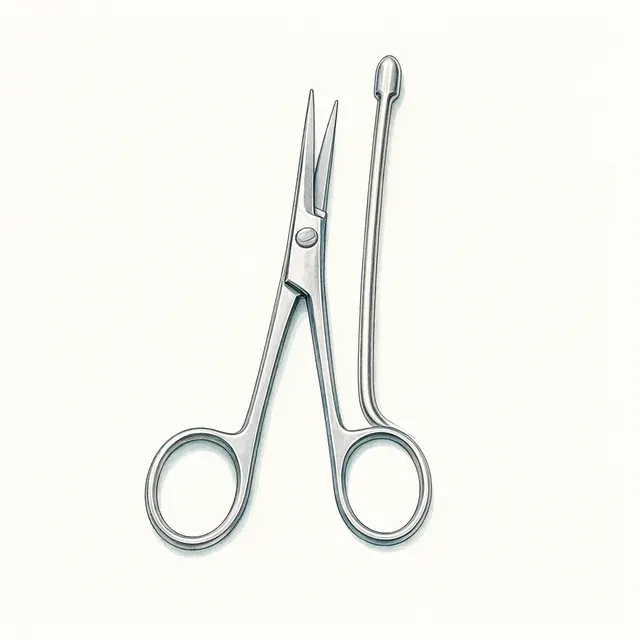 Liposuction toolsSmall incisions for fat removal
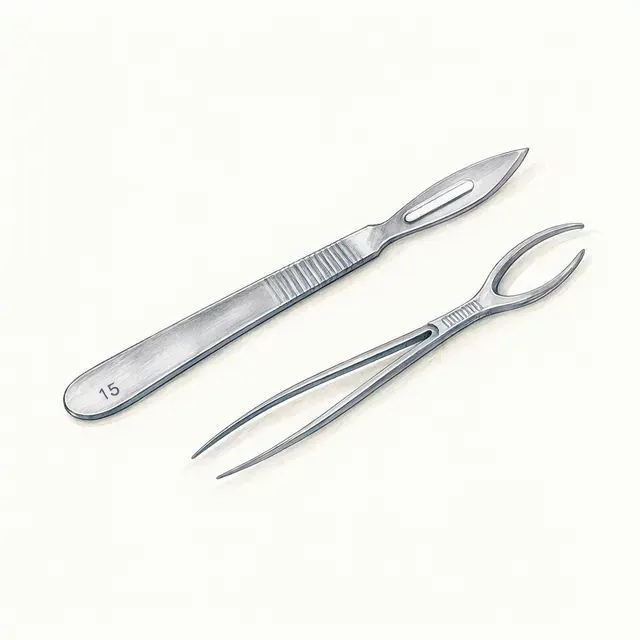 Excision toolsPrecise removal of glandular tissue
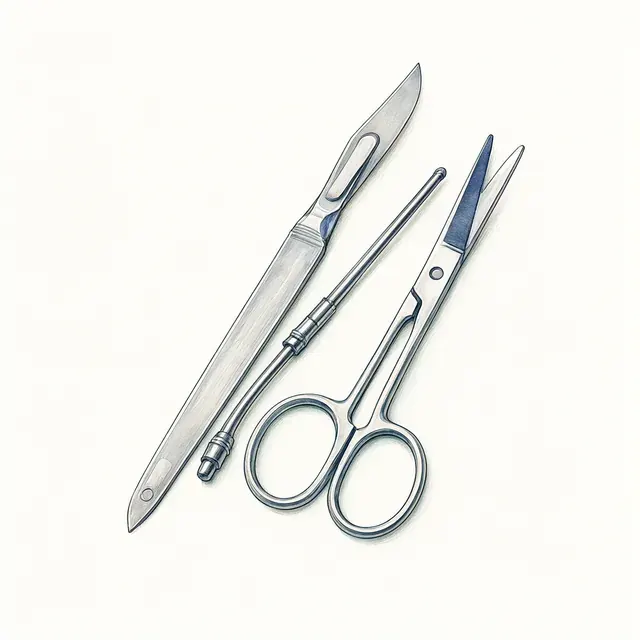 Combined approachFat and gland tissue removed together
-
Liposuction only
An option your surgeon will discuss for fatty pseudogynaecomastia, removing fat through small incisions with minimal scars.
-
Gland excision (periareolar)
An option your surgeon will discuss for direct surgical removal of firm glandular tissue under the nipple.
-
Combined liposuction and excision
An option your surgeon will discuss to address both fatty tissue and firm glandular tissue together.
-
Skin excision patterns
An option your surgeon will discuss when severe excess skin requires surgical tightening and reshaping.
Why patients trust us
- 1991 Serving Jaipur for 35 years
- NABH Accredited hospital
- 1 Plastic Surgery consultants
- 24×7 Emergency, ICU and ambulance
- 33 Cashless schemes and insurers
Clinical research on gynaecomastia and surgery
-
32-65%
The reported prevalence of gynaecomastia in males across different age groups and lifestyles.
-
1 to 2 weeks
Patients in studies typically wear an elasticated compression garment day and night during early recovery.
-
About 20,000
People undergo male breast reduction surgery every year according to clinical records.
If it is left untreated
Without treatment, long-standing gynaecomastia typically does not resolve on its own. In severe cases, the excess breast tissue causes breasts to sag and the areola to stretch, leading to persistent physical discomfort during movement and sustained self-consciousness.
What to expect following recovery
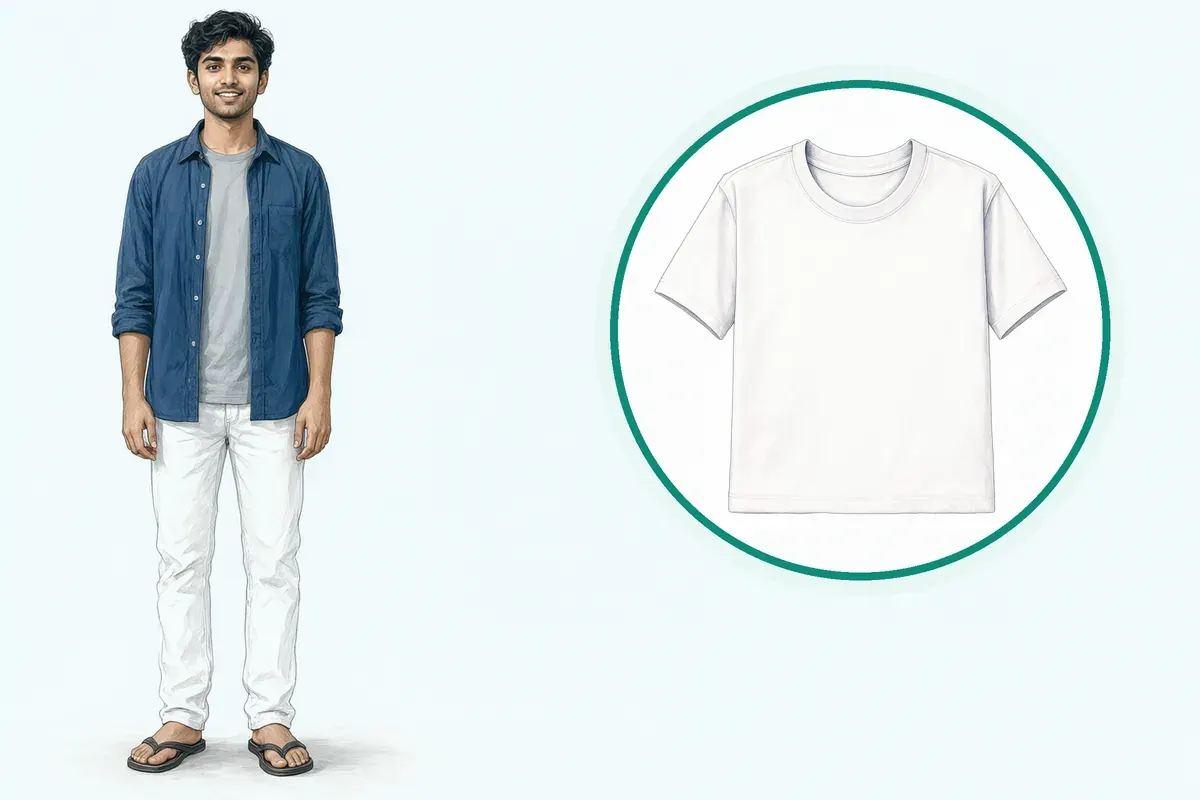
Most men experience a flatter chest profile and improved comfort once swelling subsides.
-
Easier clothing fit
Most people feel more comfortable wearing fitted shirts or buttoning clothing without pulling across the chest.
-
Physical activity comfort
Many individuals typically experience less physical discomfort or heaviness while running and exercising.
-
Fading surgical scars
Scars around the nipple or chest crease usually fade over several months with proper aftercare.
Meet the team
Your plastic surgery doctors
Explore our plastic surgery hospital in Jaipur: every treatment, the doctors and what to expect at your visit.
Frequently asked questions
Questions patients ask about gynaecomastia surgery
What does gynaecomastia surgery involve?
In short
Gynaecomastia surgery at Jaipur Hospital removes excess breast tissue and fat to create a flatter chest. The operation takes one to two hours under general or local anaesthesia with sedation. Most patients go home the same day. The typical price range in India is ₹60,000 to ₹1,50,000.
In detail
The surgeon may use liposuction alone for fatty tissue, gland excision through a cut around the areola for firm tissue, or a combination of both. For severe skin excess, skin excision patterns are used.
Studies show combined liposuction and excision gives consistent results with low complication rates. The technique depends on breast size, tissue type and skin quality. All methods leave scars that fade over months but never disappear completely.
A common belief
Many think it is only liposuction.
What actually happens
In reality, firm glandular tissue often needs direct excision through a small cut around the nipple. The surgeon chooses the method after examining your chest.
Your next step at Jaipur Hospital
You will wear a compression garment day and night for one to two weeks. Desk work usually resumes in three to five days. Gym and heavy lifting wait three to four weeks. Swelling settles over three to six months.
Which tests and scans do I need before gynaecomastia surgery?
In short
Before gynaecomastia surgery at Jaipur Hospital, you may need a complete blood count, liver and kidney function tests, and hormone levels such as testosterone, oestradiol, prolactin and thyroid hormones. An ultrasound or mammogram may be advised if a lump feels unusual. The surgeon decides based on your history and examination.
In detail
Blood tests check for anaemia, liver disease, kidney disease and hormonal causes like hypogonadism or hyperprolactinaemia. Imaging helps rule out male breast cancer, which is rare but more common in Klinefelter syndrome.
Routine pre-anaesthesia checks such as ECG and chest X-ray are done for general anaesthesia. The exact panel depends on your age, medicines and clinical findings.
A common belief
Not every man needs every test.
What actually happens
A young, healthy man with classic glandular tissue may need only basic pre-anaesthesia checks. Older men or those on multiple medicines need a broader panel.
Your next step at Jaipur Hospital
Arrange the tests a week before surgery so results are ready. Fast as instructed for blood work. Bring all reports to the pre-operative visit.
How painful is gynaecomastia surgery and the early recovery?
In short
At Jaipur Hospital, you will be asleep under general anaesthesia or comfortable with local anaesthesia and sedation during gynaecomastia surgery, so you feel no pain during the operation. After surgery, you can expect soreness, tenderness, and a tight feeling across the chest for the first few days. Your surgeon will prescribe pain relief medication to keep you comfortable.
In detail
Evidence indicates that most patients describe the early recovery as sore rather than sharply painful. The discomfort and tenderness usually improve within a week. A supportive compression garment helps reduce swelling and the sensation of tightness.
You will have bandages and possibly small drainage tubes for a short period. Following the prescribed medication schedule and activity restrictions makes the first week much more manageable.
A common belief
Some patients expect severe pain, but most find it manageable with medication and a compression garment.
What actually happens
The key is staying ahead of the discomfort rather than waiting for it to build.
Your next step at Jaipur Hospital
Take pain medication exactly as directed, especially in the first 48 hours. Wear the compression garment day and night as advised. Avoid lifting, reaching overhead, or strenuous movement for about three weeks. Most people return to desk work in three to five days. If pain suddenly worsens or you develop fever, contact the hospital.
How long does recovery usually take after gynaecomastia surgery?
In short
At Jaipur Hospital, recovery after gynaecomastia surgery is usually a daycare stay. You can return to desk work in three to five days. Light daily activities resume within the first week. Strenuous exercise, heavy lifting, and gym workouts are typically cleared after three to four weeks. Full healing and final contour settle over three to six months as swelling resolves.
In detail
Evidence shows most patients feel very sore for the first few days, with discomfort improving within a week. A compression garment is worn day and night for one to two weeks. Stitches dissolve or are removed by two weeks.
You should avoid stretching, heavy lifting, and reaching overhead for about three weeks. Driving is allowed once seatbelt pressure is no longer painful, often several weeks after surgery. Final results take time because tissues heal and swelling subsides gradually.
A common belief
Many people feel fine at two weeks and think they can resume everything, but deep healing takes longer.
What actually happens
Pushing too early can cause swelling or contour issues.
Your next step at Jaipur Hospital
Follow your surgeon's specific timeline for garment wear, wound care, and activity progression. Attend all follow-up appointments so healing can be monitored. Do not rush back to heavy activity even if you feel well.
Are my expectations realistic for my anatomy and health with gynaecomastia surgery?
In short
Whether your expectations are realistic for gynaecomastia surgery depends on your breast grade, skin elasticity, tissue type and overall health. At Jaipur Hospital, the surgical team assesses these factors during a detailed consultation. They explain what the operation can achieve for your specific anatomy, including the likely scar pattern and contour improvement.
In detail
Evidence shows gynaecomastia surgery removes excess glandular tissue and fat, and can reposition the nipple if needed. Results vary by grade: fatty pseudogynecomastia often responds well to liposuction alone, while glandular or mixed types usually need combined excision and liposuction.
Severe skin excess (Grade III/IV) may require skin excision patterns that leave longer scars. The procedure improves chest contour and can reduce discomfort, but it does not create a perfectly sculpted physique or correct unrelated body-image concerns. Your surgeon will discuss the typical outcome for patients with similar anatomy so you can set realistic goals together.
A common belief
Many patients expect a perfectly flat, scar-free chest.
What actually happens
In reality, the result depends on your starting grade. Severe skin excess may need longer scars, and the surgery improves contour but does not create a gym-sculpted look on its own.
Your next step at Jaipur Hospital
Bring photos of your desired look and a list of questions to the consultation. The surgeon will examine you, measure the breast tissue, and screen for male breast cancer. They will then outline the technique options, expected scars, recovery timeline and any limitations.
How will appearance, function, and realistic expectations be discussed for gynaecomastia surgery?
In short
At Jaipur Hospital, the consultation for gynaecomastia surgery covers appearance, function and realistic expectations in a structured way. The surgeon examines your chest, measures the breast tissue, assesses skin elasticity and grades the condition. They then explain which technique — liposuction, gland excision, combined, or skin excision — matches your anatomy and what contour change you can expect.
In detail
Evidence shows patients choose this procedure to improve self-confidence, enhance appearance in clothing or without a shirt, and reduce discomfort from excess tissue during activities like running. The surgeon will discuss these functional benefits alongside the aesthetic outcome.
They will outline the expected scar pattern, the recovery timeline (desk work in three to five days, gym in three to four weeks), and the fact that final results take three to six months as swelling resolves.
They will also explain that revision surgery is sometimes needed for contour refinement or scar revision. The discussion is a two-way conversation so you can set realistic goals together.
A common belief
Some consultations focus only on the surgical steps.
What actually happens
A proper discussion also covers what the surgery cannot do — it does not create a gym-sculpted chest, and final results take months. The surgeon will be honest about limitations and the possibility of revision.
Your next step at Jaipur Hospital
Bring a list of your priorities — whether it is a flatter chest, less pain during exercise, or a specific look in a t-shirt. The surgeon will address each point and note any limitations.
Why might my doctor recommend gynaecomastia surgery?
In short
A doctor may recommend gynaecomastia surgery at Jaipur Hospital when enlarged breast tissue causes physical discomfort, pain during activity, or significant distress. Surgery is considered when the condition has not resolved with time or medical treatment and the breast enlargement is due to glandular tissue rather than weight alone.
In detail
Evidence shows surgery improves self-image, confidence and comfort in clothing. It can reduce pain from excess tissue during running or jumping. The procedure is elective and cosmetic. It is not usually offered for pseudogynecomastia caused only by obesity.
Your surgeon will assess whether the enlargement is true glandular tissue and whether you have realistic expectations about scars and outcome.
A common belief
It is not for simple weight-related chest fat.
What actually happens
Losing weight helps pseudogynecomastia but does not remove true glandular tissue. Surgery treats the gland, not the fat alone.
Your next step at Jaipur Hospital
If you have persistent enlargement, discomfort or distress, the next step is a clinical examination. The surgeon will review your medical history, medications and hormone levels if needed.
How should I prepare in the days before gynaecomastia surgery?
In short
In the days before gynaecomastia surgery at Jaipur Hospital, stop smoking as tobacco slows healing. Avoid blood-thinning medicines such as aspirin or ibuprofen after discussing with your surgeon. Arrange for an attendant to drive you home and stay with you the first night. Wear loose, front-button clothing on the day.
In detail
The surgeon will review your medicines and tell you which to pause. You may need to start antibiotics or antiseptic wash. Prepare a recovery area at home with pillows to sleep slightly upright. Fill any prescribed pain relief and antibiotic prescriptions in advance. The hospital will confirm the admission time and fasting instructions.
A common belief
Many forget to stop supplements like fish oil or vitamin E that also thin blood.
What actually happens
The surgeon will give a full list. Do not shave the chest; the team will prepare the skin safely.
Your next step at Jaipur Hospital
Complete any pending blood tests or imaging. Confirm your attendant's availability. Do not shave the chest area yourself.
What are the common side effects and the less common serious complications of gynaecomastia surgery?
In short
At Jaipur Hospital, common side effects after gynaecomastia surgery include swelling, bruising, temporary numbness, and soreness around the chest. Scars form around the areola and may extend vertically or along the breast crease if more skin is removed. These scars fade over months but never disappear completely. Less common serious complications include haematoma, infection, wound healing problems, and changes in nipple sensation.
In detail
Evidence shows that most men have a scar around the nipple. Larger reductions can leave an anchor-shaped scar. Haematoma usually appears within the first 24 hours. Infection, thick or obvious scarring, uneven contour, and loss of nipple sensation are known risks.
Any operation also carries a small risk of excessive bleeding, allergic reaction to anaesthesia, or a deep vein blood clot. Your surgeon takes steps to minimise each risk, such as careful haemostasis, sterile technique, and early mobilisation.
A common belief
Many people focus only on the scar, but early haematoma or infection can change the outcome if not treated quickly.
What actually happens
Knowing the warning signs lets you act fast.
Your next step at Jaipur Hospital
Watch for increasing pain, spreading redness, fever, or a sudden swollen, tense chest, which may signal haematoma or infection. Seek immediate help for shortness of breath, chest pain, or palpitations. Attend all follow-up visits so the team can check healing and scar maturation.
Which symptoms are expected after gynaecomastia surgery, and which need urgent medical attention?
In short
At Jaipur Hospital, expected symptoms after gynaecomastia surgery include soreness, swelling, bruising, numbness around the chest and nipples, and a tight feeling from the compression garment. These improve steadily over the first week or two. Urgent symptoms are sudden severe pain, a rapidly swelling tense chest, spreading redness, fever, shortness of breath, chest pain, or palpitations. These may indicate haematoma, infection, or a clot and need immediate care.
In detail
Evidence shows haematoma usually appears within the first 24 hours as a painful, swollen chest. Infection presents with increasing redness, warmth, and fever. Wound healing problems may show as gaping or discharge. Numbness often lasts weeks to months but usually recovers.
Shortness of breath, chest pain, or palpitations can signal a pulmonary embolism or cardiac issue related to anaesthesia. Knowing the difference between normal healing and warning signs helps you act quickly.
A common belief
Some patients wait too long with a haematoma or infection because they think swelling is normal.
What actually happens
A tense, painful chest that appears quickly is not normal swelling — it needs same-day evaluation.
Your next step at Jaipur Hospital
Keep the hospital's contact numbers handy. If any urgent symptom appears, go to the emergency department or call an ambulance without delay. For expected symptoms, take prescribed medication, wear the garment, and rest. Attend scheduled reviews so the team can confirm normal progress.
FAQ library
Questions and answers about gynaecomastia surgery
When you contact us
Consult our surgical team in Jaipur
Contact Jaipur Hospital to schedule your OPD assessment and discuss your surgical options with a plastic surgeon.
- A consultation with a plastic surgeon in the OPD
- Your scans and reports reviewed, with tests done in-house if you need them (laboratory, X-ray and imaging)
- Your options explained in plain words, including whether you need surgery at all
- A cost estimate before you decide
- Help with cashless treatment under MAA Yojana and empanelled insurers and TPAs
- Follow-up visits after your treatment
Overview
Gynaecomastia Surgery: what to know
What is gynaecomastia and how does it develop
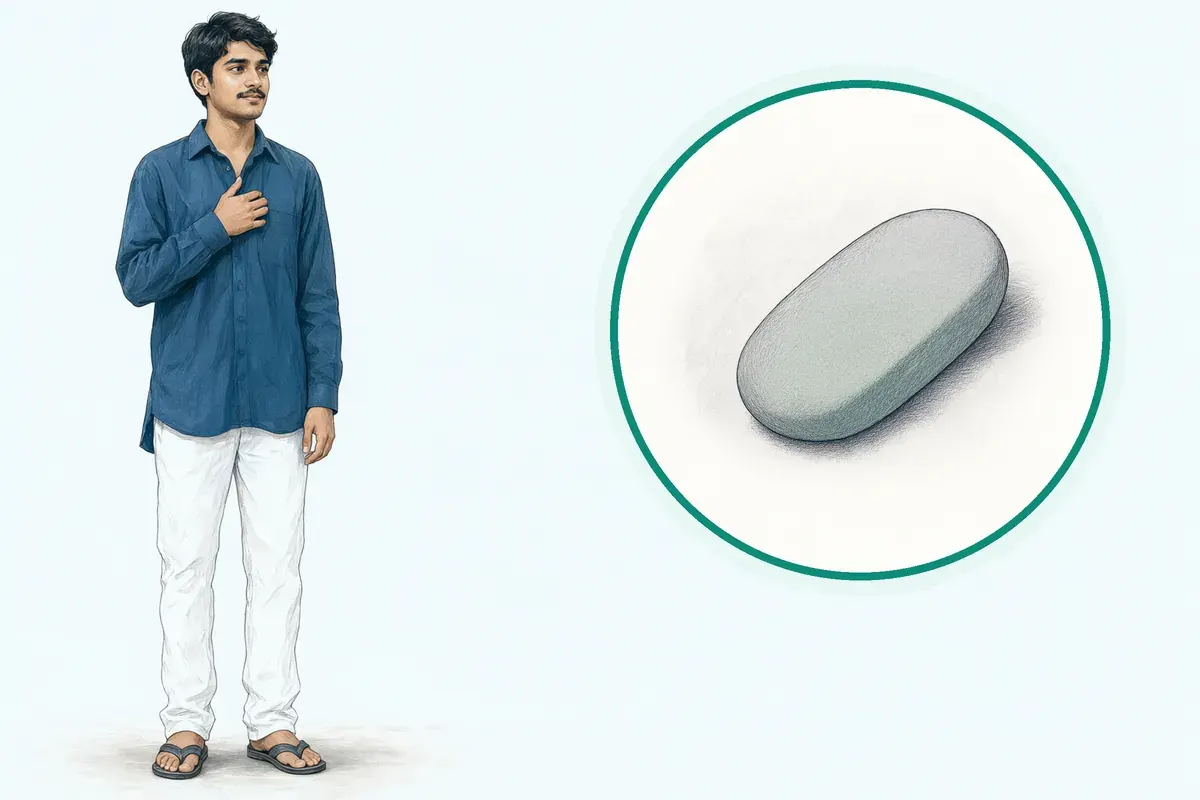
Gynaecomastia is the medical term for enlarged breast tissue in men. Clinically, it is defined as a generalised enlargement of male breast tissue, with a rubbery or firm mass that spreads outward from the nipple in an even, circular pattern. It is a common condition of the male breast. In global studies, gynaecomastia affects more than half of all men. Depending on the assessment methods and age groups studied, its reported prevalence ranges between 32% and 65%.
Inside the body, the condition happens when there is an imbalance between oestrogen and androgen action, or a higher ratio of oestrogen to androgen. Oestrogen works as a growth hormone for breast tissue. When active oestrogen levels rise, it causes ductal lining cells to multiply, ducts to branch and lengthen, and surrounding connective tissue and small blood vessels to expand. This leads to the growth of glandular tissue beneath the nipple.
Sometimes, breast enlargement is not caused by glandular tissue at all. In pseudogynaecomastia, the enlargement comes purely from fat accumulation without any growth of breast glands. This pattern is most commonly seen in men who are obese. In true gynaecomastia, firm gland tissue is present, which may also be surrounded by excess fat. Gynaecomastia surgery is a procedure that removes this excess breast tissue to treat the condition.
Symptoms of gynaecomastia and warning signs that need urgent medical care
- Skin changes over breast Any change in breast skin
- Nipple fluid discharge Fluid leaking from nipple
- Sudden breathlessness after surgery Shortness of breath, chest pain, palpitations
The main sign of gynaecomastia is an enlarged breast with a firm or rubbery mass felt directly behind the nipple. For many men, this breast enlargement causes no pain at all. However, the physical weight and bulk of excess breast tissue can lead to tenderness, discomfort, or aching.
In studies, this discomfort is often noticed during vigorous physical activities that involve running or jumping. In severe cases, the weight of the breast tissue causes the breast to sag downwards and stretches the pigmented skin around the nipple, known as the areola.
Researchers identify several physical features when evaluating gynaecomastia, including:
- Overall breast size
- Redundant skin
- Drooping or ptosis
- Which type of tissue predominates
Other observed features include chest shape, breast skin tightness, nipple position, and chest wall contours. While the physical change itself is benign, it frequently causes emotional distress, self-consciousness, and reduced confidence, particularly when wearing fitted shirts or undressing.
There are also important warning signs that require urgent medical attention. If you notice a firm lump that causes no pain on only one side, changes in the skin over the breast, or fluid discharge from the nipple, your doctor will check your chest carefully to screen for male breast cancer.
In addition, if you have recently undergone a surgical procedure or anaesthesia and experience sudden shortness of breath, chest pain, or heart palpitations, seek immediate emergency medical care. These symptoms can be warning signs of serious complications from anaesthetic medications or deep vein blood clots.
Causes of gynaecomastia and who has higher risk
- Natural hormone shifts
- Three life peaks: infancy, puberty, older age
- Medical conditions
- Hypogonadism, liver disease, thyroid, diabetes
- Medicines and substances
- Spironolactone, cimetidine, steroids, alcohol
- Excess body fat
- Fat converts male hormones to oestrogen
Gynaecomastia can develop due to natural hormone shifts across life, excess body fat, certain medical conditions, or specific medicines. In population studies, gynaecomastia shows three distinct age peaks across a man's life. The first peak occurs during infancy, affecting 60% to 90% of newborn babies.
This happens because the placenta converts maternal hormones into oestrone and oestradiol, stimulating temporary breast tissue growth in the infant. The second peak happens during puberty, typically starting between ages 10 and 12, peaking at ages 13 to 14, and affecting 4% to 69% of boys as natural hormone balances shift.
The third peak occurs in older men between 50 and 80 years old, with a prevalence between 24% and 65%. As men age, body fat increases, and adipose tissue naturally converts male hormones into oestrogens through increased activity of an enzyme called cytochrome P19.
Several health conditions increase the likelihood of developing gynaecomastia. In primary hypogonadism, low testicular production of testosterone causes the pituitary gland to send compensatory signals, which leads to higher aromatisation of testosterone into oestradiol.
In Klinefelter's syndrome, gynaecomastia occurs in about 80% of cases; studies note this is the only cause of the condition that also carries an increased risk of breast cancer. Gynaecomastia is also observed in 10% to 40% of men with Graves' disease, and in roughly 50% of men on haemodialysis due to impaired Leydig cell function.
In liver disease or cirrhosis, the liver clears adrenal hormones more slowly, and peripheral conversion to active oestrogen rises. Malnourishment lowers testosterone production while normal oestrogen precursors continue from the adrenal glands. When nutrition is restored, hormone secretion rises in a pattern mimicking puberty. High physical stress can also stimulate the adrenal glands to secrete extra oestrogen precursors.
In men with long-standing type 1 diabetes mellitus, hard breast swelling may develop as a condition termed diabetic mastopathy. Other medical causes include elevated prolactin levels, tumours that secrete oestrogen or human chorionic gonadotrophin (hCG), true hermaphroditism, Kennedy's syndrome, and aromatase excess syndrome.
Specific substances and medications also raise your risk. Spironolactone, a water tablet, is one of the medicines most frequently linked with gynaecomastia because it lowers testosterone production and increases the conversion of testosterone to oestradiol. The stomach acid medicine cimetidine slows down the breakdown of oestradiol, allowing active hormone levels to rise.
Other medicines and products that act like oestrogens include:
- Oral contraceptives
- Diethylstilbestrol
- Digitalis
- Plant oestrogens
- Oestrogen-containing cosmetics
Regular alcohol use can disrupt the hormone communication pathways between the brain and testes, lowering testosterone levels. In addition, bodybuilders who take anabolic steroids to build muscle mass can trigger breast tissue enlargement.
How gynaecomastia is diagnosed: clinical examination and tests
- Physical examination Measure tissue, check for cancer signs
- Medical history review Medicines, supplements, lifestyle
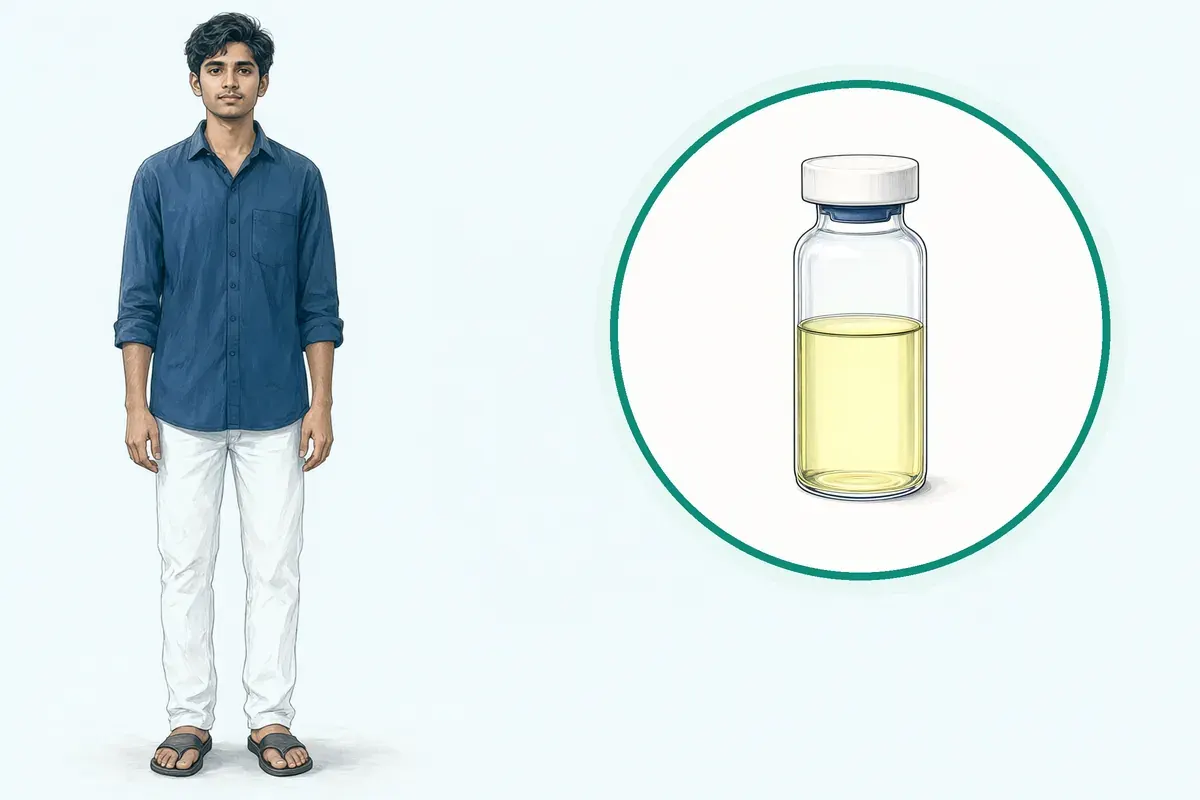
- Blood tests if needed CBC and hormone levels
- Surgical assessment Photos, classification, plan technique
When you attend the OPD at Jaipur Hospital, your doctor evaluates your chest to confirm whether the swelling is true glandular gynaecomastia or pseudogynaecomastia caused by fat. Your surgeon will examine you in person, measure the size and extent of your breast tissue, and check for any unusual firmness.
As part of this physical check, your doctor will screen you for male breast cancer by examining the tissue and nearby lymph nodes.
Your provider will also review your complete medical history, lifestyle, and any prescription tablets, gym supplements, or over-the-counter products you use. In some cases, your provider may recommend blood investigations, such as a complete blood count (CBC) or hormone tests, to evaluate your overall health and identify the underlying cause of the breast enlargement.
If you are being assessed for surgery, your doctor will discuss your expectations and medical background. During an OPD consultation, your doctor may also take medical photographs of your chest to record measurements and plan the surgical approach.
Medical classification systems are used by surgical teams to assess the shape and volume of the breast. In published clinical reviews, eleven different classification systems have been analysed.
These systems evaluate up to ten distinct physical features, most commonly:
- Breast size
- The degree of sagging or ptosis
- Excess skin
- Whether the enlargement is mostly firm gland or soft fat
This detailed evaluation allows our surgical team to decide whether medical management, lifestyle changes, or surgical correction is the appropriate path for you.
Non-surgical treatment options and when surgery is advised
Not all men with gynaecomastia require an operation. For newborn boys, breast swelling normally clears on its own within two to three weeks of birth. For teenage boys, pubertal gynaecomastia usually resolves spontaneously within 18 months and is uncommon after the age of 17.
In published medical research, pubertal gynaecomastia may also be safely managed without surgery using pharmacological anti-oestrogen medical therapy. If breast enlargement is caused solely by excess weight without glandular tissue growth, surgery is not suitable, and weight loss is the primary approach. If a specific medicine is triggering the tissue growth, your doctor may evaluate alternative medical options.
Surgical correction is recommended when gynaecomastia is long-standing, when the enlarged tissue does not go away on its own, or when it does not respond to medical therapy. Surgery may also be advised when breast enlargement causes persistent physical aching, pain during exercise, or substantial emotional distress.
Breast reduction surgery can also be used to tighten the chest area after significant weight loss that has left the breast skin sagging.
When surgery is indicated, the operation aims to remove excess breast tissue, reduce breast volume, and flatten the chest contour. Available surgical techniques include:
- Liposuction only: For fatty pseudogynaecomastia, minimal scars
- Gland excision (periareolar): Direct removal of firm glandular tissue
- Combined liposuction and excision: Most common, addresses both fat and gland
- Skin excision patterns: For severe skin excess (Grade III/IV)
Traditional surgical removal of glandular tissue combined with liposuction provides consistent results and a low complication rate in clinical studies. Your surgeon will examine your chest and advise which specific surgical technique suits your anatomy and goals.
Preparing for gynaecomastia surgery
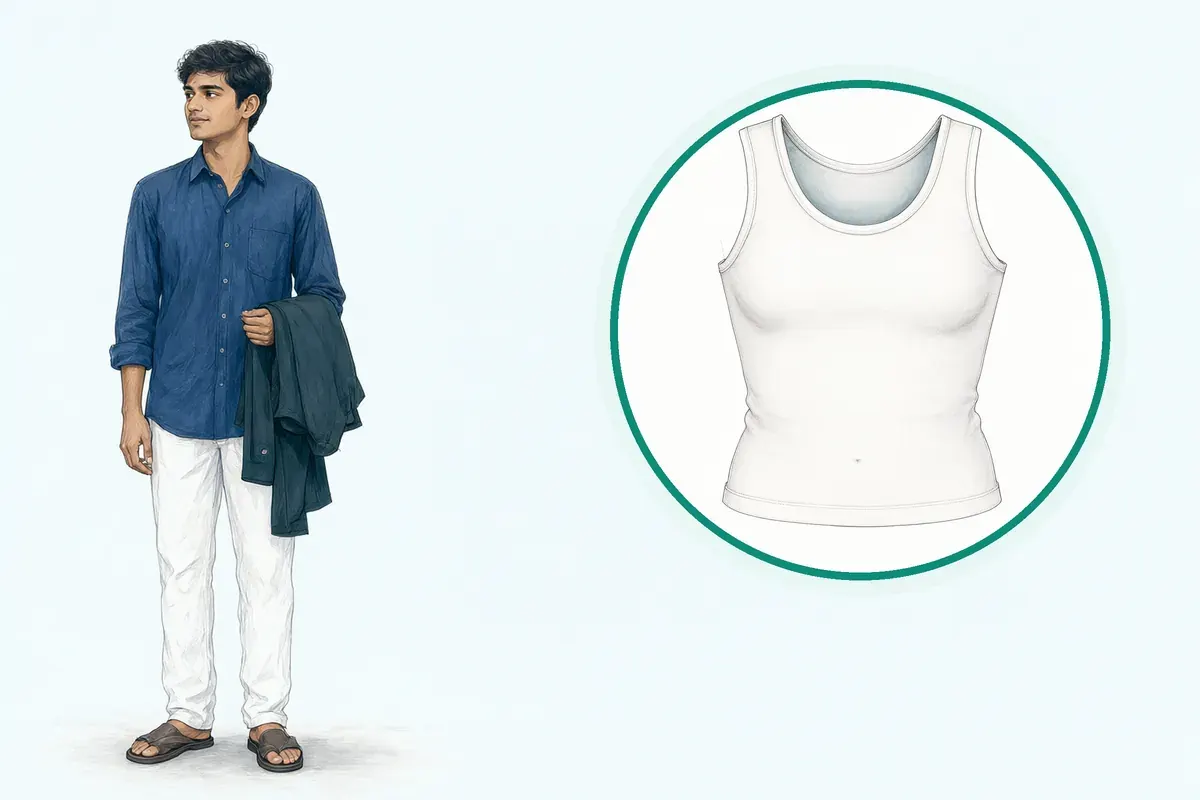
Do
- Tell doctor all medicines and supplements
- Stop blood thinners if advised
- Discuss quitting tobacco
- Follow fasting instructions
- Wear loose clothing on surgery day
- Bring an adult attendant
Before planning gynaecomastia surgery at Jaipur Hospital, you will have an evaluation with our surgical team. Your surgeon will discuss your medical history, personal goals, and treatment options with you. Having an open and honest discussion helps set realistic expectations together.
Your surgeon will examine your chest, measure your breast tissue, and screen you for male breast cancer. They may recommend a complete blood count (CBC) or other tests to check your overall health and find what caused the tissue growth. In some clinics, photographs of your chest may be taken for records.
Tell your doctor about all medicines, supplements, or tonics you take. You may need to stop taking certain medicines, such as blood thinners, prior to the operation. If you use tobacco, discuss quitting before the procedure, as tobacco use can slow down your healing.
The day before your operation, our surgical team will tell you when to stop eating and drinking. On the day of your procedure, wear loose-fitting clothing when you arrive at the hospital. Bring an adult attendant with you, because you will need someone to drive you home after your discharge.
How gynaecomastia surgery is done
- Anaesthesia given General or local with sedation
- Drains may be placed Thin tubes to remove fluid
- Dressings applied Bandages over chest before waking
Gynaecomastia surgery removes excess breast tissue and fat to contour the chest. At Jaipur Hospital, the procedure is usually completed in 1 to 2 hours, and patients typically go home on the same day as daycare.
Before the procedure starts, anaesthesia is given so you remain comfortable. In many cases, general anaesthesia is administered through a vein in your arm, meaning you will be asleep throughout the procedure and will not feel pain during surgery. In other cases, local anaesthesia with sedation is typically used.
Several surgical techniques exist to manage gynaecomastia:
- Liposuction only: This approach is suited for fatty pseudogynaecomastia where there is fat deposition without glandular proliferation. The surgeon makes several small cuts and inserts a suction hose to draw out the excess fat. It leaves minimal scars.
- Gland excision: This direct surgical excision involves making a cut around the edge of the nipple (periareolar incision) to remove firm, rubbery glandular breast tissue directly with a scalpel.
- Combined liposuction and excision: This is the most common approach. It removes both fatty tissue using suction and glandular tissue through an incision.
- Skin excision patterns: When there is severe skin excess or significant breast sagging, the surgeon uses larger incisions to remove excess skin, fat, and tissue. The surgeon can also reposition the nipple and areola to a higher position.
Your surgeon will examine your breast size, skin elasticity, and tissue type to advise which technique suits you. During the operation, thin tubes may be placed under your skin to drain fluids. Dressings and bandages will be applied over your chest before you wake up.
Risks and possible complications of gynaecomastia surgery
- General surgical risks
- Bleeding, infection, anaesthetic reaction, blood clot
- Scars
- Around nipple; anchor-shaped if skin removed
- Other complications
- Thick scars, healing issues, numbness, asymmetry, lumps
- Haematoma
- Bleeding inside breast, usually within 24 hours
Any surgical operation carries general risks. General surgical risks include excessive bleeding, wound infection, an allergic reaction to the anaesthetic, or a blood clot forming in the deep veins.
All male breast reduction procedures leave scars. Most men have a scar around their nipples. If a large breast reduction with skin removal is required, it may result in a vertical scar and a horizontal scar along the chest crease, forming an anchor-shaped mark. Scars fade over several months, but they do not disappear entirely.
Other known complications can occasionally happen after surgery. These include thick or obvious scarring, wound healing problems, loss of sensation in the nipple, unevenly shaped breasts or nipples, and developing lumps, bruising, or swelling. Bleeding inside the breast tissue, known as a haematoma, can happen, and in studies this usually occurs within the first 24 hours after the operation.
In studies, combining traditional surgical excision of glandular tissue with liposuction showed a low rate of complications. However, in some cases, a patient may need another surgery to correct an issue or to achieve the desired appearance.
Recovery and aftercare following gynaecomastia surgery
- Day of surgery
- First week
- 3 to 5 days
- 3 weeks
- 6 weeks
Because gynaecomastia surgery is usually a daycare procedure, you will typically be discharged on the same day once you have recovered from the anaesthesia. You must arrange for an attendant to escort you home safely.
In the first few days, you can expect your chest to feel sore, swollen, and bruised. Discomfort and tenderness generally ease within a week or so. Our surgical team will provide medicines to relieve pain, help reduce swelling, and lower the risk of infection. You can buy these at our in-house pharmacy or your local chemist.
If thin drainage tubes were placed under your skin, they will collect fluid in small bulbs at the end. Your surgeon will remove these tubes during a follow-up OPD visit when drainage stops.
You will need to wear an elasticated compression garment around your chest day and night for 1 to 2 weeks after the operation. This garment supports your healing tissues and helps minimise swelling. Bandages and wound dressings must be kept clean according to our surgical team's instructions. Your stitches will either dissolve on their own or be removed after 1 to 2 weeks.
Desk work can typically be resumed in 3 to 5 days, though some people choose to take up to two weeks off work depending on comfort. Avoid stretching, reaching arms above your head, and lifting heavy objects for about 3 weeks.
Light gym exercises and workouts are typically resumed in 3 to 4 weeks, but full return to strenuous activity takes about 6 weeks. Driving can be restarted once wearing a seatbelt causes no pain.
Seek immediate emergency medical help if you develop shortness of breath, chest pain, or heart palpitations, as these can be signs of anaesthetic or medical complications. You should also contact the hospital promptly if you notice rapid swelling, severe bleeding, or signs of wound infection.
Results of gynaecomastia surgery
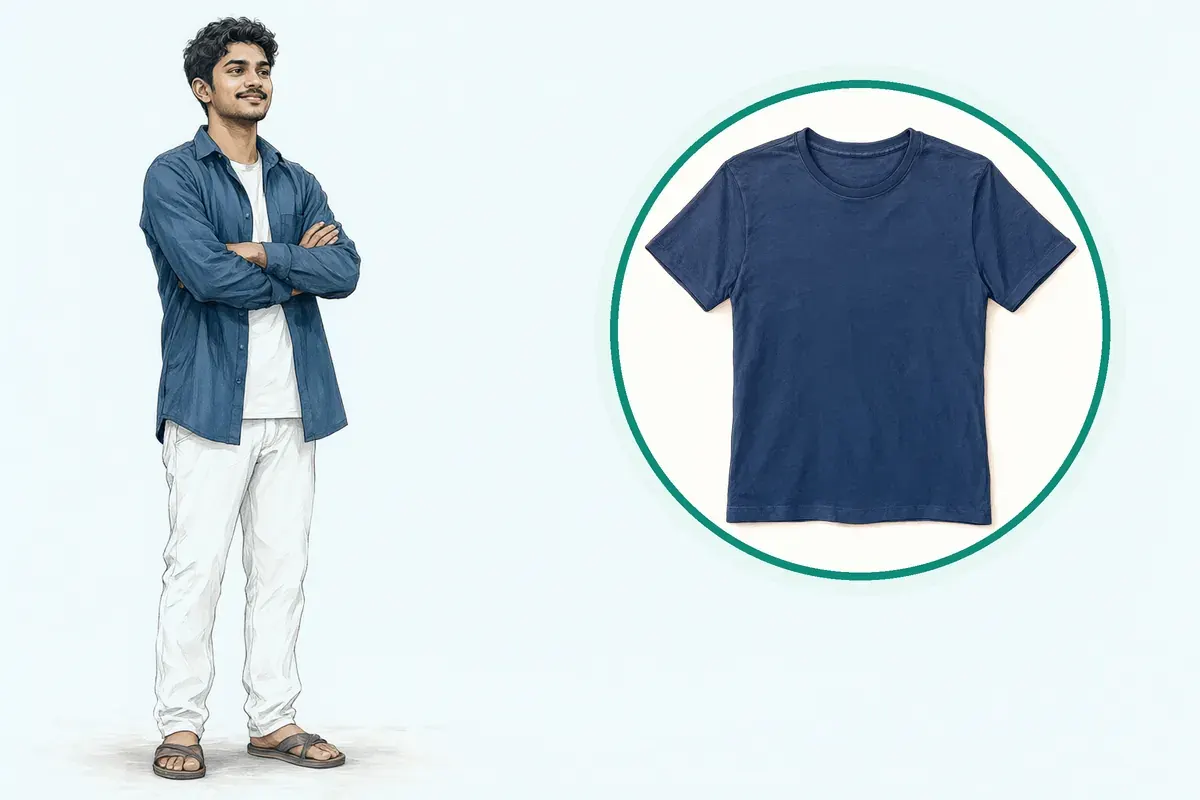
Male breast reduction surgery is an effective treatment for enlarged male breast tissue. Surgical correction removes the excess glandular tissue and fat that do not respond to diet, weight loss, or medical therapy.
Initial changes in the chest shape are visible shortly after surgery, but swelling and internal healing take time. In studies, patients often see their settled chest contours about three to six months following the procedure.
Many patients report marked improvements in everyday comfort and self-confidence after surgery. Reducing breast bulk helps men feel more satisfied when wearing clothes, such as buttoning shirts without front gaps, or wearing t-shirts and swimsuits. It also relieves physical soreness or dragging discomfort, making activities like running and jumping far more comfortable.
In studies, traditional surgical excision combined with liposuction provides the most consistent surgical results. Even so, some individuals may need a second procedure if breast tissue or contour irregularities persist.
Cost and insurance in Jaipur
At Jaipur Hospital, the price of gynaecomastia surgery typically ranges from ₹60,000 to ₹1,50,000. This is the typical cost range in India. You may ask our surgical team for an individual estimate during your OPD consultation.
The final cost depends on several factors. These include whether your procedure requires liposuction alone, direct glandular excision, skin tightening, or a combined approach. The type of anaesthesia selected and the specific grade of tissue enlargement will also influence the overall theatre and surgical charges.
Gynaecomastia surgery is often considered an elective cosmetic procedure, which means routine health insurance coverage may not apply in every situation. However, coverage can vary depending on documented medical necessity, chronic pain, or underlying gland pathology.
Jaipur Hospital is empanelled with major government health schemes and MAA Yojana. We also work with a panel of private insurers and Third Party Administrators (TPAs). Please share your policy details or scheme card with our staff to verify your eligibility and understand your hospitalisation benefits.
