

Paediatric Urology in Jaipur
Urinary and genital conditions in children require a gentle, specialised approach that considers their growth and development. At Jaipur Hospital, our paediatric urology team diagnoses and treats urinary tract and reproductive system disorders in infants, children, and adolescents, including congenital abnormalities present from birth.
What is Paediatric Urology?
Paediatric urology focuses on the diagnosis and treatment of urinary tract and reproductive system conditions in children, including congenital abnormalities that may be identified before birth or during early childhood, as well as acquired conditions such as infections or bedwetting.
Conditions We Treat
- Congenital urinary tract abnormalities (hydronephrosis, vesicoureteral reflux)
- Undescended testis
- Hypospadias and other genital abnormalities
- Recurrent urinary tract infections in children
- Bedwetting (nocturnal enuresis) and voiding dysfunction
Our Approach to Paediatric Urology Care
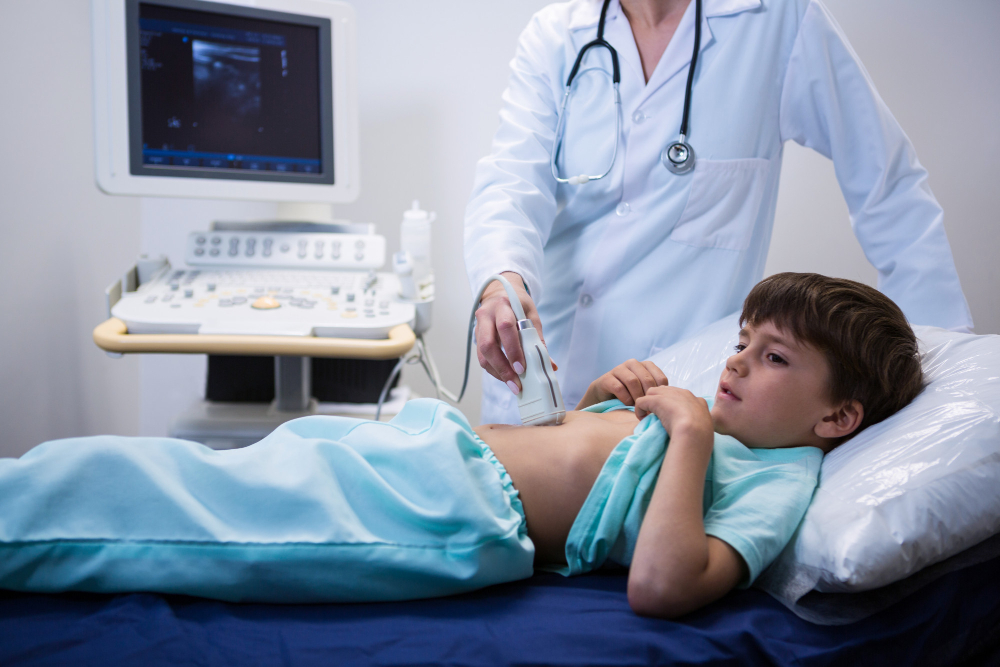
We understand that treating children requires patience, clear communication with parents, and a child-friendly approach. Evaluation typically includes a detailed history, physical examination, and, where required, ultrasound or other imaging to assess the urinary tract. Treatment plans are designed to be as minimally invasive as possible, considering the child’s age and the nature of the condition.
Managing Congenital Abnormalities
Many paediatric urology conditions, such as undescended testis or hydronephrosis, are identified early through routine check-ups or antenatal scans. Our team monitors these conditions closely and recommends timely correction, often through minimally invasive surgery, to support normal growth and function as the child develops.
Recovery and Follow-Up Care
Recovery after paediatric urological procedures is generally quick, with most children returning to normal activity within a short period. Our team provides ongoing follow-up to monitor growth and development and ensure the condition has been fully resolved.
Why Choose Jaipur Hospital for Paediatric Urology
Our paediatric urology team combines clinical expertise with a compassionate, child-centred approach, working closely with parents at every step. At Jaipur Hospital, We use minimally invasive techniques wherever suitable to reduce discomfort and support faster recovery for our young patients.
Need Emergency Assistance?
Have Any Query Regarding our Services, Contact us at the Jaipur Hospital or fix an appointment.
Get in Touch
- Gopalpura Flyover, Mahaveer Nagar, Main Tonk Road, Jaipur – 302018
- +91-7414-001-001
- jaipur.hospital@gmail.com
Need Emergency Assistance?
Have Any Query Regarding our Services, Contact us at the Jaipur Hospital or fix an appointment.
Get in Touch
- Gopalpura Flyover, Mahaveer Nagar, Main Tonk Road, Jaipur – 302018
- +91-7414-001-001
- jaipur.hospital@gmail.com
Department FAQs — Paediatric Urology
1. At what age can urinary problems in children be evaluated?
Urinary and genital conditions can be evaluated at any age, from infancy through adolescence. Many congenital conditions are identified soon after birth or during routine paediatric check-ups.
2. Is surgery always needed for undescended testis?
Not always immediately, but if the testis does not descend on its own within the first year, surgical correction is generally recommended to support normal development and reduce future risks.
3. What causes recurrent UTIs in children?
Recurrent UTIs in children can be linked to structural abnormalities such as vesicoureteral reflux, incomplete bladder emptying, or hygiene-related factors, and require evaluation to identify the exact cause.
4. Is bedwetting in children a medical concern?
Occasional bedwetting is common in young children, but persistent or new-onset bedwetting, especially after age five to six, should be evaluated to rule out an underlying urological or medical cause.
5. Are paediatric urology surgeries safe?
Yes. Paediatric urological procedures are performed with techniques and precautions specifically suited to children, and most conditions can be corrected safely with good long-term outcomes.