

Techniques in depth · Fibroids and Uterine Conditions
Choosing the right fibroid treatment for you
The choice depends on whether you want children, how quickly you need to recover, and how much risk of recurrence you accept. Your doctor will help you match the option to your life stage.
Treatment at the hospital: Fibroids and Uterine Conditions in Jaipur
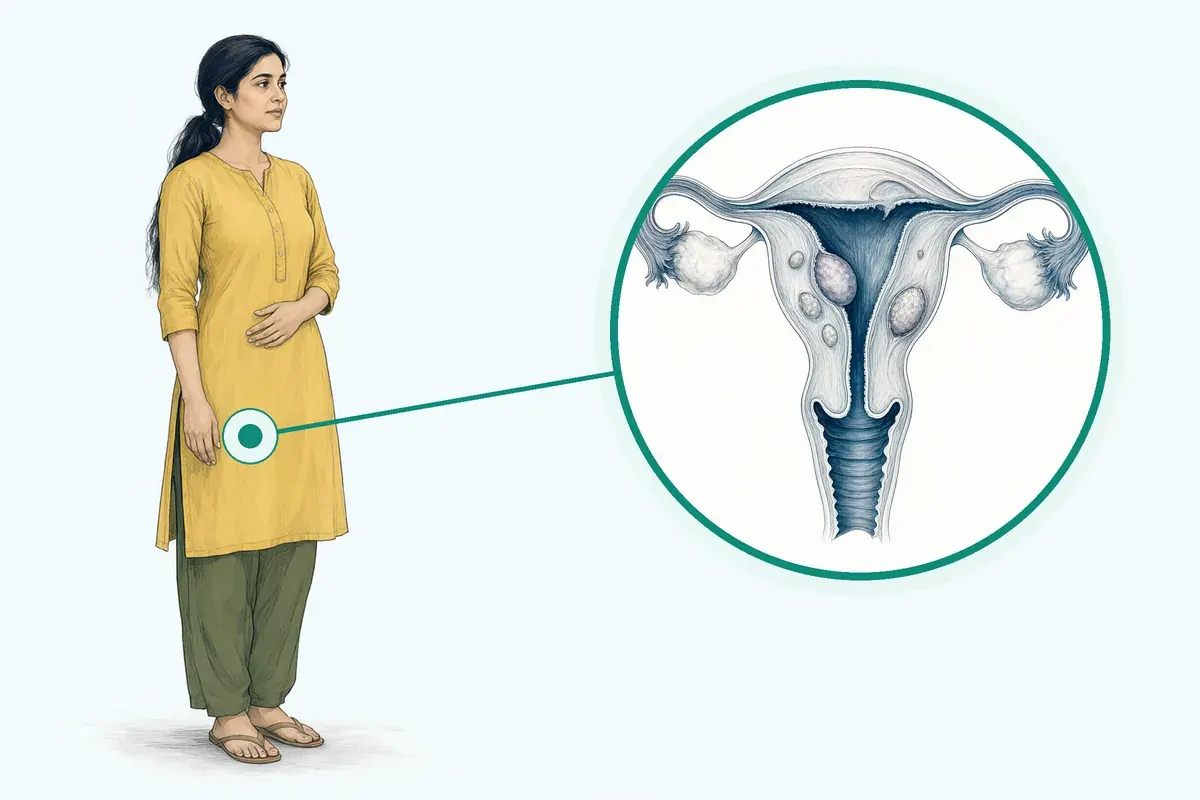
- 15 to 30 in 100 women Fibroid regrowth after myomectomy
- about three-quarters Hysterectomy share of fibroid surgeries
- 1 to 3 nights Typical hospital stay
- ₹50,000 to ₹2,00,000 Typical cost range in India
Quick comparison of the four main options
| Option | What it does | Key point |
|---|---|---|
| Medicines | Lower oestrogen to shrink fibroids | Effect is temporary; fibroids grow back after stopping |
| Embolisation | Blocks blood vessels feeding fibroids | Non-surgical; fibroids shrink over time |
| Hysterectomy | Removes uterus completely | Definitive; fibroids cannot return |
Four main paths exist for treating symptomatic fibroids: medicines, myomectomy, uterine artery embolisation, and hysterectomy. Medicines such as GnRH analogues lower oestrogen levels to shrink fibroids and control heavy bleeding, but the effect is temporary and fibroids usually grow back after stopping the drug.
Myomectomy is surgery to cut out fibroids while keeping the uterus; it can be done through an open cut, keyhole (laparoscopic), or through the vagina (hysteroscopic) depending on fibroid size and location. Embolisation is a non-surgical procedure where an interventional radiologist blocks the blood vessels feeding the fibroids, causing them to shrink over time.
Hysterectomy removes the uterus completely and is definitive — fibroids cannot return because the uterus is gone. The choice depends on your symptoms, fibroid size and position, whether you want future pregnancy, and your general health. Your doctor will discuss which options suit your situation.
If you want children later
If future pregnancy is important to you, both myomectomy and embolisation can preserve the uterus, but they differ in evidence. Myomectomy is considered suitable for women who wish to preserve fertility. Embolisation may also allow future pregnancy, though pregnancy is not certain after either procedure. Studies show no difference in markers of ovarian reserve between the two procedures.
However, some specialists prefer surgical removal if a woman plans to have more children. Fibroid size, number, and location affect which uterus-sparing option is technically possible. Hysterectomy ends any chance of pregnancy because the uterus is removed.
Medicines such as GnRH analogues are sometimes used before surgery to shrink fibroids, but they are not a long-term fertility-preserving treatment on their own. Talk to your doctor about your reproductive plans before deciding.
Recovery time: embolisation versus keyhole myomectomy
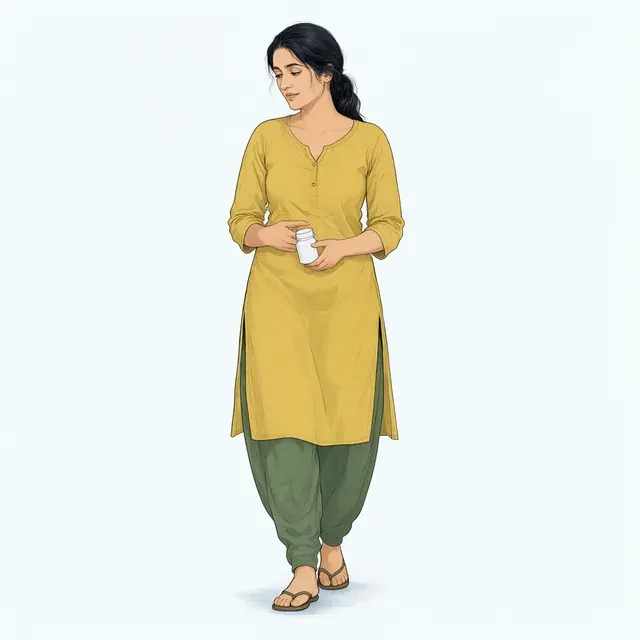 Keyhole myomectomySame-day discharge; home recovery two to four weeks
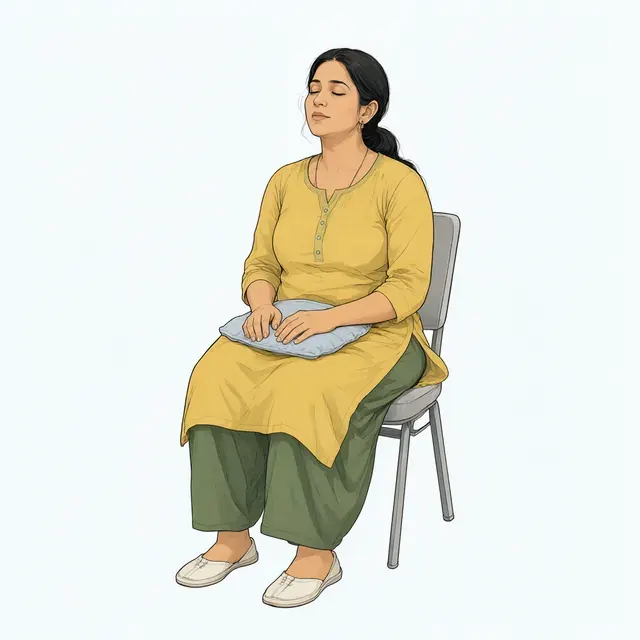 Open myomectomyLonger recovery up to six weeks
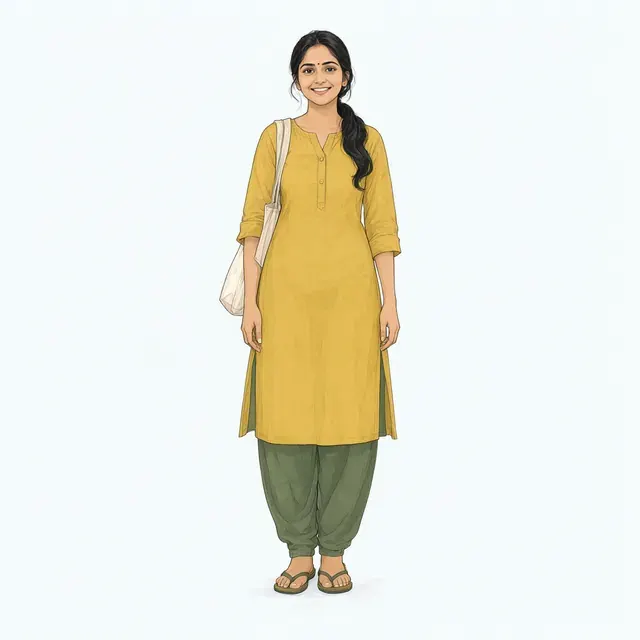 Hysteroscopic myomectomyRecovery of just a few days
- Keyhole myomectomy Same-day discharge; home recovery two to four weeks
- Open myomectomy Longer recovery up to six weeks
- Hysteroscopic myomectomy Recovery of just a few days
Embolisation is often done as an outpatient procedure, meaning you may go home the same day. The procedure itself takes a couple of hours. After embolisation, pain medication may be needed and can cause nausea; ibuprofen is often recommended as an alternative. A follow-up ultrasound at around four months shows fibroids have shrunk.
For laparoscopic (keyhole) myomectomy, you may also go home the same day, with recovery at home taking about two to four weeks. Open abdominal myomectomy needs a longer recovery of up to six weeks. Hysteroscopic myomectomy, done through the vagina without cuts, can have a recovery of just a few days.
Hospital stay for surgical options is typically one to three nights. Your doctor will advise which surgical approach fits your fibroids and how that shapes your recovery.
Do medicines shrink fibroids permanently?
Medicines such as GnRH analogues lower oestrogen levels and cause fibroids to shrink temporarily. They are mainly used to control heavy menstrual bleeding and other symptoms. Once you stop taking the drugs, fibroids usually grow back again, though slowly. GnRH analogues are often given for three to four months before surgery to make the operation easier.
Other medicines like painkillers (ibuprofen, naproxen, diclofenac) help with pain but do not change fibroid size. Medicines do not remove fibroids; they manage symptoms while you take them. If symptoms return after stopping medicines, your doctor may suggest a procedure or surgery.
The choice of medicine depends on your symptoms, age, and whether you are nearing menopause, when fibroids often shrink naturally.
Chance of fibroids coming back after myomectomy or embolisation
- 15 to 30 in 100 women New fibroids after myomectomy
- Women under 40 with many fibroids Higher risk group
Fibroids can grow back after both myomectomy and uterine artery embolisation. In studies, about 15 to 30 in 100 women who have a myomectomy develop new fibroids later. Younger women under age 40 who have many fibroids are at greater risk of recurrence. After embolisation, fibroids shrink over time as their blood supply is cut off.
However, fibroids may grow again, leading to recurrent pelvic pain and the possible need for a second procedure. Your doctor can discuss how the size, number and location of your fibroids affect your personal risk of recurrence.
When hysterectomy becomes the sensible choice
Hysterectomy removes the uterus and is a definitive treatment for fibroids. It is usually considered when other treatments have not provided relief or are not an option. Women who do not want any more children may choose this route.
Large or symptomatic fibroids that cause significant bleeding or pain may lead to a recommendation for hysterectomy, especially if other treatments have not worked. The surgery is often more straightforward than a myomectomy and involves a similar hospital stay and recovery period. Your doctor will discuss whether hysterectomy fits your situation based on your symptoms, fibroid characteristics and family plans.
What to ask your doctor
Write down your questions before the appointment so you cover what matters to you. Ask which treatments keep pregnancy possible and how each affects future fertility. Ask how long recovery takes for each option and what help you will need at home.
Ask whether medicines can control your symptoms or shrink the fibroids, and what happens when you stop taking them. Ask about the chance of fibroids coming back after myomectomy or embolisation. Ask why your doctor recommends one option over the others for your fibroid size, number and location. Ask what the typical cost range is and what changes the final bill.
This article was drafted with the assistance of AI tools and thoroughly reviewed, fact-checked, and edited by our editorial team.
