
Understanding & candidacy · Fibroids and Uterine Conditions
Why fibroids return after surgery and what to do next
Fibroids can come back after surgery because the uterus is still in place and hormones can stimulate new growth. Your options depend on your age, symptoms, and whether you want to keep your fertility.
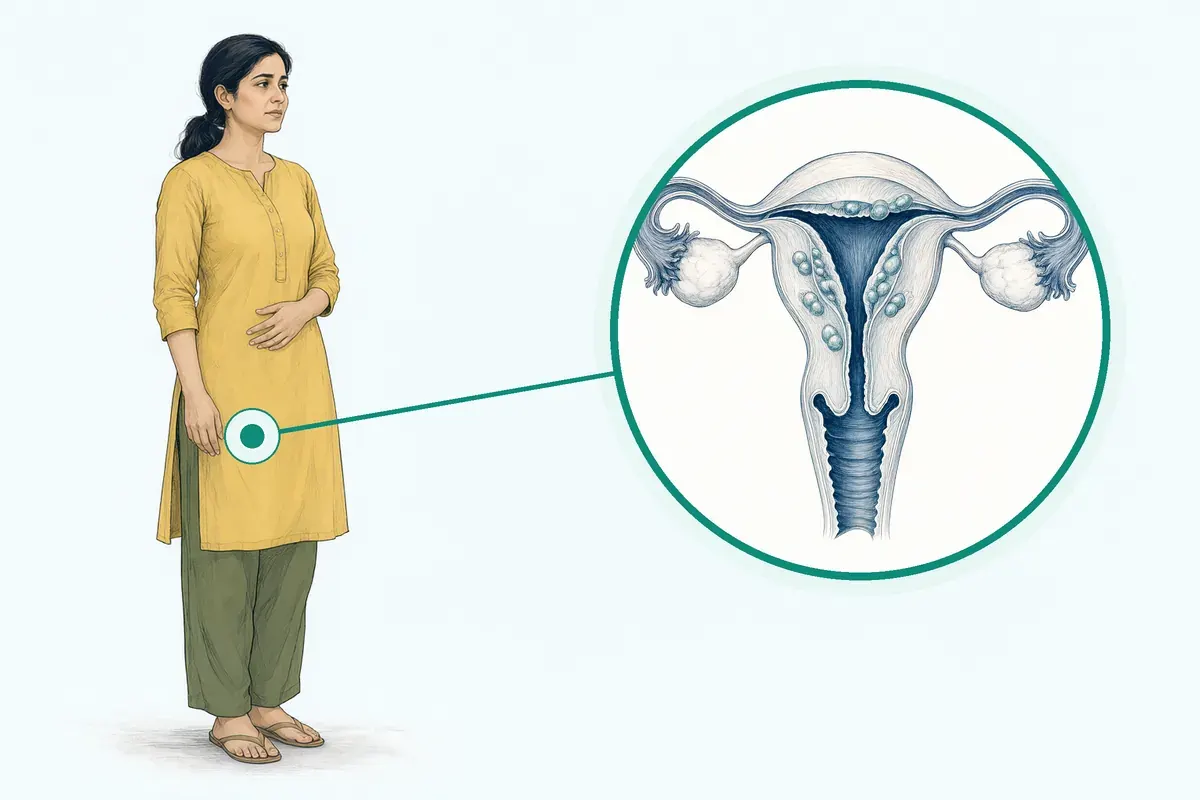
- 15 to 30 in 100 women Recurrence rate after myomectomy
- 34.2% to 41.6% Recurrence over 3 years with delayed conception
Why fibroids grow back after myomectomy
- 15 to 30 in 100 women Overall recurrence
- Higher chance Higher risk if under 40
- 34.2% to 41.6% over three years Delayed pregnancy link
A myomectomy removes the fibroids that are seen at the time of surgery, but it does not remove the uterus itself. The uterus remains under the influence of hormones made by the ovaries, mainly oestrogen and progesterone, which can stimulate new fibroids to grow.
Studies show that about 15 to 30 in 100 women who have a myomectomy will have fibroids grow back. The risk is higher if you are under 40 and had many fibroids at the first operation.
Delaying pregnancy after myomectomy is also linked to a higher chance of recurrence, with rates between 34.2% and 41.6% over three years in one study. Fibroids do not always cause symptoms, so you may not know they have returned until a scan or new symptoms appear.
How your first surgery type affects your next options
- Laparoscopic or hysteroscopic first
- May mean less outer wall scarring
- Hysteroscopic removal limits
- Only for fibroids inside the cavity
- Wall or surface fibroids
- Need laparoscopic or open surgery
The type of myomectomy you had before influences what is possible now. If your first surgery was laparoscopic or hysteroscopic, there may be less scarring on the outer wall of the uterus, but the number, size and location of the new fibroids are the main factors that decide the next approach.
Hysteroscopic removal is only possible for fibroids that protrude into the cavity inside the womb. For fibroids in the muscle wall or on the outer surface, the choice is between laparoscopic (keyhole) and open abdominal surgery.
Your doctor will review your previous operation notes and recent imaging, such as an MRI, to assess the uterine wall and plan the safest route.
Repeat myomectomy: keyhole versus open surgery
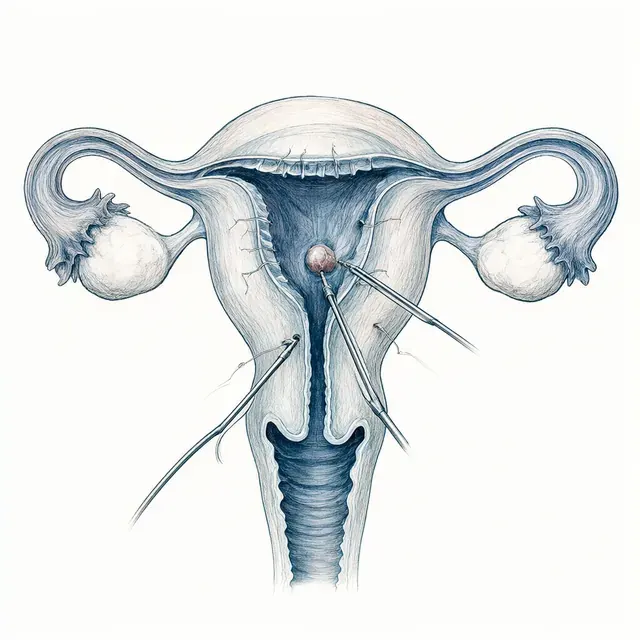 Keyhole myomectomyFew small fibroids, quicker recovery
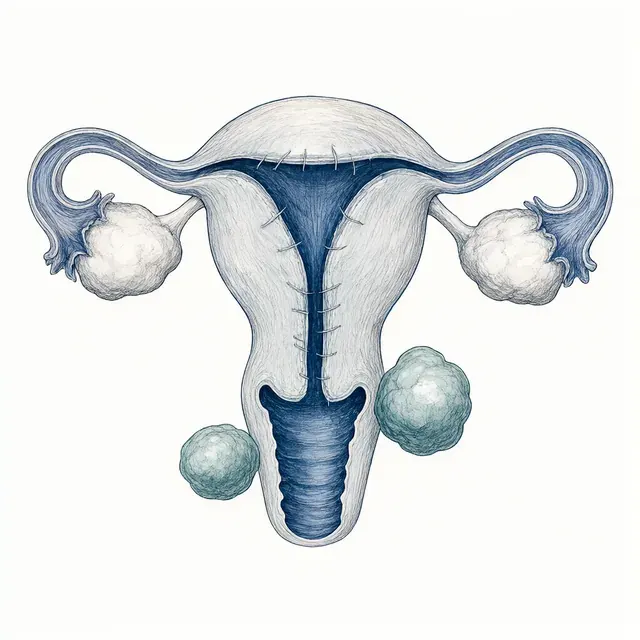 Open myomectomyMany large or deep fibroids, better control
A second laparoscopic myomectomy can be safe when the fibroids are few, small and in positions that the surgeon can reach and repair through keyhole incisions. The decision depends on the number, size and location of the fibroids, and on the surgeon's skill and experience with complex keyhole cases.
If there are many large fibroids, deep intramural fibroids, or dense adhesions from the previous surgery, an open abdominal myomectomy may be advised because it gives the surgeon better access and control of bleeding. Minimally invasive surgeries generally have quicker recovery times and are easier on the body, but they are not suitable for every situation. Your doctor will explain which approach fits your anatomy and your goals, such as future pregnancy.
Uterine artery embolisation after previous myomectomy
- How UAE works
- Blocks blood vessels to shrink fibroids
- When UAE may be an option
- If you wish to avoid another operation
- Suitability factors
- Size, number, location, uterine wall condition
- Pregnancy planning
- Discuss fertility effects with your doctor
Uterine artery embolisation (UAE) blocks the blood vessels that feed the fibroids, causing them to shrink. It may be an option for fibroids that have returned after myomectomy, especially if you wish to avoid another operation. However, UAE is not suitable for everyone.
The size, number and location of the fibroids, as well as the condition of the uterine wall after previous surgery, affect whether UAE is advised. An MRI scan is often used to assess suitability for UAE. If you are planning a future pregnancy, your doctor will discuss how UAE may affect fertility and pregnancy outcomes compared with a repeat myomectomy. You should ask your gynaecologist whether UAE is a reasonable choice in your case.
How many myomectomies are reasonable before hysterectomy
- No fixed number of surgeries
- Decision based on personal factors
- Key factors
- Age, fertility wishes, fibroid burden, daily impact
- Repeat surgery risks
- More scar tissue, harder operations, possible fertility impact
- Hysterectomy ends recurrence
- Removes uterus, fibroids cannot return
There is no fixed number of myomectomies that makes a hysterectomy necessary. The decision depends on your age, whether you still want to become pregnant, how many fibroids have returned, and how much they affect your daily life.
Each repeat surgery can cause more scar tissue inside the abdomen, which may make the next operation more difficult and can sometimes affect fertility.
If you have completed your family or do not wish to have children, a hysterectomy removes the uterus and ends the chance of fibroids coming back. Your doctor will discuss the risks and benefits of another fertility-sparing surgery compared with definitive treatment. The choice is personal and based on your health goals, not on a set limit of operations.
What happens to fibroids after menopause
- Hormone driven growth
- Oestrogen and progesterone from ovaries
- After menopause
- Usually shrink but may not disappear
- Symptom improvement
- Heavy bleeding and pressure often improve
- Near menopause option
- Medication or observation instead of surgery
Fibroids grow under the influence of oestrogen and progesterone made by the ovaries. After menopause, when hormone levels fall, fibroids usually shrink but may not disappear completely. This means symptoms such as heavy bleeding or pressure often improve on their own.
If you are close to menopause, your doctor may suggest managing symptoms with medication or observation rather than another surgery.
When to see your doctor and what to ask
Contact your doctor if you notice heavy or prolonged periods, bleeding between periods, pelvic pain or pressure, frequent urination, or difficulty getting pregnant. These symptoms may mean fibroids have returned or grown.
At your appointment, you can ask:
- What type of fibroids do I have now, and where are they?
- Is another myomectomy possible, and would it be keyhole or open?
- Am I a candidate for uterine artery embolisation?
- What are the risks of another surgery compared with a hysterectomy?
- How will my age and fertility plans affect the recommendation?
Bring any previous operation notes or imaging reports. They help your doctor see what was done before and plan the safest next step.