

ENT (Ear, Nose and Throat) · Jaipur Hospital
UPPP (Snoring Surgery) in Jaipur
Loud snoring and tired days? Get a clear ENT assessment and a simple plan.
- Serving Jaipur since 1991 (35 years)
- NABH accredited
- 24×7 emergency & ICU
- Cashless: MAA Yojana + 32 insurers
- Operation time
- 60 to 90 minutes
- Anaesthesia
- General anaesthesia
- Recovery
- Throat pain 10 to 14 days, soft diet, full recovery in 3 weeks
- Price
- ₹60,000 to ₹1,50,000typical range in India; ask us for an estimate
Snoring steals rest and health
Loud snoring and daytime tiredness that will not go away
You snore loudly, wake up unrefreshed, and feel sleepy during the day. Your partner notices breathing pauses. Simple measures have not helped.
-
Loud, nightly snoring
Snoring that disturbs your sleep and your partner's rest every night.
-
Daytime sleepiness
Feeling exhausted at work or while driving despite a full night in bed.
-
Breathing pauses noticed
Your partner reports that you stop breathing for short periods during sleep.
-
CPAP not tolerated
You tried a CPAP machine but found the mask uncomfortable or hard to use.
Obstructive sleep apnoea involves repeated upper airway collapse during sleep, causing oxygen drops and fragmented sleep.
Why Jaipur Hospital
You worry that another sleepless night means another exhausted day at work and growing tension at home.
Your care plan
Your first steps with us
- 1 Call or visit for an OPD appointment
- 2 Surgeon reviews your sleep study and examines you
- 3 Have UPPP surgery with a 1 to 2 night stay
- 4 Follow up for throat healing and sleep review
Insurance and schemes
How cashless works
Cashless treatment under MAA Yojana and with 32 insurers.
-
Tell us when you book
Say you are insured or have a scheme card, and send a photo of the card on WhatsApp so our insurance desk can check it in advance.
-
We get the approval
Once your doctor advises admission, the insurance desk sends the pre-authorisation request to your insurer or TPA; for planned surgery, approval can come before you are admitted.
-
Settled at discharge
The approved amount is settled between the insurer and the hospital; you pay only what the policy does not cover.
How the operation is done
Under general anaesthesia, the surgeon removes or reshapes excess tissue in the soft palate and throat to widen the airway. The procedure takes 60 to 90 minutes.
-
Conventional UPPP
Includes tonsillectomy, uvulopalatal flap and lateral pharyngoplasty using standard instruments.
-
Coblation UPPP
Uses lower-temperature energy to remove tissue, typically resulting in less post-operative pain and faster healing.
Why patients trust us
- 1991 Serving Jaipur for 35 years
- NABH Accredited hospital
- 1 ENT (Ear, Nose and Throat) consultants
- 24×7 Emergency, ICU and ambulance
- 32 Cashless insurers, plus MAA Yojana
What research shows about this treatment
-
87% initial snoring reduction
In a study of 69 patients, snoring was significantly reduced or eliminated in 87% shortly after UPPP.
-
46% success at 13 months
The same study found the success rate fell to 46% after 13 months, with most failures occurring between 6 and 12 months.
-
75% to 95% short-term reduction
Multiple short-term studies report snoring reduced or eliminated in 75% to 95% of patients after UPPP.
If it is left untreated
Untreated obstructive sleep apnoea is linked to higher odds of postoperative cardiac events and oxygen desaturation, and is associated with hypertension, stroke and diabetes risk.
Life after treatment
Most people notice quieter nights and better daytime alertness within weeks, with full throat healing in about three weeks.
-
Quieter sleep
Most people find their snoring is much reduced, so the household sleeps better.
-
More daytime energy
With fewer breathing pauses, you usually wake feeling more rested and alert.
-
Easier CPAP use if needed
A wider airway can make a CPAP mask more comfortable and effective if you still need it.
-
Normal eating returns
Throat soreness settles in 10 to 14 days; a soft diet is advised until then.
Meet the team
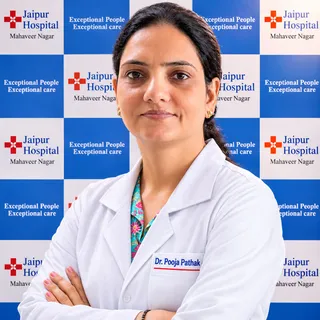
Your ent (ear, nose and throat) doctors
Explore our ENT hospital in Jaipur: every treatment, the doctors and what to expect at your visit.
Frequently asked questions
Questions patients ask about uppp (snoring surgery)
What does uvulopalatopharyngoplasty for snoring involve?
In short
Uvulopalatopharyngoplasty for snoring involves removing or reshaping tissue in the soft palate and throat to widen the airway. At Jaipur Hospital, the operation takes 60 to 90 minutes under general anaesthesia. You usually stay one to two nights. Throat pain lasts 10 to 14 days with a soft diet, and full recovery takes about three weeks.
In detail
The surgeon may use conventional UPPP, which includes tonsillectomy, a uvulopalatal flap, and lateral pharyngoplasty, or coblation UPPP, which uses lower temperature energy for less post-operative pain and faster healing. Both techniques aim to reduce vibration and collapse of the soft palate.
In studies, initial snoring reduction was seen in 75 to 95 percent of patients, though long-term success can decline over time. The choice of technique depends on your anatomy and the surgeon's assessment.
A common belief
Many people think snoring surgery is a quick fix.
What actually happens
In studies, initial success is high, but long-term results can drop after six to twelve months. The technique used, conventional or coblation, affects pain and healing speed.
Your next step at Jaipur Hospital
You will need a sleep study and an ENT examination before surgery. The surgeon will explain the technique suited to you and the expected recovery. Plan for two weeks of soft food and limited talking.
Which tests and scans do I need before uvulopalatopharyngoplasty?
In short
Before uvulopalatopharyngoplasty you need a sleep study to confirm obstructive sleep apnoea and its severity, a nasendoscopy or drug-induced sleep endoscopy to locate the collapse site, and routine blood tests with an anaesthesia fitness check. At Jaipur Hospital the ENT surgeon orders these based on your history.
In detail
The sleep study grades apnoea severity and guides whether surgery is appropriate. Nasendoscopy examines the awake airway; drug-induced sleep endoscopy mimics natural sleep to show the exact level and pattern of collapse, which is critical because UPPP only treats the palatal region.
Blood tests include haemoglobin, coagulation profile, liver and kidney function and infection markers. The anaesthetist reviews these and may request an ECG or chest X-ray.
Jaipur Hospital has an in-house laboratory and X-ray; CT or MRI scans, if needed, are done at an imaging centre outside the hospital and the team reviews the results.
A common belief
A sleep study alone does not show the collapse site.
What actually happens
Many patients assume one test is enough. The endoscopy is essential because UPPP only works on the palate; if the blockage is lower, the surgery will not help. That is why both tests are standard.
Your next step at Jaipur Hospital
All tests are usually completed within a few days. The surgeon explains the results and confirms whether conventional or coblation UPPP is suitable. The typical cost range in India is ₹60,000 to ₹1,50,000; ask us for an estimate.
How painful is UPPP snoring surgery and the early recovery?
In short
UPPP snoring surgery causes significant throat pain for 10 to 14 days after the operation. At Jaipur Hospital, the procedure is done under general anaesthesia so you feel nothing during surgery. Afterwards, swallowing feels like a severe sore throat. Pain is managed with regular medication, cold fluids and a soft diet. Most patients describe it as the worst sore throat they have had.
In detail
The operation removes or reshapes the uvula, soft palate and sometimes the tonsils. This leaves a raw surface at the back of the throat. Nerves in the area make the pain sharp when swallowing, yawning or talking.
Coblation UPPP uses lower temperature and typically causes less post-operative pain than conventional UPPP, but both techniques need regular pain relief for about two weeks. Ear pain is common because the same nerves supply the throat and ears. The hospital provides a pain schedule and checks your comfort during the 1 to 2 night stay.
A common belief
Some people expect only mild discomfort.
What actually happens
In reality, the throat is raw where tissue was removed. Coblation may reduce the pain slightly, but you still need regular medication and a soft diet for two weeks.
Your next step at Jaipur Hospital
Expect 10 to 14 days of throat pain, soft diet and regular pain medicine. Full recovery takes about three weeks. Keep hydrated with cold water or ice chips. Avoid hot, spicy or rough foods. If pain stops you from drinking or you see bright red bleeding, contact the hospital at once.
How long does recovery usually take after UPPP?
In short
Recovery after UPPP at Jaipur Hospital takes about 3 weeks for full healing. Throat pain lasts 10 to 14 days and requires a soft diet and regular pain medicine. Most patients stay in hospital for 1 to 2 nights. You can resume light activity after 1 week, but avoid heavy lifting, straining, and vigorous exercise for 3 weeks. Voice and swallowing usually normalise by then.
In detail
The operation removes tissue from the soft palate, uvula, and often the tonsils. The raw area heals by secondary intention, forming a white slough that separates around day 7 to 10. Pain peaks at days 3 to 5 and gradually eases.
Ear pain is common due to shared nerves. A soft, cool diet prevents irritation. Hydration is critical; dehydration increases pain and delays healing. Our usual protocols state throat pain for 10 to 14 days, soft diet, and full recovery in 3 weeks.
Hospital stay is 1 to 2 nights. Coblation UPPP typically causes less pain and slightly faster healing than conventional UPPP, but the overall timeline is similar.
A common belief
Some patients think they will feel fine in 3 to 4 days like after a simple tonsillectomy.
What actually happens
UPPP involves a larger palate area, so pain and diet restrictions last longer. Pushing too early causes bleeding and delays healing.
Your next step at Jaipur Hospital
Plan for 10 to 14 days off work or school. Take pain medicine on a fixed schedule for the first week. Drink at least 2 litres of cool fluids daily. Eat soft, bland foods. Avoid hot, spicy, acidic, or crunchy items.
Sleep with the head elevated. Do not lift more than 5 kg or do strenuous activity for 3 weeks. Attend the 2-week review.
How is simple snoring distinguished from obstructive sleep apnoea?
In short
Simple snoring is noisy breathing during sleep without repeated pauses in airflow. Obstructive sleep apnoea means the throat collapses repeatedly, causing breathing stops, oxygen drops and fragmented sleep. At Jaipur Hospital the ENT specialist takes a detailed history, examines the airway and usually orders a sleep study to confirm the diagnosis.
In detail
In simple snoring the airway narrows but stays open enough for continuous airflow. In obstructive sleep apnoea the airway closes completely or nearly so, producing apnoeas or hypopnoeas that last ten seconds or more. Witnessed pauses, gasping, unrefreshing sleep and daytime sleepiness point to apnoea. The sleep study records airflow, oxygen saturation, respiratory effort and sleep stages to quantify events per hour.
Your next step at Jaipur Hospital
If you snore and have witnessed pauses, morning headaches or excessive daytime sleepiness, ask your GP for a referral to the ENT OPD at Jaipur Hospital. The surgeon will decide whether a home sleep test or an in-lab study is needed. Early diagnosis allows timely treatment, which may include CPAP, weight management or surgery.
Could uvulopalatopharyngoplasty affect hearing, balance, breathing, speech, or swallowing?
In short
Uvulopalatopharyngoplasty mainly changes the soft palate and throat walls. Temporary swallowing discomfort and a nasal quality to speech are common for two to three weeks. Breathing may feel different because the airway is wider. Hearing and balance are not directly affected, though a blocked Eustachian tube can cause brief ear fullness. At Jaipur Hospital the team monitors these functions closely.
In detail
The surgery removes or reshapes the uvula, part of the soft palate and sometimes the tonsils. This alters the way the palate contacts the back of the throat during speech and swallowing, causing a temporary hypernasal voice and pain on swallowing.
The wider airway reduces snoring and apnoea. The Eustachian tube openings lie near the surgical field; swelling can block them briefly, causing ear pressure. These changes usually resolve as healing completes.
Your next step at Jaipur Hospital
Expect sore throat and nasal speech for ten to fourteen days. Sip cool fluids and eat soft foods. If ear fullness lasts beyond three weeks, or if nasal regurgitation of liquids persists, tell the surgeon at your follow-up. Long-term voice or swallowing change is uncommon.
Why might my doctor recommend uvulopalatopharyngoplasty?
In short
Your doctor may recommend uvulopalatopharyngoplasty if you have loud snoring or obstructive sleep apnoea caused by excess tissue in the soft palate and throat, and other treatments have not worked or are not suitable. At Jaipur Hospital, the ENT team assesses your airway anatomy and sleep study results before advising surgery.
In detail
Obstructive sleep apnoea involves repeated upper airway collapse during sleep, leading to oxygen drops and disrupted sleep. Risk factors include obesity, male sex, age, and enlarged tonsils.
Continuous positive airway pressure (CPAP) is the primary treatment for severe cases, with 60 to 70 percent adherence, but many patients find it difficult to tolerate. Oral appliances are used for mild to moderate cases.
Surgery is considered when these options fail or when anatomical obstruction is clear. In studies, UPPP initially reduced or eliminated snoring in 75 to 95 percent of patients, though long-term success declined to 46 percent at 13 months in one series.
A common belief
CPAP is the first-line treatment for severe sleep apnoea, but adherence averages only 2.8 hours per night.
What actually happens
Many patients cannot tolerate the mask. Surgery addresses the anatomy directly, but long-term snoring control can decline after the first year.
Your next step at Jaipur Hospital
The surgeon will review your sleep study, examine your throat, and discuss whether CPAP or an oral appliance has been tried. If surgery is advised, you will receive a date and preparation instructions.
How should I prepare in the days before uvulopalatopharyngoplasty?
In short
In the days before uvulopalatopharyngoplasty at Jaipur Hospital, stop smoking, avoid alcohol, and follow the surgeon's instructions on any regular medicines. Arrange for an attendant to stay with you during the one to two night hospital stay and for help at home during the first two weeks of soft diet and throat pain.
In detail
Smoking impairs healing and increases airway inflammation. Alcohol can interact with anaesthesia. The surgeon will review blood thinners, antiplatelet drugs, herbal supplements, and any medicines that affect bleeding or sedation; some may need to be stopped several days before surgery.
You will receive a fasting time for the night before general anaesthesia. Prepare soft foods such as khichdi, dalia, curd, and cool liquids for the post-operative period. Keep ice packs ready for throat comfort. Ensure you have prescribed pain relief and any antibiotics at home before discharge.
A common belief
Patients often forget that herbal products and supplements can increase bleeding.
What actually happens
The surgeon needs a full list. Also, the recovery diet is strictly soft and cool for 10 to 14 days; spicy or hot food will cause pain and delay healing.
Your next step at Jaipur Hospital
Confirm the admission time and fasting instructions with the surgical coordinator. Bring all investigation reports, your ID, and insurance or MAA Yojana documents. Pack loose, comfortable clothing. The attendant should be available for the hospital stay and the first few days at home.
What are the common side effects and the less common serious complications of UPPP?
In short
Common side effects after UPPP at Jaipur Hospital include throat pain for 10 to 14 days, ear pain, difficulty swallowing, a nasal quality to the voice, and temporary taste changes. Less common serious complications are bleeding that may need a return to theatre, infection, airway swelling requiring a temporary breathing tube, and velopharyngeal insufficiency with liquid regurgitation into the nose. Long-term voice change or persistent swallowing difficulty is rare.
In detail
The surgery widens the airway by removing the uvula, part of the soft palate, and often the tonsils. This raw area causes pain, referred earache, and swallowing discomfort.
Nasal speech and liquid regurgitation happen while the palate heals and learns to close against the back of the throat; they usually resolve in weeks.
Bleeding occurs in a small percentage of patients, most often within the first 24 hours or around day 7 to 10 when the slough separates. Infection is uncommon with perioperative antibiotics. Airway oedema is monitored in the ward and ICU.
Velopharyngeal insufficiency that persists beyond 3 months may need speech therapy or a secondary procedure. The evidence notes OSA carries cardiovascular risks, but UPPP itself does not cause them.
A common belief
Many patients worry about voice change or choking permanently.
What actually happens
These are usually temporary while the palate heals. The real emergency is bleeding that won't stop or sudden breathing trouble, which need immediate hospital care.
Your next step at Jaipur Hospital
Watch for bright red bleeding from the mouth or nose, fever above 38.5°C, inability to swallow liquids, or sudden breathing difficulty. These need urgent review at the emergency department. For routine side effects, take pain medicine on schedule, stay hydrated, and eat soft foods. Voice and swallowing usually normalise in 2 to 3 weeks.
Which symptoms are expected after UPPP, and which need urgent medical attention?
In short
Expected symptoms after UPPP at Jaipur Hospital include throat pain for 10 to 14 days, earache, difficulty swallowing, a nasal voice, mild taste changes, and white slough in the throat. Symptoms needing urgent attention are bright red bleeding from the mouth or nose that does not stop, fever above 38.5°C, inability to swallow liquids, sudden breathing difficulty, or severe pain not controlled by prescribed medicine.
In detail
The surgical site in the soft palate and tonsillar bed causes pain, referred ear pain, and swallowing discomfort. Nasal speech and occasional liquid regurgitation occur while the palate heals. White slough is normal healing tissue, not infection. These improve steadily over 2 to 3 weeks.
Bleeding can happen early (first 24 hours) or late (day 7 to 10) when the slough separates. Infection is uncommon but presents with high fever, worsening pain, and foul smell. Airway swelling is rare but can develop in the first 48 hours.
Velopharyngeal insufficiency causing liquid to come through the nose usually resolves; if it persists beyond 3 months, tell the surgeon. The evidence notes OSA itself carries cardiovascular risks, but these are not direct surgical complications.
A common belief
Patients often panic at the white coating, thinking it is pus.
What actually happens
It is normal healing slough. The real danger is bleeding that looks like fresh blood or sudden airway blockage. Know the difference and act fast on the emergency signs.
Your next step at Jaipur Hospital
For expected symptoms, take pain medicine on schedule, sip cold fluids constantly, and eat soft foods. Keep the head elevated. If you see bright red bleeding that does not stop with cold water sips and sitting upright, go to the emergency department.
For fever above 38.5°C, choking sensation, or inability to drink, seek care immediately. Do not wait for the next appointment.
FAQ library
Questions and answers about uppp (snoring surgery)
When you contact us
Clear assessment and a cost estimate
Contact Jaipur Hospital for an OPD consultation with an ENT surgeon who will review your reports, explain your options and give you a cost estimate before you decide.
- A consultation with an ENT surgeon in the OPD
- Your scans and reports reviewed, with tests done in-house if you need them (laboratory, X-ray and imaging)
- Your options explained in plain words, including whether you need surgery at all
- A cost estimate before you decide
- Help with cashless treatment under MAA Yojana and empanelled insurers and TPAs
- Follow-up visits after your treatment
Overview
UPPP (Snoring Surgery): what to know
What obstructive sleep apnoea is and how it happens
- Airway collapse
- Throat narrows or closes during sleep
- Oxygen drop
- Blood oxygen falls during events
- Multiple causes
- Weight, anatomy, muscle and nerve factors
Obstructive sleep apnoea is a common disorder in which the throat narrows or collapses repeatedly during sleep. This leads to oxygen desaturation and disrupted sleep. The mechanism of upper airway collapse is multifactorial and not fully understood. It includes obesity, craniofacial changes, alteration in upper airway muscle function, pharyngeal neuropathy and fluid shift towards the neck.
Predisposing factors also include a small upper airway lumen, unstable respiratory control, low arousal threshold, small lung volume and dysfunctional upper airway dilator muscles.
Symptoms of obstructive sleep apnoea and warning signs that need urgent care the same day
- Falling asleep while driving Unsafe to drive or operate machinery
- Sudden chest pain May signal heart strain from apnoea
- Sudden breathlessness Needs urgent medical review
Features of obstructive sleep apnoea include:
- Snoring
- Witnessed apnoeas
- Sleepiness
Excessive daytime sleepiness is a burden for the majority of patients. The syndrome is particularly prevalent in middle-aged and older adults. Obstructive sleep apnoea causes sleepiness and road traffic accidents. If you fall asleep while driving, feel unsafe to drive or operate machinery, or have sudden chest pain or breathlessness, seek medical care the same day.
Causes and who is at higher risk of obstructive sleep apnoea
- Obesity
- Excess weight narrows the airway
- Male sex and age
- Higher risk in men and older adults
- Menopause
- Hormonal changes increase risk
- Fluid retention
- Fluid shifts to the neck at night
- Adenotonsillar hypertrophy
- Enlarged tonsils and adenoids block airway
- Smoking
- Irritates and swells airway tissues
Risk factors for obstructive sleep apnoea include:
- Obesity
- Male sex
- Age
- Menopause
- Fluid retention
- Adenotonsillar hypertrophy
- Smoking
The pathogenesis varies and includes a small upper airway lumen, unstable respiratory control, low arousal threshold, small lung volume and dysfunctional upper airway dilator muscles. Obesity, craniofacial changes, alteration in upper airway muscle function, pharyngeal neuropathy and fluid shift towards the neck also contribute to airway collapse.
How obstructive sleep apnoea is diagnosed: examination and tests
- Clinical history Ask about snoring, pauses, sleepiness
- Upper airway examination Check throat and nasal passages
- Sleep study (polysomnography) Records breathing, oxygen, heart rate, sleep stages
- Home sleep test (if suitable) Alternative for selected patients
- Decide treatment CPAP, oral appliance or surgery
Diagnosis begins with a clinical history and examination of the upper airway. Your surgeon will ask about snoring, witnessed breathing pauses and daytime sleepiness. A sleep study (polysomnography) is the standard test to confirm the diagnosis and measure severity. It records breathing, oxygen levels, heart rate and sleep stages. In some cases a home sleep test may be used. The results guide whether continuous positive airway pressure, an oral appliance or surgery is appropriate.
Treatment options without surgery and when UPPP surgery is advised
Continuous positive airway pressure (CPAP) is the primary treatment modality in patients with severe obstructive sleep apnoea syndrome. Adherence to CPAP treatment averages about 2.78 hours per night. Oral appliances are widely used in mild to moderate forms of obstructive sleep apnoea syndrome.
Bi-level positive airway pressure or adaptive servo-ventilation can be used for patients who are intolerant to continuous positive airway pressure.
Other treatments include:
- Dental devices
- Surgery
- Weight loss
Combining different treatment modalities such as CPAP and weight control is beneficial. Uvulopalatopharyngoplasty (UPPP) has become a widely practiced procedure in the management of snoring. In studies based on short-term follow-up, snoring was reduced or eliminated in 75% to 95% of patients.
In one series of 69 patients with severe habitual snoring, snoring was initially significantly reduced or totally eliminated in 87% of patients. After 13 months the success rate dropped to 46%. Most failures occurred between 6 and 12 months of surgery, after which the success rate remained relatively stable.
The long-term success rate of UPPP for snoring declines significantly with time. Surgery is generally considered when conservative measures have not worked or are not tolerated, and when the site of obstruction is suitable for palatal surgery. Your surgeon will advise whether conventional UPPP or coblation UPPP suits you.
Preparing for UPPP (Snoring Surgery)
Do
- Attend pre-operative assessment in OPD
Avoid
- Stop blood-thinning medicines without doctor advice
Before UPPP (Snoring Surgery) you will attend a pre-operative assessment in the OPD. The anaesthetist reviews your medical history, current medicines and any allergies.
Blood tests usually include:
- Complete blood count
- Coagulation profile
- Blood group
- Basic biochemistry
A chest X-ray and ECG are done when indicated by age or medical history. If you take blood-thinning medicines, your doctor will advise when to stop them. You must not eat or drink for at least six hours before general anaesthesia. Bring your regular medicines, a list of previous surgeries, and any sleep study reports.
An attendant should plan to stay with you for the hospital stay of one to two nights. Wear loose, comfortable clothing and leave valuables at home.
How UPPP (Snoring Surgery) is done
UPPP (Snoring Surgery) is performed under general anaesthesia and takes 60 to 90 minutes. The surgeon removes or reshapes tissue in the soft palate and throat to widen the airway. Two main techniques are available. Conventional UPPP involves tonsillectomy, a uvulopalatal flap and lateral pharyngoplasty using standard instruments.
Coblation UPPP uses a lower-temperature plasma field to remove tissue, which typically leads to less post-operative pain and faster healing. Your surgeon will advise which technique suits your anatomy and the findings from your sleep study and examination. On the day of surgery you are admitted to the ward, prepared for theatre, and taken to the modular operation theatre.
After the procedure you are moved to the recovery area and then to a ward bed for monitoring. The typical hospital stay is one to two nights.
Risks and possible complications of UPPP (Snoring Surgery)
- General surgical risks
- Bleeding, infection, anaesthetic reactions
- Persistent throat pain
- May last beyond expected recovery
- Difficulty swallowing
- Can affect eating and drinking
- Voice change
- Nasal or altered voice quality
- Nasal regurgitation
- Fluids come through nose when swallowing
- Globus sensation
- Feeling of something stuck in throat
UPPP (Snoring Surgery) carries the general risks of any operation under general anaesthesia, including bleeding, infection and reactions to anaesthetic drugs.
Specific risks include:
- Persistent throat pain
- Difficulty swallowing
- Voice change
- Nasal regurgitation of fluids
- Sensation of something stuck in the throat
In studies, snoring was initially reduced or eliminated in about 87% of patients, but the success rate fell to 46% at 13 months, with most failures occurring between 6 and 12 months after surgery. Obstructive sleep apnoea itself is associated with higher odds of postoperative cardiac events and desaturation. Your surgical team will discuss these risks in detail before you sign the consent form.
Recovery and aftercare after UPPP (Snoring Surgery)
After UPPP (Snoring Surgery) you can expect throat pain for 10 to 14 days. A soft diet is advised during this period; avoid hot, spicy or rough foods. Pain relief is given regularly in hospital and prescribed for home use. You should rest at home for about three weeks before returning to full activity.
Keep the head elevated while sleeping for the first few nights. Attend the follow-up appointment in the OPD as advised, usually within one week.
Contact the hospital or visit the 24×7 emergency department if you have:
- Bright red bleeding from the mouth or nose
- Fever above 38°C
- Increasing pain not controlled by medicines
- Difficulty breathing
Results of UPPP (Snoring Surgery): how well it works and recurrence
- 75% to 95% Short-term snoring reduction or elimination
- 46% Success rate at 13 months
- 6 to 12 months Period when most relapses occur
In studies, UPPP (Snoring Surgery) initially reduced or eliminated snoring in 75% to 95% of patients based on short-term follow-up. In one series of 69 patients with severe habitual snoring, 87% had significant reduction or elimination of snoring at first, but the success rate dropped to 46% after 13 months.
Most relapses occurred between 6 and 12 months, after which the rate stabilised. Long-term success depends on factors such as weight, anatomy and adherence to lifestyle changes. Your surgeon will discuss realistic expectations during the pre-operative consultation.
Continuous positive airway pressure remains the primary treatment for severe obstructive sleep apnoea, and oral appliances are widely used for mild to moderate disease.
Cost and insurance for UPPP (Snoring Surgery) in Jaipur
The typical price range for UPPP (Snoring Surgery) in India is ₹60,000 to ₹1,50,000. The final cost depends on the technique chosen, the length of hospital stay, any additional investigations, and whether you have co-existing conditions that need extra care. Jaipur Hospital is empanelled under MAA Yojana and works with a panel of private insurers and TPAs for cashless treatment.
Bring your insurance card and any pre-authorisation documents at admission. The hospital has an in-house pharmacy and diagnostic laboratory; X-ray and ECG are available on site. CT and MRI scans, if needed, are done at an imaging centre outside the hospital and are billed separately. For a personal estimate, contact the hospital on 0141-2551500, 0141-2554139 or 7414 001 001, or email [email protected].
