

Techniques in depth · Fibroids and Uterine Conditions
Fibroids or adenomyosis: how to tell the difference
Fibroids and adenomyosis both affect the uterus, but they have different causes and symptom patterns. It is common to have both conditions at the same time. Your doctor uses ultrasound and your symptoms to tell them apart.
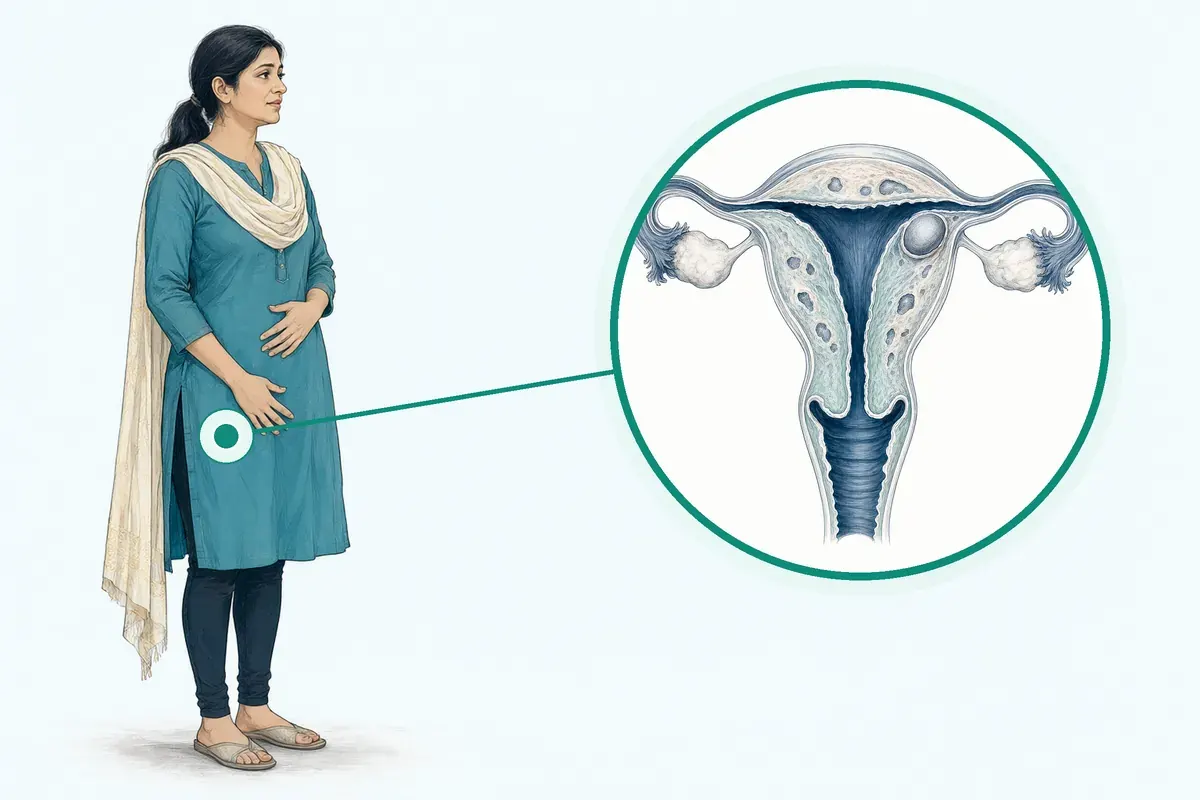
What are fibroids and adenomyosis
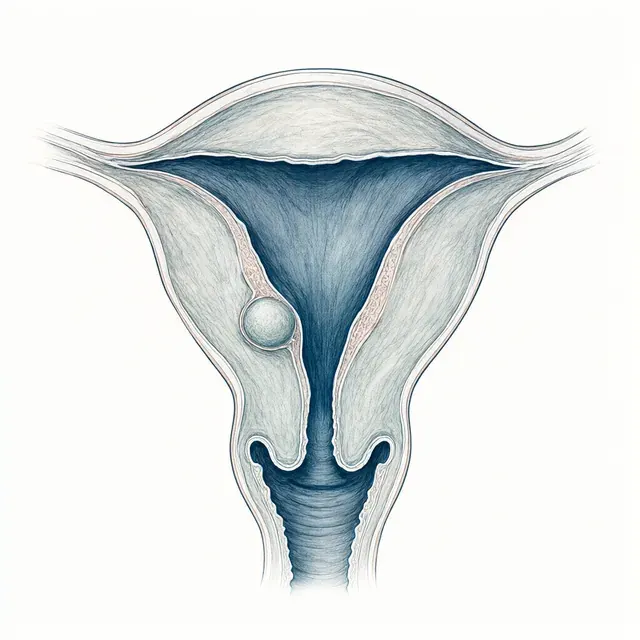 Fibroid structureDistinct lump with a surrounding capsule
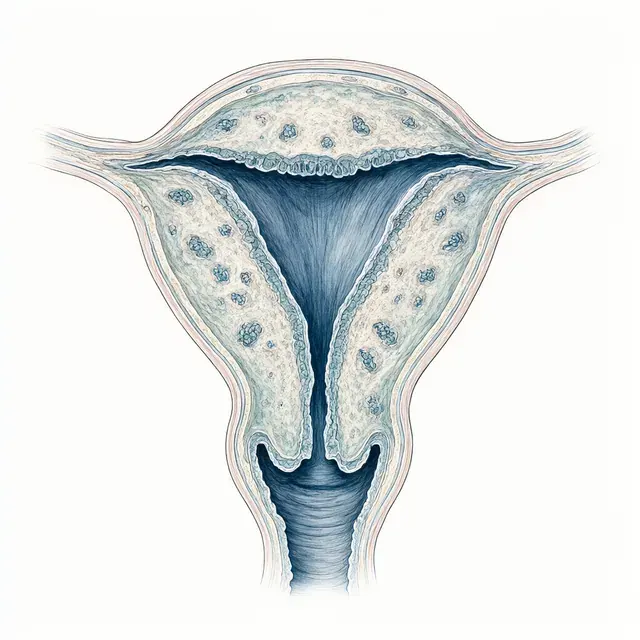 Adenomyosis structureLining tissue spreads diffusely in the muscle
- Fibroids
- Benign growths of connective tissue and muscle cells inside or outside the uterus
- Adenomyosis
- Uterine lining tissue grows into the muscular wall of the uterus
- Key difference
- Fibroids form distinct lumps with a capsule; adenomyosis spreads diffusely in the muscle wall
- Typical age
- Fibroids mainly affect women before menopause; adenomyosis symptoms usually after age 35
Fibroids are growths made up of connective tissue and muscle cells that can appear inside or outside the uterus. They are almost always benign and you can have one or many, varying in size. Adenomyosis is a benign uterine disorder where tissue similar to the uterine lining grows into the muscular wall of the uterus.
This difference in where the tissue grows explains why the two conditions feel different. Fibroids form distinct lumps with a surrounding capsule, while adenomyosis spreads diffusely within the muscle wall. Fibroids mainly affect women who have not been through menopause, whereas adenomyosis symptoms usually affect women over the age of 35.
You may be more likely to get adenomyosis if you have given birth or have endometriosis. A family history of fibroids raises your chance of developing them.
How symptoms differ between the two
Heavy menstrual bleeding and bulk-related symptoms like pelvic pressure, frequent urination, and constipation are more commonly linked to fibroids.
Adenomyosis is more frequently associated with:
- Severe period pain
- Persistent pelvic pain
- A diffusely swollen, painful uterus on examination
Both conditions can be silent; some people have no symptoms at all. Fibroids do not always cause symptoms, so you may not know you have them. Some people with adenomyosis also have no symptoms. Because symptoms overlap, you cannot tell which condition you have based on how you feel alone.
Your doctor will ask about your periods, examine your abdomen and pelvis, and may do an internal examination to check for swelling or tenderness.
Can you have both conditions at once
Yes, it is possible to have fibroids and adenomyosis at the same time. The coexistence of the two represents a particularly challenging clinical scenario because their combined effects may further compromise reproductive outcomes. Adenomyosis often coexists with other gynaecological conditions, including uterine fibroids.
When both are present, treating one condition alone may not relieve symptoms if the other is not identified. This makes accurate diagnosis important before starting any treatment plan. Your doctor will consider the possibility of both conditions when evaluating your symptoms and scan results.
How ultrasound and MRI tell them apart
Ultrasound is the preferred first-line imaging test for both conditions. On ultrasound, fibroids typically appear as well-defined lesions surrounded by a pseudocapsule with peripheral blood flow.
Adenomyosis shows:
- Ill-defined changes in the muscle wall
- Small cysts within the muscle
- Fan-shaped shadowing
- Abnormalities in the junctional zone
Transvaginal ultrasound can also assess for other causes of symptoms, such as endometriosis. MRI is used as a second-line investigation when ultrasound findings are unclear. Imaging advances now allow proper identification of different types of adenomyosis, such as diffuse or focal forms. However, fibroids can sometimes be confused with focal adenomyosis on conventional imaging, and vice versa. An integrated approach using your risk factors, symptoms, clinical examination, and imaging helps your doctor reach the correct diagnosis.
Does treatment change depending on the diagnosis
Treatment for fibroids is usually planned around the size, number, and location of the lesions, especially whether they affect the uterine cavity. Asymptomatic fibroids may be managed with observation or medication. When treatment is needed, options include surgery to remove the fibroids (myomectomy) or a non-surgical procedure called uterine artery embolisation (UAE) that blocks the blood supply to the fibroids.
The choice depends on factors such as the size and position of the fibroids and whether you wish to preserve fertility.
For adenomyosis, surgical treatment is usually conservative. There is a lack of strong evidence to guide non-drug interventions. UAE has shown promise for fibroids, but its effectiveness for adenomyosis is still debated; better results are seen with localised rather than diffuse disease. If other treatments fail or are not suitable, hysterectomy may be considered for either condition.
When both conditions are present, treating only one may not relieve symptoms fully. Your doctor will advise which approach suits your situation.
Impact on fertility and pregnancy
Fibroids can affect fertility depending on their size and location, particularly if they distort the uterine cavity. Surgery to remove fibroids (myomectomy) is often considered for women who wish to become pregnant in the future. However, new fibroids may grow after surgery.
Adenomyosis can make it difficult to get pregnant and may increase the risk of miscarriage. The coexistence of adenomyosis and fibroids represents a particularly challenging scenario, as their combined effects may further compromise reproductive outcomes.
If you are planning a pregnancy, discuss both conditions with your doctor so that the treatment plan takes your fertility goals into account.
When to see a doctor
- Sudden severe pain
- Very heavy bleeding soaking pads quickly
See a doctor if you have heavy menstrual bleeding, severe period pain, persistent pelvic pain, or a feeling of pressure or bloating in the lower abdomen. Other reasons include frequent urination, constipation, or bleeding between periods.
At the visit, the doctor will ask about your symptoms and periods, and may examine your abdomen and perform an internal vaginal examination. An ultrasound scan — either on the tummy or inside the vagina — is usually the first test to check for fibroids or adenomyosis. MRI may be used as a second-line investigation if needed.
If you have sudden severe pain or very heavy bleeding that soaks through pads quickly, seek urgent care at an emergency department or call 108.
