

General & Laparoscopic Surgery · Jaipur Hospital
Stomach Cancer Surgery in Jaipur
A stomach tumour diagnosis brings worry and confusion; our surgical team reviews your reports and outlines a clear plan.
- Serving Jaipur since 1991 (35 years)
- NABH accredited
- 24×7 emergency & ICU
- Cashless: MAA Yojana + 32 insurers
- Operation time
- 3 to 6 hours
- Anaesthesia
- General anaesthesia
- Recovery
- Return to normal diet in 6 to 8 weeks
- Price
- ₹3,00,000 to ₹6,50,000typical range in India; ask us for an estimate
Living with stomach tumours
Coping with eating troubles and weight loss
Stomach tumours can make regular meals difficult, causing poor appetite, unplanned weight loss and discomfort after eating.
-
Difficulty eating normal meals
Tumours can block food passage or limit how much food your stomach holds comfortably.
-
Unplanned weight loss
Reduced food intake and digestion changes can lead to progressive weakness and weight reduction.
-
Uncertainty about surgery
Learning you may need part or all of your stomach removed brings many practical questions.
Patients with gastric cancer are often malnourished during tumour progression.
Why Jaipur Hospital
You may worry about how you will eat and maintain your strength after an operation on your stomach.
Your care plan
Your first steps with us
- 1 Meet your surgeon in the OPD for assessment
- 2 Review your diagnostic reports and outside scans
- 3 Discuss operative options and receive an estimate
- 4 Undergo planned hospitalisation, surgery, and dietary follow-up
Insurance and schemes
How cashless works
Cashless treatment under MAA Yojana and with 32 insurers.
-
Tell us when you book
Say you are insured or have a scheme card, and send a photo of the card on WhatsApp so our insurance desk can check it in advance.
-
We get the approval
Once your doctor advises admission, the insurance desk sends the pre-authorisation request to your insurer or TPA; for planned surgery, approval can come before you are admitted.
-
Settled at discharge
The approved amount is settled between the insurer and the hospital; you pay only what the policy does not cover.
How the operation is done
Surgery involves removing part or all of the stomach and nearby lymph nodes, depending on tumour position.
-
Open Distal Gastrectomy
Removal of the lower stomach for antral tumours, which your surgeon will discuss.
-
Open Total Gastrectomy
Complete stomach removal for proximal or diffuse cancer, which your surgeon will discuss.
-
Laparoscopic Gastrectomy
Minimally invasive approach for early gastric cancer (T1-T2), which your surgeon will discuss.
Why patients trust us
- 1991 Serving Jaipur for 35 years
- NABH Accredited hospital
- 3 General & Laparoscopic Surgery consultants
- 24×7 Emergency, ICU and ambulance
- 32 Cashless insurers, plus MAA Yojana
What research shows about this treatment
-
0.4%
Ninety days' mortality was 0.4% after laparoscopic distal gastrectomy in a comparative clinical study.
-
8.1 vs 9.3 d
Postoperative hospital stay was 8.1 days with laparoscopic distal gastrectomy compared with 9.3 days for open surgery.
-
3.5 vs 3.7 d
First day of flatus occurred at 3.5 days after laparoscopic distal gastrectomy versus 3.7 days after open surgery.
If it is left untreated
Without treatment, tumour growth can worsen malnutrition and weaken the body's condition, making future treatment more difficult to tolerate.
Life after treatment
Adapting to new eating habits allows your digestive system to absorb nutrients gradually over time.
-
Frequent smaller meals
Most people adjust by eating smaller portions more frequently throughout the day.
-
Gradual diet progression
Patients typically take six to eight weeks to return to a settled daily diet.
-
Nutritional recovery
Planned dietary habits help support steady physical strength and digestion.
Meet the team
Your general & laparoscopic surgery doctors
Explore our general and laparoscopic surgery department in Jaipur: every treatment, the doctors and what to expect at your visit.
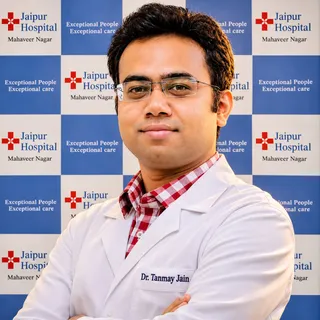
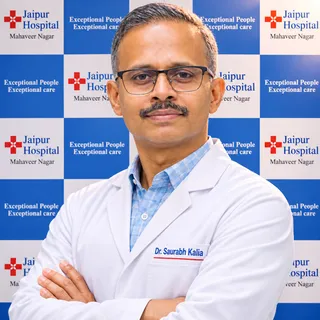
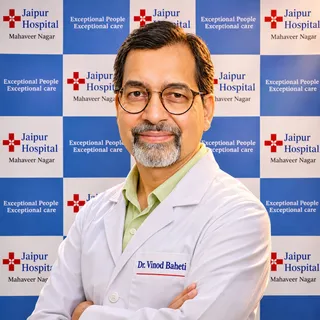
Frequently asked questions
Questions patients ask about stomach cancer surgery
What does stomach cancer surgery involve?
In short
Stomach cancer surgery at Jaipur Hospital removes part or all of the stomach with nearby lymph nodes. The operation takes three to six hours under general anaesthesia. You stay in hospital for seven to ten nights. Recovery to a normal diet takes six to eight weeks. The surgical team uses open or laparoscopic techniques based on the tumour location and stage.
In detail
The surgeon chooses between open distal gastrectomy for lower stomach tumours, open total gastrectomy for upper or widespread cancer, and laparoscopic gastrectomy for early stage disease (T1-T2). Lymphadenectomy removes lymph nodes to check spread.
Evidence shows laparoscopic distal gastrectomy has lower early morbidity, less pain, earlier flatus (3.5 vs 3.7 days), and shorter stay (8.1 vs 9.3 days) than open surgery, with similar lymph node counts (46.6 vs 47.4) and 90-day mortality (0.4% vs 0.6%).
Robotic surgery is not used here. Total gastrectomy affects nutrition more because ghrelin secretion and reservoir function are lost, so preserving stomach when oncologically safe is preferred.
A common belief
Many people think the whole stomach is always removed.
What actually happens
In fact, for lower tumours the surgeon may keep the upper stomach. Laparoscopic surgery for early cancer gives less pain and faster recovery than open surgery, with the same lymph node clearance. Robotic surgery is not available here and studies show no survival advantage over laparoscopic.
Your next step at Jaipur Hospital
Your surgeon will explain which operation fits your case after reviewing scans and endoscopy. You meet the anaesthesia team before surgery. Plan for a week to ten days in hospital and six to eight weeks to return to normal eating.
A dietitian guides you through small frequent meals, chewing well, and avoiding sugary or fatty foods that cause dumping syndrome.
Which tests and scans do I need before stomach cancer surgery?
In short
Before stomach cancer surgery at Jaipur Hospital, you need an upper GI endoscopy with biopsy to confirm the diagnosis, a CT scan of the chest and abdomen to stage the cancer, and blood tests including haemoglobin, liver and kidney function, coagulation, and nutritional markers like albumin. The surgeon may also ask for a PET-CT if the CT findings are unclear.
In detail
Endoscopy shows the tumour location and allows biopsy for histology. CT scan evaluates T stage (depth of invasion), N stage (lymph nodes), and M stage (distant spread to liver, peritoneum, or lungs).
Blood tests check fitness for anaesthesia and surgery: haemoglobin for anaemia, liver and kidney function for drug clearance, coagulation for bleeding risk, and albumin for nutritional status. Low albumin predicts higher complications. The Prognostic Nutritional Index uses albumin and lymphocyte count.
If CT cannot rule out distant spread, PET-CT may be advised. The hospital has in-house X-ray and lab; CT and MRI are done at an outside imaging centre and the reports are reviewed by your surgeon. No DEXA scan is needed. The anaesthesia team may request ECG, chest X-ray, and pulmonary function tests based on age and comorbidities.
A common belief
Some patients think a simple blood test is enough.
What actually happens
In fact, staging needs endoscopy to see the tumour and CT to check spread. Nutritional blood markers like albumin are critical — low levels mean higher complication risk. The hospital does X-ray and lab in-house, but CT and MRI are done at an outside centre. Your surgeon reviews those outside reports. No DEXA or bone scan is routine.
Your next step at Jaipur Hospital
Get the endoscopy, CT scan, and blood tests done before your surgical OPD visit. Bring all reports and films. The surgeon reviews them and may order PET-CT if needed. The anaesthesia team sees you for pre-anaesthesia check-up. If you are malnourished, immunonutrition starts five to seven days before surgery.
How painful is stomach cancer surgery and the early recovery?
In short
Stomach cancer surgery at Jaipur Hospital is done under general anaesthesia so you feel nothing during the operation. After surgery, pain is managed with regular analgesics. Evidence shows laparoscopic distal gastrectomy needs less pain medicine and gives lower pain scores than open surgery. Most patients have moderate pain at the incision sites for the first few days, which improves steadily. You receive pain relief through IV, then oral tablets as you eat.
In detail
Studies report postoperative analgesic use and patient-reported pain scores were significantly lower after laparoscopic distal gastrectomy compared to open. First flatus occurs earlier (3.5 vs 3.7 days), indicating faster bowel recovery.
The ERAS protocol here uses multimodal pain control: regular paracetamol, NSAIDs if kidney function allows, and opioids only for breakthrough pain. Epidural or patient-controlled analgesia may be used for open surgery. Laparoscopic ports cause less wall trauma than a large incision.
Pain on moving and deep breathing is expected early on; the physiotherapy team helps you mobilise from day one. Good pain control lets you cough, breathe deeply, and walk, which prevents pneumonia and clots. Shoulder tip pain from gas used in laparoscopy settles in 24 to 48 hours.
A common belief
Some expect severe pain for weeks.
What actually happens
In fact, studies show laparoscopic patients need less pain medicine and report lower scores. The ERAS plan uses paracetamol and anti-inflammatories regularly, with strong opioids only if needed. Good pain control lets you walk and breathe deeply from day one, which prevents complications. Shoulder tip pain from the gas in keyhole surgery goes away in a day or two. Open surgery pain is more but still controlled with epidural or PCA.
Your next step at Jaipur Hospital
You will have an IV pain pump or epidural for the first 24 to 48 hours. Then you switch to oral pain tablets. The nursing team asks about pain scores regularly. Take medicine on schedule, not only when pain is bad.
Walk short distances from day one with help. Shoulder pain from laparoscopic gas passes in a day or two. Tell the team if pain stops you from breathing deeply or walking.
How long does recovery usually take after stomach cancer surgery?
In short
Recovery after stomach cancer surgery at Jaipur Hospital takes several weeks. The typical hospital stay is 7 to 10 nights. Return to a normal diet usually occurs in 6 to 8 weeks. Laparoscopic distal gastrectomy is associated with a shorter hospital stay, earlier return of bowel function, less pain, and lower analgesic use compared with open surgery. Your surgeon will give a personal timeline based on the operation type and your progress.
In detail
In studies, postoperative hospital stay was shorter in the laparoscopic distal gastrectomy group (8.1 vs 9.3 days). The first day of flatus was earlier after laparoscopic distal gastrectomy (3.5 vs 3.7 days).
Postoperative analgesics use and patients' reported pain scores were significantly lower after laparoscopic distal gastrectomy. The ERAS protocol in gastric cancer surgery has been shown to reduce complications, hospital stay, and cost. Early initiation of oral or enteral nutrition after gastrectomy is now recommended.
The ERAS consensus guidelines recommend offering patients drink and food at will from 1 day after total gastrectomy, while the Japanese Gastric Cancer Treatment Guideline suggests drinks after postoperative day 1 and solid diet from postoperative day 2 to 4.
Many surgeons may be reluctant to initiate early oral nutrition after total gastrectomy. Early initiation of enteral nutrition can ensure postoperative nutritional management. Continuing oral nutritional supplements, even in small doses, helps reduce body weight loss after gastrectomy.
A common belief
Some expect to eat normally within days.
What actually happens
In reality, your stomach's reservoir is gone or smaller, so you need many small meals and careful food choices for weeks. The team guides you through each stage.
Your next step at Jaipur Hospital
After discharge, you will follow a stepwise diet plan: small, frequent meals, chewing thoroughly, and separating fluids from solids. You may need 6 to 8 small meals each day. Vitamin B12 supplementation is often required after total gastrectomy.
Regular follow-up visits will monitor your weight, nutrition, and bowel function. Most people return to usual activities within 6 to 8 weeks. To start your recovery plan, book a consultation at Jaipur Hospital.
Could I need part of my bowel removed during stomach cancer surgery?
In short
During stomach cancer surgery at Jaipur Hospital, the surgeon removes the stomach (part or all) and the surrounding lymph nodes. The small intestine or remaining stomach is then joined to the oesophagus or duodenum. Routine bowel resection is not part of a standard gastrectomy. However, if the cancer has grown directly into the transverse colon, small bowel, or pancreas, the involved segment may need to be removed to achieve clear margins. This is decided during the operation based on frozen section analysis.
In detail
A standard distal or total gastrectomy with D2 lymphadenectomy does not include bowel resection. The reconstruction uses the small intestine (Roux-en-Y or Billroth I/II) to restore continuity. Multivisceral resection is only performed when the tumour invades adjacent organs (T4 disease).
Studies show that extended resections for T4 gastric cancer can achieve curative intent but carry higher morbidity. Your surgeon will discuss this possibility during the consent process if your imaging suggests possible invasion of nearby structures.
A common belief
Some patients think bowel resection is standard.
What actually happens
It is not — it happens only for T4 tumours invading the colon or small bowel. Your scans help predict this, but the final call is made in theatre.
Your next step at Jaipur Hospital
Preoperative CT and endoscopic ultrasound help assess the depth of invasion, but the final decision is made at surgery. If bowel resection is needed, the hospital stay may be longer and nutritional recovery slower. A feeding jejunostomy tube may be placed for nutritional support. The surgical team will explain the findings and any additional procedures after the operation.
How will the surgeon decide whether an operation is necessary for stomach cancer?
In short
At Jaipur Hospital, the surgical team reviews your endoscopy, biopsy, CT scan, and nutritional status to decide if stomach cancer surgery is needed. The decision depends on tumour stage, location, and your fitness for anaesthesia.
In detail
Surgery is the main curative treatment for resectable gastric cancer (stages I to III). Evidence shows laparoscopic distal gastrectomy for early cancer and open or laparoscopic total gastrectomy for advanced disease.
The team assesses lymph node involvement, distant spread, and whether you can tolerate major surgery. Preoperative immunonutrition may be advised for malnourished patients. A multidisciplinary meeting confirms the plan.
A common belief
Some patients think a biopsy alone decides surgery.
What actually happens
In fact, staging scans and heart-lung fitness are equally important. A multidisciplinary review ensures the right choice.
Your next step at Jaipur Hospital
You will meet the surgeon and anaesthetist in OPD to discuss risks, benefits, and alternatives. If surgery is advised, a date is set after pre-anaesthesia checks. Bring all reports.
Why might my doctor recommend stomach cancer surgery?
In short
Your doctor recommends stomach cancer surgery to remove the tumour and nearby lymph nodes when the cancer is resectable and has not spread to distant organs. Surgery is the main treatment that can control the disease locally. At Jaipur Hospital, the surgical team assesses whether the cancer stage and your overall health make operation appropriate. The goal is to remove all visible cancer while preserving as much stomach function as possible.
In detail
Evidence shows that for resectable gastric cancer (clinical stages I-III), surgery with lymphadenectomy is the standard approach. Studies comparing laparoscopic and open gastrectomy for advanced cancer found no difference in overall survival or disease-free survival when surgeons have sufficient experience.
Preserving stomach tissue when oncologically safe reduces nutritional problems: total gastrectomy causes more weight loss, lower haemoglobin, and worse physical function because ghrelin secretion and reservoir capacity are lost. Proximal or subtotal gastrectomy maintains better nutrition.
The ERAS protocol used here supports early feeding and mobilisation to lower complications. Your doctor weighs tumour location, stage, age, and nutritional status to decide if surgery offers benefit.
A common belief
Some people believe surgery is only for a heal.
What actually happens
In reality, the doctor recommends it when the cancer is resectable and your body can handle the operation. Total gastrectomy causes more long-term nutrition problems than partial removal. Studies show laparoscopic and open surgery give similar survival when the surgeon is experienced. The choice depends on tumour location and your health, not just the cancer stage.
Your next step at Jaipur Hospital
The surgeon reviews your endoscopy, biopsy, CT scan, and blood tests. If surgery is advised, you meet the anaesthesia team and a dietitian before admission. Preoperative immunonutrition may be given for five to seven days if you are malnourished. A feeding jejunostomy tube may be placed during surgery if nutritional risk is high.
How should I prepare in the days before stomach cancer surgery?
In short
In the days before stomach cancer surgery at Jaipur Hospital, you follow the surgeon's instructions on diet, medications, and bowel preparation. If you are malnourished, you start immunonutrition drinks (arginine, omega-3 fatty acids, RNA) five to seven days before surgery. You stop blood thinners as advised by the anaesthesia team. You may need a bowel prep or enema the evening before. Smoking and alcohol should stop as early as possible.
In detail
ERAS guidelines recommend preoperative immunonutrition for nutritionally at-risk patients to lower infectious complications. Studies show preoperative oral immunonutrition enhanced immune status and reduced systemic inflammatory response duration, though benefit in well-nourished patients is less clear.
The anaesthesia team reviews your medicines: blood thinners (aspirin, clopidogrel, anticoagulants) are usually stopped five to seven days before; diabetes medicines are adjusted.
You eat a light diet the day before and may take a carbohydrate drink up to two hours before surgery as per ERAS. The surgical site is cleaned.
You sign consent after the surgeon explains the operation type (distal, total, or laparoscopic), risks, and expected recovery. An attendant should be arranged for your hospital stay.
A common belief
Many people think they just show up on the day.
What actually happens
In fact, preparation starts a week before. Immunonutrition helps lower infection risk if your nutrition is low. Blood thinners must be stopped on a schedule — not on your own. The ERAS protocol allows a carbohydrate drink up to two hours before surgery, not complete starvation. Smoking cessation even a few days before helps wound healing. An attendant must stay with you in hospital.
Your next step at Jaipur Hospital
Bring all medicines in original packets. Stop blood thinners only when the anaesthesia team tells you. Start immunonutrition drinks if prescribed. Eat light meals the day before. Fast from midnight for solids; clear fluids may be allowed up to two hours before surgery. Arrange an attendant. Reach the hospital on the admission date with your reports.
What are the common side effects and the less common serious complications of stomach cancer surgery?
In short
Common side effects after stomach cancer surgery at Jaipur Hospital include pain at incision sites, fatigue, reduced appetite, early fullness, and changes in bowel habit. Dumping syndrome — cramping, diarrhoea, sweating, or dizziness 30 minutes to two hours after sugary meals — is common after total gastrectomy. Less common serious complications include anastomotic leak, bleeding, wound infection, pneumonia, intra-abdominal abscess, and blood clots. Hyperglycaemia after surgery raises infection risk even in non-diabetics.
In detail
Evidence shows post-gastrectomy syndromes occur because reservoir capacity, mechanical digestion, and gastric emptying are altered. Dumping syndrome happens when sugar rushes into the small intestine, causing insulin surge and low blood sugar. Fat intolerance causes pale, frothy, foul-smelling stools.
Lactose intolerance causes gas, bloating, and diarrhoea. Reflux after proximal gastrectomy can cause heartburn and vomiting. Early morbidity is lower after laparoscopic distal gastrectomy than open.
Studies found no difference in intra-abdominal infectious complications between laparoscopic and robotic groups, but overall grade II+ complications were higher with laparoscopic than robotic. Conversion to open occurs in 1.6% of laparoscopic and 3.4% of robotic cases.
Postoperative hyperglycaemia increases surgical site infection, pneumonia, sepsis, cardiovascular events, and kidney injury. Blood glucose target of 110-150 mg/dL is recommended for SSI prevention. Nutritional support with early oral or enteral feeding reduces complications and weight loss.
A common belief
People often think the surgery itself is the main risk.
What actually happens
In fact, long-term eating changes affect daily life more. Dumping syndrome hits 30 minutes to two hours after sugar. Fat intolerance causes greasy, pale stools. Lactose intolerance causes bloating. Reflux can happen if the upper stomach is joined to the oesophagus. Laparoscopic surgery has fewer early complications than open. Blood sugar control (110-150) lowers wound infection. Early feeding and walking prevent many problems.
Your next step at Jaipur Hospital
You eat six to eight small meals daily, chew to a puree, drink fluids 30 to 60 minutes away from meals, and avoid added sugars, sugar alcohols, fried foods, tough meats, raw vegetables, gas-producing vegetables, carbonated drinks, and alcohol.
Vitamin B12 supplements are needed after total gastrectomy. Blood sugar is monitored and treated. Walk early, do breathing exercises. Report fever, worsening pain, vomiting, redness at wounds, or black stools immediately. Follow-up with the surgeon and dietitian continues after discharge.
Which symptoms are expected after stomach cancer surgery, and which need urgent medical attention?
In short
After stomach cancer surgery at Jaipur Hospital, expected symptoms include feeling full quickly, needing to eat 6 to 8 small meals daily, mild cramping or diarrhoea after sugary foods (dumping syndrome), and possible lactose intolerance with gas or bloating. Bowel movements may be lighter, frothy, or greasy if fat is not absorbed well. Urgent signs are persistent vomiting, inability to keep fluids down, high fever, severe abdominal pain, wound redness or discharge, and signs of dehydration. Contact the hospital immediately if these occur.
In detail
After gastrectomy, the way you digest food changes. If all of your stomach was removed, you may only be able to have a few bites of food during each meal.
You may need to eat or drink every 1 to 2 hours to get all the nutrients you need. Dumping syndrome can cause cramping, stomach pain, or diarrhoea within 20 minutes of eating foods or drinks that have a lot of sugar.
Symptoms can happen 1 to 2 hours after eating a sugary meal because your body releases extra insulin, causing low blood sugar. Lactose intolerance symptoms include gas, bloating, and diarrhoea, occurring 30 minutes to 2 hours after dairy.
Bowel movements very often, or stools that are very light in colour, frothy, greasy, or foul smelling, can indicate fat intolerance. Postoperative hyperglycaemia increases the risk of surgical site infection, pneumonia, sepsis, cardiovascular complications, and acute kidney injury. Early recognition of anastomotic leak (fever, pain, vomiting) is critical.
A common belief
People often think diarrhoea means infection.
What actually happens
It is usually dumping syndrome from sugar or fat malabsorption. The fix is dietary, not antibiotics. Knowing the difference avoids unnecessary panic and treatment.
Your next step at Jaipur Hospital
Keep a food and symptom diary. Eat slowly, chew to a puree, and separate fluids from meals by 30 to 60 minutes. Avoid added sugars, sugar alcohols, high-fibre raw vegetables, tough meats, fried foods, carbonated drinks, and alcohol.
Take vitamin B12 as advised after total gastrectomy. Walk gently from day one. Attend all follow-up appointments for weight and nutrition checks. If you develop urgent symptoms, call the hospital or visit the 24×7 emergency department. To learn more, book a consultation at Jaipur Hospital.
FAQ library
Questions and answers about stomach cancer surgery
When you contact us
Consult our surgical team in Jaipur
Reach out to Jaipur Hospital to discuss stomach cancer surgery options and your treatment plan.
- A consultation with a general and laparoscopic surgeon in the OPD
- Your scans and reports reviewed, with tests done in-house if you need them (laboratory, X-ray and imaging)
- Your options explained in plain words, including whether you need surgery at all
- A cost estimate before you decide
- Help with cashless treatment under MAA Yojana and empanelled insurers and TPAs
- Follow-up visits after your treatment
Overview
Stomach Cancer Surgery: what to know
What stomach cancer is and how stomach cancer surgery works
Distal or subtotal gastrectomy
- Distal or subtotal gastrectomy Removes part of the stomach
Total gastrectomy
- Total gastrectomy Removes the entire stomach
Stomach cancer begins when abnormal cells grow inside the lining of your stomach. As a tumour grows, it can narrow the stomach, block the normal movement of food, or spread to nearby lymph nodes. In normal digestion, your stomach stores food, breaks it down with acids, and releases it slowly into the intestines. Gastric cancer disrupts this reservoir space, mechanical digestion, and normal gastric emptying.
Stomach cancer surgery is a procedure to remove the tumour along with surrounding tissue and lymph nodes. An operation may remove part of your stomach, known as a distal or subtotal gastrectomy, or your entire stomach, called a total gastrectomy. If your whole stomach is removed, the food pipe is joined directly to your small intestine. This changes the way your body digests food and how much you can eat at one time.
Our surgical team evaluates each case carefully. In recent years, surgeons aim to preserve stomach function whenever possible, taking into account curability, age, and nutritional needs. At Jaipur Hospital, your surgeon will discuss the type of gastrectomy suited to the stage and position of the tumour.
Symptoms of stomach cancer and warning signs
- Cannot keep liquids or food down Persistent vomiting or obstruction
- Severe sudden stomach pain Or cramping
- Black tarry stools or vomiting blood May signal internal haemorrhage
- Extreme weakness or breathlessness Linked to severe anaemia
Early stomach cancer often causes mild or vague discomfort that feels like ordinary indigestion. As the tumour progresses, patients often experience unintended weight loss and malnutrition. When food cannot pass easily, you may feel full after just a few bites, or notice persistent nausea, heartburn, or vomiting.
Some symptoms demand immediate attention on the same day. Warning signs include:
- Inability to keep any liquids or food down due to persistent vomiting or obstruction
- Severe, sudden stomach pain or cramping
- Passing black, tarry stools or vomiting blood, which may signal internal haemorrhage
- Extreme weakness, lightheadedness, or sudden breathlessness linked to severe anaemia
If you or your attendant observe any of these red flags, visit our 24×7 emergency department at Jaipur Hospital immediately for prompt assessment.
Causes and who is at higher risk of gastric cancer
- Advanced age
- Increases surgical vulnerability
- Poor nutritional status
- Risk for complications and poor prognosis
- Severe weight loss
- Affects recovery and treatment tolerance
- Pyloric stenosis
- Higher risk of gastric dilatation and nutritional depletion
Stomach cancer develops when genetic changes lead to uncontrolled cell division in the stomach lining. Chronic inflammation, long-standing stomach infections, and environmental factors can raise the risk of developing a tumour. Over time, these changes damage the natural immune barrier function of the digestive tract.
Certain factors place people at higher risk of complications and poor nutritional health during tumour progression. Advanced age and pre-existing poor nutritional status increase surgical vulnerability. Malnutrition itself is a significant risk factor for postoperative complications and a poor prognosis. Severe weight loss before treatment is also an important risk factor affecting overall recovery and treatment tolerance.
People with narrowing at the outlet of the stomach, known as pyloric stenosis, face a higher risk of gastric dilatation and severe nutritional depletion. In such situations, preserving nutrition before any definitive treatment is a critical part of medical care.
How stomach cancer is diagnosed: examination and tests
- Clinical examination in OPD Doctor reviews symptoms and weight history
- Nutritional assessment Using scores like Prognostic Nutritional Index
- Upper GI endoscopy with biopsy Confirms cancer cells under microscope
- Staging scans (CT scan) Done at outside imaging centre
Diagnosis begins with a clinical examination in the OPD. Your doctor reviews your digestive symptoms, weight history, and general health. Evaluating your nutritional condition is an essential part of the initial workup. Specialist teams use combined scores where blood albumin is the primary component, such as the Prognostic Nutritional Index or Glasgow Prognostic Score, to assess your baseline nutritional strength.
An upper gastrointestinal endoscopy is typically performed to inspect the inside of your food pipe, stomach, and duodenum. During endoscopy, the doctor takes small tissue biopsies from suspicious areas to confirm the presence of cancer cells under a microscope.
Staging scans are advised to see if the tumour has invaded nearby organs or spread to lymph nodes. Your doctor will advise cross-sectional imaging, such as a CT scan. Jaipur Hospital has an in-house diagnostic laboratory and digital X-ray facilities, but no CT or MRI scanner.
Your doctor advises the required scan, it is completed at an outside imaging centre, and our specialist team reviews the films and report to plan your care.
Treatment options without surgery, and when surgery is advised
Open distal gastrectomy
- Open distal gastrectomy For tumours in the antrum
Open total gastrectomy
- Open total gastrectomy For proximal or diffuse tumours
Laparoscopic gastrectomy
- Laparoscopic gastrectomy Keyhole approach for early gastric cancer
Non-surgical care plays an important supporting role in managing stomach cancer. For patients with significant weight loss or blockage, nutritional therapy is given before and alongside cancer care. Guidelines recommend immediate oral or tube feeding when possible. In patients with stomach outlet blockage, special feeding tubes may be guided past the narrowing to provide nourishment while decompressing the stomach.
Preoperative nutritional formulas containing specific nutrients have been studied to support immune function before major procedures. Chemotherapy or targeted medicines may also be advised by medical oncologists to shrink tumours.
Surgery remains the main curative treatment for resectable gastric cancer. An operation is advised when tests show the tumour can be completely removed along with regional lymph nodes. Depending on tumour location and stage, surgical approaches include open distal gastrectomy, open total gastrectomy, or laparoscopic gastrectomy for suitable tumours. Clinical studies show that laparoscopic approaches provide outcomes comparable to open surgery when performed by qualified specialist surgeons.
Your surgeon will evaluate the tumour stage, your general health, and your nutritional reserve to advise whether partial or total stomach removal is necessary.
Preparing for stomach cancer surgery
Do
- Discuss all regular medicines
- Follow fasting instructions from surgical team
Preparing for stomach cancer surgery involves a detailed nutritional check and medical review. Patients with gastric cancer are often malnourished as the tumour progresses. Your doctor checks your nutritional status using scores based on albumin and other markers. Malnutrition increases the risk of complications after surgery, so early evaluation and feeding support help improve outcomes.
Guidelines recommend identifying malnourished patients before surgery and providing nutritional support. Guidelines also advise giving preoperative immunonutrients before cancer surgery. In one report, an oral feed enriched with arginine, omega-3 fatty acids, and RNA helped enhance immune status and lower infection rates. In other trials, oral immunonutrition did not lower complication rates, particularly in well-nourished patients.
If you have a blockage at the stomach outlet, a feeding tube placed past the narrowing using fluoroscopy or endoscopy can deliver nutrition while decompressing the stomach. Placing a feeding tube into the small intestine is considered when oral eating is severely impaired, such as in older patients undergoing total stomach removal or those with severe weight loss.
You should discuss all your regular medicines and health conditions with your doctor beforehand. Surgical stress causes your body to release stress hormones like cortisol and catecholamines. These hormones prompt the liver to produce more glucose and cause insulin resistance, which can lead to high blood sugar levels even if you do not have diabetes.
Guidelines advise keeping blood glucose under control around the time of surgery to lower the risk of wound infections. Fasting instructions will be explained to you by our surgical team. While severe animal fasting causes bowel changes, fasting in humans causes minimal tissue changes, and modern pathways aim to minimise prolonged starvation.
For your hospital stay, bring your previous medical files, scan reports from outside diagnostic centres, prescription sheets, and comfortable loose-fitting clothes. You will need an attendant to stay with you during your hospitalisation. Our surgical team and anaesthesia team review your fitness before the operation is scheduled.
How stomach cancer surgery is done
Open distal gastrectomy
- Open distal gastrectomy Removes lower stomach for antrum tumours
Open total gastrectomy
- Open total gastrectomy Complete stomach removal for upper or diffuse tumours
Laparoscopic gastrectomy
- Laparoscopic gastrectomy Keyhole surgery for early gastric cancer
Stomach cancer surgery involves removing all or part of the stomach along with nearby lymph nodes. The operation typically takes 3 to 6 hours and is performed under general anaesthesia. You will be asleep throughout the procedure. Your surgeon will advise which surgical technique suits your condition, tumour location, and stage.
Open distal gastrectomy involves removing the lower part of the stomach. It is typically used for tumours located in the antrum. Open total gastrectomy is the complete removal of the stomach. It is typically used for proximal cancers in the upper stomach or diffuse tumours throughout the organ.
Laparoscopic gastrectomy is a keyhole approach used for early gastric cancer, and it has also been adopted in specialised settings for locally advanced disease. In keyhole surgery, small instruments and a camera are inserted through small cuts in the belly. In clinical trials, about 1.6% of laparoscopic procedures required conversion to open surgery.
Jaipur Hospital does not offer robotic surgery of any kind. Robotic gastrectomy is a different technique that uses a robotic console. In published studies, robotic gastrectomy was associated with longer operating times and higher total costs than laparoscopic surgery. Both laparoscopic and open methods aim for clear margins and thorough lymph node clearance.
During the operation, your surgical team removes the diseased portion of the stomach and clears the surrounding lymph nodes. If part of the stomach remains, it preserves some gastric hormone secretion and helps lower reflux. If the entire stomach is removed, the oesophagus is joined directly to the small intestine.
A temporary feeding jejunostomy tube may be placed in high-risk patients to support post-surgery nutrition. Once the procedure is complete, you are moved to the recovery area and then to the ward or Intensive Care Unit.
Risks and complications of stomach cancer surgery
Stomach cancer surgery is a major operation, and complications can occur. Removing part or all of the stomach disrupts the stomach's holding capacity, mechanical churning, and emptying. This change in anatomy can lead to post-gastrectomy syndromes. One common issue is reflux of bile and digestive juices into the oesophagus, which can cause heartburn, vomiting, and inflammation.
In earlier years, upper stomach removal was linked with reflux oesophagitis and narrowing, though modern reconstruction methods have helped minimise these issues.
High blood sugar can develop after surgery due to surgical stress, even in patients who do not have diabetes. Postoperative high blood sugar increases the risk of surgical site infection, chest infection, blood infections, and kidney injury.
In studies of general surgery and stomach cancer operations, targeting blood sugar levels of 150 mg/dL or below helped lower surgical site infection rates. However, very tight glucose control using intensive insulin carries a risk of low blood sugar episodes.
In comparative studies between surgical techniques, laparoscopic distal gastrectomy showed a significantly lower early complication rate than open surgery. Intra-abdominal infections can also occur after surgery. In a study of 918 patients, the 90-day mortality rate was 0.4% after laparoscopic distal gastrectomy and 0.6% after open distal gastrectomy, showing no significant difference.
Significant weight loss and malnutrition are major concerns after gastrectomy, especially after complete stomach removal. Severe weight loss can lower physical stamina and make it harder to complete subsequent oral chemotherapy regimens like S-1. If you have had total stomach removal, rapid emptying of food into the bowel can trigger dumping syndrome.
Having large amounts of sugar causes a sharp release of insulin, which leads to low blood sugar and symptoms such as cramping, stomach pain, or diarrhoea within 20 minutes to 2 hours after a meal.
Recovery and aftercare following gastrectomy
Patients usually stay in the hospital for 7 to 10 nights following stomach cancer surgery. In studies, the average hospital stay after laparoscopic distal gastrectomy was around 8.1 days compared to 9.3 days after open surgery. Bowel activity also returned earlier after laparoscopic surgery, with first passage of gas occurring around day 3.5 compared to day 3.7. Laparoscopic surgery is also linked with less post-surgery pain and lower use of pain medicines.
Modern guidelines recommend starting oral fluids or tube feeding early after surgery rather than keeping patients fasting for prolonged periods. Clinical consensus guidelines suggest offering fluids from the first day after surgery, while some protocols begin solid food between days 2 and 4.
Early oral feeding has been shown to be safe and feasible without increasing leaks at the surgical join. Continuing small amounts of oral nutritional supplements helps protect against severe weight loss.
Patients usually return to a normal diet in 6 to 8 weeks. Your stomach capacity will be much smaller, so you may only manage a few bites at each meal. You will need 6 to 8 small meals across the day, eating or drinking every 1 to 2 hours.
Eat slowly, chew food until it is completely soft, and sit upright during meals and for at least 60 minutes afterwards. Drink liquids 30 to 60 minutes before or after meals rather than during eating to avoid filling your stomach pouch too quickly.
Do not lie flat after meals; wait 2 to 3 hours, and keep the head of your bed raised at 30 degrees or higher. Bend at your knees instead of your waist.
Dietary habits require careful changes after total stomach removal. Avoid foods with added sugars, syrups, honey, and sugar alcohols like sorbitol and mannitol, as they trigger dumping syndrome.
Avoid fizzy drinks, alcohol, high-caffeine tea or coffee, and gas-producing vegetables such as:
- Cabbage
- Cauliflower
- Broccoli
- Peas
- Raw onions
Avoid raw vegetables, nuts, seeds, tough meats, and fried food. Reintroduce dairy slowly; if you notice bloating, gas, or diarrhoea within 30 minutes to 2 hours, you may have lactose intolerance and might benefit from lactase drops or lactose-free milk. Pale, greasy, foul-smelling stools can indicate fat intolerance.
If all or most of your stomach was removed, you will need vitamin B12 through pills or a monthly injection, as the stomach is essential for absorbing this vitamin. Contact the hospital immediately if you experience persistent vomiting, severe belly pain, high fever, wound redness, or an inability to keep fluids down.
Stomach cancer surgery results and long-term outcomes
The primary aim of stomach cancer surgery is the complete removal of the cancer with clear margins and healthy lymph nodes. In clinical trials comparing surgical approaches for gastric cancer, the average number of retrieved lymph nodes was similar between laparoscopic and open surgery, with averages of 46.6 and 47.4 nodes respectively.
Long-term studies evaluating open and laparoscopic gastrectomy for locally advanced stomach cancer showed no statistical difference in overall survival or disease-free survival between the two methods.
Total removal of the stomach was often avoided in recent years when safe, because of its negative impact on nutrition, severe body weight loss, and reduced physical stamina. Preserving part of the stomach helps maintain gastric hormones like ghrelin and improves long-term nutritional status.
Studies show that laparoscopic subtotal gastrectomy with a small remaining pouch provides better short-term nutrition and outcomes than total removal. Pylorus-preserving gastrectomy for early gastric cancer has also shown favourable long-term survival and nutritional recovery.
Maintaining adequate nutrition after surgery directly supports your recovery and treatment results. In clinical trials of patients who had total gastrectomy, taking an elemental diet containing essential amino acids for 6 to 8 weeks reduced body weight loss at 8 weeks and at 1 year.
In another study, home tube feeding for 6 weeks through a jejunostomy tube improved nutritional status without reducing oral intake of normal food. Long-term survival depends closely on tumour stage, proper lymph node clearance, and maintaining sufficient body weight to complete planned medical treatments.
Cost of stomach cancer surgery and insurance in Jaipur
Stomach cancer surgery in India typically ranges from ₹3,00,000 to ₹6,50,000. This is a typical range across hospitals in India, and you can ask us for an estimate for your specific care.
The exact cost varies depending on whether a partial or total gastrectomy is required, whether open or laparoscopic surgery is chosen, the number of nights spent in the Intensive Care Unit, the total hospital stay, and any specific post-operative nutritional support needed.
Jaipur Hospital is an NABH-accredited multispeciality hospital, privately run, and in service since February 1991. The hospital provides cashless treatment facilities under MAA Yojana. Cashless hospitalisation and reimbursement facilities are also available through a panel of private insurers and Third Party Administrators (TPAs).
If you have private health insurance or a corporate policy, our team assists you with pre-authorisation paperwork. The hospital features modular operation theatres, an Intensive Care Unit, an in-house laboratory, an in-house pharmacy, and a 24-hour diagnostic laboratory and X-ray service.
Advanced imaging such as CT, MRI, or PET-CT scans is not done on-site; our doctors advise these scans, they are completed at an outside imaging centre, and our surgical team reviews the films. You can consult our team to understand the estimated costs and document requirements for your policy.
