
Plastic Surgery · Jaipur Hospital
Lip Reduction and Lip Lift in Jaipur
Lips too large or too long? Get a clear assessment and a simple surgical plan.
- Serving Jaipur since 1991 (35 years)
- NABH accredited
- 24×7 emergency & ICU
- Cashless: MAA Yojana + 32 insurers
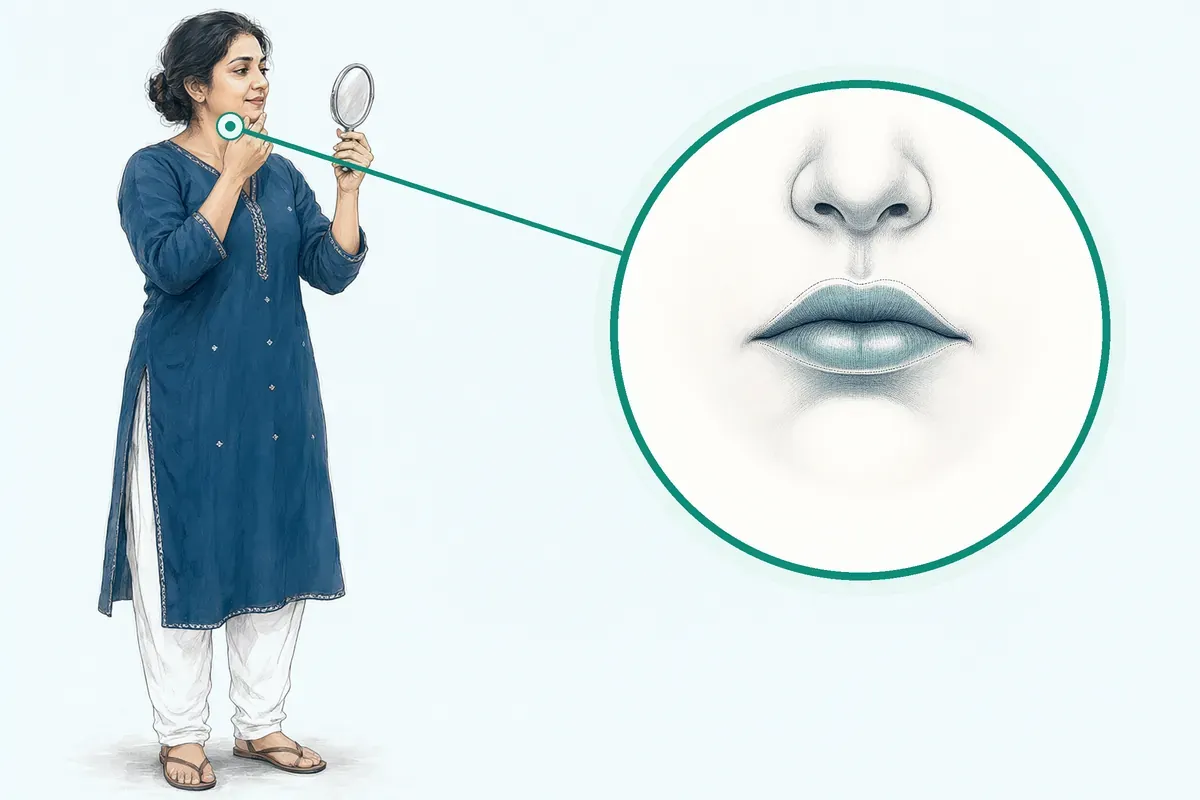
- Operation time
- 1 to 1.5 hours
- Anaesthesia
- Local anaesthesia
- Recovery
- Stitches out in 1 week, swelling 2 weeks
- Price
- ₹40,000 to ₹1,20,000typical range in India; ask us for an estimate
Lips out of proportion
My lips look too large or my upper lip feels too long
Large lips can make eating or speaking awkward. A long upper lip hides the teeth and ages the face. You may have tried fillers and been unhappy, or simply want a lasting change without injections.
-
Eating and speaking trouble
Excess tissue can get in the way of normal mouth function.
-
Unhappy after fillers
Previous augmentation may leave lumps, asymmetry or a result you dislike.
-
Teeth hidden when smiling
A long upper lip covers the teeth and can make you look older.
-
Self-conscious in photos
You avoid smiling or feel awkward in social situations.
Surgery is the only way to permanently reduce lip size without ongoing injections.
Why Jaipur Hospital
You worry about the scar, the swelling, and whether you will need weeks off work.
Your care plan
Your first steps with us
- 1 Call or walk in for an OPD consultation with a plastic surgeon
- 2 Get examined, review options and receive a cost estimate
- 3 Have daycare surgery under local anaesthesia
- 4 Return for suture removal at one week and routine follow-up
How the operation is done
Surgery takes about one hour under local anaesthesia. You go home the same day. Stitches are usually removed within a week.
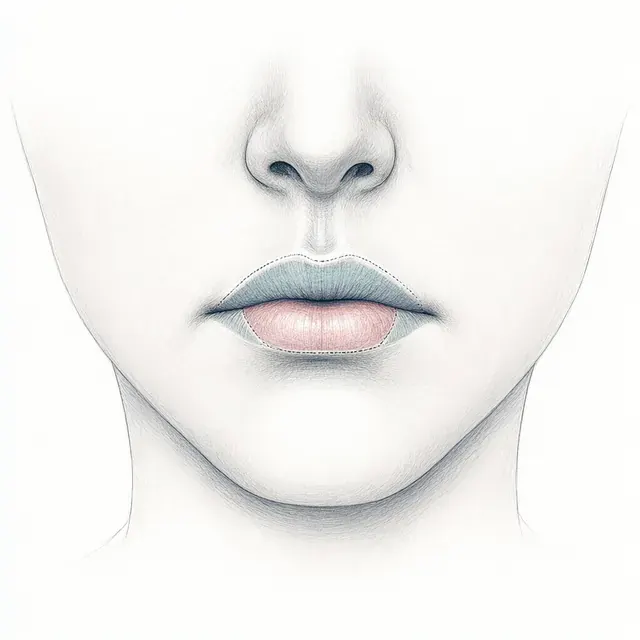 Wedge markedWedge of inner lip lining marked for removal
 Wedge closedInner lip closed with dissolvable stitches
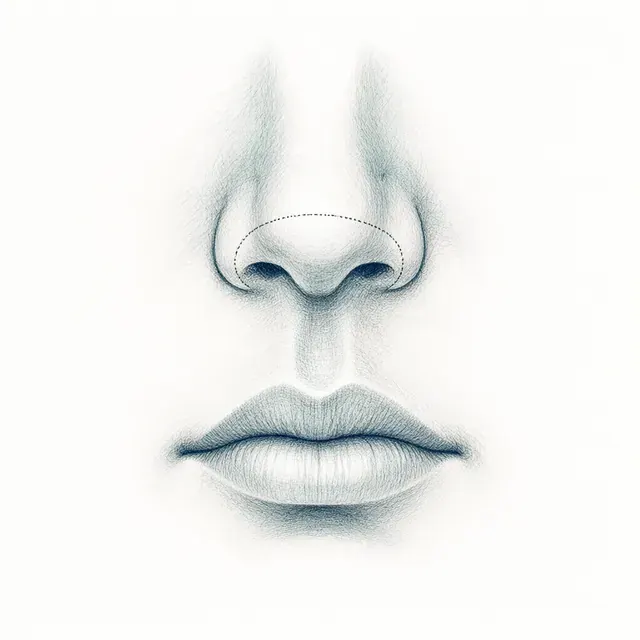 Bullhorn markedCrescent of skin under nose marked for removal
-
Lip reduction: wedge excision
A wedge of the inner lip lining is removed through incisions inside the mouth, leaving no external scar.
-
Bullhorn lip lift: subnasal excision
A strip of skin under the nose is removed to lift the upper lip, leaving a scar hidden at the nostril base.
Why patients trust us
- 1991 Serving Jaipur for 35 years
- NABH Accredited hospital
- 1 Plastic Surgery consultants
- 24×7 Emergency, ICU and ambulance
- 33 Cashless schemes and insurers
What studies report
-
About 1 hour
Lip reduction surgery typically takes about an hour to complete.
-
1 to 2 weeks
Most people return to usual activities within one to two weeks after surgery.
-
Swelling 2 to 3 weeks
Most swelling and bruising resolves within two to three weeks after the procedure.
If it is left untreated
Without treatment, large lips may continue to interfere with eating and speech, and a long upper lip will keep hiding the teeth when you smile.
Life after treatment
Most people see the final shape once swelling settles, usually within a few weeks.
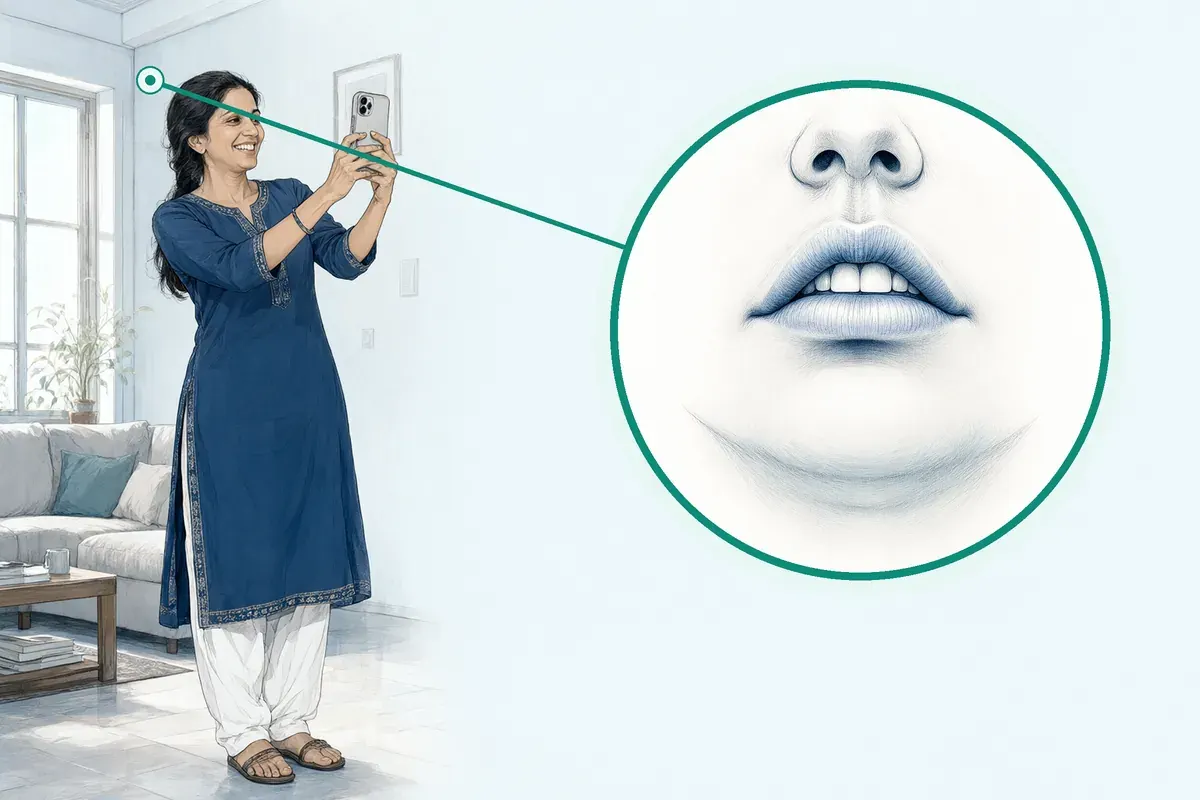
-
Lips in proportion
The lips usually match the rest of the face better.
-
Teeth show when smiling
A lip lift typically reveals more of the upper teeth.
-
Easier eating and speaking
Reduced bulk often improves comfort with daily mouth function.
-
Confidence in photos
Most patients feel less self-conscious about their smile.
Meet the team
Your plastic surgery doctors
Explore our plastic surgery hospital in Jaipur: every treatment, the doctors and what to expect at your visit.

Frequently asked questions
Questions patients ask about lip reduction and lip lift
What is lip lift and lip reshaping?
In short
Lip lift and lip reshaping are surgical procedures that change the size, shape or position of the lips. At Jaipur Hospital, our plastic surgery team performs lip reduction to decrease lip volume and bullhorn lip lift to shorten the distance between the nose and upper lip. Both operations are done under local anaesthesia as daycare procedures.
In detail
Lip reduction uses a wedge excision of the vermilion and mucosa on the inside of the lip to remove excess tissue, which reduces the height and bulk of the upper lip, lower lip or both.
The bullhorn lip lift removes a strip of skin just beneath the nostrils, lifting the upper lip upward to show more vermilion and teeth.
Evidence shows these procedures address lips that appear large due to genetics, previous augmentation or trauma, and that results are long-lasting once healing finishes. The operations typically take one to one and a half hours, and stitches are removed or dissolve within a week.
A common belief
Many people think fillers or exercises can permanently change lip size, but evidence confirms surgery is the only way to permanently reduce lip volume or lift the upper lip.
What actually happens
Non-surgical options only give temporary camouflage.
Your next step at Jaipur Hospital
After surgery you can expect swelling for about two weeks and a soft diet for the first few days. Most people return to routine activities within a week, though jobs needing much talking may need two weeks. Final contour settles over a few months. Your surgeon will explain the technique that fits your anatomy and goals.
Which specialist should I see for lip lift or lip reshaping?
In short
You should see a plastic surgeon who performs lip reduction and lip lift procedures. At Jaipur Hospital, the Plastic Surgery department handles these surgeries. The surgeon has training in both the wedge excision technique for lip reduction and the bullhorn subnasal excision for lip lift.
In detail
Plastic surgeons are trained in the anatomy of the lip, the vermilion border and the facial muscles that control expression. They perform wedge excision of the vermilion and mucosa for reduction and subnasal skin excision for the bullhorn lift.
Both procedures require precise incision placement to hide scars inside the mouth or under the nose. The surgeon also manages local anaesthesia, wound closure with absorbable sutures and post-operative care including suture removal at one week. Other specialists such as dermatologists or ENT surgeons do not typically perform these structural lip surgeries.
A common belief
Some patients visit dermatologists or cosmetic clinics expecting surgical lip changes, but only a plastic surgeon has the training to remove tissue and restructure the lip with hidden scars.
What actually happens
Non-surgical providers cannot permanently reduce lip volume.
Your next step at Jaipur Hospital
Visit the Plastic Surgery OPD at Jaipur Hospital for a consultation. The surgeon will examine your lips, discuss your goals and explain the technique that fits your anatomy. Routine blood tests and a pre-anaesthesia check are done before the daycare surgery.
Stitches are removed in about one week and swelling settles in two weeks. The typical price range in India is ₹40,000 to ₹1,20,000.
What treatment options are available for lip lift or lip reduction?
In short
Surgical options are lip reduction by wedge excision inside the mouth, and bullhorn lip lift by removing skin under the nose. Both are done as daycare under local anaesthesia at Jaipur Hospital. Non-surgical choices include waiting for hyaluronic acid filler to dissolve or using makeup to alter appearance.
In detail
Evidence confirms surgery is the only way to permanently reduce lip size. Lip reduction removes a wedge of mucosa and vermilion through internal incisions, leaving no external scar.
The bullhorn lift excises a crescent of skin below the nostrils, lifting the upper lip and showing more vermilion; this leaves a fine scar under the nose. Other lift types exist but the bullhorn is the standard external approach.
Surgery takes one to one and a half hours. Cost typically ranges from ₹40,000 to ₹1,20,000. The surgeon may combine either procedure with other facial surgery if desired.
A common belief
Fillers add volume but cannot reduce lip size or lift the lip permanently.
What actually happens
Laser or radiofrequency devices are not offered at Jaipur Hospital for lips. Only surgery gives a lasting structural change.
Your next step at Jaipur Hospital
At consultation, the surgeon examines your lips and recommends the technique that matches your goal — less volume or more upper lip show. Surgery is daycare; stitches out in one week, swelling settles in two to three weeks. Final results appear over a few months.
What can I safely do at home to manage symptoms after lip reduction or lip lift surgery?
In short
After lip reduction or lip lift surgery at Jaipur Hospital, you can manage symptoms at home by keeping your head elevated, applying ice packs for the first few days, eating a soft diet, and taking prescribed or over-the-counter pain medicine as directed. Avoid excessive lip movement and do not pick at scabs.
In detail
Swelling and bruising are expected for the first two to three weeks. Gentle pressure with ice packs helps reduce swelling in the initial days. Sleep with two pillows to keep your head raised.
A soft or pureed diet avoids irritating the incisions, especially acidic foods like oranges and tomatoes. Your surgeon may recommend rinsing with antiseptic mouthwash to prevent infection. Dissolvable sutures remain visible for one to two weeks; do not trim or pull them.
Small amounts of bleeding may occur in the first week; apply gentle pressure to stop it. Numbness or tingling can last several weeks to months. Avoid strenuous exercise for two to three weeks. Most people return to usual activities within one week.
A common belief
Do not pick at scabs or pull loose sutures.
What actually happens
Avoid acidic foods that sting the incisions. Strenuous exercise should wait two to three weeks. Numbness and tightness when smiling are normal and can last weeks to months.
Your next step at Jaipur Hospital
Follow all written postoperative instructions from your surgeon. Contact the hospital if you notice excessive pain, redness, pus, or bleeding that does not stop with pressure.
How does the term "interferential therapy" relate to lip lift and lip reshaping?
In short
Interferential therapy is a physiotherapy modality that uses electrical currents for pain relief and muscle stimulation. It has no role in lip lift or lip reshaping surgery at Jaipur Hospital. These procedures are surgical, performed under local anaesthesia, and involve removing skin or mucosal tissue to change lip height or volume. Physiotherapy modalities are not part of the surgical plan or recovery protocol for these operations.
In detail
Lip reduction uses a wedge excision of the vermilion and mucosa inside the mouth. A bullhorn lip lift removes a strip of skin under the nose to shorten the philtrum.
Both are done in the operating theatre under local anaesthesia and take about one to one and a half hours. Evidence shows these are surgical techniques that rely on tissue excision and precise suturing, not on electrical or physical therapy modalities.
Interferential therapy is used in rehabilitation settings for conditions such as muscle spasm or joint pain and does not alter lip anatomy or surgical outcomes.
A common belief
Lip lift and lip reduction are surgical procedures that remove tissue under local anaesthesia.
What actually happens
They do not involve any physiotherapy modality during the operation or as a primary recovery tool.
Your next step at Jaipur Hospital
If you are considering lip lift or lip reshaping, the next step is a consultation with our plastic surgery team. They will examine your lip anatomy, discuss your goals, and explain the surgical technique, recovery timeline, and possible risks. You will receive a personalised estimate within the typical range. To arrange an appointment, contact Jaipur Hospital.
Are my expectations realistic for my anatomy and health?
In short
Realistic expectations depend on your lip anatomy, general health, and the specific changes you want. At Jaipur Hospital, the surgeon assesses these factors during a consultation. Good candidates are in generally good health, have realistic surgical expectations, and understand that results aim for improved proportion rather than perfection. The surgeon will advise whether your goals match what surgery can achieve.
In detail
Evidence shows that good candidates for lip reduction are individuals in generally good health with realistic expectations and overly large lips out of proportion with other facial features.
For lip lift, good candidates are physically healthy, lack tooth visibility, have an elongated upper-lip distance, and lack fullness in the upper lip. The surgeon evaluates lip shape, symmetry, tissue quality, and any previous procedures or trauma.
Studies note that perfect symmetry is an elusive goal because the body is not perfectly symmetric. The surgeon will explain what is achievable for your anatomy, including the possibility of minor asymmetries that are uncommon but can occur.
A common belief
Good candidates are in good health and understand that surgery improves proportion, not perfection.
What actually happens
Evidence notes that perfect symmetry is not possible because the body is naturally asymmetric. The surgeon checks lip shape, tissue quality, and any past procedures before advising what can be achieved.
Your next step at Jaipur Hospital
The next step is a consultation where the surgeon examines you, discusses your goals, and explains the likely outcome.
You will receive information on the procedure, recovery of one to two weeks for swelling, stitches removed in about a week, and the typical cost range of ₹40,000 to ₹1,20,000. To schedule your consultation, call 7414 001 001 or visit the OPD at Jaipur Hospital.
How will appearance, function, and realistic expectations be discussed?
In short
At Jaipur Hospital, the surgeon discusses appearance, function, and realistic expectations during the consultation. The surgeon examines your lip anatomy, reviews your goals, and explains what surgery can achieve for proportion, shape, and oral function such as eating and speaking. The conversation covers the surgical technique, recovery timeline, potential risks, and the typical cost range of ₹40,000 to ₹1,20,000.
In detail
Evidence shows that before lip reduction surgery, you meet with your plastic surgeon for a physical exam and a review of your expected outcome and goals. The surgeon answers any questions you might have.
Lip reduction can improve facial harmony, reduce genetically large lips, remove excess tissue causing deformities, and improve functionality such as eating, drinking, and speaking. For lip lift, good candidates lack tooth visibility, have an elongated upper-lip distance, and lack fullness.
The surgeon explains that perfect symmetry is an elusive goal because the body is not perfectly symmetric, and that results aim for improved proportion. The surgeon also discusses risks such as asymmetry, scarring, infection, and changes in sensation, and how these are managed.
A common belief
Evidence shows the surgeon performs a physical exam and reviews expected outcomes.
What actually happens
Lip reduction can improve harmony, reduce large lips, and help with eating or speaking. Lip lift addresses tooth visibility and upper-lip length. The surgeon explains that perfect symmetry is not possible and discusses risks like asymmetry or scarring.
Your next step at Jaipur Hospital
The consultation is your opportunity to ask questions and understand the likely outcome. You will receive details on the procedure, recovery of one to two weeks for swelling, stitches removed in about a week, and the typical cost range. To book your consultation, call 7414 001 001 or visit the OPD at Jaipur Hospital.
Which symptoms or changes should prompt me to seek medical advice for lip lift or lip reshaping?
In short
You should seek medical advice if your lips appear too large for your face, cause difficulty with eating, drinking or speaking, or if you are unhappy with the results of previous lip augmentation such as silicone injections or fat transfer. Asymmetry after trauma or a congenital defect is another reason to consult.
In detail
Large lips may be genetic, congenital or the result of previous enhancement procedures that used long-term fillers. Trauma or disease can also create irregular tissue.
A bullhorn lip lift is considered when the distance between the nose and upper lip is long, the upper lip lacks fullness or tooth show is reduced. These changes affect both appearance and function.
The surgeon will assess whether your concerns are mainly aesthetic or if there is a functional problem such as lip incompetence that makes it hard to keep the lips closed comfortably.
A common belief
People often wait hoping the problem will resolve on its own, but genetic or post-filler lip enlargement does not shrink without surgery.
What actually happens
Medical treatment such as steroids only helps when swelling is from an inflammatory condition, not from excess tissue.
Your next step at Jaipur Hospital
At your first visit to Jaipur Hospital, the surgeon will examine your lips, take a history of any previous treatments and discuss your expectations. No special scans are usually needed.
If you decide to proceed, routine blood tests and a pre-anaesthesia check are arranged. Surgery is scheduled as a daycare procedure under local anaesthesia.
What will the doctor ask and check at the first visit for lip lift or lip reshaping?
In short
At the first visit, the plastic surgeon at Jaipur Hospital will ask about your concerns, any previous lip treatments or surgeries, medical history and what you hope to achieve. The surgeon will examine your lip size, shape, symmetry, vermilion border and the distance between your nose and upper lip.
In detail
The surgeon checks whether your lips are proportionate to your facial features and assesses function such as lip competence and ease of eating or speaking. If you have had previous fillers, the surgeon notes the type and any complications.
For a lip lift, the philtral length and tooth show at rest are measured. The surgeon explains the two techniques: wedge excision for reduction and bullhorn subnasal excision for lift.
You will be told about local anaesthesia, the daycare stay, suture removal at one week and swelling for about two weeks. The typical price range in India is ₹40,000 to ₹1,20,000. The surgeon also discusses risks such as asymmetry, scarring, numbness or over- or under-correction.
A common belief
Patients often expect a quick prescription or non-surgical fix, but the consultation is a detailed assessment to ensure surgery is appropriate and to plan the exact tissue removal.
What actually happens
The surgeon also checks for unrealistic expectations that could lead to dissatisfaction.
Your next step at Jaipur Hospital
If you decide to proceed, routine blood tests and a pre-anaesthesia evaluation are arranged. You will be advised to stop tobacco and any medicines that increase bleeding risk. Surgery is scheduled as a daycare procedure under local anaesthesia.
After surgery you follow a soft diet, keep your head elevated and avoid strenuous activity for two weeks. Stitches are removed or dissolve in about one week.
Can lip size or shape improve without a procedure or operation?
In short
Lip size and philtrum length do not change on their own. If large lips are due to temporary hyaluronic acid filler, the filler may dissolve over several months. At Jaipur Hospital, our plastic surgery team explains that structural lip reduction or lift requires surgery.
In detail
Evidence states it is not possible to permanently reduce lip size without surgery. Makeup can camouflage shape temporarily. Medical treatment such as corticosteroids helps only if swelling is from an inflammatory condition. long-term fillers like silicone or fat do not dissolve and need surgical removal.
Exercises, creams or devices do not alter the underlying vermilion or bone structure. The bullhorn lip lift shortens the philtrum by removing skin, which cannot be achieved non-surgically.
A common belief
Many people try lip exercises, suction devices or topical products hoping for shrinkage, but evidence shows these cannot reduce vermilion height or shorten the philtrum.
What actually happens
Surgery is the only method that permanently alters lip anatomy.
Your next step at Jaipur Hospital
If your concern is recent hyaluronic acid filler, you may wait up to nine months for natural dissolution or ask a surgeon about enzyme dissolution. For genetic, congenital or post-traumatic lip size, surgery is the only lasting correction. The consultation will clarify which situation applies to you.
FAQ library
Questions and answers about lip reduction and lip lift
When you contact us
Get a clear plan and estimate
Book an OPD consultation to have your case reviewed, options explained and a cost estimate prepared before you decide.
- A consultation with a plastic surgeon in the OPD
- Your scans and reports reviewed, with tests done in-house if you need them (laboratory, X-ray and imaging)
- Your options explained in plain words, including whether you need surgery at all
- A cost estimate before you decide
- Help with cashless treatment under MAA Yojana and empanelled insurers and TPAs
- Follow-up visits after your treatment
Overview
Lip Reduction and Lip Lift: what to know
What lip reduction and lip lift are
 Large lipsLips out of proportion with the face
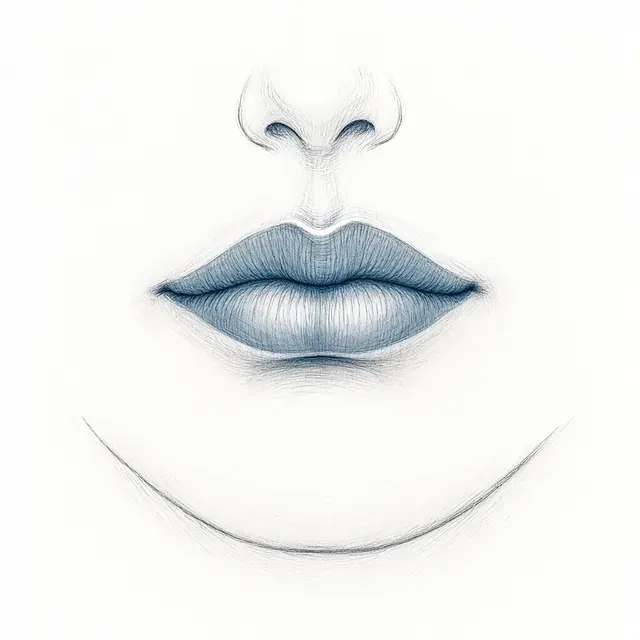 Reduced lipsLips reshaped to M, M and W contours
- Lip reduction
- Removes tissue to make lips smaller
- Bullhorn lip lift
- Shortens nose-to-lip distance
- V-Y lip lift
- Adds fullness to upper and lower lips
Lip reduction surgery reduces the size and changes the shape of your lips. It works by removing unwanted skin and tissue from the lips. A lip lift is a surgical procedure where a portion of skin between the upper lip and nose is removed, thereby shortening what is known as the philtral distance.
The bullhorn or subnasal lip lift is designed to increase lip fullness. A V-Y lip lift can add fullness to the upper and lower lips. Larger-than-average lips may appear out of proportion with other facial features and can interfere with eating, drinking and speaking.
Lip reduction surgery can help accomplish a desirable lip shape where the upper, middle and lower linear contours appear similar to the letters M, M and W.
Symptoms and when to seek urgent care
- Excessive pain, redness or pus May be signs of infection
- Excessive bleeding or a haematoma Seek care the same day
You may notice that your lips look too large for your face or that the upper lip covers too much of your teeth when you smile. Some people have difficulty closing their lips comfortably or feel self-conscious about the appearance. After surgery, it is normal to experience numbness or itchiness as the lips are healing. Swelling and bruising are expected.
The lips can become larger than they were before surgery during the first few days after lip reduction. It is normal for the incision to be turned outward during the early stages of healing before it gradually settles. Small amounts of bleeding during the first week or two are expected.
It is normal for a stitch to loosen early or a small portion of the incision to open. Temporary numbness can last from several weeks to a few months. Contact a healthcare provider immediately if you experience excessive pain, redness or pus around the incision sites, as these may be signs of infection. Also seek care the same day if you have excessive bleeding or a haematoma.
Causes and who is at higher risk
- Genetics
- Born with larger lips
- Previous lip enhancement
- Fillers such as silicone, fat or Bellafill
- Trauma or disease
- Injury or illness causing irregular appearance
The source of large lips can include:
- Genetics
- Congenital defects
- An injury to the lips
- A previous and poorly executed lip augmentation
Lip reduction surgery addresses overly large or deformed lips caused by genetics, previous lip enhancement procedures, or medical concerns such as lip ptosis. Many people seeking lip reduction are looking to reverse results they are unhappy with after a past lip enhancement procedure with long-term filler such as silicone injections, fat transfer, or Bellafill.
Others have always had large lips due to genetics and wish to reduce their size for better facial proportion. Lip reduction can also help people with abnormalities after trauma or disease by removing excess tissue causing an irregular appearance and correcting functional issues.
Good candidates for lip lift are physically healthy with realistic expectations, lack tooth visibility, have an elongated upper-lip distance, and lack fullness in the upper lip. Good candidates for lip reduction are in generally good health with realistic surgical expectations and have overly large lips out of proportion with other facial features.
How the condition is diagnosed
Before surgery, you will meet with your plastic surgeon for a consultation. They will perform a physical exam and review your expected outcome and goals of the procedure. They will answer any questions you might have about the surgery during this visit.
If your surgeon determines you are a good candidate for the procedure, they will give you specific instructions to follow before your surgery. The assessment focuses on lip size, shape, symmetry, and how the lips relate to other facial features. The surgeon also checks for any functional problems with eating, drinking, or speaking.
Non-surgical options and when surgery is advised
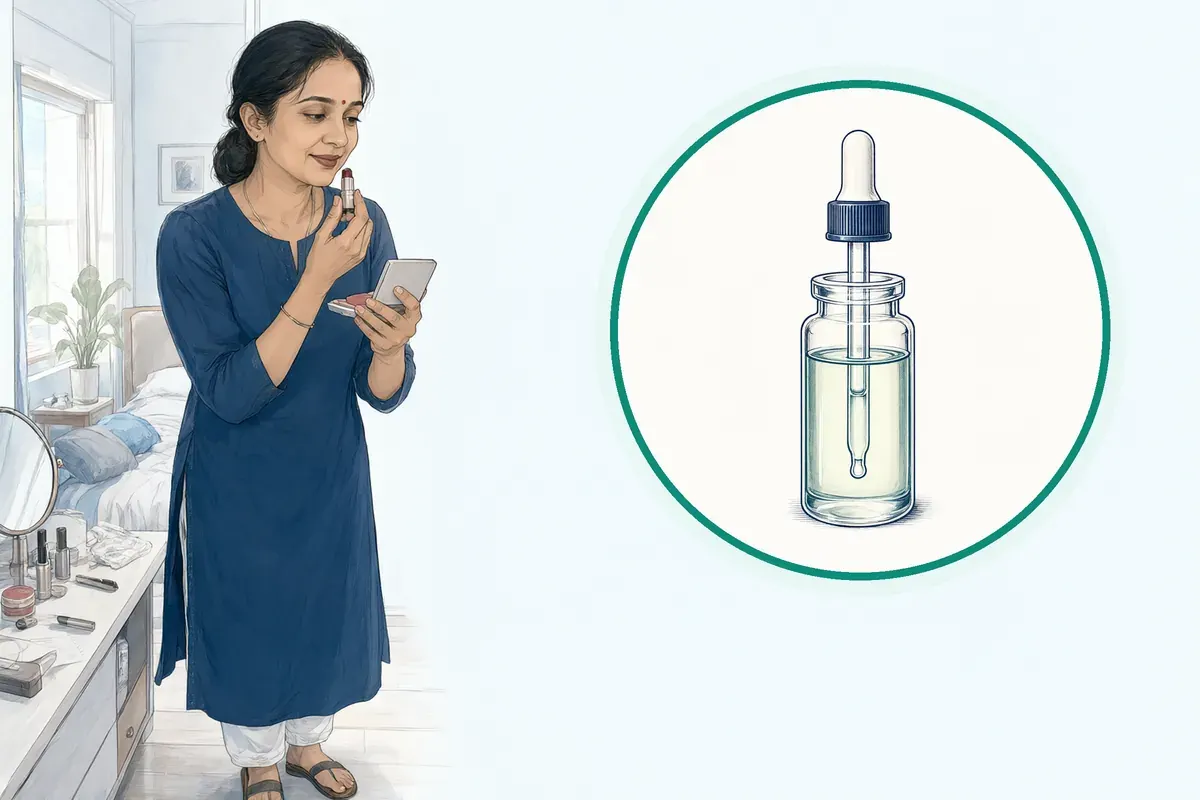
It is not possible to permanently reduce the size of your lips without surgery. If you have a condition that causes your lips to swell, medical treatments like corticosteroids may help.
If you had lip filler with hyaluronic acid and are unhappy with how it looks, you could wait until the substance naturally dissolves, which might take up to nine months. Or you can talk to your plastic surgeon about a procedure to dissolve your lip filler sooner. You might try using makeup to change how your lips look a bit.
Surgery is advised when non-surgical options are not suitable or when you seek a lasting change in lip size or shape. Lip reduction results are long-term, but if you find that your lips are too thin after your surgery, lip augmentation may be performed to correct this outcome.
A lip reduction may be performed alone or paired with another cosmetic procedure such as a lip lift, rhinoplasty, cheek augmentation, or a facelift.
Preparing for lip reduction and lip lift surgery
Before the operation you will meet your surgeon in the OPD. The surgeon will examine your lips, discuss what you want to change, and explain which technique suits your anatomy. You should tell the surgeon about every medicine you take, including blood thinners, aspirin, herbal supplements, and any history of abnormal scarring or keloids.
Most surgeons recommend stopping tobacco use for several weeks before the procedure because smoking can slow healing. You will also be asked to avoid food, beverages or medicines that increase the risk of bleeding or bruising. The operation is done under local anaesthesia, so you will be awake but the lips will be numb.
You do not need to fast for a general anaesthetic, but your surgeon may ask you to eat a light meal a few hours before you arrive. Bring a list of your current medicines, any previous surgical records, and an attendant who can take you home afterwards. Wear comfortable clothing that does not need to be pulled over your head.
How lip reduction and lip lift surgery is done
The operation usually takes one to one and a half hours and is performed as a daycare procedure, so you go home the same day. Your surgeon will mark the planned incisions while you are sitting up. After the local anaesthetic injections, the surgeon proceeds with the technique chosen for you.
For lip reduction, the surgeon makes an incision on the inside of the upper lip, lower lip, or both. A wedge of vermilion (the pink part) and mucosa is removed, and the edges are closed with absorbable sutures. The scar stays inside the mouth.
For a bullhorn lip lift, the surgeon removes a strip of skin just under the nose, shaped like a bullhorn, and lifts the upper lip upward. This shortens the distance between the nose and the lip (the philtral distance) and shows more of the pink vermilion. The incision follows the base of the nostrils, so the scar sits in the natural crease under the nose.
Your surgeon will advise which technique matches your lip shape and the change you want. Lip reduction can be done alone or combined with other facial procedures such as rhinoplasty or chin augmentation. The choice of technique and the amount of tissue removed are planned to keep the lips in proportion with the rest of your face.
Risks and possible complications of lip reduction and lip lift surgery
Lip reduction and lip lift are generally safe when performed by an experienced plastic surgeon. Most side effects are mild and temporary. Common early symptoms include swelling, bruising, mild to moderate pain, a feeling of tightness, and temporary numbness or tingling of the lips.
Small amounts of bleeding or a stitch loosening in the first week or two are also expected. The lips may look larger than before during the first few days because of swelling. The incision line may turn outward before it settles.
Less common risks include infection, asymmetry, scarring, haematoma, over‑reduction or under‑reduction, irregularities in muscle function, and loss of sensation. A bullhorn or Italian lip lift leaves a scar under the nostrils; a direct, central or corner lip lift leaves a scar along the upper lip line; only a V‑Y lift leaves no external scar.
In a large series of over a thousand lip reductions, only two patients developed a slightly thickened scar along the incision. True facial keloids are nearly impossible even in patients who have keloids elsewhere. Removing too much tissue can cause an unnatural appearance, a gummy smile, or difficulty closing the lips comfortably.
Removing too little may leave you feeling that little has changed. Following the preoperative and postoperative instructions given by your surgeon can lessen many of these side effects. Contact the hospital immediately if you notice excessive pain, spreading redness, pus, increasing swelling, or any sign of infection.
Recovery and aftercare after lip reduction and lip lift surgery
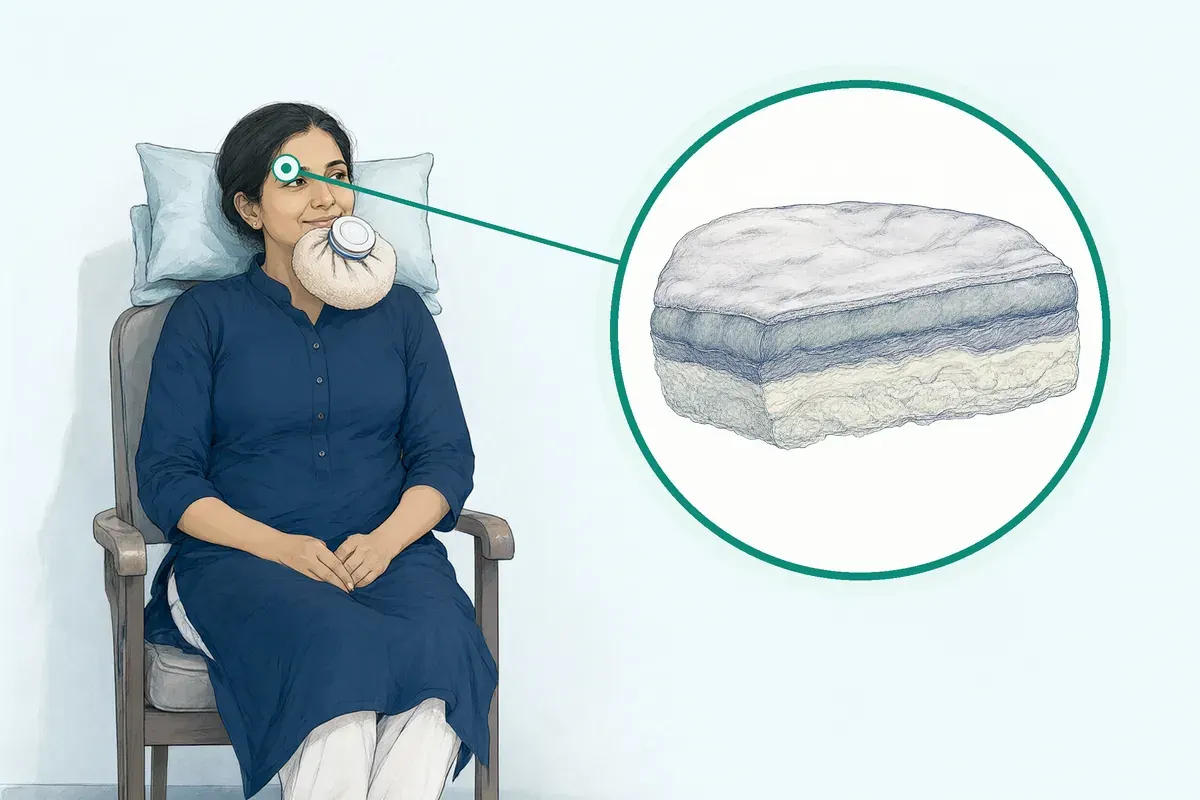
You go home a few hours after the operation. Stitches are usually removed or dissolve within one week. Swelling typically lasts two weeks, though some mild swelling can persist for a few months. Most people return to usual activities within one week. If your work involves a lot of talking, plan for one to two weeks off.
In the first 24 hours keep the lips dry. Apply gentle pressure with ice packs during the first few days to reduce swelling and pain. Keep your head elevated on two pillows when lying down. Eat a soft, pureed diet for the first two weeks; avoid acidic foods such as oranges and tomatoes that can irritate the wounds.
Rinse with an antiseptic mouthwash as advised to help prevent infection. Do not pick at scabs; they will fall off naturally. Do not trim loose suture ends until after the first week. Avoid strenuous exercise for two to three weeks. Your surgeon will tell you when you can resume vigorous activity.
Tightness when smiling or opening the mouth is normal for several weeks to a few months. Final results of a lip lift stabilise around two to three months; lip reduction results are usually visible once swelling fades at two to three weeks, with full maturation up to six months. Attend the follow‑up appointment so your surgeon can check healing.
Call the hospital if you develop fever, increasing pain, spreading redness, pus, heavy bleeding, or a sudden change in lip sensation.
Results of lip reduction and lip lift surgery
Lip reduction permanently removes tissue, so the size reduction is lasting. If the lips become thinner than you wish, lip augmentation can be considered later. Lip lift results are also long‑lasting. In studies, patients report improved facial harmony, better proportion between the lips and other features, and improved function when large lips interfered with eating, drinking or speaking.
Visible scarring after lip reduction is uncommon because the incision is inside the mouth. Minor asymmetries are uncommon; most perceived asymmetry existed before surgery or is too subtle to notice in daily life. Perfect symmetry is not achievable because the body is naturally asymmetric. Follow‑up consultations with your surgeon help ensure the most suitable outcome. The procedure can be combined with other facial surgery such as rhinoplasty, cheek augmentation or facelift for overall balance.
Cost and insurance for lip reduction and lip lift in Jaipur
The typical price range in India is ₹40,000 to ₹1,20,000. The final cost depends on whether one lip or both are treated, the technique used, whether another procedure is done at the same time, and the anaesthesia and facility charges. Lip reduction and lip lift are considered cosmetic procedures and are not usually covered by health insurance.
Jaipur Hospital is empanelled under MAA Yojana and a panel of private insurers and TPAs; these schemes cover eligible medical treatments but not cosmetic surgery. The hospital can provide an estimate after your surgeon assesses you in the OPD. Payment can be made at the in‑house pharmacy and billing counter. If the cost is a concern, ask your surgeon about financing options.