

Sports Injury · Jaipur Hospital
Sport Specific Injury Clinics in Jaipur
You hurt doing the sport you love. We assess, explain and give you a clear rehab plan.
- Serving Jaipur since 1991 (35 years)
- NABH accredited
- 24×7 emergency & ICU
- Cashless: RGHS, MAA Yojana, CGHS + 22 insurers
- Consultation time
- 30 to 45 minutes
- Anaesthesia
- Not needed
- Recovery
- Sport-specific rehab timeline 4 to 16 weeks
- Price
- ₹1,500 to ₹5,000 per consultationtypical range in India; ask us for an estimate
Sport stops, pain starts
Your sport injury keeps you off the field
Pain, swelling or instability appears when you play. Rest helps briefly, but symptoms return with activity. You worry about losing fitness, missing selection or needing surgery.
-
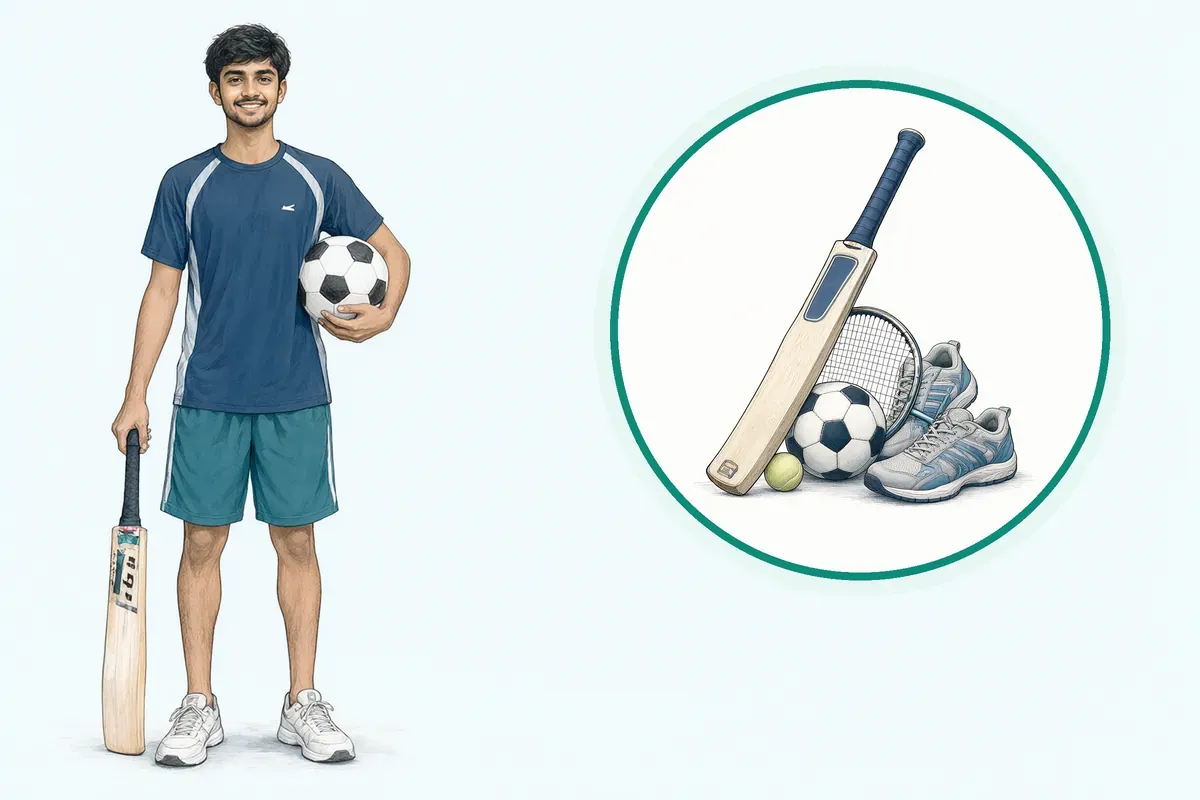
Cricket: back and shoulder load
Fast bowlers feel lumbar stress or side strain from repetitive action and high workload.
-
Football: knee and ankle give way
ACL, meniscus, syndesmosis or groin injuries cause giving way and swelling.
-
Tennis: elbow and shoulder ache
Lateral epicondylitis, rotator cuff or scapular dyskinesis hurt on serve and backhand.
-
Running: leg pain builds up
Stress fracture, IT band, plantar fasciitis or gait issues worsen with mileage.
Tennis elbow affects 1 to 3 percent of adults each year and up to 50 percent of tennis players develop symptoms.
Why Jaipur Hospital
You fear the time off work or studies, the cost of scans and the uncertainty of whether you will play again.
Your care plan
Your first steps with us
- 1 Call or visit OPD for specialist consultation
- 2 Get scans and tests done in-house
- 3 Review options and receive a cost estimate
- 4 Start sport-specific rehab and scheduled follow-ups
How the assessment and treatment pathway works
A 30 to 45 minute consultation reviews your sport mechanics, imaging and goals. Your surgeon discusses surgical and non-surgical options. Rehab typically spans 4 to 16 weeks as an outpatient.
-
Cricket Fast Bowler Clinic
Manages lumbar stress fracture, side strain and shoulder workload with sport-specific loading plans.
-
Football Knee & Ankle Clinic
Pathways for ACL, meniscus, syndesmosis and groin injuries from diagnosis to return-to-play.
-
Tennis Elbow & Shoulder Clinic
Addresses lateral epicondylitis, rotator cuff and scapular dyskinesis with technique review.
-
Running & Endurance Clinic
Gait analysis, stress fracture, IT band and plantar fasciitis management with load guidance.
Why patients trust us
- 1991 Serving Jaipur for 35 years
- NABH Accredited hospital
- 1 Sports Injury consultants
- 24×7 Emergency, ICU and ambulance
- 25 Cashless schemes and insurers
What research shows about these conditions
-
55 percent pain improvement at 12 weeks
PRP-treated tennis elbow patients reported 55.1 percent improvement versus 47.4 percent in controls at 12 weeks.
-
71 percent pain improvement at 24 weeks
PRP group showed 71.5 percent improvement versus 56.1 percent in control group at 24 weeks follow-up.
-
Hip weakness linked to IT band syndrome
Three of five studies found hip abduction weakness in runners with iliotibial band syndrome.
If it is left untreated
Untreated injuries can lead to chronic instability, repeated giving way, early joint wear and longer absence from sport. Previous injury raises the risk of new running-related injury.
Life after treatment
Most people return to training with a structured plan, better movement control and confidence in their body.
-
Back to sport gradually
Most people follow a phased return-to-play plan over weeks, not days.
-
Stronger movement patterns
Rehab usually improves control and load tolerance for your specific sport.
-
Fewer flare-ups
With guided loading, most people report fewer recurrent pain episodes.
-
Clear maintenance routine
You leave with a simple weekly plan to keep the joint resilient.
Frequently asked questions
Questions patients ask about sport specific injury clinics
Which problems are assessed under sport specific injury clinics?
In short
Jaipur Hospital runs dedicated sport specific injury clinics for cricket, football, tennis, running and gym injuries. Each clinic focuses on the common injury patterns seen in that sport, such as lumbar stress fractures and side strains for fast bowlers, ACL and meniscus tears for footballers, lateral epicondylitis and rotator cuff problems for tennis players, and stress fractures, iliotibial band syndrome or plantar fasciitis for runners.
In detail
The clinics are organised around sport specific pathways because the mechanics and loading patterns differ between sports.
Evidence shows that tennis elbow is an overuse injury from repeated wrist extension against resistance and affects up to 50 percent of tennis players due to factors like poor swing technique or heavy racquets.
In distance runners, hip abduction weakness has been associated with iliotibial band syndrome, while other injuries such as patellofemoral pain, medial tibial stress syndrome, tibial stress fracture and Achilles tendinopathy have unclear links to hip weakness.
Cricket fast bowlers often develop lumbar stress fractures and side strains from repetitive hyperextension and rotation. Football players frequently sustain ACL, meniscus, syndesmosis and groin injuries from cutting, pivoting and contact. These patterns guide the focused assessment in each clinic.
A common belief
Many people assume a general orthopaedic visit is enough, but sport specific pathways matter because the loading patterns and injury mechanisms differ.
What actually happens
A runner with IT band syndrome needs gait analysis and hip strength testing, while a fast bowler needs workload management for the lumbar spine. The clinic structure matches the assessment to the sport.
Your next step at Jaipur Hospital
At your first visit you will have a 30 to 45 minute consultation where the surgeon takes a detailed history, examines the injured area and reviews any imaging you bring. Further tests such as X-ray, MRI or ultrasound may be ordered.
A sport specific rehabilitation plan is then outlined, typically lasting 4 to 16 weeks. The consultation fee ranges from ₹1,500 to ₹5,000.
How will the doctor decide which tests I need?
In short
The surgeon at Jaipur Hospital decides on tests based on your sport, injury mechanism, examination findings and the clinic pathway you are in. Common tests include X-ray for bony injury or stress fracture, MRI for soft tissue detail such as ACL, meniscus, rotator cuff or labral tears, and ultrasound for tendon pathology like tennis elbow or Achilles tendinopathy. Gait analysis may be used for running injuries.
In detail
Evidence shows that tennis elbow presents with pain at the common extensor origin and tenderness on resisted wrist extension, so ultrasound can confirm tendon changes.
In runners, hip abduction weakness is associated with iliotibial band syndrome, and stress fractures of the tibia or metatarsals need MRI for early detection. Cricket fast bowlers with lumbar pain may need MRI to assess for stress fracture or pars defect.
Football players with knee instability after twisting need MRI for ACL and meniscus evaluation. The surgeon selects imaging that matches the suspected pathology in your sport specific pathway, avoiding unnecessary tests.
A common belief
Ordering every scan is not helpful.
What actually happens
A runner with suspected stress fracture needs MRI, not just X-ray. A tennis player with elbow pain may only need ultrasound. The sport specific pathways at Jaipur Hospital guide targeted imaging so you get the right test without delay or extra cost.
Your next step at Jaipur Hospital
Tests are usually arranged within a few days. Results are reviewed at a follow up visit or by phone, and the sport specific rehab plan is adjusted accordingly. The typical consultation fee is ₹1,500 to ₹5,000.
How soon should I expect improvement after the chosen treatment for a sport-specific injury?
In short
Improvement timelines vary by injury and treatment at Jaipur Hospital. For non-surgical pathways such as physiotherapy, load management and injections, measurable change often begins within 4 to 6 weeks. Surgical recovery follows a sport-specific rehab timeline of 4 to 16 weeks, with progressive milestones for range of motion, strength and sport-specific drills.
In detail
Evidence from tennis elbow studies shows that eccentric exercise programmes produce faster pain regression, with about 10% higher responder rates at each pain reduction level during muscle contraction and elongation over three months.
PRP-treated patients reported 55% pain score improvement at 12 weeks and 71% at 24 weeks compared with control groups. For running-related injuries, hip abduction weakness is associated with iliotibial band syndrome, and targeted strengthening can reduce symptoms over 8 to 12 weeks.
Surgical outcomes for ACL reconstruction, rotator cuff repair and meniscus surgery typically show return to training at 4 to 6 months, guided by objective strength and hop testing. Your personal timeline depends on injury chronicity, adherence to rehab and sport demands.
- Evidence from tennis elbow studies shows that eccentric exercise programmes produce faster pain regression, with about 10% higher responder rates at each pain reduction level during muscle contraction and elongation over three months.
A common belief
Many expect instant relief, but tissue healing follows biological timelines.
What actually happens
Studies show eccentric exercises and PRP improve pain scores progressively over 12 to 24 weeks, not days. Rushing back increases re-injury risk.
Your next step at Jaipur Hospital
Your surgeon and physiotherapist will set weekly goals during the consultation and follow-up visits. You will receive a structured home exercise plan and criteria for progressing training load. Regular review ensures safe advancement.
How will my sport, training volume, recovery, and injury history be assessed at the sport-specific injury clinic?
In short
At Jaipur Hospital, the 30 to 45 minute consultation includes a detailed sport-specific history, training load review, injury timeline and physical examination. The clinician records your sport, position, weekly volume, intensity distribution, recovery practices, footwear, equipment changes and previous injuries with treatments and outcomes.
In detail
Evidence shows that a history of previous injury increases the risk of both general and specific running-related injuries. Irregular or absent menstruation is associated with increased stress fracture risk in female athletes.
Adolescent players are particularly vulnerable due to lower physical conditioning, open growth plates and reduced coordination. The assessment uses validated tools: gait analysis for runners, shoulder workload tracking for cricket bowlers, movement screening for footballers and racquet sport mechanics for tennis players.
Training errors such as sudden volume spikes, inadequate rest or technique faults are identified. Nutrition, sleep and menstrual history are reviewed where relevant. This comprehensive profile guides whether you enter a conservative pathway, need imaging or require surgical opinion.
A common belief
A quick exam misses the training errors that cause most overuse injuries.
What actually happens
Studies show previous injury history, menstrual irregularities and adolescent growth factors are key risk markers that only a detailed history reveals.
Your next step at Jaipur Hospital
Bring your training log, shoe wear pattern, equipment details and any prior imaging or reports to the consultation. The typical fee is ₹1,500 to ₹5,000. You will leave with a clear injury classification, contributing factor summary and a first-week action plan.
How can I decide whether to seek advice about cricket bowling shoulder?
In short
You should seek advice from Jaipur Hospital if shoulder pain appears during or after bowling, if you lose pace or accuracy, or if the shoulder feels unstable or clicks. The Cricket Fast Bowler Clinic evaluates workload, technique and any structural injury such as a rotator cuff tear or labral lesion. Early assessment can prevent a minor issue from becoming a season-ending problem.
In detail
Fast bowling places extreme rotational and distraction forces on the shoulder. The clinic reviews your bowling volume, action video and strength balance between the rotator cuff and scapular stabilisers. Evidence shows that workload spikes and poor scapular control raise injury risk.
A focused clinical examination and, when needed, imaging clarify whether the pain comes from overuse tendinopathy, internal impingement or a structural tear. This guides a targeted rehab plan rather than generic rest.
A common belief
Many bowlers try to bowl through soreness, hoping it will settle.
What actually happens
That often turns a tendinopathy into a tear or a labral injury that needs surgery. Early workload review and scapular strengthening can keep you on the field.
Your next step at Jaipur Hospital
Book a 30 to 45 minute consultation at the Cricket Fast Bowler Clinic. Bring your recent bowling logs and any prior scans. The surgeon will outline a sport-specific rehab timeline of 4 to 16 weeks and discuss workload progression.
Can I continue any training safely while I recover?
In short
Yes, you can often continue modified training while you recover, guided by the sport-specific clinic at Jaipur Hospital. The principle is relative rest: you avoid the provocative load but maintain cardiovascular fitness and strength in uninjured areas. Your surgeon and physiotherapist will define what is safe based on your injury type, healing stage and pain response.
In detail
Evidence supports cross-training and eccentric loading for tendinopathies, while bone stress injuries need impact reduction. The clinic prescribes alternatives such as swimming, cycling, or upper-body circuits that do not load the injured tissue. Load is progressed using pain-monitoring models. This prevents deconditioning, preserves movement patterns and shortens the return-to-sport timeline of 4 to 16 weeks.
A common belief
Complete rest causes loss of strength and fitness, making return harder.
What actually happens
Relative rest with cross-training and targeted rehab maintains capacity and speeds up comeback.
Your next step at Jaipur Hospital
Discuss your current training load at the 30 to 45 minute consultation. The team will give you a written weekly plan with green, amber and red exercises. Review it every two weeks as healing progresses.
Which symptoms should prompt me to see a specialist?
In short
You should see a specialist at Jaipur Hospital when pain or dysfunction limits your ability to train or play your sport. Common prompts include elbow tenderness with resisted wrist extension suggesting tennis elbow, knee swelling or giving way after a twisting injury pointing to ACL or meniscus damage, lower back pain that worsens with bowling or hyperextension, persistent heel or arch pain on running, and groin pain that does not settle with rest.
In detail
Evidence indicates that tennis elbow presents with pain and tenderness around the common extensor origin and is often an overuse injury from repeated wrist extension. In runners, a first time pain that impedes normal running for at least one day defines a running related injury.
Hip abduction weakness has been associated with iliotibial band syndrome. Ankle injury is the most common injury in tennis players. Lower extremity injuries are twice as common as upper extremity or spinal injuries across sports.
Adolescent players are at particular risk because they often start with lower physical conditioning and have open growth plates. A history of previous injury increases the risk of a new running related injury. These symptom patterns help identify when specialist assessment is warranted rather than self management.
A common belief
Players often wait too long, hoping rest will fix it.
What actually happens
But evidence shows previous injury raises the risk of new injury, and adolescents are especially vulnerable due to open growth plates and lower conditioning. Early assessment prevents a minor issue becoming a season ending problem.
Your next step at Jaipur Hospital
If you notice any of these symptoms lasting more than a few days or recurring with sport, book a 30 to 45 minute consultation. The surgeon will examine you, order imaging if needed, and outline a sport specific rehab timeline of 4 to 16 weeks. The typical consultation fee is ₹1,500 to ₹5,000.
How will the results change my care plan?
In short
Test results at Jaipur Hospital directly shape your sport specific care plan. Imaging that confirms a stress fracture, complete ligament tear, full thickness tendon tear or significant meniscus damage may shift the plan from rehabilitation alone to a discussion of surgical referral. Normal or mild findings support continuing a structured rehab programme with load management and gradual return to sport.
In detail
Evidence indicates that complete ligament tears such as ACL or PCL ruptures, deep meniscus damage, or tendon ruptures often need surgical repair to restore joint function and stability. Surgery becomes necessary when damage is too severe to heal naturally or through conservative treatment.
Minimally invasive arthroscopy allows faster healing, less pain and minimal scarring for many procedures like ACL reconstruction, rotator cuff repair and meniscus surgery. Open surgery may be needed for multiple ligament tears or joint fractures.
For overuse injuries like tennis elbow, studies show eccentric exercise programmes produce faster pain regression with higher responder rates. PRP has been studied for chronic tennis elbow with improvement in pain scores at 12 and 24 weeks. The surgeon uses your results to decide between continued rehab, injection options or surgical referral.
A common belief
Patients often assume any tear means surgery.
What actually happens
But evidence shows many overuse injuries like tennis elbow improve with eccentric exercise programmes. Even some partial ligament tears can be managed with rehab. The surgeon at Jaipur Hospital matches the plan to the severity shown on imaging and your sport goals.
Your next step at Jaipur Hospital
After results are available the surgeon will explain the findings and adjust your 4 to 16 week rehab timeline. You will receive clear guidance on activity restrictions, physiotherapy progression and follow up schedule. The consultation fee is typically ₹1,500 to ₹5,000.
What should I do if symptoms persist or worsen after treatment for a sport-specific injury?
In short
If symptoms persist or worsen, contact the sports injury team at Jaipur Hospital for a review appointment. Do not push through increasing pain, swelling, instability or new neurological signs such as numbness or weakness. Early reassessment allows adjustment of the rehab plan or further imaging if needed.
In detail
Evidence indicates that a history of previous injury increases the risk of recurrent or new running-related injuries. Persistent pain beyond expected timelines may signal incomplete healing, compensatory movement patterns or an overlooked structural issue.
In tennis elbow studies, patients with symptoms beyond three months despite conventional therapy were candidates for advanced interventions. For surgical cases, worsening pain or swelling after the initial post-operative period may indicate infection, graft irritation or hardware issues requiring prompt evaluation.
The clinic uses objective measures such as strength testing, gait analysis and pain scales to decide whether to modify load, change exercises or investigate further.
A common belief
Ignoring worsening symptoms often leads to longer downtime.
What actually happens
Studies show previous injury history raises re-injury risk, and persistent pain beyond three months despite therapy signals a need for reassessment, not more of the same exercises.
Your next step at Jaipur Hospital
Call the hospital to schedule a follow-up within the same week if symptoms escalate. Bring your current exercise log and any imaging reports. The 30 to 45 minute review consultation costs ₹1,500 to ₹5,000. The team will revise your programme or order additional tests.
Could technique, equipment, nutrition or inadequate rest be contributing to my sports injury?
In short
Yes, technique, equipment, nutrition and inadequate rest can all contribute to sports injuries. At Jaipur Hospital, the sport-specific clinics evaluate these factors during your consultation. Evidence shows poor swing technique and heavy racquets contribute to tennis elbow in up to 50 percent of players, while training errors, shoe stiffness and hip weakness affect running injuries.
In detail
Each sport has distinct risk factors. Cricket fast bowlers face lumbar stress fractures from workload spikes and technique flaws. Football players risk ACL, meniscus and groin injuries from cutting mechanics and surface interaction.
Tennis players develop lateral epicondylitis from repeated wrist extension against resistance, often worsened by grip size or string tension. Runners with iliotibial band syndrome often show hip abduction weakness. Evidence indicates minimalist shoes increase metatarsal and ankle loading, while softer midsoles reduce impact forces.
Irregular menstruation and oral contraceptive use affect stress fracture risk. Adolescent athletes with open growth plates and lower conditioning are especially vulnerable to overuse injuries from rapid load increases.
A common belief
Many athletes blame bad luck, but evidence shows modifiable factors like training spikes, wrong shoes, poor technique and inadequate recovery drive most overuse injuries.
What actually happens
Fixing these is part of treatment, not just rest.
Your next step at Jaipur Hospital
Your surgeon and physiotherapist will analyse your technique, review equipment, discuss nutrition and sleep, and identify training load errors. Corrections are built into your 4 to 16 week rehab plan.
FAQ library
Questions and answers about sport specific injury clinics
When you contact us
Get your sport injury assessed
Contact Jaipur Hospital for a specialist consultation, in-house tests, clear options, a cost estimate and cashless help.
- A consultation with a sports injury specialist in the OPD
- Your scans and reports reviewed, with tests done in-house if you need them (laboratory, X-ray and imaging)
- Your options explained in plain words, including whether you need surgery at all
- A cost estimate before you decide
- Help with cashless treatment under RGHS, MAA Yojana, CGHS and empanelled insurers and TPAs
- Follow-up visits after your treatment
Overview
Sport Specific Injury Clinics: what to know
What sport specific injuries are and how they happen
Sport specific injuries are conditions that develop from the repeated movements and loads of a particular sport. In cricket, fast bowlers often face lumbar stress fractures, side strains and shoulder workload problems because of the repetitive twisting and landing forces.
Football players commonly injure the knee and ankle, including ACL tears, meniscus damage, syndesmosis sprains and groin injuries from sudden changes of direction and contact. Tennis players frequently develop lateral epicondylitis, known as tennis elbow, rotator cuff problems and scapular dyskinesis from repeated overhead serving and groundstrokes.
Runners and endurance athletes often experience gait related issues, stress fractures, iliotibial band syndrome and plantar fasciitis from high mileage and impact forces.
Tennis elbow is generally regarded as an overuse injury involving repeated wrist extension against resistance. It can also occur as an acute injury due to trauma to the lateral elbow. The condition presents with pain and tenderness around the common extensor origin of the elbow.
In younger players, injuries are a particular problem because this group often begins playing with a lower level of physical conditioning. Preadolescent and adolescent players have open growth plates, reduced muscle power, lower coordination and smaller stature compared with adults. Tennis players frequently begin playing in childhood and may continue into late adulthood.
The most common types of injury in tennis players of all ages are muscle sprains and ligament sprains secondary to overuse. Overuse problems such as patellar tendinosis and tennis elbow are less common in younger players. Ankle injury is the most common injury overall. Anatomically, lower extremity injuries are twice as common as those to the upper extremity or spine. Some traumatic injuries, including contusions, abrasions, lacerations and fractures, may be unavoidable as a result of aggressive play.
Symptoms and warning signs that need urgent care the same day
- Severe pain not settling with rest
- Obvious deformity of limb or joint
- Inability to bear weight
- Sudden large swelling
- Open wound with bleeding
Common symptoms across sport specific injuries include:
- Pain during activity that eases with rest
- Swelling around a joint
- Reduced range of movement
- A feeling of instability or giving way
For tennis elbow, elbow tenderness and pain with resisted wrist extension are common manifestations. Running related injury is defined as any first-time pain sustained during or as a result of running practice that impedes normal running activity for at least one day. In distance runners, hip abduction weakness evaluated by handheld dynamometer may be associated with iliotibial band syndrome.
Hip abduction weakness is unclear as a significant factor for the development of patellofemoral pain syndrome, medial tibial stress syndrome, tibial stress fracture, or Achilles tendinopathy.
Seek urgent care the same day if you have:
- Severe pain that does not settle with rest
- Obvious deformity of a limb or joint
- Inability to bear weight
- Sudden large swelling
- Numbness or tingling that does not go away
- An open wound with bleeding
These signs may indicate a fracture, complete ligament tear, dislocation, or nerve or vascular injury that needs immediate assessment in the emergency department.
Causes and who is at higher risk
- 1 to 3 percent each year Tennis elbow in adults
- Up to 50 percent Tennis players with symptoms
The main causes are:
- Repetitive overload
- Sudden increase in training volume or intensity
- Poor technique
- Inadequate recovery
- Equipment or surface factors
In cricket, fast bowling places high rotational and compressive forces on the lumbar spine and shoulder. In football, cutting, pivoting and contact expose the knee and ankle to high loads. In tennis, the serve and forehand generate repetitive wrist extension and shoulder rotation.
In running, high mileage, sudden changes in pace or terrain, and worn footwear increase stress on bone and soft tissue.
A history of previous injury is associated with an increased risk of both general and specific running related injuries. Irregular or absent menstruation is associated with an increased risk of stress fracture development. The use of oral contraceptives was found to be associated with a decreased risk of skeletal stress fracture.
Tennis elbow is estimated to affect 1 to 3 percent of the adult population each year. Up to 50 percent of all tennis players develop symptoms due to various factors including poor swing technique and the use of a heavy racquet. Tennis elbow is more common in the dominant arm.
It is also seen in labourers who utilise heavy tools or engage in repetitive gripping or lifting tasks. In studies of chronic tennis elbow, patients had at least three months of symptoms and had failed conventional therapy. A total of 120 subjects with tennis elbow lasting more than three months were recruited from primary care and by advertisement.
How sport specific injuries are diagnosed: examination and tests
Diagnosis begins with a detailed history of your sport, training load, technique changes, footwear, and symptom pattern. The clinician examines the affected area for tenderness, swelling, range of movement, strength, and specific provocation tests. For tennis elbow, resisted wrist extension and palpation of the lateral epicondyle are key tests.
For running injuries, gait analysis may be performed to assess stride, foot strike, and hip control. Hip abduction strength can be quantified using a handheld dynamometer.
Studies group running injuries into:
- Iliotibial band syndrome
- Patellofemoral pain syndrome
- Medial tibial stress syndrome
- Tibial stress fracture
- Achilles tendinopathy
Imaging is used when the diagnosis is unclear or to plan treatment. X-rays show bone injury and joint alignment. Ultrasound can assess tendon structure and dynamic movement. MRI gives detailed views of ligaments, menisci, cartilage, bone stress, and muscle tears. CT may be used for complex fractures. The choice of test depends on the suspected structure and the information needed for your treatment plan.
Treatment options without surgery and when surgery is advised
- 55.1 percent PRP pain improvement at 12 weeks
- 71.5 percent PRP pain improvement at 24 weeks
- 75.2 percent PRP success rate at 12 weeks
- 83.9 percent PRP success rate at 24 weeks
Most sport specific injuries start with non-surgical management. This includes relative rest from the aggravating activity, targeted physiotherapy to address strength and control deficits, load management, technique correction, and equipment or footwear changes.
For tennis elbow, eccentric exercise performed daily at home with gradually increasing load has been shown to give faster regression of pain, with an average of 10 percent higher responder rate at all levels of pain reduction during muscle contraction and elongation. Platelet-rich plasma (PRP) has been studied as a therapy for chronic tennis elbow.
In one randomised controlled trial, PRP was prepared from venous whole blood at the point of care and contained concentrated platelets and leukocytes. At 12 weeks, PRP-treated patients reported an improvement of 55.1 percent in pain scores compared with 47.4 percent in the active control group. At 24 weeks, the improvement was 71.5 percent versus 56.1 percent.
Clinically meaningful improvements were found with leukocyte-enriched PRP at 24 weeks. Previous studies have suggested PRP to be a safe and effective therapy for tennis elbow. In that trial, patients received a local anaesthetic before extensor tendon needling with or without PRP. No significant complications occurred in either group.
Success rates at 12 weeks were 75.2 percent in the PRP group versus 65.9 percent in controls. At 24 weeks, success rates were 83.9 percent versus 68.3 percent. A successful outcome was defined as 25 percent or greater improvement on the visual analog scale for pain.
For running injuries, shoe characteristics can influence load. Increasing the stiffness of running shoes at the optimal range can benefit performance-related variables. Softer midsoles can reduce impact forces and loading rates. Thicker midsoles can provide better cushioning and attenuate shock but may decrease plantar sensation.
Minimalist shoes can improve running economy and increase Achilles tendon cross-sectional area and stiffness but increase metatarsophalangeal and ankle joint loading compared to conventional shoes. The type of study shoes used for running was not associated with running related injuries.
Future studies are needed with consistent methodology to determine the significance of hip abduction strength in relationship to lower extremity injury across all distance running populations.
Surgery becomes necessary when the damage is too severe to heal naturally or through conservative treatments like rest, medication, or physiotherapy. Injuries such as complete ligament tears (like ACL or PCL ruptures), deep meniscus damage, or tendon ruptures often need surgical repair to restore proper joint function and stability.
These surgeries are mostly performed using minimally invasive techniques such as arthroscopy, which allow for faster healing, less pain, and minimal scarring. Sports injury surgery done through minimally invasive methods like arthroscopy is designed for active individuals, focusing on preserving tissue, minimising muscle damage, and allowing athletes to return to training quickly.
Procedures such as ACL reconstruction, rotator cuff repair, and meniscus surgery are routinely performed using tiny incisions, guided cameras, and specialised instruments. Open surgery is more traditional and involves a larger incision to view and repair the injured structures.
It may still be the only option in cases like multiple ligament tears, joint fractures, or when arthroscopy cannot offer a complete solution. The cost of surgery largely depends on the type of injury, hospital location, surgeon expertise, and whether the procedure is performed arthroscopically or through open surgery. On average, minimally invasive techniques are more cost-effective due to shorter hospital stays and quicker recovery.
Your first visit and tests at the Sport Specific Injury Clinics
- Previous injuries and risk factors reviewed
- Physical examination of painful area
- Imaging ordered if needed
Your first visit to the Sport Specific Injury Clinics at Jaipur Hospital takes 30 to 45 minutes. The doctor will ask about your sport, training load, when the pain started, and what makes it better or worse.
They will also ask about any previous injuries, because a history of previous injury is associated with an increased risk of both general and specific running-related injuries.
For cricket fast bowlers, the focus is on:
- Lumbar stress fractures
- Side strains
- Shoulder workload
For football, the clinic covers:
- ACL
- Meniscus
- Syndesmosis
- Groin injuries
Tennis players are assessed for lateral epicondylitis, rotator cuff problems and scapular dyskinesis. Runners and endurance athletes are evaluated for gait, stress fractures, iliotibial band syndrome and plantar fasciitis.
The doctor will examine the painful area, check movement, strength and stability, and may watch you walk or run. Tennis elbow typically presents with pain and tenderness around the common extensor origin of the elbow, and elbow tenderness with resisted wrist extension is a common sign.
For runners, hip abduction weakness evaluated by hand-held dynamometer may be associated with iliotibial band syndrome, while the relationship with patellofemoral pain, medial tibial stress syndrome, tibial stress fracture and Achilles tendinopathy is unclear.
Bring any previous imaging, a list of medicines you take, and details of your training schedule. If you have had physiotherapy or other treatment, bring those records. The doctor may order X-rays, ultrasound or MRI to confirm the diagnosis and plan treatment. All tests are available in-house at Jaipur Hospital.
How treatment works at the Sport Specific Injury Clinics
Treatment is planned around your sport and the specific injury.
The clinic offers dedicated pathways for:
- Cricket
- Football
- Tennis
- Running
- Gym injuries
Your doctor will explain the options and advise which approach suits you.
For tennis elbow, the condition is generally regarded as an overuse injury involving repeated wrist extension against resistance, though it can also occur as an acute injury due to trauma. Initial management usually involves activity modification, physiotherapy with eccentric exercises, and bracing.
In studies, eccentric exercise performed daily at home for three months with gradually increasing load led to faster regression of pain, with an average of 10% higher responder rate at all levels of pain reduction during muscle contraction and elongation.
Platelet-rich plasma (PRP) injection is another option; previous studies have suggested PRP to be a safe and effective therapy for tennis elbow. In a randomised controlled trial, PRP was prepared from venous whole blood at the point of care and contained concentrated platelets and leukocytes.
At 12 weeks, PRP-treated patients reported a 55.1% improvement in pain scores compared with 47.4% in the active control group. At 24 weeks, the improvement was 71.5% versus 56.1%. Clinically meaningful improvements were found with leukocyte-enriched PRP at 24 weeks. No significant complications occurred in either group.
For running injuries, gait analysis helps identify biomechanical factors. Shoe stiffness, midsole softness and thickness can affect impact forces, loading rates and running economy. The type of study shoe used was not associated with running-related injuries. Hip strengthening may be considered where weakness is identified, particularly for iliotibial band syndrome.
For football knee and ankle injuries such as ACL tears, meniscus damage or syndesmosis injuries, and for cricket lumbar stress fractures or shoulder problems, conservative management is tried first. Surgery becomes necessary when the damage is too severe to heal naturally or through conservative treatments like rest, medication or physiotherapy.
Complete ligament tears, deep meniscus damage or tendon ruptures often need surgical repair to restore joint function and stability. These surgeries are mostly performed using minimally invasive techniques such as arthroscopy, which allow for faster healing, less pain and minimal scarring.
Procedures such as ACL reconstruction, rotator cuff repair and meniscus surgery are routinely performed using tiny incisions, guided cameras and specialised instruments. If surgery is needed, your doctor will refer you to the orthopaedic surgical team at Jaipur Hospital.
Physiotherapy is central to every pathway. The hospital's physiotherapy department works closely with the sports injury doctors. Sessions focus on progressive loading, movement control, sport-specific drills and return-to-play criteria. You will be given a home exercise programme to follow between visits.
Risks and possible complications
Non-surgical treatments such as physiotherapy, activity modification and bracing carry a low risk of adverse effects. Some patients may experience temporary soreness after exercise sessions. In studies of PRP for tennis elbow, no significant complications occurred in either the PRP or control groups.
If surgery is required, the risks depend on the procedure.
General surgical risks include:
- Infection
- Bleeding
- Nerve or blood vessel injury
- Stiffness
- The need for further surgery
Open surgery involves a larger incision to view and repair the injured structures and may still be the only option in cases like multiple ligament tears, joint fractures, or when arthroscopy cannot offer a complete solution. Minimally invasive arthroscopic techniques are designed to preserve tissue, minimise muscle damage and allow a quicker return to training. Some traumatic injuries, including contusions, abrasions, lacerations and fractures, may be unavoidable as a result of aggressive play.
Your surgeon will discuss the specific risks for your operation before you decide. Anaesthesia is not needed for clinic consultations or physiotherapy. If you have surgery, the anaesthesia team will assess you separately and explain the risks of anaesthesia.
Recovery and aftercare: the first days, the first weeks, when to call the hospital
Recovery follows a sport-specific rehabilitation timeline of 4 to 16 weeks, depending on the injury and whether you have surgery. For non-surgical pathways, you will attend physiotherapy sessions one to three times a week and do your home exercises daily.
Pain during muscle contraction and elongation, as well as strength, is typically assessed at baseline and after one, two, three, six and 12 months. Function and quality of life are assessed at baseline and after three, six and 12 months.
In the first days after an injury or a procedure, rest the affected area, use ice as advised, and take any prescribed pain relief. Keep follow-up appointments so the team can adjust your programme. For tennis elbow, patients in studies had at least three months of symptoms and had failed conventional therapy before entering a trial. A successful outcome was defined as 25% or greater improvement on the visual analog scale for pain.
If you have surgery, you will be given specific wound care instructions, weight-bearing limits and a phased rehabilitation plan. Most sports injury surgeries are day-case or short-stay procedures using arthroscopy. You will need an attendant to take you home and stay with you for the first 24 hours.
Call the hospital or attend the 24×7 emergency department at Jaipur Hospital if you develop:
- Increasing pain not relieved by medication
- Swelling that worsens
- Redness or warmth around a wound
- Fever
- Numbness or weakness in the limb
- Any other concern
The hospital's in-house pharmacy and diagnostic laboratory are available if you need medicines or urgent tests.
Results: how well it works and how often the problem comes back
Outcomes depend on the injury, how long you have had it, and how closely you follow the rehabilitation plan. In studies of chronic tennis elbow, success rates at 12 weeks were 75.2% in the PRP group versus 65.9% in the control group. At 24 weeks, success rates were 83.9% with PRP compared with 68.3% in the control group.
The percentage of patients reporting significant elbow tenderness at 12 weeks was 37.4% in the PRP group versus 48.4% in the control group. These results come from groups of patients in studies and show what happened on average; your own result may differ.
For running injuries, hip abduction weakness showed meaningful differences in studies examining iliotibial band syndrome, but other results did not form associative or predictive relationships between weakness and injury in distance runners. Future studies are needed with consistent methodology to determine the significance of hip abduction strength in relationship to lower extremity injury.
In young tennis players, injuries are usually not longstanding. The most common injuries are muscle sprains and ligament sprains secondary to overuse. Overuse problems such as patellar tendinosis and tennis elbow are less common in younger players. Ankle injury is the most common injury overall.
Anatomically, lower extremity injuries are twice as common as those to the upper extremity or spine. Tennis elbow is estimated to affect 1-3% of the adult population each year, and up to 50% of all tennis players develop symptoms due to factors including poor swing technique and the use of a heavy racquet. Tennis elbow is more common in the dominant arm.
Prevention of injury in young players, or at least a reduction in incidence, is possible. The prime target of prevention should be overuse injuries.
A gradual, progressive increase in the intensity of practice, slow introduction of new court surfaces, and staged progression in teaching skills can help reduce injury incidence.:
- Gradual, progressive increase in the intensity of practice
- Slow introduction of new court surfaces
- Staged progression in teaching skills
Monitoring equipment and court surface to ensure a safe field of play also helps. The principles of overload and staged involvement are of particular importance in the adolescent age group, who begin playing with a lower level of physical conditioning and have open growth plates, reduced muscle power, lower coordination and smaller stature compared with adults.
A history of previous injury increases the risk of recurrence. Completing the full rehabilitation programme and meeting return-to-play criteria before resuming full training lowers the chance of the problem coming back. Your doctor and physiotherapist will guide you on when it is safe to return to your sport.
Cost and insurance in Jaipur
A consultation at the Sport Specific Injury Clinics at Jaipur Hospital typically costs between ₹1,500 and ₹5,000. The exact amount depends on the complexity of the assessment, whether imaging is needed during the visit, and any injections or procedures performed in the clinic. Physiotherapy sessions are charged separately.
If surgery is required, the cost of surgery largely depends on the type of injury, hospital location, surgeon expertise, and whether the procedure is performed arthroscopically or through open surgery. On average, minimally invasive techniques are more cost-effective due to shorter hospital stays and quicker recovery.
Compared to Western countries, India offers treatment at a fraction of the cost without compromising on surgical precision, medical facilities or post-operative care.
Jaipur Hospital is a NABH-accredited multispeciality hospital established in February 1991.
It accepts patients under:
- RGHS
- MAA Yojana
- CGHS
- A panel of private insurers and TPAs
If you have insurance, check with your provider whether the consultation, investigations and any procedures are covered. The hospital's insurance desk can help with pre-authorisation and claims. For patients paying out of pocket, ask the clinic for an estimate before you proceed. The hospital has an in-house pharmacy, diagnostic laboratory and imaging, so all tests and medicines are available on site.